

 Pregledaj u prostoru
 Pošalji
 Podeli
 Detalji o delu

 Преузми
 Slični predmeti
 Rendgenski snimak
 Slajdovi
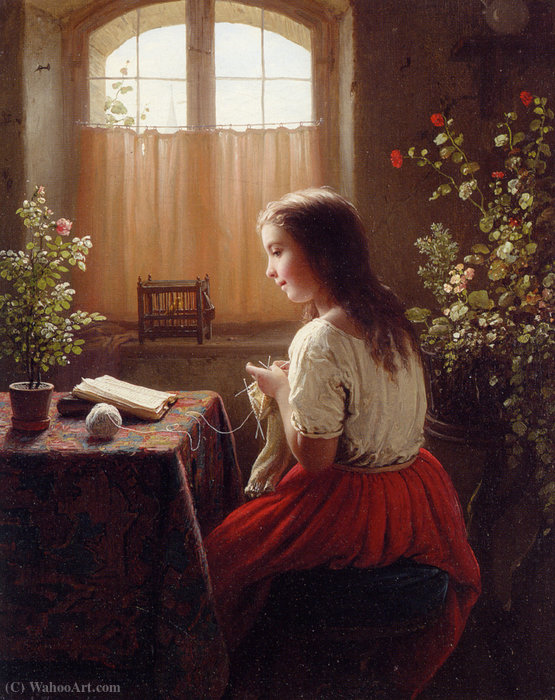
Afternoon amusements

 Pročitaj više
Giclee štampa / Umetnički otisak
Giclée štampa ili print na platnu muzejskog kvaliteta uz brzu proizvodnju i fleksibilne opcije završne obrade. ( Kupi ručno naslikanu sliku Kupi digitalnu sliku)




































Izaberite jednu od naših unapred definisanih veličina koje odgovaraju originalnim proporcijama umetničkog dela.

Možete uneti sopstvene dimenzije kako biste umetničko delo prilagodili specifičnom okviru ili prostoru. Ako odabrani format ne odgovara proporcijama originalne slike, mi ćemo ili iscrtati deo dela ili proširiti sliku pomoću ogledane ivice ili jednobojnog popunjavanja. Digitalni prikaz će vam biti poslat na odobrenje pre početka proizvodnje.
Imajte na umu da pregled na ekranu ne odražava stvarno iscrtavanje ili proširivanje. Samo će prikaz (mockup) precizno pokazati finalnu kompoziciju.
Iako su prilagođene dimenzije dostupne, preporučujemo da odaberete dimenziju sa unapred definisane liste kako biste očuvali originalne proporcije.
Dostava širom sveta () za 2 nedelje umesto uobičajenih 4/5 nedelja. (6 септембар)

Besplatna ekspresna dostava širom sveta

Visokokvalitetno laneno platno

Kompletno osiguranje transporta

Garancija povraćaja carine i uvoznih dažbina

Garancija vernosti boja

Politika povrata u roku od 100 dana (samo u slučaju nedostataka)

Garancija povrata novca od 100%

Popust pri grupnoj kupovini
 Opcija sa staklom dostupna je samo za dimenzije manje od 110 cm

Afternoon amusements
Giclee štampa / Umetnički otisak
Dimenzije reprodukcije
-


Konačna cena
$ 62
Srodna umetnička dela
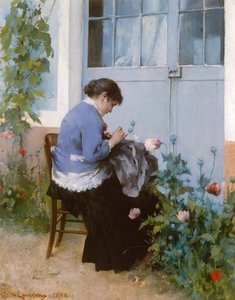
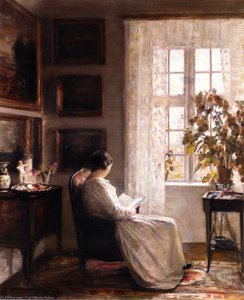
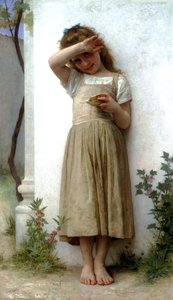
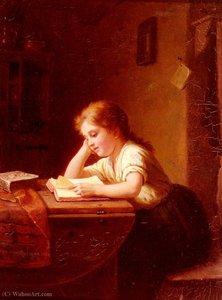
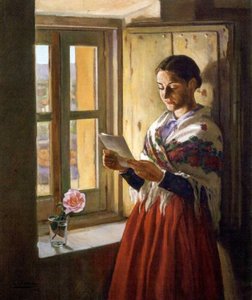
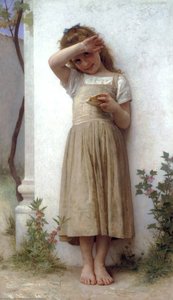
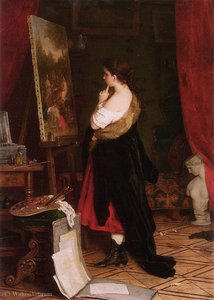
Biografija umetnika
The Soul of German Realism: The Life and Legacy of Meyer von Bremen
In the heart of the nineteenth century, a period defined by a profound shift from romantic idealism toward the unvarnished truths of existence, Johann Georg Meyer von Bremen emerged as a master of the human condition. Born on October 28, 1813, in the Hanseatic city of Bremen, his path to artistic greatness was shaped by both sudden tragedy and rigorous academic discipline. Following the untimely death of his father, the young Meyer found himself steered away from the mercantile traditions of his family and toward the vibrant, transformative atmosphere of the Düsseldorf School of Painting. This transition would eventually allow him to become one of the most poignant voices in German Realism, a painter capable of finding the extraordinary within the ordinary.
His artistic foundation was laid at the prestigious Düsseldorf Kunstakademie, where he studied under the influential Friedrich Wilhelm Schadow. Under Schadow’s guidance, Meyer mastered the art of meticulous observation—a hallmark of the Düsseldorf style that demanded a scientific precision in capturing light, texture, and shadow. This period of his life was characterized by an intense focus on plein air techniques, learning to translate the fleeting nuances of the natural world onto canvas with unparalleled accuracy. As he honed his craft, his work began to move beyond mere technical excellence, developing a unique ability to imbue even the simplest subjects with deep psychological resonance and emotional warmth.
From Biblical Narratives to the Poetics of Everyday Life
The evolution of Meyer von Bremen’s oeuvre is a fascinating journey through the changing sensibilities of his era. In the early stages of his career, his brush was often turned toward the grander, more structured themes of Biblical narratives. These works allowed him to explore dramatic tension and moral weight through carefully composed scenes. However, as his reputation grew and he moved from Düsseldorf to Berlin in 1853, his artistic focus underwent a beautiful metamorphosis. He began to turn his gaze away from the divine and toward the "simple annals of the poor," finding profound beauty in the lives of the Hessian peasantry and the quiet dignity of rural existence.
This shift marked his true arrival as a pioneer of realism. His later works became celebrated for their intense sympathy and spirited humor, particularly when depicting the innocence of childhood. He possessed a rare gift for capturing the spontaneous joy and tender vulnerability of youth, creating scenes that felt both timeless and intimately personal. Some of his most enduring thematic explorations include:
- Peasant Life: Capturing the rugged yet soulful existence of the rural working class with dignity and detail.
- Childhood Innocence: Utilizing a sense of humor and lightheartedness to portray children at play, such as in 'Children Playing Blindman's Buff.'
- Domestic Intimacy: Rendering family scenes that evoke nostalgia and the warmth of home life.
- Portraiture of Youth: Creating evocative single figures, such as 'The Little Flower Girl,' which showcase his mastery of texture and light.
A Lasting Impression on the German Canon
The historical significance of Meyer von Bremen lies in his ability to bridge the gap between the technical rigor of the Academy and the emotional accessibility of Realism. While many of his contemporaries focused on grand historical or mythological subjects, Meyer found greatness in a strawberry basket, a playing child, or a quiet moment of prayer. His work serves as a vital cultural record of nineteenth-century German life, preserving the textures of clothing, the light of the countryside, and the social fabric of the era with a painterly devotion that feels remarkably modern.
Even today, his influence can be felt in the way we perceive the beauty of the mundane. His paintings, held in prestigious institutions such as the Metropolitan Museum of Art and the Kunsthalle Bremen, continue to resonate with viewers who seek a connection to the authentic human experience. Through his disciplined technique and empathetic eye, Meyer von Bremen did more than just paint scenes; he elevated the everyday to the level of high art, ensuring that the quiet, uncelebrated moments of history would never be forgotten.
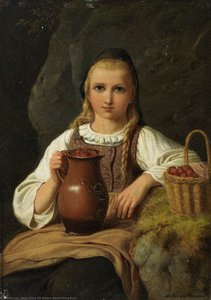
meyer georg von bremen (johann georg meyer)
1813 - 1886
Osnovne informacije
- Artistic Movement Or Style: Düsseldorf School of Painting
- Artists Who Influenced This Artist: ['Friedrich Wilhelm Schadow']
- Date Of Birth: October 28, 1813
- Full Name: Johann Georg Meyer von Bremen
- Nationality: German
- Notable Artworks:
- Tending The Little Ones
- The reading girl
- The Sleeping Child
- Place Of Birth: Bremen, Germany
Povezani članci
Georges Braque: 25 Remek-dela Kubizma za Inspirisanje Vašeg Doma | ArtsDot
Istražite 25 remek-dela Georges Braquea, pionira kubizma. Otkrijte priče iza slika, tehnike i inspiraciju za dizajn enterijera. Reprodukcije vrhunskog kvaliteta dostupne na ArtsDot.com! Pronađite savršeno umetničko delo online.
Romantic Realism's Finest: 10 Masterpieces for Your Home | ArtsDot
Explore 10 defining masterpieces of Romantic Realism! Discover Courbet, Millet & Daumier's powerful paintings—capturing emotion and social realities. Find museum-quality reproductions for your home at ArtsDot.com.
25 Remek-dela Žorža Seurea: Putovanje kroz Svet Tačizma i Impresionističke Revolucije
Istražite 25 remek-dela Žorža Seurea i uronite u svet tačizma i impresionističke revolucije. Otkrijte priče iza slika, tehnike i inspiraciju ovog francuskog umetnika. Reprodukcije vrhunskog kvaliteta dostupne na ArtsDot.com!
The Evocative Embrace of Reality: Exploring Romantic Realism in 19th-Century Painting
Explore the captivating world of Romantic Realism! Discover key artists like Courbet & Millet, masterpieces, and the social context behind this influential art movement. Expert insights for collectors at ArtsDot.
Academic Realism's Finest: 10 Masterpieces for Art Lovers & Home Decor
Explore 10 defining Academic Realism masterpieces by Bouguereau, Gérôme & Cabanel. Discover the stories behind these iconic paintings and bring timeless art into your home with museum-quality reproductions from ArtsDot.com. Explore the full collection online!