

 Pregledaj u prostoru
 Pošalji
 Podeli
 Detalji o delu

 Преузми
 Slični predmeti
 Rendgenski snimak
 Slajdovi
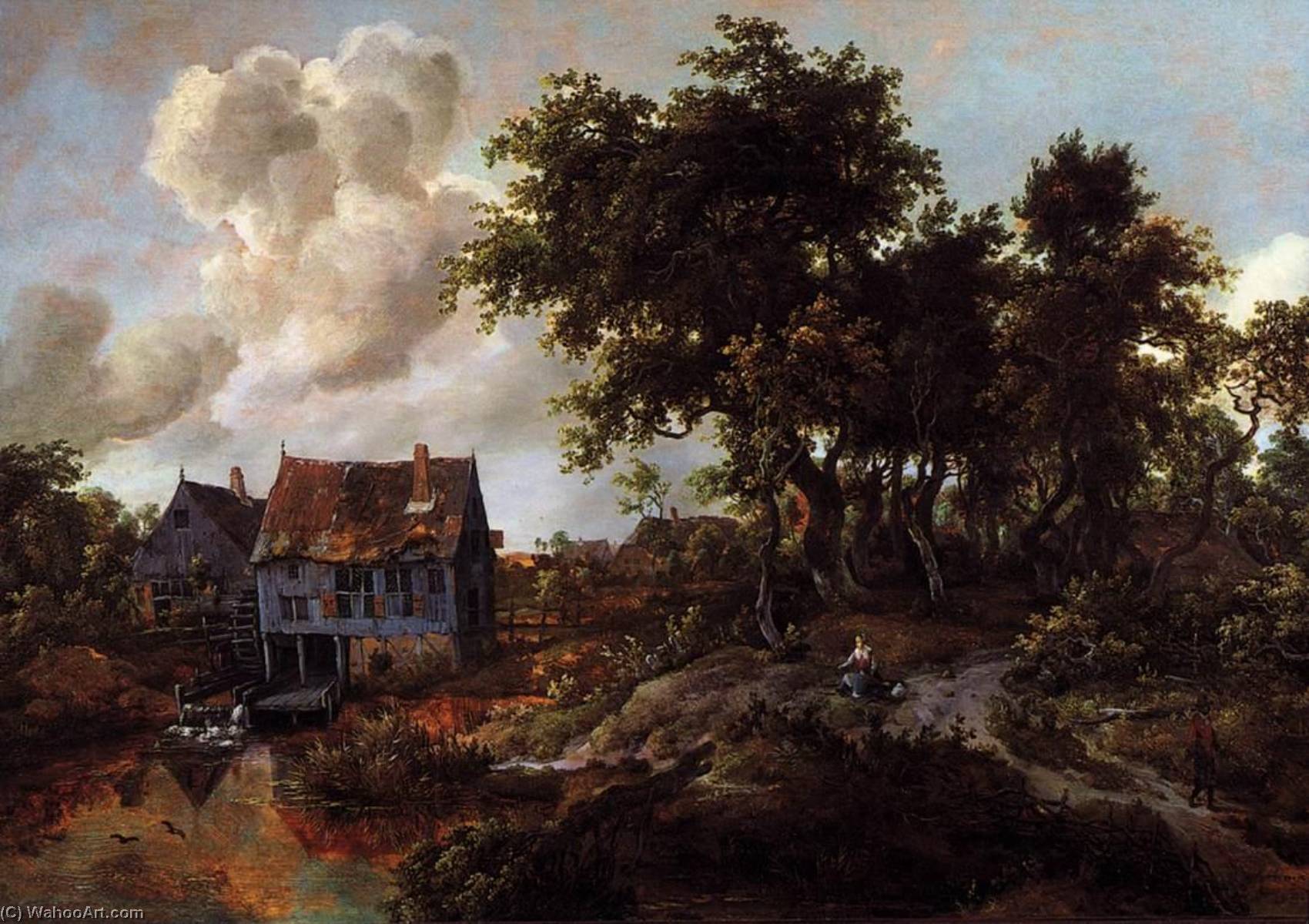
A Watermill beside a Woody Lane

 Pročitaj više
Kupite digitalnu sliku visoke rezolucije i poboljšanog kvaliteta, koja je znatno superiornija od onoga što vidite u online prikazu.
Svaka datoteka je pedantno pripremljena od strane naših stručnjaka koristeći napredne alate i profesionalnu ručnu retušu. Osiguravamo da svaka slika ima izuzetnu oštrinu, preciznu reprodukciju boja i fine detalje.
Konačna datoteka se dostavlja putem e-pošte u roku od 72 sata, optimizovana za neposrednu upotrebu u profesionalnim, izdavačkim i štamparskim okruženjima. To je isti kvalitet kojem veruju vrhunski studiji dizajna, izdavači i galerije.
Digitalna slika
Preuzmite datoteku visoke rezolucije za ličnu upotrebu, štampanje i kreativne projekte. ( Kupi print Kupi ručno naslikanu sliku)
Uključeno uz svaku porudžbinu digitalne slike
Profesionalna digitalna isporuka, zagarantovana
Kada odaberete ArtsDot.com, ne dobijate samo sliku – vi primate profesionalno unapređeno digitalno umetničko delo, izrađeno sa najvećom preciznošću i uz garanciju zadovoljstva. Evo svega što automatski dolazi uz vašu porudžbinu:

Brza dostava putem e-pošte
Vaša digitalna slika visoke rezolucije biće vam poslata putem e-pošte u roku od 72 sata od poručivanja – spremna za trenutnu upotrebu.

Digitalna datoteka unapređena veštačkom inteligencijom
Vaše umetničko delo je profesionalno optimizovano korišćenjem naprednih AI alata i ručne obrade, čime se osiguravaju maksimalni detalji, oštrina i preciznost boja.

Besplatna ponovna isporuka doživotno
Slučajno ste obrisali ili izgubili svoju datoteku? Ne brinite – poslaćemo vam je ponovo u bilo kom trenutku, potpuno besplatno.

Bez troškova uvoza – zauvek
Uživajte u svojim umetničkim delima trenutno, bez carine, dažbina ili troškova dostave – digitalni download je uvek bez poreza.

Garancija vernosti boja
Uz pomoć profesionalnih alata i upravljanja bojama, osiguravamo da vaša digitalna slika što vernije odražava originalne boje.

Garancija zadovoljstva u roku od 60 dana
Ako niste zadovoljni svojom digitalnom slikom, revidirat ćemo je ili vratiti 100% novca u roku od 60 dana – bez ikakvih pitanja.

100% garancija povrata novca
Niste zadovoljni? Obezbedite pun povrat novca u roku od 60 dana od trenutka kada ste primili svoju digitalnu datoteku – bez suvišnih pitanja.

Popusti na velike porudžbine
Kupite 3 slike, uštedite 10% - Kupite 5 slika, uštedite 15% - Kupite 10+ slika, uštedite 20%. Odlično za kreativne projekte, galerije i agencije.
Opis kolekcionarskog dela
The Painting's Composition
The painting features a serene landscape with a large tree in the foreground, its branches stretching upwards towards the sky. In the background, two houses are visible, one closer to the left side of the image and the other further back on the right side. A person is also visible near the center of the painting, adding a sense of human presence to the scene. The overall atmosphere of the painting conveys a sense of tranquility and peace.Artistic Style and Influences
Meyndert Hobbema's style was influenced by his mentor Jacob van Ruisdael, another prominent Dutch landscape painter. However, Hobbema's paintings are characterized by a lighter and friendlier tone, with an emphasis on the play of light and shadow. The painting A Watermill beside a Woody Lane is a prime example of this style, with its soft colors and gentle brushstrokes. Key Features of the Painting:- The use of light and shadow to create depth and atmosphere
- The emphasis on natural scenery and the play of light on water
- The inclusion of human figures to add a sense of scale and presence
Conservation and Display
The painting A Watermill beside a Woody Lane is part of the Royal Collection in the United Kingdom. It is considered one of the most important works by Meyndert Hobbema and is widely regarded as a masterpiece of Dutch landscape painting. For more information on this painting and other works by Meyndert Hobbema, visit /art/list/?Filter=AQTSJ3-Meyndert-Hobbema-A-Watermill-beside-a-Woody-Lane or https://en.wikipedia.org/wiki/Meyndert_Hobbema.The painting is a beautiful example of the artist's skill and attention to detail, and its serene atmosphere continues to captivate audiences to this day.
Srodna umetnička dela








Biografija umetnika
Meindert Lubbertszoon Hobbema: The Painter of Tranquil Woodland
Meindert Lubbertszoon Hobbema stands as a cornerstone of Dutch Baroque landscape painting, recognized for his masterful depictions of serene woodland scenes and meticulously rendered rural vistas that embody the spirit of the Golden Age. Born in Amsterdam and baptized on 31 October 1638, Hobbema’s artistic journey was profoundly shaped by his early connection to the legendary Jacob van Ruisdael. Under the tutelage of this titan of Dutch landscape painting, Hobbema developed a collaborative bond that would define his stylistic evolution. Together, they embarked on sketching expeditions throughout the Netherlands, meticulously capturing atmospheric conditions and topographical features, establishing a tradition of plein air painting that prioritized a direct, intimate engagement with the natural world.
This formative experience instilled in Hobbema an unwavering commitment to realism and a profound appreciation for the subtle interplay of light and shadow. His early years were marked by a dedication to observing the nuances of the Dutch countryside, a practice that would eventually lead him to become one of the most celebrated landscape artists of his era. While much of his early life remains shrouded in the quietude of historical records, his artistic lineage is clear, rooted in the rigorous observation and meticulous detail championed by his mentor, Van Ruisdael.
A Legacy of Observation and Technique
Hobbema’s distinctive style is characterized by its remarkable clarity and precision, achieved through painstaking observation and meticulous brushwork. Unlike many of his contemporaries who favored idealized or mythological representations, Hobbema relentlessly pursued accuracy in portraying the natural landscape. His canvases often feature wooded paths, meadows bathed in soft sunlight, and watercourses reflecting the shifting sky. He famously employed a technique known as gezichtsblick, or “face view,” which involved positioning himself directly before his subject matter to capture its essence with unparalleled immediacy.
This approach resulted in works that felt vibrantly alive, imbued with an atmospheric depth that drew the viewer into the scene. His mastery of light and shadow—often utilizing chiaroscuro to create dimensionality—allowed him to transform simple rural vistas into profound meditations on nature. Whether depicting a sun-drenched forest clearing or a quiet watermill, Hobbema’s technical skill ensured that every leaf, branch, and ripple in the water contributed to a larger sense of harmony and balance.
Masterpieces and Artistic Evolution
As his career matured, Hobbema’s work began to exhibit a specialized focus that distinguished him from his master. While Van Ruisdael often explored more dramatic and turbulent landscapes, Hobbema became renowned for his "sunny forest scenes," characterized by roads opening through woods and glistening ponds nestled within fairly flat landscapes. This evolution toward a more tranquil and luminous aesthetic allowed him to capture a specific type of Dutch peace that resonated deeply with the era's sensibilities.
Several of his works remain enduring icons of the Dutch Golden Age:
- The Avenue at Middelharnis (1689): Perhaps his most famous achievement, this painting showcases a different side of his talent, presenting a structured and grand perspective that departs from his typical dense woodlands.
- Wooded Landscape (1662): A masterpiece of composition, where trees, birds, and clouds coalesce to create a sense of profound peacefulness.
- A Watermill beside a Woody Lane (1665): An exquisite example of his ability to integrate architectural elements into the lush, organic textures of the forest.
- A Watermill (1666): Housed in the Rijksmuseum, this work demonstrates his exceptional skill in using light and shadow to create a sense of depth and movement within a river setting.
Through these works, Hobbema achieved a historical significance that transcends mere representation. He did not merely paint the Netherlands; he captured the very soul of its landscape during a period of unprecedented prosperity and cultural flowering. His ability to find the extraordinary within the ordinary—the quiet beauty of a sunlit path or the stillness of a woodland glade—ensured his place in the pantheon of the great Dutch Masters, leaving behind a legacy of tranquility that continues to captivate art lovers centuries later.
meyndert hobbema
1638 - 1709
Kratke činjenice
- Artistic Movement Or Style: Dutch Baroque
- Artists Or Movements Influenced By This Artist: ['Dutch Landscape Painting']
- Artists Who Influenced This Artist: ['Jacob van Ruisdael']
- Date Of Birth: October 31, 1638
- Date Of Death: December 7, 1709
- Full Name: Meindert Lubbertszoon Hobbema
- Nationality: Dutch
- Notable Artworks:
- The Avenue at Middelharnis
- A Watermill beside a Woody Lane
- Place Of Birth: Amsterdam, Netherlands

