

 Pregledaj u prostoru
 Pošalji
 Podeli
 Detalji o delu

 Преузми
 Slični predmeti
 Rendgenski snimak
 Slajdovi
 Stats
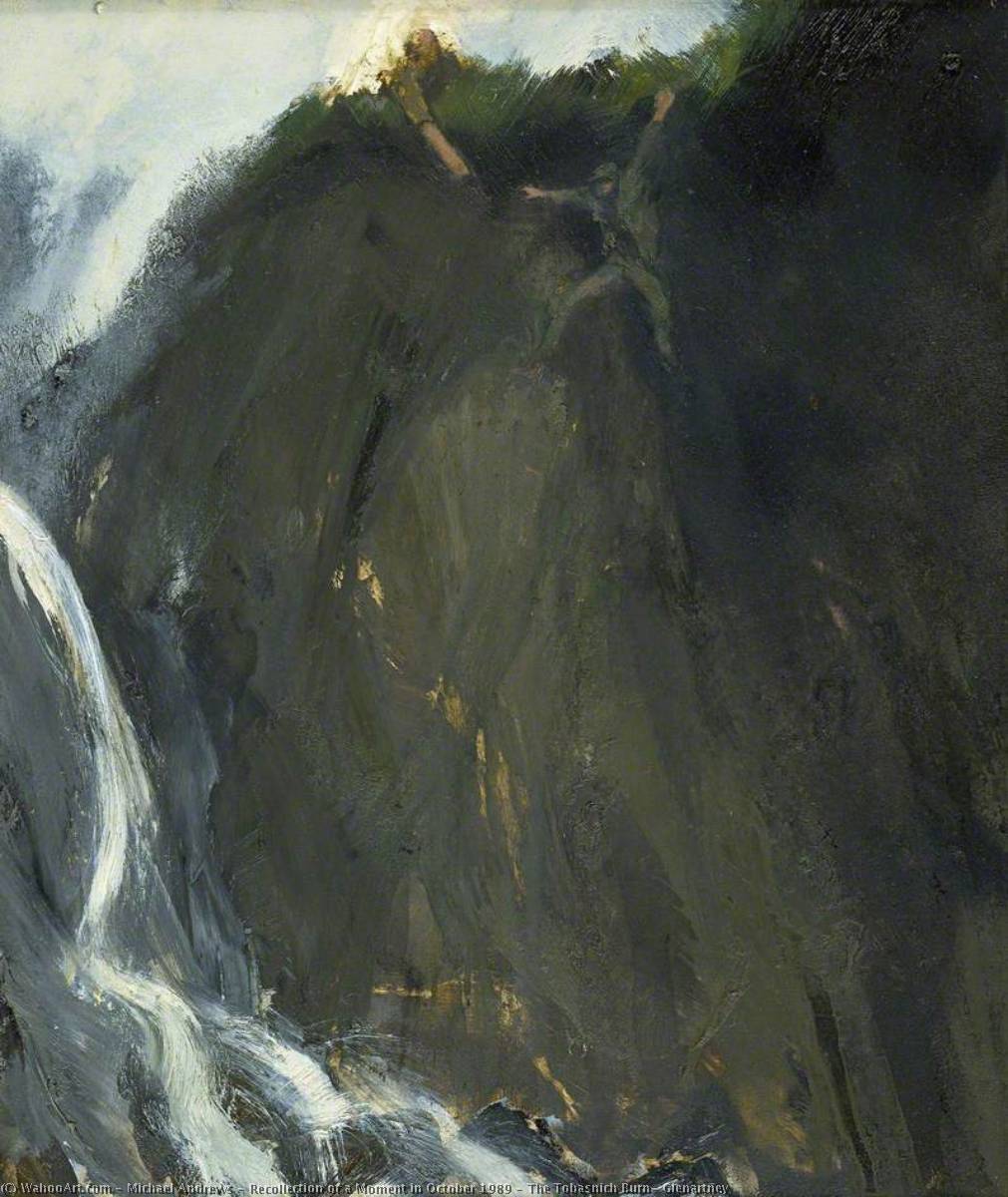
StatsRecollection of a Moment in October 1989 – The Tobasnich Burn, Glenartney
 1992
1992 31.0 x 25.0 cm
 British Council Collection
 Pročitaj više
Ručno rađena uljana reprodukcija
Ručno oslikano uljanim bojama na platnu u dimenzijama i okviru po vašem izboru, izrađeno po porudžbini od strane naših umetnika. ( Switch to Print Switch to Digital Image)




































Izaberite jednu od naših unapred definisanih veličina koje odgovaraju originalnim proporcijama umetničkog dela.

Можете унети сопствене димензије како бисте прилагодили дело одређеном оквиру или простору. Ако одабрана величина не одговара пропорцијама оригинала, слика ће бити исечена или проширена додатним елементима који се ручно насликавају. Дигитални prikaz ће вам бити послат на одобрење пре почетка производње.
Имајте на уму да преглед на екрану не одражава стварно исецање или проширење. Само приказ (mockup) ће тачно приказати коначну композицију.
Иако су доступне прилагођене величине, препоручујемо да одаберете димензију из дефинисане листе како бисте сачували оригиналне пропорције.
Nakon narudžbine, tim ArtsDot.com će klijentu putem e-pošte poslati uputstva i dostaviti prikaz predloženog rešenja
Isporuka širom sveta () za 3/4 nedelje umesto uobičajenih 5 nedelja. (8 септембар). Bez kompromisa po pitanju kvaliteta.

Besplatna ekspresna dostava širom sveta

Visokokvalitetno laneno platno

Kompletno osiguranje transporta

Garancija povraćaja carine i uvoznih dažbina

Garancija vernosti boja

Politika povraćaja u roku od 100 dana (isključivo u slučaju nedostataka)

Garancija povrata novca od 100%

Popust pri grupnoj kupovini
 Opcija sa staklom dostupna je samo za dimenzije manje od 110 cm

Recollection of a Moment in October 1989 – The Tobasnich Burn, Glenartney
Tehnika reprodukcije
Dimenzije reprodukcije
-


Konačna cena
$ 263
Srodna umetnička dela








Biografija umetnika
A Visionary of Light and Atmosphere
The art of Michael Andrews (1928–1995) exists in a delicate space between the tangible world and the ethereal realm of thought. A British painter of profound technical mastery, Andrews possessed a rare ability to infuse landscapes and social scenes with a sense of psychological depth and luminous energy. Born in Norwich, England, his early artistic sensibilities were nurtured within the halls of the Norwich School of Fine Art, where a natural talent began to coalesce into a sophisticated modernist vision. His formative years were defined by an engagement with the dynamic rhythms of Vorticism, which he would later soften with a lyrical, almost dreamlike approach to the natural world.
His education at the Slade School of Fine Art served as a crucible for his development, placing him alongside legendary figures such as Lucian Freud and William Coldstream. This period of intense study under masters like Lawrence Gowing and William Townsend provided him with a rigorous foundation in draughtsmanship and observation. However, it was perhaps his time spent in Egypt during his National Service that truly expanded his chromatic palette, introducing him to the vibrant textures and searing light of the desert—elements that would forever haunt the periphery of his compositions.
The Symbology of the Self and the City
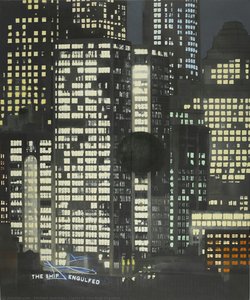
As Andrews’ career progressed, his work moved away from the immediate social observations of London's nightlife toward more profound, symbolic explorations. He became deeply fascinated by the concept of the "skin-encapsulated ego," a psychological notion that found its visual manifestation in his celebrated Lights series. In these works, created between 1970 and 1974, Andrews utilized the motif of a balloon drifting through urban landscapes to represent the fragile, floating nature of human consciousness. Inspired by the Symbolist poetry of Arthur Rimbaud, specifically Les Illuminations, these paintings sought to capture a state of enlightenment and an objective, unselfconscious vision of the world.
The imagery within this series is both haunting and beautiful, often featuring balloons suspended over neon-lit streets or amidst vast, atmospheric vistas. This period of his work demonstrates a remarkable synthesis of realism and fantasy, where the boundaries between the physical environment—such as the bright lights of Toronto or the rural stretches of Gloucestershire—and the internal landscape of the mind begin to dissolve. His ability to manipulate light, making it appear both as a source of external illumination and an internal spiritual glow, remains one of his most enduring legacies.
Legacy and Artistic Significance
Throughout his decades-long career, Andrews remained a figure of immense respect among his peers, moving through various artistic circles including the Norwich Twenty Group and teaching at prestigious institutions like the Slade and Chelsea Schools of Art. His versatility allowed him to navigate diverse subject matters, from formal portraiture and intimate depictions of social gatherings to expansive, surrealist landscapes featuring tropical fish or the iconic Ayers Rock in Australia.
The historical significance of Michael Andrews lies in his refusal to be tethered to a single movement. Instead, he created a personal visual language that bridged the gap between the structured discipline of postwar British realism and a more fluid, emotive modernism. His contributions are preserved in some of the world's most esteemed collections, including the Tate Gallery, ensuring that his unique exploration of light, memory, and the human spirit continues to resonate with viewers long after his passing.
michael andrews
1928 - 1995
Osnovne informacije
- Artistic Movement Or Style: Vorticism
- Artists Or Movements Influenced By This Artist: ['Eduardo Paolozzi']
- Artists Who Influenced This Artist:
- William Coldstream
- Lucian Freud
- Date Of Birth: October 30, 1928
- Date Of Death: July 19, 1995
- Full Name: Michael James Andrews
- Nationality: British
- Notable Artworks:
- A Man Who Suddenly Fell Over
- Sax Ad 832
- Place Of Birth: Norwich, England