

 Pregledaj u prostoru
 Pošalji
 Podeli
 Detalji o delu

 Преузми
 Slični predmeti
 Rendgenski snimak
 Slajdovi
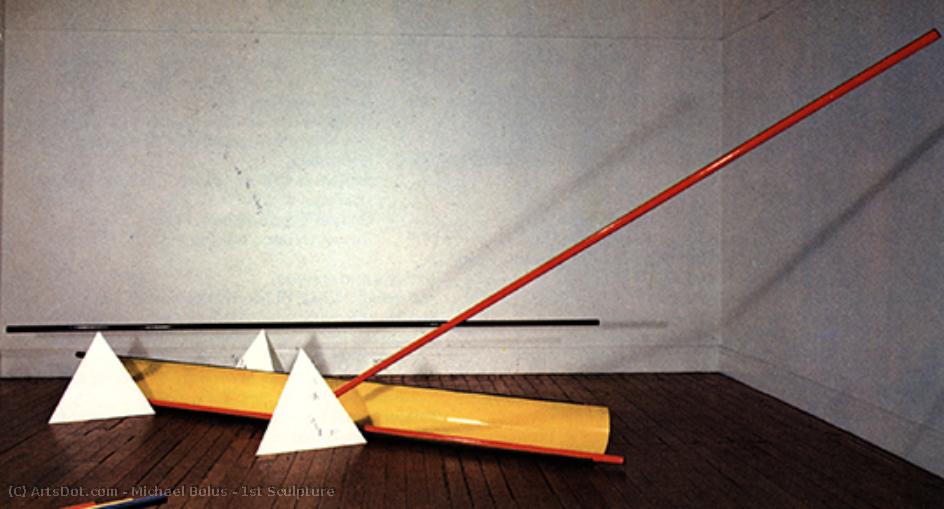
1st Sculpture


 Pročitaj više
Kupite digitalnu sliku visoke rezolucije i poboljšanog kvaliteta, koja je znatno superiornija od onoga što vidite u online prikazu.
Svaka datoteka je pedantno pripremljena od strane naših stručnjaka koristeći napredne alate i profesionalnu ručnu retušu. Osiguravamo da svaka slika ima izuzetnu oštrinu, preciznu reprodukciju boja i fine detalje.
Konačna datoteka se dostavlja putem e-pošte u roku od 72 sata, optimizovana za neposrednu upotrebu u profesionalnim, izdavačkim i štamparskim okruženjima. To je isti kvalitet kojem veruju vrhunski studiji dizajna, izdavači i galerije.
Digitalna slika
Preuzmite datoteku visoke rezolucije za ličnu upotrebu, štampanje i kreativne projekte. ( Kupi print Kupi ručno naslikanu sliku)
Uključeno uz svaku porudžbinu digitalne slike
Profesionalna digitalna isporuka, zagarantovana
Kada odaberete ArtsDot.com, ne dobijate samo sliku – vi primate profesionalno unapređeno digitalno umetničko delo, izrađeno sa najvećom preciznošću i uz garanciju zadovoljstva. Evo svega što automatski dolazi uz vašu porudžbinu:

Brza dostava putem e-pošte
Vaša digitalna slika visoke rezolucije biće vam poslata putem e-pošte u roku od 72 sata od poručivanja – spremna za trenutnu upotrebu.

Digitalna datoteka unapređena veštačkom inteligencijom
Vaše umetničko delo je profesionalno optimizovano korišćenjem naprednih AI alata i ručne obrade, čime se osiguravaju maksimalni detalji, oštrina i preciznost boja.

Besplatna ponovna isporuka doživotno
Slučajno ste obrisali ili izgubili svoju datoteku? Ne brinite – poslaćemo vam je ponovo u bilo kom trenutku, potpuno besplatno.

Bez troškova uvoza – zauvek
Uživajte u svojim umetničkim delima trenutno, bez carine, dažbina ili troškova dostave – digitalni download je uvek bez poreza.

Garancija vernosti boja
Uz pomoć profesionalnih alata i upravljanja bojama, osiguravamo da vaša digitalna slika što vernije odražava originalne boje.

Garancija zadovoljstva od 100 dana
Ako niste zadovoljni svojom digitalnom slikom, izvršićemo reviziju ili ćemo vam vratiti 100% novca u roku od 100 dana – bez ikakvih pitanja.

100% garancija povrata novca
Niste zadovoljni? Dobijte puni povraćaj novca u roku od 100 dana od prijema digitalne datoteke – bez suvišnih pitanja.

Popusti na velike porudžbine
Kupite 3 slike, uštedite 10% - Kupite 5 slika, uštedite 15% - Kupite 10+ slika, uštedite 20%. Odlično za kreativne projekte, galerije i agencije.
Srodna umetnička dela

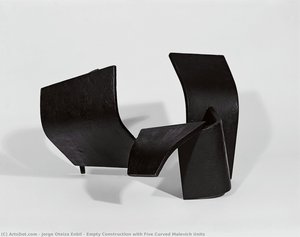
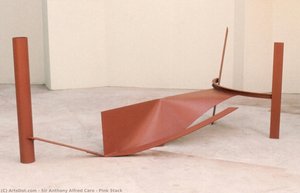
Biografija umetnika
Early Life and Artistic Foundations
Michael Bolus, born in Cape Town, South Africa, in 1934, embarked on a journey that would establish him as a significant figure within the landscape of British Constructivist sculpture. His initial artistic explorations centered around traditional modeling and stone carving—a grounding experience that laid the foundation for his later embrace of industrial materials. However, it was his move to England in 1957, and subsequent studies at St Martin’s School of Art from 1958 to 1962, that truly ignited his artistic evolution. Studying under the influential Anthony Caro proved pivotal, shaping Bolus's aesthetic sensibilities and introducing him to a new generation of sculptors challenging conventional forms. This period marked a decisive shift away from representational art towards abstraction, driven by a desire to explore fundamental principles of balance, form, and spatial relationships.The Constructivist Impulse and Material Transformation
Bolus quickly distinguished himself through his pioneering use of steel and aluminum—materials that offered a stark contrast to the stone he initially worked with. This transition wasn’t merely technical; it represented a philosophical shift towards embracing the possibilities of industrial processes and the inherent qualities of these modern materials. Inspired by the groundbreaking work of sculptors like Julio González, Pablo Picasso, David Smith, and his mentor Anthony Caro, Bolus became part of a movement that rejected traditional sculptural conventions—specifically, the plinth. His early sculptures, often polychromatic aluminum shapes placed directly on the ground, were designed to interact with their surroundings, asserting themselves as integral parts of the environment rather than isolated objects of contemplation. The 1965 “New Generation” exhibition at the Whitechapel Gallery showcased this innovative approach, bringing Bolus’s work to a wider audience and establishing his presence within the burgeoning British avant-garde.International Recognition and Exploration of Form
The mid-1960s witnessed Bolus's growing international recognition. Participation in landmark exhibitions like “Primary Structures” at the Jewish Museum in New York in 1966, alongside a solo show at the Kornblee Gallery that same year, solidified his reputation on both sides of the Atlantic. This period saw him delve deeper into the exploration of form and color, creating dynamic compositions that challenged viewers’ perceptions of space and gravity. However, Bolus wasn't content with static arrangements; throughout the 1970s, his sculptures underwent a dramatic transformation. They began to lift off the ground, becoming increasingly fragmented and incorporating lattice-like structures—complex constructions that defied conventional notions of stability and weight. Works like “Sculpture No. 3” (1973) and “Untitled” (1984) exemplify this evolution, showcasing his mastery of manipulating metal to create seemingly impossible forms.Teaching and Legacy
Alongside his artistic practice, Bolus dedicated himself to education, holding teaching positions at St Martin’s School of Art and the Central School of Art and Design for much of his career. This commitment fostered a new generation of sculptors, passing on his knowledge and passion for innovative techniques and conceptual approaches. His ability to manipulate difficult materials—particularly gold and silver—earned him respect among peers and collectors alike. Bolus’s work is now held in prestigious public collections worldwide, including the Tate in London, the Museum of Modern Art in New York, the National Gallery of Art in Washington D.C., and the Calouste Gulbenkian Foundation in Lisbon, ensuring his lasting impact on the field of abstract sculpture.Historical Significance
Michael Bolus’s contribution to British sculpture lies not only in his innovative use of materials and exploration of form but also in his commitment to challenging established norms. As part of a generation that redefined the boundaries of sculptural practice, he rejected traditional hierarchies and embraced the possibilities of industrial processes. His work embodies the spirit of Constructivism—a focus on geometric abstraction, spatial relationships, and the inherent qualities of materials—while simultaneously forging its own unique path. Bolus’s sculptures continue to resonate with audiences today, serving as powerful reminders of the enduring power of abstract art to provoke thought, inspire contemplation, and redefine our understanding of the world around us.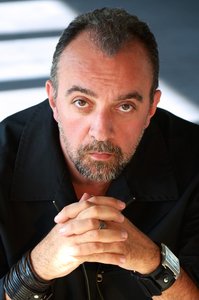
michael bolus
1934 - 2013 , South Africa
Kratke činjenice
- Artistic Movement Or Style: Constructivism, Abstract sculpture
- Artists Who Influenced This Artist:
- Julio González
- Pablo Picasso
- Anthony Caro
- David Smith
- Date Of Birth: 1934
- Date Of Death: 2013
- Full Name: Michael Edward Bolus
- Nationality: South African-British
- Notable Artworks:
- 1st Sculpture
- 5th Sculpture
- 8th Sculpture
- Place Of Birth: Cape Town, South Africa