

 Pregledaj u prostoru
 Pošalji
 Podeli
 Detalji o delu

 Преузми
 Slični predmeti
 Rendgenski snimak
 Slajdovi
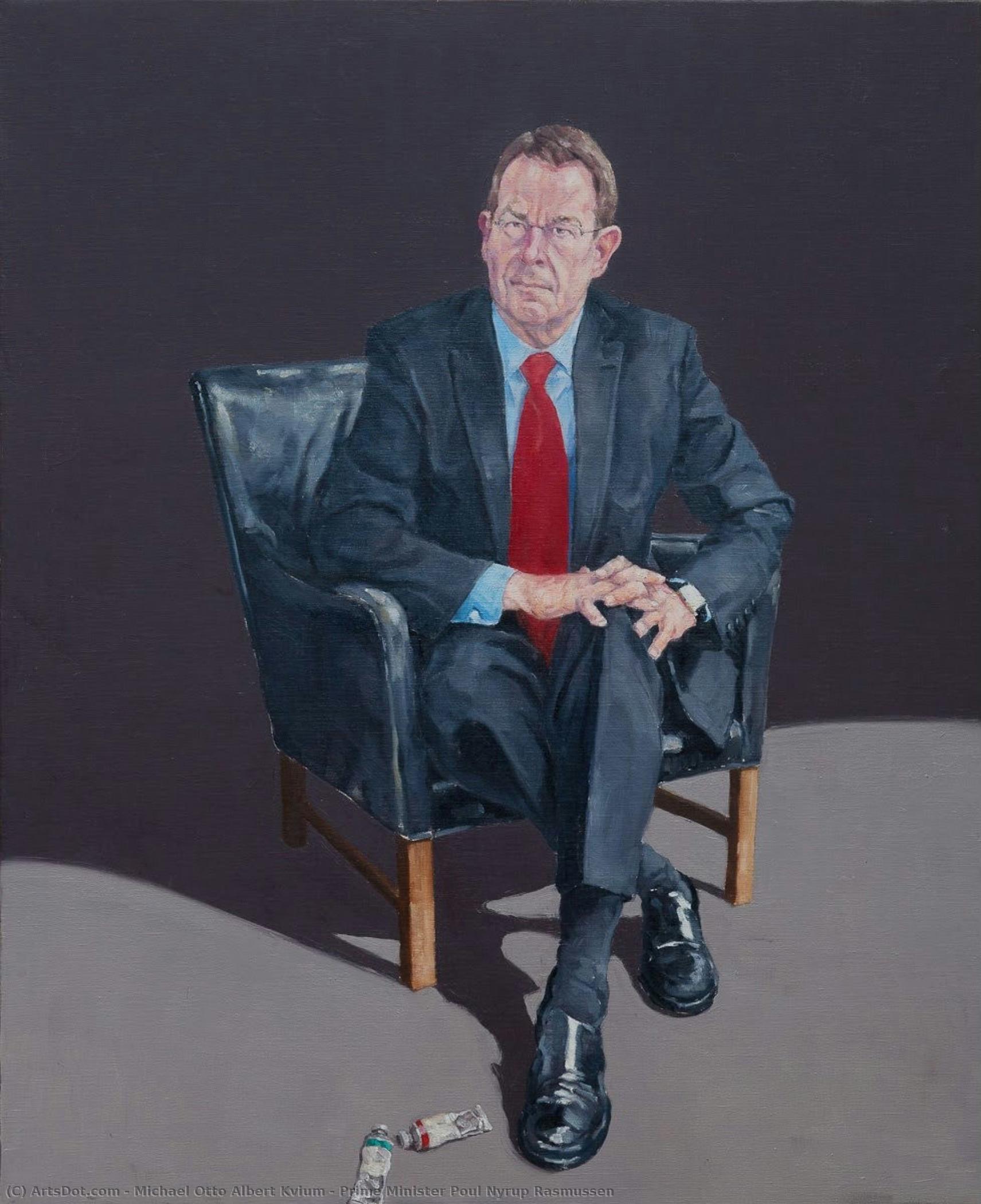
Prime Minister Poul Nyrup Rasmussen
 90.0 x 110.0 cm
 Danski parlament
 Pročitaj više
Giclee štampa / Umetnički otisak
Giclée štampa ili print na platnu muzejskog kvaliteta uz brzu proizvodnju i fleksibilne opcije završne obrade. ( Kupi ručno naslikanu sliku Kupi digitalnu sliku)




































Izaberite jednu od naših unapred definisanih veličina koje odgovaraju originalnim proporcijama umetničkog dela.

Možete uneti sopstvene dimenzije kako biste umetničko delo prilagodili specifičnom okviru ili prostoru. Ako odabrani format ne odgovara proporcijama originalne slike, mi ćemo ili iscrtati deo dela ili proširiti sliku pomoću ogledane ivice ili jednobojnog popunjavanja. Digitalni prikaz će vam biti poslat na odobrenje pre početka proizvodnje.
Imajte na umu da pregled na ekranu ne odražava stvarno iscrtavanje ili proširivanje. Samo će prikaz (mockup) precizno pokazati finalnu kompoziciju.
Iako su prilagođene dimenzije dostupne, preporučujemo da odaberete dimenziju sa unapred definisane liste kako biste očuvali originalne proporcije.
Dostava širom sveta () za 2 nedelje umesto uobičajenih 4/5 nedelja. (7 септембар)

Besplatna ekspresna dostava širom sveta

Visokokvalitetno laneno platno

Kompletno osiguranje transporta

Garancija povraćaja carine i uvoznih dažbina

Garancija vernosti boja

Politika povraćaja u roku od 100 dana (isključivo u slučaju nedostataka)

Garancija povrata novca od 100%

Popust pri grupnoj kupovini
 Opcija sa staklom dostupna je samo za dimenzije manje od 110 cm

Prime Minister Poul Nyrup Rasmussen
Giclee štampa / Umetnički otisak
Dimenzije reprodukcije
-


Konačna cena
$ 62
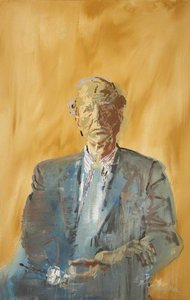
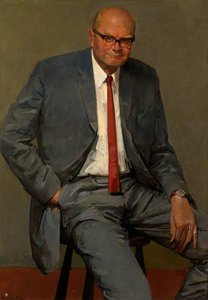
Srodna umetnička dela








Biografija umetnika
A Grotesque Visionary: The Life and Art of Michael Kvium
Michael Otto Albert Kvium, born in 1955 in Horsens, Denmark, is a figure who defies easy categorization. He isn’t simply a painter, sculptor, or performance artist; he is an alchemist of the unsettling, a chronicler of the darker recesses of the human psyche rendered with a startlingly visceral realism. From his early explorations in the 1980s, Kvium embarked on a path that would establish him as one of Denmark’s most provocative and significant contemporary artists. His work doesn't offer comfort or beauty in conventional terms; instead, it presents a distorted mirror to society, reflecting back its anxieties, vulnerabilities, and grotesque underbelly. Kvium’s artistic journey began with formal training at the Royal Danish Academy of Fine Arts in Copenhagen, where he studied under Albert Mertz and Stig Brøgger. This academic foundation provided him with technical mastery, but it was his restless spirit and fascination with the unconventional that truly shaped his style. He quickly moved beyond traditional boundaries, drawn to the raw energy of comic strip aesthetics and the dramatic intensity of Baroque painting—a combination that would become a hallmark of his oeuvre. His canvases began to populate with figures both familiar and monstrous, often resembling fragmented self-portraits or unsettling hybrids of human and animal forms. These weren’t merely depictions of ugliness; they were explorations of the fragility of identity, the decay of morality, and the inherent absurdity of existence.The Birth of Værkstet Værst and Performance Art
A pivotal moment in Kvium's career came in 1981 with the co-founding of Værkstedet Værst—a collaborative workshop for performance art alongside Erik A. Frandsen and Christian Lemmerz. This collective became a breeding ground for experimental expression, pushing the limits of artistic convention and challenging societal norms. Værkstet Værst wasn’t about creating polished spectacles; it was about confronting audiences with uncomfortable truths, exploring taboo subjects, and embracing the chaotic energy of live action. Kvium's involvement in this movement profoundly influenced his later work, infusing his paintings with a theatrical quality and a sense of unsettling immediacy. The performances often served as precursors to themes he would develop on canvas—the body as a site of vulnerability, the grotesque as a form of social commentary, and the blurring of boundaries between reality and illusion.Themes and Symbolism: A Darker Side of Life
Kvium’s paintings are immediately recognizable for their distinctive style – a blend of meticulous realism and deliberately unsettling imagery. His figures are often distorted, fragmented, or rendered with exaggerated features, creating a sense of unease and psychological tension. Motifs recur throughout his work: grotesque monsters, half-human, half-animal creatures, bandaged figures symbolizing paralysis and claustrophobia, and eyes—ubiquitous, staring eyes that seem to penetrate the viewer’s soul. He frequently employs a palette dominated by muted tones and sickly hues, further enhancing the sense of decay and alienation. The recurring use of self-portraiture, or figures resembling Kvium himself, is particularly striking. These aren't vanity portraits; they are explorations of identity, vulnerability, and the artist’s own anxieties. He doesn’t shy away from depicting the darker aspects of human nature—greed, lust, violence, and despair—but he does so with a level of honesty and psychological depth that is both disturbing and compelling. His work often resembles comic strip art or extensions of baroque paintings from the 17th century, with motifs including grotesque monsters, half man-half woman figures that sometimes approach self-portraits. The virus-like shapes appearing in his works from the 1980s represent growth cycles and decay, while later pieces explore themes of transitoriness, the body, and the recesses of the mind.Recognition and Legacy
Michael Kvium’s work has garnered significant recognition both within Denmark and internationally. He received the prestigious Eckersberg Medal in 2001, a testament to his artistic achievements, and was decorated with the Order of the Dannebrog in 2010—an honor bestowed upon individuals who have made outstanding contributions to Danish society. His paintings are included in the collections of numerous museums and galleries across Denmark, including ARoS Aarhus Kunstmuseum, the National Gallery of Denmark, and Trapholt Museum for Art and Modern Design.- Solo exhibitions at ARoS Aarhus Kunstmuseum (2006) and Ordrupgaard (2007).
- Collaborations with Katrine Wiedemann on stage sets.
- Creation of the eight-hour silent film *The Wake* (2000), inspired by James Joyce’s *Finnegans Wake*.
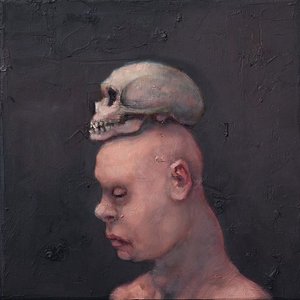
michael otto albert kvium
1955 - , Denmark
Osnovne informacije
- Artistic Movement Or Style: Grotesque Realism
- Artists Who Influenced This Artist:
- Albert Mertz
- Stig Brøgger
- Date Of Birth: November 15, 1955
- Full Name: Michael Otto Albert Kvium
- Nationality: Danish
- Notable Artworks:
- Kor
- The Wake
- Place Of Birth (City And Country): Horsens, Denmark