

 Pregledaj u prostoru
 Pošalji
 Podeli
 Detalji o delu

 Преузми
 Slični predmeti
 Rendgenski snimak
 Slajdovi
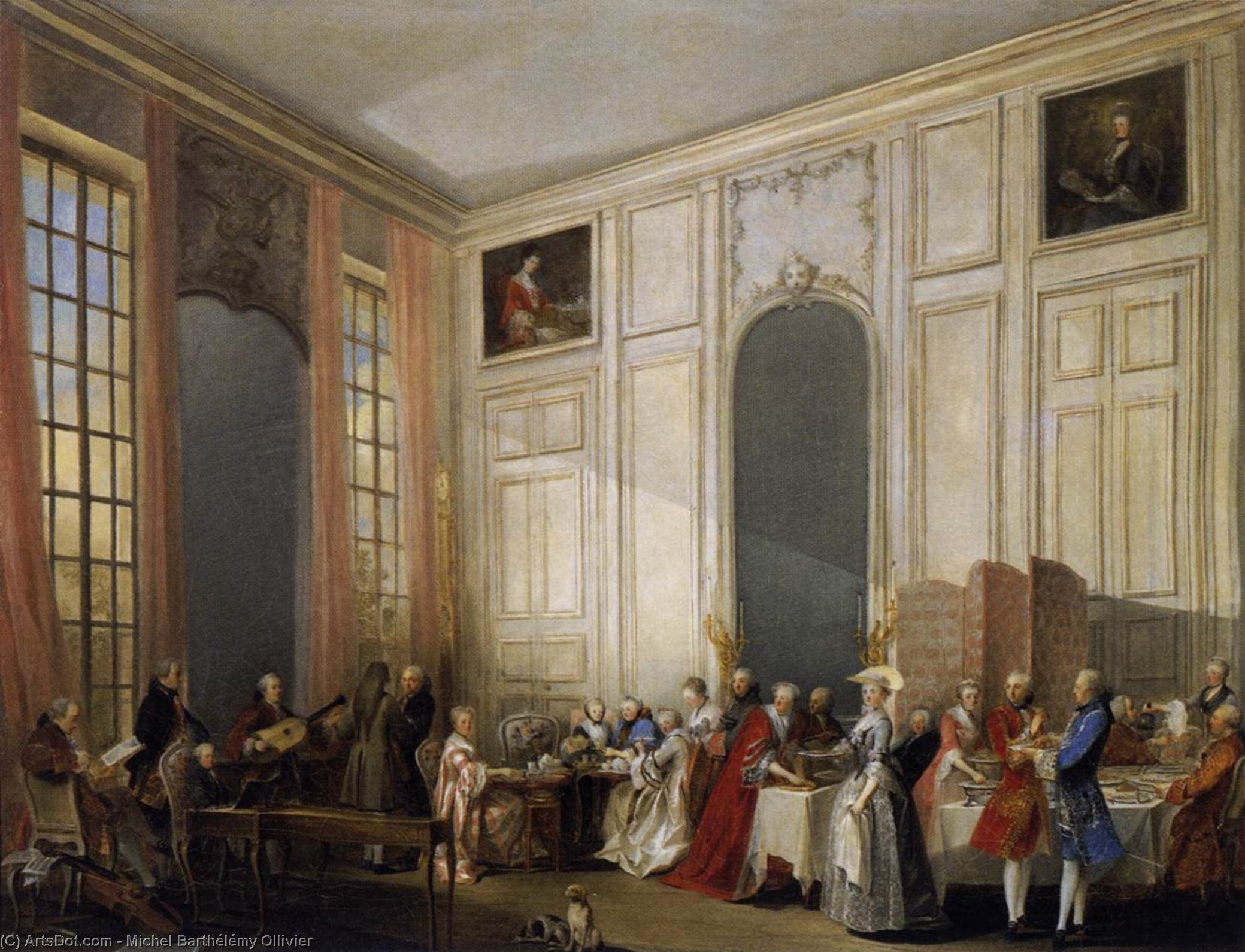
Afternoon Tea at the Temple
 Oil On Canvas
- WallArt
- Rococo
 1766
1766- Early Modern
 53.0 x 68.0 cm
 Muzej Nacionalnog dvorca u Versaju
 Pročitaj više
Ručno rađena uljana reprodukcija
Ručno oslikano uljanim bojama na platnu u dimenzijama i okviru po vašem izboru, izrađeno po porudžbini od strane naših umetnika. ( Kupi print Kupi digitalnu sliku)




P118B $10

P118H $10

P118W $10

P438Z $10

P508JH $12

P508YH $12

P805H $10

P805Z $10

P919BZ $10

P919G $10

P919XJ $10

P959ZH $10

P968JZ $12

W106C $8

W218G $10

W218JH $8

W218Y $10

W307PJ $10

W316G $10

W316PJ $8

W316Y $10

W398PJ $8

W4111J $10

W500HY $15

W500JH $15

W692G $12

W849H $8

W940BG $15

W953PJ $8




Izaberite jednu od naših unapred definisanih veličina koje odgovaraju originalnim proporcijama umetničkog dela.

Можете унети сопствене димензије како бисте прилагодили дело одређеном оквиру или простору. Ако одабрана величина не одговара пропорцијама оригинала, слика ће бити исечена или проширена додатним елементима који се ручно насликавају. Дигитални prikaz ће вам бити послат на одобрење пре почетка производње.
Имајте на уму да преглед на екрану не одражава стварно исецање или проширење. Само приказ (mockup) ће тачно приказати коначну композицију.
Иако су доступне прилагођене величине, препоручујемо да одаберете димензију из дефинисане листе како бисте сачували оригиналне пропорције.
Nakon narudžbine, tim ArtsDot.com će klijentu putem e-pošte poslati uputstva i dostaviti prikaz predloženog rešenja
Isporuka širom sveta () za 3/4 nedelje umesto uobičajenih 5 nedelja. (26 август). Bez kompromisa po pitanju kvaliteta.

Besplatna ekspresna dostava širom sveta

Visokokvalitetno laneno platno

Kompletno osiguranje transporta

Garancija povraćaja carine i uvoznih dažbina

Garancija vernosti boja

Politika povrata u roku od 60 dana (samo u slučaju nedostataka)

Garancija povrata novca od 100%

Popust pri grupnoj kupovini
 Opcija sa staklom dostupna je samo za dimenzije manje od 110 cm

Afternoon Tea at the Temple
Tehnika reprodukcije
Dimenzije reprodukcije
-


Konačna cena
$ 263
Opis umetničkog dela
A Glimpse into Rococo Leisure: Afternoon Tea at the Temple
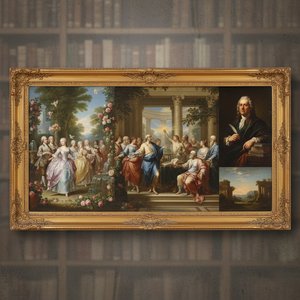
To gaze upon this scene is to be instantly transported to an era of exquisite refinement and languid pleasure. Afternoon Tea at the Temple captures more than just a gathering; it encapsulates the very spirit of late eighteenth-century aristocratic life—a moment suspended between polite society and genuine, unburdened enjoyment. The composition unfolds with an effortless grace characteristic of the Rococo period, inviting the viewer to settle into the plush surroundings and partake in the gentle murmur of conversation.
The scene is richly populated, a tableau vivant where every figure seems caught mid-gesture. Dressed in the fashionable finery of the time, some sporting crisp ties that speak of gentlemanly leisure, they are gathered around a substantial dining table. The inclusion of domestic companions—a placid dog resting near a chair and an observant cat positioned to the right—adds a layer of intimate realism, grounding the high society drama with touches of everyday life.
The Allure of Rococo Technique and Setting
Michel Barthélémy Ollivier masterfully employs the techniques that defined the Rococo movement. The light itself feels like an element within the painting; streaming in through a large, unseen window, it bathes the formal dining area in a natural luminescence. This handling of light is crucial, lending an airy quality to the oil on canvas that prevents the gathering from feeling stuffy or overly dramatic. Ollivier’s skill lies in rendering textures—the sheen of silk gowns, the polished wood of the furniture, and the soft fur of the pets—with remarkable verisimilitude.
The overall atmosphere is one of cultivated ease. The setting suggests a private, elegant space within or adjacent to a temple structure, lending an air of cultured contemplation to the social ritual. It speaks to a time when leisure itself was considered a high art form, worthy of meticulous depiction by masters like Ollivier.
Historical Echoes and Social Symbolism
Painted in 1766, this work sits at the zenith of Rococo sensibility, a period marked by a move away from the weighty grandeur of Baroque formality toward intimacy, playfulness, and natural beauty. The afternoon tea itself functions as a potent symbol—it represents the structured yet seemingly spontaneous pleasures of the upper class. It is a visual narrative about connection, status, and the performance of refined taste. For the collector or designer, this piece offers an immediate conduit to that historical sensibility, suggesting an interior steeped in cultivated charm.
The inclusion of nature—the light, the implied garden outside the window, and the animals within—serves as a gentle counterpoint to the formality of the gathering. It suggests that even amidst the most structured social engagements, there remains room for the organic and the delightful.
Bringing Salon Elegance Home
For those seeking to infuse a space with the romance and sophistication of an ancien régime salon, this reproduction offers unparalleled depth. The size, measuring approximately 53 x 68 cm, makes it a perfect focal point for a drawing-room or dining area mantelpiece. Owning this piece is not merely acquiring art; it is curating an atmosphere—a perpetual afternoon where the clinking of teacups and soft conversation seem just moments away from beginning.
It invites contemplation on the passage of time, beautifully capturing a moment that feels both historically distant and intimately present. It is a testament to Ollivier’s ability to imbue domesticity with the grandeur of high art.
Srodna umetnička dela


Biografija umetnika
Michel Barthélémy Ollivier: A Master of Rococo Idyllic Landscapes
Michel Barthélémy Ollivier (August 24, 1712 – June 15, 1784) stands as a significant figure in French Rococo art, particularly renowned for his captivating depictions of serene landscapes interwoven with aristocratic scenes. Born in Marseille, Ollivier’s artistic lineage traced back to a family deeply rooted in painting traditions—a legacy that profoundly shaped his own creative trajectory. He honed his skills at the Académie de Saint-Luc and under the tutelage of Charles-André van Loo, absorbing the stylistic nuances of the era's leading artists.- Early Life & Training: Ollivier’s formative years were marked by exposure to artistic excellence. His father, Louis Ollivier, was himself a painter, establishing a familial connection to the visual arts that instilled in Michel a passion for observation and representation. Studying alongside van Loo ensured he grasped the principles of Baroque French Art and Classical French Art.
- Madrid Years & Artistic Influences: Ollivier’s journey took him to Madrid during Louis-Michel van Loo's tenure as court painter to King Philip V, where he absorbed influences from Spanish artistic conventions. This experience broadened his perspective and enriched his stylistic repertoire.
Notable Works & Artistic Style
Ollivier’s oeuvre comprises approximately five artworks that exemplify the hallmarks of Rococo painting—characterized by delicate brushstrokes, pastel hues, asymmetrical compositions, and an emphasis on idealized beauty. His landscapes frequently feature tranquil waterscapes populated by shepherds and nymphs, reflecting a fascination with pastoral themes prevalent in the period. Simultaneously, he skillfully rendered aristocratic interiors adorned with opulent furnishings and portraits conveying elegance and refinement.- “Afternoon Tea at the Temple” (1766): This celebrated piece showcases Ollivier’s mastery of capturing atmospheric subtleties—particularly light—within a meticulously crafted scene depicting an aristocratic gathering amidst lush greenery.
Recognition & Legacy
Ollivier’s work gained recognition throughout Europe, notably displayed at the Royal Academy of London in 1772. His paintings reside in prestigious institutions such as the Musée des beaux-arts de Bordeaux and the Louvre, ensuring his artistic legacy continues to inspire admiration and scholarly study. Michel Barthelemy Ollivier's contribution to French Rococo painting remains invaluable—a testament to his dedication to capturing the sublime beauty of nature and portraying aristocratic life with unparalleled grace.Further Exploration
For more detailed information about Michel Barthélémy Ollivier’s artistic achievements, visit WikiArt: WikiArt.org. You can also delve into his biographical details on Wikipedia: Wikipedia.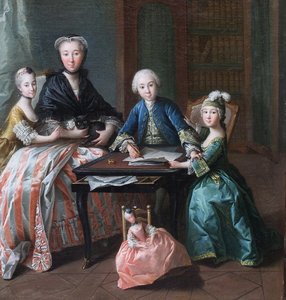
michel barthélémy ollivier
1712 - 1784 , France
Osnovne informacije
- Artistic Movement Or Style: Rococo
- Artists Or Movements Influenced By This Artist: ['Baroque French Art']
- Artists Who Influenced This Artist: ['Charles André van Loo']
- Date Of Birth: 1712 Marseille France
- Date Of Death: 1784 Paris France
- Full Name: Michel Barthélémy Ollivier
- Nationality: French
- Notable Artworks: ['Afternoon Tea at the Temple']
- Place Of Birth: Marseille France
Povezani članci

The Rococo Aesthetic: Opulence, Rebellion & the Pursuit of Pleasure in 18th-Century Art
Explore the opulent world of Rococo art! Discover its origins, key artists like Watteau & Boucher, and lasting influence on design. Expert insights for collectors & enthusiasts.

Rokoko: 10 Remek Dela Koja Su Definisala Eleganciju i Ukus
Otkrijte 10 remek dela koja su definisala rokoko umetnost! Uronite u svet Boucher-a, Watteau-a i Fragonarda. Istorija, stil i inspiracija za vaš dom. Kvalitetne reprodukcije i kuratorski odabiri na ArtsDot.com!
The Allure of Elegance in Art: A Historical & Aesthetic Exploration of Refinement & Grace
Explore the exquisite world of Rococo art! Discover its history, masters (Watteau, Boucher & more), and defining elegance. Expert insights for collectors seeking museum-quality reproductions & custom portraits.
Illuminating the Enlightenment: Artistic Expression in 18th-Century Europe
Explore the artistic brilliance of the Enlightenment era! Discover Rococo's elegance & Neoclassicism’s virtue with expert insights into 18th-century masterpieces. Learn about David, Kauffmann & more.
Illuminating the Enlightenment: A Comprehensive Exploration of 18th-Century Painting
Explore the captivating world of 18th-century painting! Discover Rococo's playful elegance & Neoclassicism’s Enlightenment ideals with expert insights into Fragonard, David, and more. A comprehensive guide for art enthusiasts.

