

 Pregledaj u prostoru
 Pošalji
 Podeli
 Detalji o delu

 Преузми
 Slični predmeti
 Rendgenski snimak
 Slajdovi
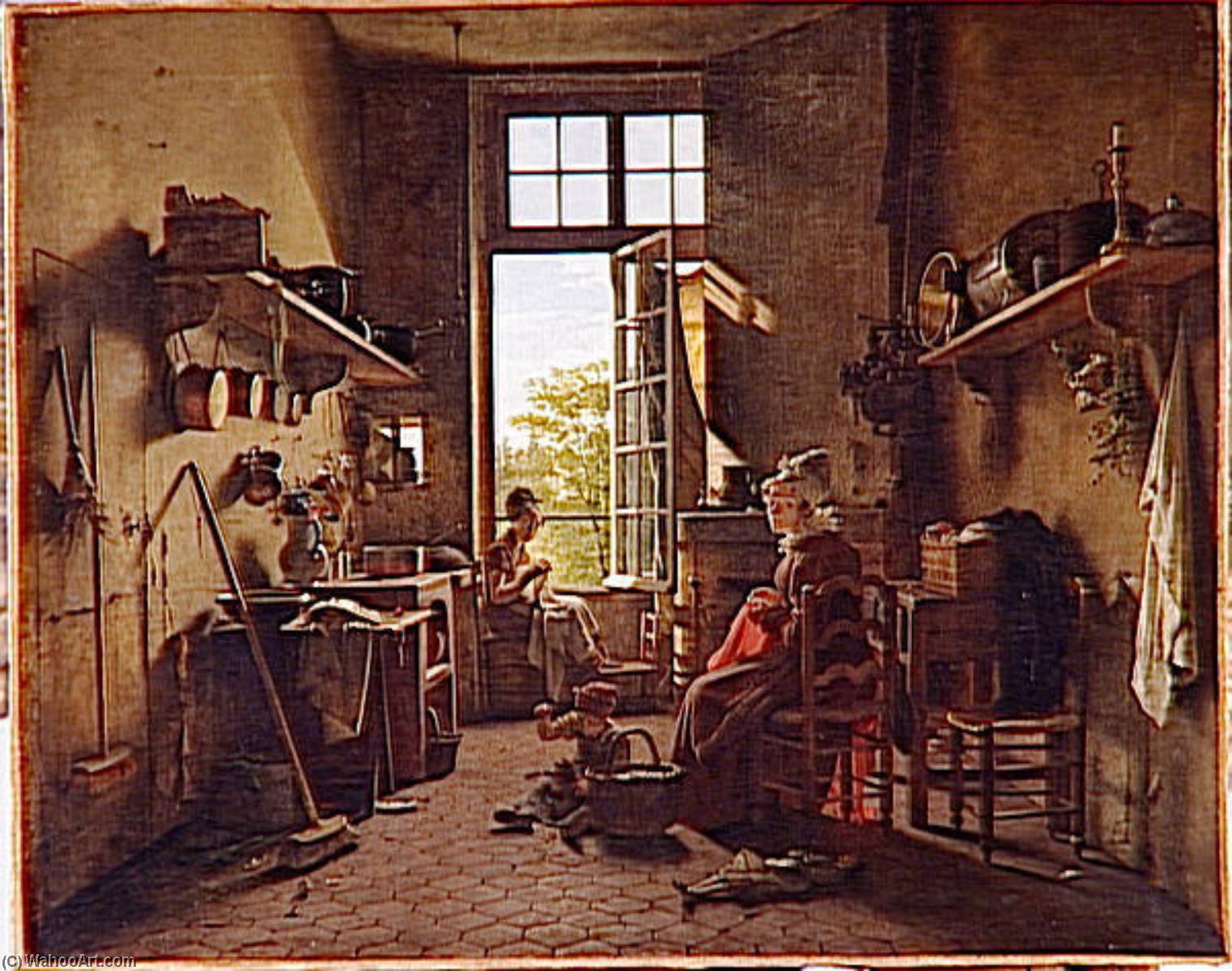
INTERIEUR D'UNE CUISINE


 Pročitaj više
Ručno rađena uljana reprodukcija
Ručno oslikano uljanim bojama na platnu u dimenzijama i okviru po vašem izboru, izrađeno po porudžbini od strane naših umetnika. ( Kupi print Kupi digitalnu sliku)




P118B $10

P118H $10

P118W $10

P438Z $10

P508JH $12

P508YH $12

P805H $10

P805Z $10

P919BZ $10

P919G $10

P919XJ $10

P959ZH $10

P968JZ $12

W106C $8

W218G $10

W218JH $8

W218Y $10

W307PJ $10

W316G $10

W316PJ $8

W316Y $10

W398PJ $8

W4111J $10

W500HY $15

W500JH $15

W692G $12

W849H $8

W940BG $15

W953PJ $8




Izaberite jednu od naših unapred definisanih veličina koje odgovaraju originalnim proporcijama umetničkog dela.

Можете унети сопствене димензије како бисте прилагодили дело одређеном оквиру или простору. Ако одабрана величина не одговара пропорцијама оригинала, слика ће бити исечена или проширена додатним елементима који се ручно насликавају. Дигитални prikaz ће вам бити послат на одобрење пре почетка производње.
Имајте на уму да преглед на екрану не одражава стварно исецање или проширење. Само приказ (mockup) ће тачно приказати коначну композицију.
Иако су доступне прилагођене величине, препоручујемо да одаберете димензију из дефинисане листе како бисте сачували оригиналне пропорције.
Nakon narudžbine, tim ArtsDot.com će klijentu putem e-pošte poslati uputstva i dostaviti prikaz predloženog rešenja
Isporuka širom sveta () za 3/4 nedelje umesto uobičajenih 5 nedelja. (7 септембар). Bez kompromisa po pitanju kvaliteta.

Besplatna ekspresna dostava širom sveta

Visokokvalitetno laneno platno

Kompletno osiguranje transporta

Garancija povraćaja carine i uvoznih dažbina

Garancija vernosti boja

Politika povraćaja u roku od 100 dana (isključivo u slučaju nedostataka)

Garancija povrata novca od 100%

Popust pri grupnoj kupovini
 Opcija sa staklom dostupna je samo za dimenzije manje od 110 cm

INTERIEUR D'UNE CUISINE
Tehnika reprodukcije
Dimenzije reprodukcije
-


Konačna cena
$ 288
A Window into the Soul of 19th-Century France
In the quiet corners of art history, certain works possess the unique ability to transcend their era, acting as temporal portals that invite us into a lost world. Michel Martin Drolling’s “Interior of Kitchen,” painted in 1815, is precisely such a masterpiece. It is far more than a mere depiction of a domestic space; it is a carefully orchestrated tableau that captures the very essence of early 19th-century French life. As we gaze upon this scene, we are drawn into a sanctuary of understated elegance and palpable warmth, where the boundaries between the industriousness of daily routine and the serene beauty of nature seem to dissolve.
The composition is masterfully anchored by an inviting open window, which serves as both a literal and symbolic focal point. Through this aperture, a tranquil landscape unfolds, offering a breath of fresh air that prevents the interior from feeling enclosed. This deliberate use of linear perspective guides the viewer’s eye through the room, past the heavy stoves and shelves laden with polished cookware, and out toward the horizon. It suggests a profound connection between the domestic sphere and the wider world, hinting at a life lived in harmony with the rhythms of the natural environment.
The Artistry of Light, Texture, and Tone
Drolling’s technical prowess is on full display through his exquisite command of the Neoclassical style blended with burgeoning Romantic sensibilities. The artist employs a palette rooted in the comforting embrace of earthy tones—rich browns, deep ochres, and sun-drenched yellows—which imbue the kitchen with a sense of enduring solidity and age. These warm hues are punctuated by subtle, muted reds and greens found within the clothing of the figures and decorative accents, adding layers of visual interest that evoke themes of fertility and domestic comfort.
For the discerning collector or interior designer, the tactile quality of this work is perhaps its most captivating feature. Drolling’s meticulous attention to detail allows the viewer to almost feel the textures within the frame: the rugged, honest surface of the stone flooring, the smooth, reflective sheen of metal utensils, and the soft, heavy folds of fabric. Through masterful blending techniques, he achieves a luminous effect, capturing the way natural light streams through the window to cast soft, diffused shadows across the room. This interplay of light and shadow creates an atmosphere of serene tranquility, making the painting an ideal centerpiece for spaces seeking to evoke a sense of peace and historical depth.
A Legacy of Family and Tradition
Beyond its aesthetic brilliance, “Interior of Kitchen” carries a profound emotional weight. The presence of the figures—a seated woman and a standing child—introduces a narrative of continuity and familial devotion. In an era of significant social transformation, Drolling captures a moment of stillness that celebrates the enduring values of home and tradition. The painting speaks to the evolving roles within the household, presenting the kitchen not merely as a place of labor, but as a heart of the home where generations connect.
Whether displayed in a grand gallery or as a sophisticated reproduction in a contemporary living space, this artwork offers an unparalleled opportunity for inspiration. It invites the observer to slow down, to appreciate the beauty in the mundane, and to surround themselves with a piece that radiates warmth, history, and a timeless sense of grace.
Srodna umetnička dela
Biografija umetnika
Michel Martin Drolling: A Life in Neoclassical Art
Early Life and Education
Michel Martin Drolling was born on March 7, 1786, in Paris, France. He came from an artistic family; his father, Martin Drolling, was also a painter. This familial influence sparked young Michel’s interest in art, and he began his training under his father's supervision. In 1806, he furthered his education by studying with the renowned Neoclassical artist Jacques-Louis David, a pivotal moment that shaped his artistic trajectory.The Prix de Rome and Early Career
Drolling’s talent quickly became apparent, culminating in his winning of the prestigious Prix de Rome in 1810. This award granted him a scholarship to study at the French Academy in Rome. His winning submission was “The Wrath of Achilles,” demonstrating his mastery of classical themes and techniques. After completing his studies in Rome, he returned to Paris and began establishing himself as a painter.Artistic Style and Major Works
Drolling’s paintings are characterized by the hallmarks of Neoclassicism: theatricality, bright colors, dramatic contrasts of light and shadow, and meticulous attention to detail. He excelled in both historical painting and portraiture. Some of his most significant works include:- “The Death of Abel” (1817) – This work brought him considerable recognition after its exhibition at the Salon.
- “The Lord Descends to Earth to Establish his Empire and Spread his Good Deeds” – A large-scale ceiling painting for the Room of Illustrious Men at the Louvre.
- “The States-General of Tours” (1836) and “The Convention of Alexandria” (1837) – Both commissioned for the Museum of History in the Palace of Versailles.
- “Jesus Among the Doctors” (1840) – Created for the Church of Our-Lady-of-Loretto in Paris.
Recognition and Influence
Drolling’s talent was widely acknowledged, leading to his election as a member of the Académie des Beaux-Arts in 1837. He was subsequently appointed a professor at the École Nationale Supérieure des Beaux-Arts, where he shared his knowledge and expertise with aspiring artists. His students included notable figures such as Paul Baudry, Jules Breton, Roger Fenton, and many others.Historical Significance and Legacy
Michel Martin Drolling represents a key figure in the transition from Neoclassicism to later 19th-century artistic styles. While firmly rooted in classical principles, his work also foreshadows some of the dramatic flair that would characterize Romanticism. His large-scale historical paintings contributed significantly to the visual narrative of French history and national identity during a period of political and social change. He died in Paris on January 9, 1851, leaving behind a legacy of skillfully executed and historically significant artworks.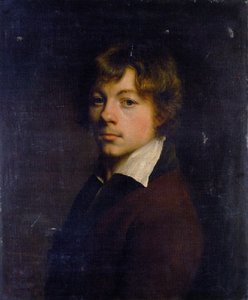
Michel Martin Drolling
1786 - 1851 , France
Osnovne informacije
- Birth Date: 1786
- Birth Place: Paris, France
- Death Date: 1851
- Influenced:
- Paul Baudry
- Victor Biennourry
- Jules Breton
- Theodor Aman
- Roger Fenton
- Influenced By: Jacques-Louis David
- Movement: Neoclassicism
- Name: Michel Martin Drolling
- Nationality: French
- Notable Works:
- The Wrath of Achilles
- Death of Abel
- Lord Descends to Earth
- States-General of Tours
- Convention of Alexandria
- Jesus Among the Doctors
Povezani članci
Преображај простора: Улога мурала у редефинисању кухиња и купатила – Естетика, материјали и трендови савременог дизајна
Претворите кухињу и купатило у инспиративне просторе уз мурале! Савети стручњака, трендови, материјали и професионална изведба. Остварите савршен дизајн ентеријера уз квалитет и креативност.
Henri Martin: A Synthesis of Impressionism & Symbolism in the French Landscape Tradition
Explore the captivating world of Henri Martin, a French Post-Impressionist bridging Impressionism & Symbolism. Discover his unique style, influential landscapes, and lasting legacy with ArtsDot.
Harmonizacija Kontrasta: Integracija Apstraktne Umetnosti u Klasične Enterijere za Vječnu Modernost
Откријте тајне хармонизовања класичних ентеријера и апстрактне уметности! Ексклузивни савети професионалних дизајнера за луксузан, безвременски стил. Инспиришите се и трансформишите ваш дом!
Harmonizing History & Hue: A Guide to Matching Art Styles with Interior Architecture for Balanced Décor
Elevate your interior design with our expert guide to harmonizing art styles & architecture. Discover timeless pieces, color palettes, & custom artwork solutions for balanced, luxury spaces. Expert advice included!
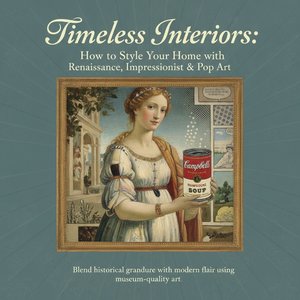
Beyond Ephemeral Trends: Cultivating Enduring Interior Aesthetics Through Renaissance Reverie, Impressionist Light, and Pop Art Vibrancy
Discover enduring interior aesthetics inspired by Renaissance artistry, Impressionist light & Pop Art vibrancy. Expert guidance for creating timeless, luxury homes. Explore art curation & design principles.