

 Pregledaj u prostoru
 Pošalji
 Podeli
 Detalji o delu

 Преузми
 Slični predmeti
 Rendgenski snimak
 Slajdovi
 Stats
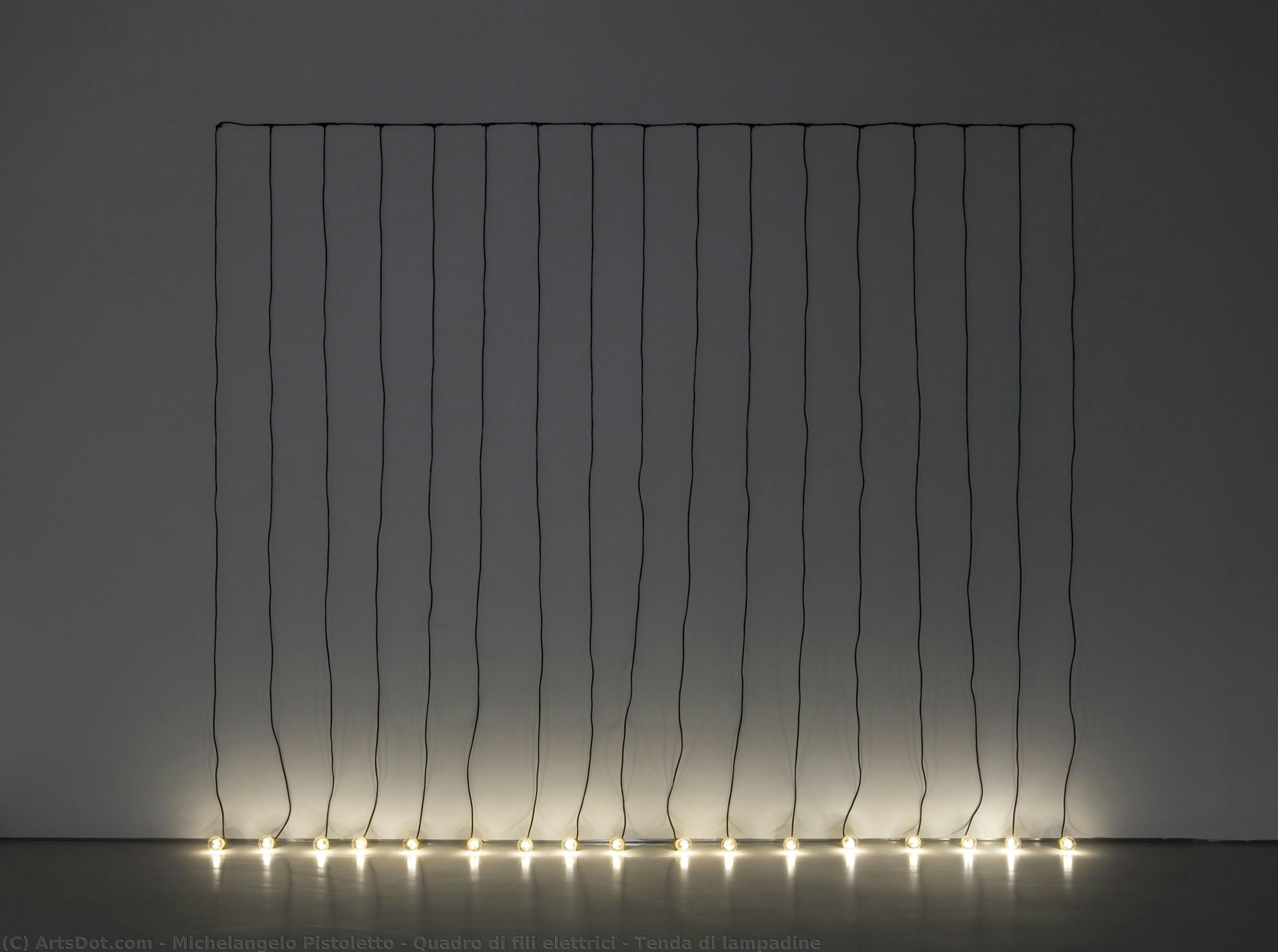
StatsQuadro di fili elettrici – Tenda di lampadine
 440.0 x 268.0 cm
 MAXXI Nacionalni muzej umetnosti XXI veka
 Pročitaj više
Ručno rađena uljana reprodukcija
Ručno oslikano uljanim bojama na platnu u dimenzijama i okviru po vašem izboru, izrađeno po porudžbini od strane naših umetnika. ( Switch to Print Switch to Digital Image)




































Izaberite jednu od naših unapred definisanih veličina koje odgovaraju originalnim proporcijama umetničkog dela.

Можете унети сопствене димензије како бисте прилагодили дело одређеном оквиру или простору. Ако одабрана величина не одговара пропорцијама оригинала, слика ће бити исечена или проширена додатним елементима који се ручно насликавају. Дигитални prikaz ће вам бити послат на одобрење пре почетка производње.
Имајте на уму да преглед на екрану не одражава стварно исецање или проширење. Само приказ (mockup) ће тачно приказати коначну композицију.
Иако су доступне прилагођене величине, препоручујемо да одаберете димензију из дефинисане листе како бисте сачували оригиналне пропорције.
Nakon narudžbine, tim ArtsDot.com će klijentu putem e-pošte poslati uputstva i dostaviti prikaz predloženog rešenja
Isporuka širom sveta () za 3/4 nedelje umesto uobičajenih 5 nedelja. (7 септембар). Bez kompromisa po pitanju kvaliteta.

Besplatna ekspresna dostava širom sveta

Visokokvalitetno laneno platno

Kompletno osiguranje transporta

Garancija povraćaja carine i uvoznih dažbina

Garancija vernosti boja

Politika povraćaja u roku od 100 dana (isključivo u slučaju nedostataka)

Garancija povrata novca od 100%

Popust pri grupnoj kupovini
 Opcija sa staklom dostupna je samo za dimenzije manje od 110 cm

Quadro di fili elettrici – Tenda di lampadine
Tehnika reprodukcije
Dimenzije reprodukcije
-


Konačna cena
$ 263
Srodna umetnička dela









Biografija umetnika
Michelangelo Pistoletto: A Life in Reflection
Early Life and Artistic Beginnings
- Born: 1933, Turin, Italy.
- Pistoletto’s early exposure to art came through his family's restoration workshop in Turin, where he worked from 1947 to 1958. This experience instilled a deep understanding of artistic techniques and materials.
- In the 1950s, he began creating figurative works and self-portraits, laying the foundation for his later explorations of identity and representation.
- He participated in the Biennale di San Marino in 1959 and held his first solo exhibition at Galleria Galatea in Turin in 1960.
The Development of a Unique Style
- In the early 1960s, Pistoletto began painting on monochrome metallic backgrounds, creating striking contrasts and exploring the relationship between image and surface.
- He innovatively combined painting with photography using collage techniques on reflective surfaces. This led to his signature Mirror Paintings, where he printed photorealistic images onto polished steel, blurring the boundaries between art and reality.
- The use of screen-printing allowed for a seamless integration of the viewer into the artwork, challenging traditional notions of artistic perspective.
Arte Povera and International Recognition
- Pistoletto became a leading figure in the Arte Povera movement, which emerged in Italy during the late 1960s. This movement emphasized the use of everyday materials and challenged conventional artistic values.
- His series Oggetti in meno (Minus Objects), created in 1965/66, marked his early foray into sculpture.
- He gained international recognition with a solo exhibition at the Walker Art Center in Minneapolis in 1966 and won first prize at the Biennale de São Paulo in 1967.
Performance, Action Art, and Social Engagement
- In the late 1960s, Pistoletto expanded his artistic practice to include performance, video art, and theatre.
- He founded the Zoo Group, an action art collective that staged performances in public spaces, aiming to unify art with everyday life.
- His work during this period reflected a growing social consciousness and a desire to engage directly with audiences.
- Notably, he withdrew from the Venice Biennale in 1968 as a protest against the political climate and societal norms.
Later Career and Progetto Arte
- In the 1970s, Pistoletto briefly stepped away from the art world to work as a ski instructor, seeking a different perspective on life.
- He continued to create sculptures and performance pieces throughout the following decades.
- In 1994, he launched Progetto Arte, an ambitious program aimed at integrating art into all aspects of human existence – from economics and politics to education and spirituality.
- He founded Cittadelarte – Fondazione Pistoletto in 1996, a multidisciplinary center dedicated to fostering creativity and innovation.
Legacy and Historical Significance
- Michelangelo Pistoletto’s work has had a profound impact on contemporary art, challenging traditional notions of representation, authorship, and the role of the artist.
- His Mirror Paintings remain iconic examples of Arte Povera, inviting viewers to reflect on their own place within the artwork and the world around them.
- Pistoletto’s commitment to social engagement and his vision for a more integrated society continue to inspire artists and thinkers today. He is considered one of Italy's most important living artists.
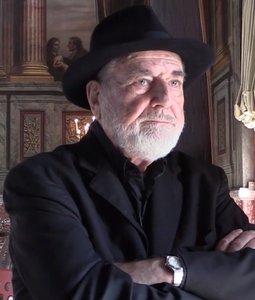
Michelangelo Pistoletto
1933 -
Osnovne informacije
- Birth Date: 1933
- Movement: Arte Povera
- Name: Michelangelo Pistoletto
- Nationality: Italian
- Notable Works:
- Venus of the Rags
- Mirror Paintings
- Oggetti in meno
- Muretto di stracci