

 Pregledaj u prostoru
 Pošalji
 Podeli
 Detalji o delu

 Преузми
 Slični predmeti
 Rendgenski snimak
 Slajdovi
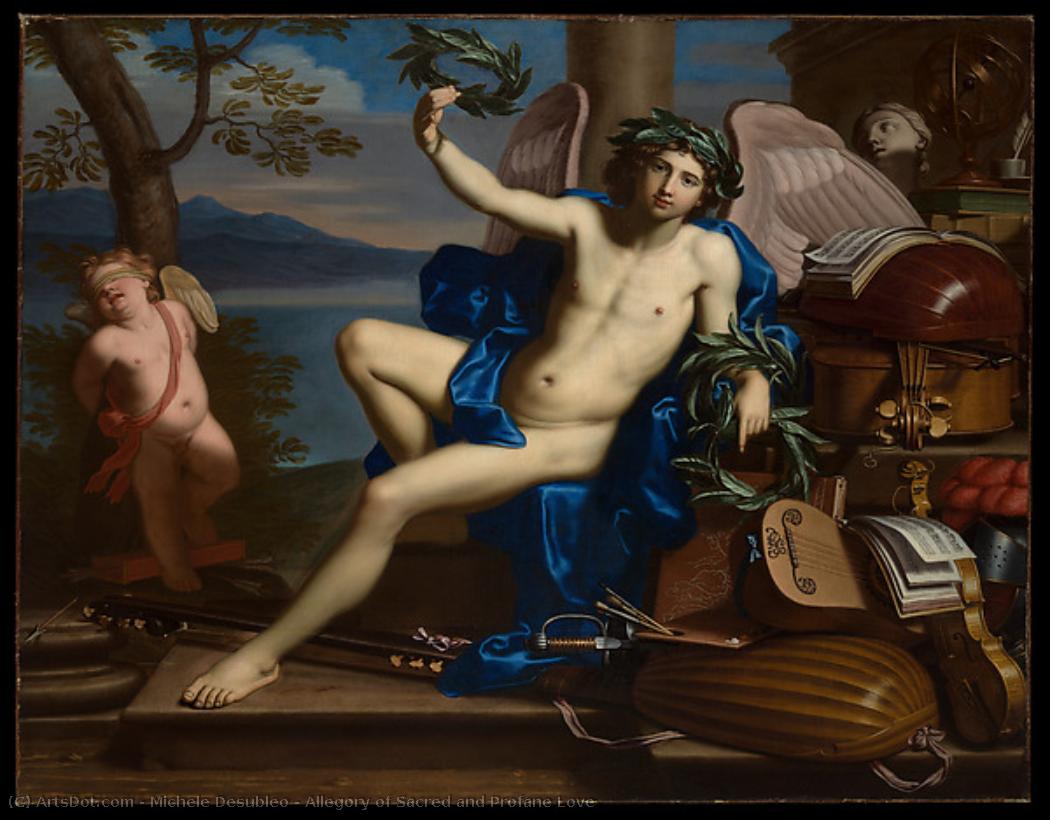
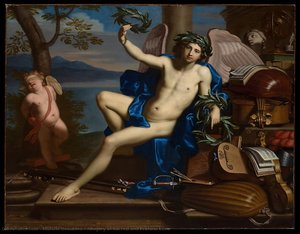
Аллегорија светих и нечистих страсти
 Ulje na platnu
- Umetnost za zidove
- Baroque
 1665
1665 150.0 x 194.0 cm
 Metropolitan Museum of Art
 Pročitaj više
Kupite digitalnu sliku visoke rezolucije i poboljšanog kvaliteta, koja je znatno superiornija od onoga što vidite u online prikazu.
Svaka datoteka je pedantno pripremljena od strane naših stručnjaka koristeći napredne alate i profesionalnu ručnu retušu. Osiguravamo da svaka slika ima izuzetnu oštrinu, preciznu reprodukciju boja i fine detalje.
Konačna datoteka se dostavlja putem e-pošte u roku od 72 sata, optimizovana za neposrednu upotrebu u profesionalnim, izdavačkim i štamparskim okruženjima. To je isti kvalitet kojem veruju vrhunski studiji dizajna, izdavači i galerije.
Digitalna slika
Preuzmite datoteku visoke rezolucije za ličnu upotrebu, štampanje i kreativne projekte. ( Kupi print Kupi ručno naslikanu sliku)
Uključeno uz svaku porudžbinu digitalne slike
Profesionalna digitalna isporuka, zagarantovana
Kada odaberete ArtsDot.com, ne dobijate samo sliku – vi primate profesionalno unapređeno digitalno umetničko delo, izrađeno sa najvećom preciznošću i uz garanciju zadovoljstva. Evo svega što automatski dolazi uz vašu porudžbinu:

Brza dostava putem e-pošte
Vaša digitalna slika visoke rezolucije biće vam poslata putem e-pošte u roku od 72 sata od poručivanja – spremna za trenutnu upotrebu.

Digitalna datoteka unapređena veštačkom inteligencijom
Vaše umetničko delo je profesionalno optimizovano korišćenjem naprednih AI alata i ručne obrade, čime se osiguravaju maksimalni detalji, oštrina i preciznost boja.

Besplatna ponovna isporuka doživotno
Slučajno ste obrisali ili izgubili svoju datoteku? Ne brinite – poslaćemo vam je ponovo u bilo kom trenutku, potpuno besplatno.

Bez troškova uvoza – zauvek
Uživajte u svojim umetničkim delima trenutno, bez carine, dažbina ili troškova dostave – digitalni download je uvek bez poreza.

Garancija vernosti boja
Uz pomoć profesionalnih alata i upravljanja bojama, osiguravamo da vaša digitalna slika što vernije odražava originalne boje.

Garancija zadovoljstva u roku od 60 dana
Ako niste zadovoljni svojom digitalnom slikom, revidirat ćemo je ili vratiti 100% novca u roku od 60 dana – bez ikakvih pitanja.

100% garancija povrata novca
Niste zadovoljni? Obezbedite pun povrat novca u roku od 60 dana od trenutka kada ste primili svoju digitalnu datoteku – bez suvišnih pitanja.

Popusti na velike porudžbine
Kupite 3 slike, uštedite 10% - Kupite 5 slika, uštedite 15% - Kupite 10+ slika, uštedite 20%. Odlično za kreativne projekte, galerije i agencije.
Opis kolekcionarskog dela
Allegory of Sacred and Profane Love – A Flemish Masterpiece
Michele Desubleo’s “Allegory of Sacred and Profane Love” stands as a testament to the Baroque artistic spirit, embodying its dramatic flair and meticulous attention to detail. Painted in 1665-75, this monumental canvas showcases the culmination of Desubleo's training under Guido Reni – a partnership that fused sensual realism with humanist ideals—and it’s considered one of his finest achievements. Located currently at Palazzo Spinola in Genoa, Italy, the artwork immediately captivates viewers with its opulent composition and layered symbolism.The Artist’s Vision: Combining Influences
Michele Desubleo (1602–1676), born in Maubege—then part of the Spanish Netherlands—was a Flemish Baroque visionary whose artistic journey began within Abraham Janssens van Nuyssen's workshop, fostering a profound understanding of Flemish painting traditions. Recognizing Rome’s burgeoning artistic dynamism, he relocated there around 1625 and immersed himself in the creative fervor surrounding Guido Reni, absorbing his masterful approach to portraying human form and elevating it with a breathtaking still life element. This deliberate blending of styles underscores Desubleo's intellectual engagement with humanist philosophy—a pursuit of balance between earthly pleasures and moral virtue—reflecting the prevailing worldview of his time.A Symphony of Symbolism: Figures and Objects
The painting depicts Cupid, the Greek god of love, seated upon a bench amidst a meticulously arranged landscape featuring distant mountains. This central figure is accompanied by two angels – one positioned to the left and another further back on the right—representing divine grace and spiritual contemplation. Notably, there’s also a nude woman standing near Cupid's bench, symbolizing purity and receptivity to love’s influence. However, it’s the still life component that truly elevates the artwork’s complexity. Scattered throughout are instruments of musical artistry – violins, cellos – alongside painter’s palette fragments, sculptures’ remnants, and armor pieces—each carefully chosen to convey ideas related to intellect, beauty, and martial prowess. These objects serve as visual metaphors for cultivating a harmonious life enriched by both artistic creativity and noble pursuits.Technique and Artistic Detail
Desubleo's masterful technique is evident in the rich textures achieved through oil paint on canvas. The artist skillfully captures light and shadow, creating depth and dimensionality that draws the viewer into the scene. Precise brushstrokes contribute to a sense of realism while simultaneously conveying an emotional intensity characteristic of Baroque art. The meticulous rendering of Cupid’s pose and facial expression—combined with the delicate depiction of the musical instruments and still life elements—demonstrates Desubleo's dedication to artistic excellence and his ability to communicate profound ideas through visual imagery.Emotional Resonance: A Reflection of Human Experience
“Allegory of Sacred and Profane Love” transcends mere representation; it invites contemplation on the fundamental questions of human existence. The painting speaks to the duality inherent in life—the allure of sensual pleasure alongside the importance of moral virtue—a theme central to Renaissance humanist thought. It encourages viewers to strive for balance, beauty, and intellectual enrichment – aspirations that continue to resonate powerfully with audiences today. This artwork remains a captivating example of Baroque artistry, offering an enduring glimpse into the artistic sensibilities of its era.Srodna umetnička dela



Biografija umetnika
The Flemish Visionary of the Italian Baroque
In the grand, dramatic tapestry of the seventeenth century, few threads are as intriguing as that of Michele Desubleo. A painter who bridged the gap between the meticulous traditions of Flanders and the emotive splendor of Italy, Desubleo embodied the very essence of the Baroque era. Born around 1601 or 1602 in Maubeuge, within the Spanish Netherlands, his early life was rooted in a landscape of profound artistic discipline. It is believed that he honed his foundational skills in the workshop of Abraham Janssens van Nuyssen, working alongside his stepbrother, the celebrated Nicolas Régnier. This Flemish upbringing provided him with a rigorous command of texture, light, and anatomical precision—tools that would later allow him to navigate the complex emotional landscapes of the Italian masters.
The trajectory of Desublean art changed irrevocably when he migrated toward the sun-drenched centers of Italian creativity. Arriving in Rome around 1625, he found himself immersed in a city where the echoes of the Renaissance were being transformed into the theatrical intensity of the Baroque. It was here that his talent met its most profound catalyst: the workshop of Guido Reni. Under Reni’s tutelage, Desubleo moved beyond mere technical proficiency to embrace an idealized beauty and a sophisticated use of chiaroscuro. This period of intense study allowed him to synthesize the robust, tactile qualities of his Northern heritage with the graceful, lyrical compositions characteristic of the Bolognese school.
A Journey Through Light and Devotion
As Desubleo’s career progressed, his presence moved across the Italian peninsula like a shadow cast by flickering candlelight, leaving behind works in Venice, Florence, Bologna, and Genoa. His ability to adapt to different regional aesthetics made him a versatile force in the art market of the 1600s. In the Veneto region, he spent much of the 1650s, while his later years saw him establishing a significant legacy in Parma. His work often functioned as a bridge between the sacred and the secular, capable of conveying both the divine ecstasy of a saint and the complex allegories of human virtue.
The technical mastery evident in his most famous compositions reveals a deep understanding of dramatic tension. Consider the following hallmarks of his mature style:
- Dramatic Chiaroscuro: The masterful use of extreme light and shadow to sculpt figures and create a sense of three-dimensional presence.
- Anatomical Grace: A lingering influence from Reni, seen in the fluid, muscular, yet idealized depiction of the human form.
- Narrative Intensity: An ability to capture pivotal biblical or mythological moments, such as the triumph in David with the Head of Goliath, through expressive gestures and rich textures.
- Allegorical Depth: The capacity to weave complex philosophical themes into single canvases, most notably seen in his explorations of Sacred and Profane Love.
Legacy and Historical Significance
Though history occasionally obscures the names of those who worked within the shadows of giants like Reni or Régnier, Desubleo’s contribution remains vital to our understanding of the Baroque's international character. He was not merely a student of Italian trends but an active participant in their evolution, bringing a Northern sensibility to the Mediterranean palette. His later works in Parma, including monumental altarpieces for the cathedral, stand as testaments to his enduring devotion to religious iconography and his ability to inspire awe in the faithful.
When he passed away in Parma in 1676, he left behind a body of work that serves as a historical record of an era defined by movement, emotion, and light. To study Michele Desubleo is to witness the beautiful collision of two worlds—the disciplined precision of Flanders meeting the soaring, dramatic spirit of Italy—resulting in a visual language that continues to captivate the modern eye.
michele desubleo
1602 - 1676
Kratke činjenice
- Artistic Movement Or Style: Baroque
- Artists Or Movements Influenced By This Artist: ['Renaissance']
- Artists Who Influenced This Artist: ['Guido Reni']
- Date Of Birth: 1602
- Date Of Death: 1676
- Full Name: Michele Desubleo
- Nationality: Flemish
- Notable Artworks:
- David with Goliath
- Allegory of Sacred and Profane Love
- Place Of Birth: Maubege

