

 Pregledaj u prostoru
 Pošalji
 Podeli
 Detalji o delu

 Преузми
 Slični predmeti
 Rendgenski snimak
 Slajdovi
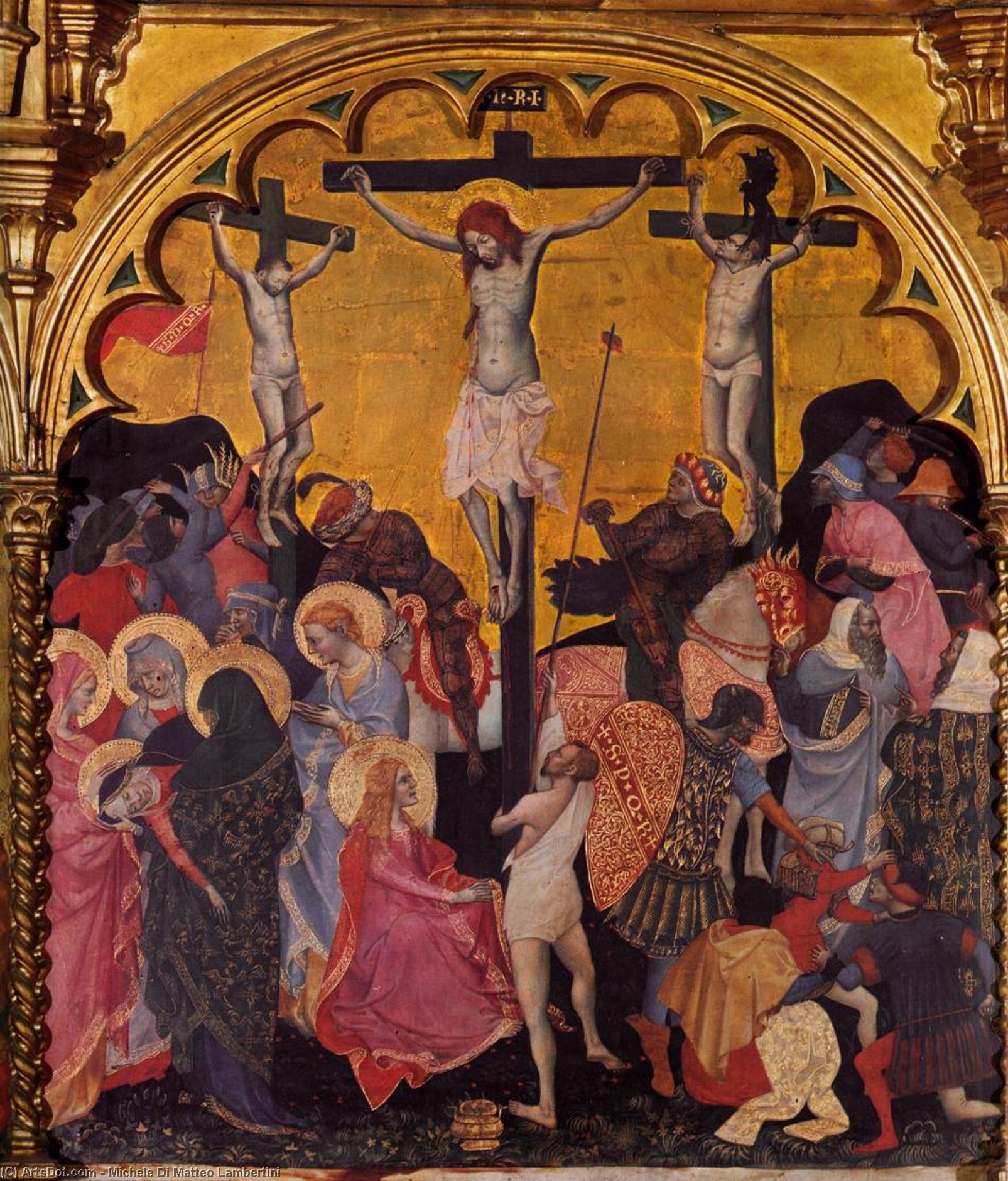
Polyptych of Sant'Elena (detail)
 Tempera On Panel
- Late Gothic
 1427
1427- Late Medieval
 114.0 x 66.0 cm
 Galerije Akademija u Veneciji
 Pročitaj više
Giclee štampa / Umetnički otisak
Giclée štampa ili print na platnu muzejskog kvaliteta uz brzu proizvodnju i fleksibilne opcije završne obrade. ( Kupi ručno naslikanu sliku Kupi digitalnu sliku)




P118B $10

P118H $10

P118W $10

P438Z $10

P508JH $12

P508YH $12

P805H $10

P805Z $10

P919BZ $10

P919G $10

P919XJ $10

P959ZH $10

P968JZ $12

W106C $8

W218G $10

W218JH $8

W218Y $10

W307PJ $10

W316G $10

W316PJ $8

W316Y $10

W398PJ $8

W4111J $10

W500HY $15

W500JH $15

W692G $12

W849H $8

W940BG $15

W953PJ $8




Izaberite jednu od naših unapred definisanih veličina koje odgovaraju originalnim proporcijama umetničkog dela.

Možete uneti sopstvene dimenzije kako biste umetničko delo prilagodili specifičnom okviru ili prostoru. Ako odabrani format ne odgovara proporcijama originalne slike, mi ćemo ili iscrtati deo dela ili proširiti sliku pomoću ogledane ivice ili jednobojnog popunjavanja. Digitalni prikaz će vam biti poslat na odobrenje pre početka proizvodnje.
Imajte na umu da pregled na ekranu ne odražava stvarno iscrtavanje ili proširivanje. Samo će prikaz (mockup) precizno pokazati finalnu kompoziciju.
Iako su prilagođene dimenzije dostupne, preporučujemo da odaberete dimenziju sa unapred definisane liste kako biste očuvali originalne proporcije.
Dostava širom sveta () za 2 nedelje umesto uobičajenih 4/5 nedelja. (24 август)

Besplatna ekspresna dostava širom sveta

Visokokvalitetno laneno platno

Kompletno osiguranje transporta

Garancija povraćaja carine i uvoznih dažbina

Garancija vernosti boja

Politika povrata u roku od 60 dana (samo u slučaju nedostataka)

Garancija povrata novca od 100%

Popust pri grupnoj kupovini
 Opcija sa staklom dostupna je samo za dimenzije manje od 110 cm

Polyptych of Sant'Elena (detail)
Giclee štampa / Umetnički otisak
Dimenzije reprodukcije
-


Konačna cena
$ 62
Opis predmeta
A Divine Drama in Gold: The Polyptych of Sant'Elena
In the quiet contemplation of late Gothic mastery, few works capture the profound tension between the earthly and the divine as exquisitely as the Polyptych of Sant'ancela (detail). Painted in 1427 by the Bolognese master Michele di Matteo Lambertini, this fragment invites the viewer into a sacred moment of unparalleled intensity. At its heart lies the Crucifixion, a scene where the weight of human suffering meets the brilliance of celestial glory. The composition is anchored by the figure of Jesus on the cross, yet it is the surrounding tapestry of life that breathes movement into the frame. Fourteen figures populate this holy landscape, their gazes ranging from pious devotion to worldly distraction, creating a rhythmic dance of eyes and gestures that draws the observer deep into the narrative of the Passion.
The visual language of Lambertini is one of breathtaking opulence and meticulous detail. Set against a shimmering, gold-colored background, the scene transcends the physical realm, suggesting that this event is not merely a historical occurrence but an eternal truth. This use of gold leaf serves a dual purpose: it provides a sense of incomparable grandeur suitable for an altarpiece, while simultaneously acting as a divine light source that illuminates the faces and garments of the onlookers. The technique reflects the pinnacle of the International Gothic style, where fine linework and delicate transitions in color create a sense of depth despite the flattened, decorative nature of the gilded ground. Even the subtle presence of horses in the background adds a layer of narrative realism, grounding the spiritual event within a recognizable, albeit sanctified, world.
Symbolism and the Art of Devotion
To gaze upon this detail is to engage with a complex web of religious symbolism designed to stir the soul. The arrangement of the figures—some clustered in grief, others lost in quiet conversation—mirrors the multifaceted nature of human response to tragedy and divinity. The contrast between the stillness of the central figure on the cross and the dynamic energy of the crowd creates a powerful emotional resonance. For the collector or the interior designer, this piece offers more than mere decoration; it provides a focal point of profound historical weight. It is an invitation to reflect on themes of sacrifice, faith, and the enduring human condition.
Integrating a high-quality reproduction of such a masterpiece into a contemporary space allows for a sophisticated dialogue between eras. Whether placed in a grand hall or a curated study, the Polyptych of Sant'Elena brings an atmosphere of timeless elegance and intellectual depth. The warmth of the gold tones and the intricate storytelling within the brushstrokes offer a rich texture that complements both classical and modern aesthetics, making it an incomparable choice for those who seek to surround themselves with art that speaks of history, beauty, and the eternal.
Srodna umetnička dela
![Scenes From The Passion Of Christ: The Crucifixion [middle Panel] — Andrea Di Vanni D'andrea](/media/artworks/images-thumb/ce/e7/cee771fe9e20855b080719236a5b12e6.jpg)
Biografija umetnika
Michele di Matteo Lambertini: A Bolognese Voice in Late Gothic Art
Michele di Matteo Lambertini (circa 1410 – living), often referred to as da bologna or lambertini, stands as a significant figure within the artistic landscape of late gothic Bologna. His contribution to the city’s visual culture is marked by ambitious fresco cycles and meticulously crafted altar panels that reflect both stylistic trends and humanist ideals emerging during his lifetime. While scholarly debate persists regarding his precise place amongst Bolognese painters—particularly distinguishing him from Michelangelo da Bergamo—Lambertini undeniably possessed a distinctive artistic vision, shaping the aesthetic sensibilities of his era.Early Life and Artistic Training
Information concerning Lambertini’s formative years remains scarce, primarily due to the limitations of surviving biographical records. He emerged as an artist during the vibrant intellectual milieu fostered by Bologna's university and papal presence. Evidence suggests he apprenticed under Francesco Lola, a renowned fresco painter known for his involvement in monumental projects celebrating papal authority. This collaboration instilled in Lambertini foundational skills in pigment preparation, mural technique, and compositional design—elements that would characterize his subsequent artistic endeavors.Notable Commissions and Artistic Output
Lambertini’s career gained prominence through prestigious commissions undertaken during the episcopacy of Cardinal Jean Bilheres. He undertook a monumental task decorating the basilica san petronio with frescoes depicting scenes from the life of Saint Peter, demonstrating mastery in portraying biblical narratives with dramatic intensity and nuanced detail. Simultaneously, he collaborated on the church of san giacomo, designing elaborate windows adorned with intricate stained glass panels—a testament to his understanding of visual storytelling and artistic innovation. Perhaps Lambertini’s most enduring legacy resides in his altar-piece for the chiesa di sant'elena, Venice. Executed around 1462, this artwork showcases a masterful blend of Byzantine influences and emerging Renaissance sensibilities. The depiction of saints john, mark, roch, and anthony abbot embodies serene piety and conveys profound spiritual contemplation—a hallmark of humanist artistic expression. Furthermore, his Virgin and Child panel (1469), housed in the Accademia di Bologna, exemplifies Lambertini’s meticulous attention to anatomical accuracy and expressive drapery—characteristics that foreshadow developments within Bolognese painting during the transitional period between gothic and renaissance styles.Influence and Legacy
Lambertini's work exerted considerable influence on subsequent generations of Bolognese artists. Crowe and Cavalcaselle, prominent art historians of the early 20th century, acknowledged Lambertini’s artistic prowess but controversially dismissed his paintings as “ugly,” “injured,” and “defective.” Despite these critical assessments, Lambertini remains recognized for his contribution to the visual arts—particularly his role in shaping Bolognese artistic identity. His polyptych depicting St Helena and the Virgin Mary (1430-1437), commissioned for the church of sant’elena, Venice, exemplifies the stylistic sophistication achieved during this period. The Museo Nazionale di San Matteo houses a remarkable collection of Lambertini's paintings, offering visitors an opportunity to appreciate his artistic achievements firsthand. Lambertini’s oeuvre continues to inspire scholars and artists alike—underscoring the enduring significance of his contribution to Bolognese art history and demonstrating the lasting impact of late gothic aesthetics on Italian Renaissance painting.
Osnovne informacije
- Artistic Movement Or Style: Late Gothic
- Artists Or Movements Influenced By This Artist: ['Michelangelo da Bergamo']
- Artists Who Influenced This Artist: ['Francesco Lola']
- Date Of Death: Living
- Full Name: Michele di Matteo Lambertini
- Nationality: Italian
- Notable Artworks:
- Polyptych of Sant'Elena
- St Mark
- Virgin and Child
- Twelve Articles of the Apostles Creed
- Cristo Crucifisso
- Place Of Birth: Italy
Povezani članci

The Radiant Dusk of Medieval Vision: Exploring Late Gothic Art's Synthesis of Faith, Form & Emotionality (c. 1300-1500)
Explore the exquisite beauty & spiritual depth of Late Gothic art (c. 1300-1500). Discover key artists, symbolism, and its lasting influence on the Renaissance. Expert insights at ArtsDot.
Late Medieval Masterpieces: 10 Artworks That Defined an Era | ArtsDot
Journey through 10 defining Late Medieval masterpieces – from Giotto's frescoes to Jan van Eyck’s realism. Explore the stories, techniques & vibrant colors of Gothic art. Find museum-quality reproductions and elevate your home decor with ArtsDot.com! Discover all masterpieces on ArtsDot.com
The Allure of Gold in Art History: Symbolism, Technique & Cultural Significance
Explore the rich history of gold in art! Discover symbolism, techniques & cultural significance from ancient civilizations to Klimt's masterpieces. Expert insights for collectors at ArtsDot.
Golden Glow: How to Use Metallic Gold Artworks to Elevate Your Home Decor with Timeless Luxury
Discover how to elevate your home with the timeless elegance of metallic gold artworks. From sculptural metal pieces to gilded oil paintings, learn expert interior design tips for integrating luxurious gold accents into your space with sophistication and grace.
Beyond Borders: The Spiritual & Stylistic Innovations of International Gothic Art
Explore the exquisite beauty & spiritual depth of International Gothic art. Discover key artists like Simone Martini & Pol de Limbourg, its origins, symbolism, and lasting influence on European painting. Expert insights at ArtsDot.

