 Pregledaj u prostoru
 Pošalji
 Podeli
 Detalji o delu

 Преузми
 Slični predmeti
 Rendgenski snimak
 Slajdovi
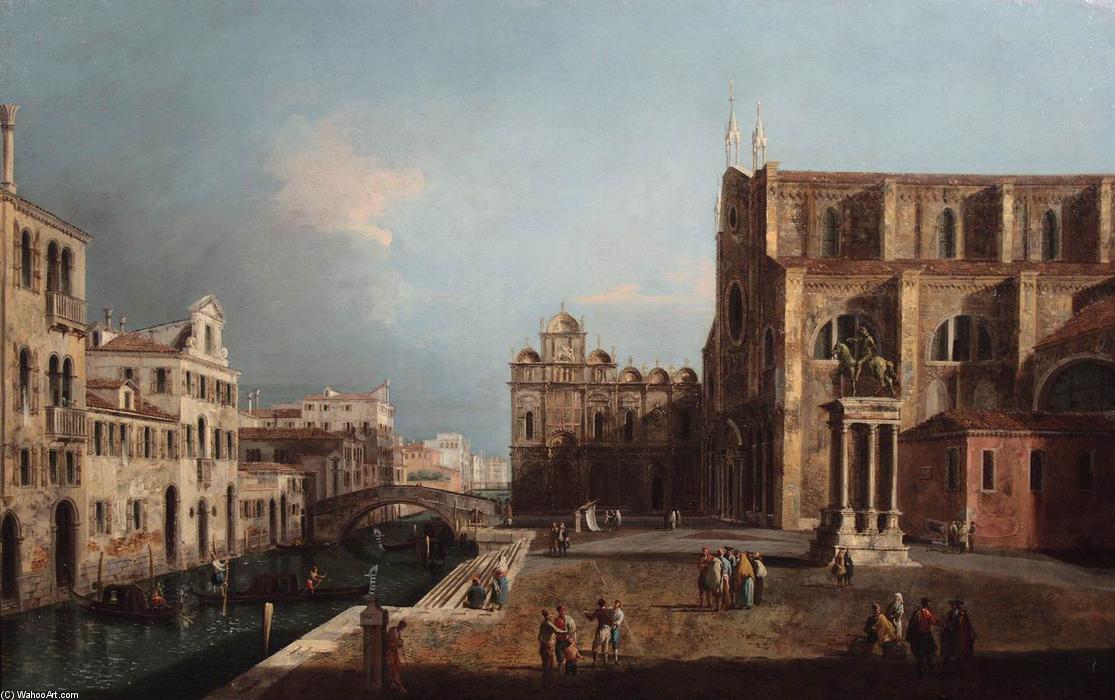
View of Campo SS. Giovanni e Paolo, Venice
 62.0 x 98.0 cm
 Pročitaj više
Giclee štampa / Umetnički otisak
Giclée štampa ili print na platnu muzejskog kvaliteta uz brzu proizvodnju i fleksibilne opcije završne obrade. ( Kupi ručno naslikanu sliku Kupi digitalnu sliku)




































Izaberite jednu od naših unapred definisanih veličina koje odgovaraju originalnim proporcijama umetničkog dela.

Možete uneti sopstvene dimenzije kako biste umetničko delo prilagodili specifičnom okviru ili prostoru. Ako odabrani format ne odgovara proporcijama originalne slike, mi ćemo ili iscrtati deo dela ili proširiti sliku pomoću ogledane ivice ili jednobojnog popunjavanja. Digitalni prikaz će vam biti poslat na odobrenje pre početka proizvodnje.
Imajte na umu da pregled na ekranu ne odražava stvarno iscrtavanje ili proširivanje. Samo će prikaz (mockup) precizno pokazati finalnu kompoziciju.
Iako su prilagođene dimenzije dostupne, preporučujemo da odaberete dimenziju sa unapred definisane liste kako biste očuvali originalne proporcije.
Dostava širom sveta () za 2 nedelje umesto uobičajenih 4/5 nedelja. (26 август)

Besplatna ekspresna dostava širom sveta

Visokokvalitetno laneno platno

Kompletno osiguranje transporta

Garancija povraćaja carine i uvoznih dažbina

Garancija vernosti boja

Politika povrata u roku od 60 dana (samo u slučaju nedostataka)

Garancija povrata novca od 100%

Popust pri grupnoj kupovini
 Opcija sa staklom dostupna je samo za dimenzije manje od 110 cm

View of Campo SS. Giovanni e Paolo, Venice
Giclee štampa / Umetnički otisak
Dimenzije reprodukcije
-


Konačna cena
$ 62
Srodna umetnička dela
Biografija umetnika
The Venetian Visionary: The Life and Legacy of Michele Marieschi
In the golden age of the Venetian Rococo, few artists captured the ephemeral magic of the Serenissima with as much vitality as Michele Giovanni Marieschi. Born in Venice in 1710, Marieschi emerged from a lineage of craftsmanship, being the son of a woodcarver—a background that likely instilled in him a profound respect for structure, texture, and the physical essence of the objects he depicted. While his life was relatively brief, spanning only until his death in early 1744, his impact on the veduta tradition remains indelible. He did not merely document the architecture of Venice; he breathed life into its stone and water, transforming static cityscapes into breathing, luminous narratives of light and movement.
The development of Marieschi’s unique style was deeply rooted in the artistic currents flowing through 18th-century Italy. Scholars often point to the influence of masters such as Gaspare Diziani and the legendary Canaletto, whose works provided a blueprint for capturing the grandeur of urban environments. However, where Canaletto sought a certain topographical precision and a more restrained, classical clarity, Marieschi found his voice in a bolder, more emotive approach. He embraced a palette that pulsed with color and a brushwork that felt spontaneous and energetic. This stylistic distinction allowed him to move beyond mere architectural recording, infusing his landscapes with a sense of theatricality and atmosphere that suggested the very pulse of Venetian life.
Mastery of Light and the Veduta Tradition
Marieschi’s contribution to the veduta—the genre of highly detailed, large-scale topographical paintings—is characterized by an extraordinary command of perspective and light. His works often feature iconic landmarks such as the Grand Canal, the Salute, and various majestic palaces, yet they are far from being mere postcards of the era. Instead, he utilized a technique that blended meticulous detail with imaginative embellishment, creating scenes that felt both real and dreamlike. Through his eyes, the water of the canals becomes a mirror for the shifting sky, and the shadows cast by ancient churches become vessels for mystery and depth.
His technical prowess is perhaps most evident in his ability to manipulate light to evoke specific moods:
- Atmospheric Perspective: The use of soft, hazy tones to create a sense of immense distance and scale within his cityscapes.
- Dynamic Brushwork: A lively application of paint that captures the shimmering reflections on the Venetian lagoons.
- Architectural Grandeur: A profound understanding of structural geometry, allowing him to render complex facades with both accuracy and elegance.
Historical Significance and Artistic Resonance
The historical significance of Michele Marieschi lies in his ability to bridge the gap between the rigid documentation of the early 18th century and the more expressive, emotive landscapes that would follow. He was a pivotal figure in transitioning the Venetian view from a purely observational medium into an art form capable of conveying profound emotional resonance. His work serves as a vital window into a vanished world, preserving the splendor of Venice before the seismic shifts of the late 18th century altered its social and political landscape forever.
Today, Marieschi’s canvases continue to captivate collectors and historians alike. Whether it is the breathtaking view of the Grand Canal near the Salute or his more intimate architectural studies, his paintings remain masterclasses in the Rococo spirit. He remains a celebrated figure for those seeking to experience the vibrant energy, the luminous light, and the enduring elegance of a Venice that continues to haunt the collective imagination of the art world.
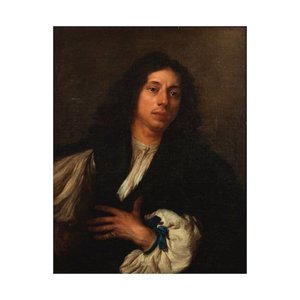
Michele Marieschi
1710 - 1743 , Italy
Osnovne informacije
- Artistic Movement Or Style: Vedute Venice
- Artists Or Movements Influenced By This Artist: ['Francesco Guardi']
- Artists Who Influenced This Artist:
- Marco Ricci
- Luca Carlevarijs
- Canaletto
- Date Of Birth: December 1710
- Full Name: Michele Giovanni Marieschi
- Nationality: Italian
- Notable Artworks:
- Capriccio with Classical Arch and Goats
- The Grand Canal with the Ca' Rezzonico and the Campo San Samuele
- Place Of Birth: Venice, Italy