

 Pregledaj u prostoru
 Pošalji
 Podeli
 Detalji o delu

 Преузми
 Slični predmeti
 Rendgenski snimak
 Slajdovi
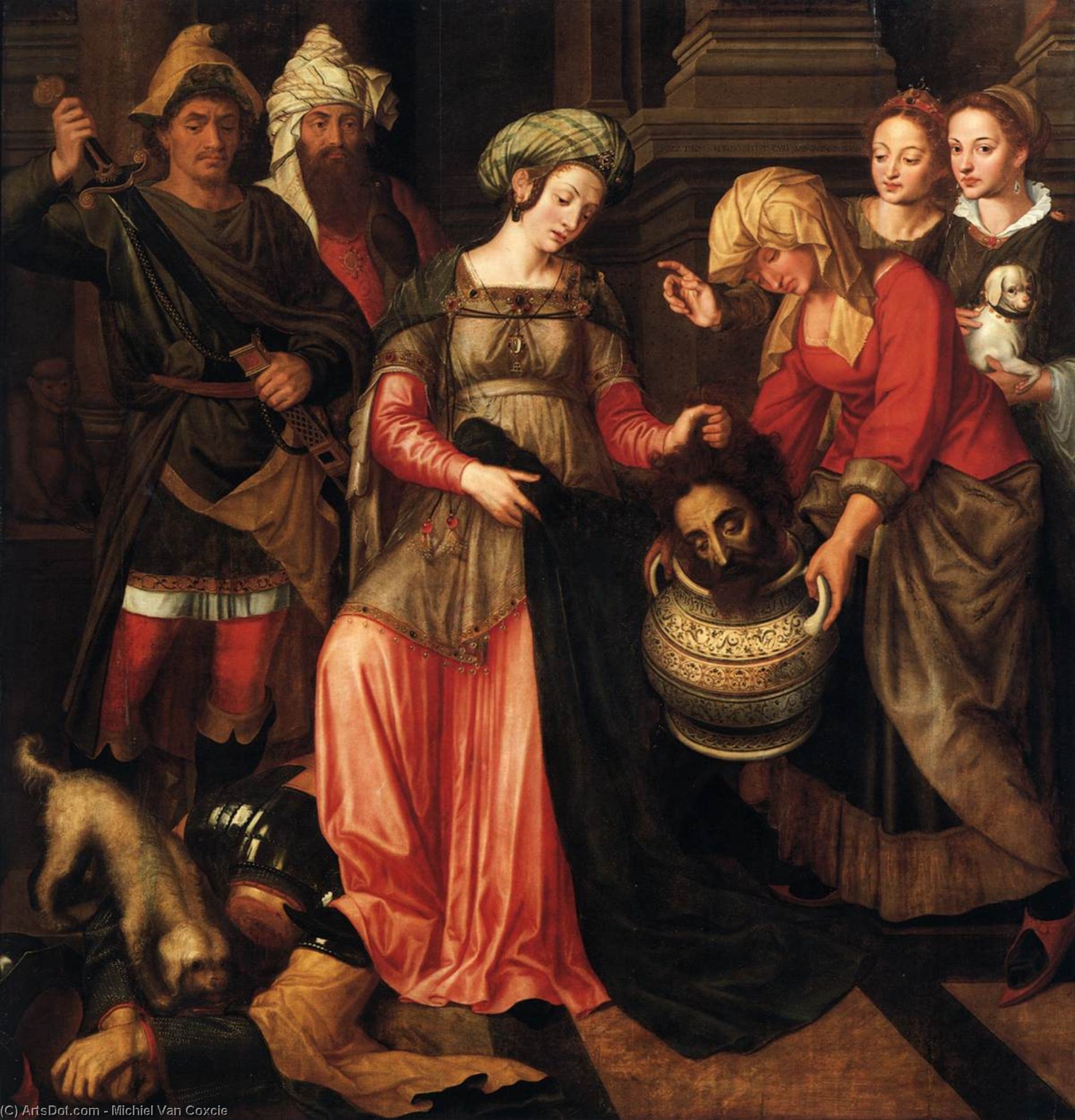
The Revenge of Tomyris
 Oil On Canvas
- WallArt
- Baroque
 1620
1620 185.0 x 175.0 cm
 Academy of Fine Arts Vienna
 Pročitaj više
Kupite digitalnu sliku visoke rezolucije i poboljšanog kvaliteta, koja je znatno superiornija od onoga što vidite u online prikazu.
Svaka datoteka je pedantno pripremljena od strane naših stručnjaka koristeći napredne alate i profesionalnu ručnu retušu. Osiguravamo da svaka slika ima izuzetnu oštrinu, preciznu reprodukciju boja i fine detalje.
Konačna datoteka se dostavlja putem e-pošte u roku od 72 sata, optimizovana za neposrednu upotrebu u profesionalnim, izdavačkim i štamparskim okruženjima. To je isti kvalitet kojem veruju vrhunski studiji dizajna, izdavači i galerije.
Digitalna slika
Preuzmite datoteku visoke rezolucije za ličnu upotrebu, štampanje i kreativne projekte. ( Kupi print Kupi ručno naslikanu sliku)
Uključeno uz svaku porudžbinu digitalne slike
Profesionalna digitalna isporuka, zagarantovana
Kada odaberete ArtsDot.com, ne dobijate samo sliku – vi primate profesionalno unapređeno digitalno umetničko delo, izrađeno sa najvećom preciznošću i uz garanciju zadovoljstva. Evo svega što automatski dolazi uz vašu porudžbinu:

Brza dostava putem e-pošte
Vaša digitalna slika visoke rezolucije biće vam poslata putem e-pošte u roku od 72 sata od poručivanja – spremna za trenutnu upotrebu.

Digitalna datoteka unapređena veštačkom inteligencijom
Vaše umetničko delo je profesionalno optimizovano korišćenjem naprednih AI alata i ručne obrade, čime se osiguravaju maksimalni detalji, oštrina i preciznost boja.

Besplatna ponovna isporuka doživotno
Slučajno ste obrisali ili izgubili svoju datoteku? Ne brinite – poslaćemo vam je ponovo u bilo kom trenutku, potpuno besplatno.

Bez troškova uvoza – zauvek
Uživajte u svojim umetničkim delima trenutno, bez carine, dažbina ili troškova dostave – digitalni download je uvek bez poreza.

Garancija vernosti boja
Uz pomoć profesionalnih alata i upravljanja bojama, osiguravamo da vaša digitalna slika što vernije odražava originalne boje.

Garancija zadovoljstva u roku od 60 dana
Ako niste zadovoljni svojom digitalnom slikom, revidirat ćemo je ili vratiti 100% novca u roku od 60 dana – bez ikakvih pitanja.

100% garancija povrata novca
Niste zadovoljni? Obezbedite pun povrat novca u roku od 60 dana od trenutka kada ste primili svoju digitalnu datoteku – bez suvišnih pitanja.

Popusti na velike porudžbine
Kupite 3 slike, uštedite 10% - Kupite 5 slika, uštedite 15% - Kupite 10+ slika, uštedite 20%. Odlično za kreativne projekte, galerije i agencije.
Opis kolekcionarskog dela
The Revenge of Tomyris: A Baroque Meditation on Mortality
- Artist: Michiel van Coxcie (1499-1592)
- Title: The Revenge of Tomyris
- Date: 1620
- Size: 185 x 175 cm
A Symphony of Light and Shadow: Technique and Style
- Baroque Mastery: The painting firmly establishes itself within the Baroque style, characterized by its dynamic composition, dramatic lighting (chiaroscuro), and expressive handling of form. Coxcie’s approach reflects a deliberate move away from the serene idealism of the High Renaissance, embracing instead a heightened sense of emotional intensity and theatricality.
- Oil on Canvas: Executed in oil paints on canvas, the technique showcases layers of meticulous brushwork that build up texture and create rich, luminous colors. The artist’s deliberate application of paint – visible in the textured surfaces – contributes significantly to the work's palpable sense of volume and depth.
- Perspective and Composition: While employing a somewhat flattened perspective typical of Baroque painting, Coxcie skillfully manipulates spatial relationships to draw the viewer into the scene. The figures are clustered together, creating an intimate and dramatic tableau that emphasizes their shared grief and contemplation.
Symbolism and Narrative
- The Skull: The central element – the skull within the vessel – is a potent symbol of death and judgment, a recurring motif in Baroque art reflecting anxieties about divine retribution and the inevitability of mortality. Its placement at the heart of the composition immediately establishes the painting’s thematic core.
- Gestures and Emotion: The figures themselves are rendered with expressive gestures and faces conveying sorrow, concern, and perhaps even a sense of righteous indignation. The woman in dark clothing, directing attention towards the skull, acts as a focal point, embodying leadership and grief.
- Dog at the Base: The inclusion of a dog lying at the base of the composition adds another layer of somber symbolism – often associated with loyalty, fidelity, and even mourning itself.
Historical Context and Emotional Impact
- Flemish Renaissance & Baroque Synthesis: Coxcie’s work exemplifies the transition from the Renaissance to the Baroque period in Flanders. While influenced by Italian masters, he retained a distinctly Flemish sensibility, prioritizing emotional depth and narrative clarity.
- Themes of Mortality and Justice: “The Revenge of Tomyris” taps into universal themes of death, grief, and justice – concerns that were particularly prevalent during the turbulent religious landscape of 17th-century Europe. The painting’s dramatic presentation invites viewers to contemplate their own mortality and the consequences of sin.
- Evocative Atmosphere: The warm color palette dominated by reds, browns, and golds, contrasted with cooler blues and greens, creates a visually arresting effect. The strong chiaroscuro further intensifies the emotional impact, drawing attention to key elements and amplifying the sense of drama and foreboding.
Srodna umetnička dela

Biografija umetnika
The Flemish Raphael: The Life and Legacy of Michiel van Coxcie
Michiel van Coxcie (1499–1592) remains one of the most compelling figures of the sixteenth century, a master whose brush bridged the profound spiritual traditions of Flanders with the monumental grandeur of the Italian Renaissance. Often celebrated by historians as the Feminine Raphael, Coxcie possessed a rare ability to synthesize the anatomical precision and classical balance of the South with the emotive, textured realism characteristic of his Northern roots. Born in Mechelen, Belgium, his life unfolded during an era of immense religious and artistic transformation, a period where the boundaries of European art were being redrawn by the influence of masters like Michelangelo and Raphael. His early training was deeply embedded in the Flemish tradition, learning under the watchful eyes of figures such as Jan Portaers and the legendary Pieter Bruegel the Elder. From these mentors, he inherited a devotion to meticulous detail and an unflinching approach to human emotion. Yet, Coxcie’s artistic soul yearned for something more expansive. His travels and studies allowed him to absorb the revolutionary advancements of the Italian masters, particularly the dramatic muscularity of Michelangelo and the harmonious compositions of Leonardo da Vinci. This unique fusion allowed him to create works that were not merely imitations of foreign styles, but a sophisticated evolution of his own heritage, characterized by figures that possess both breathtaking physical accuracy and a haunting psychological depth.A Versatile Master of Medium and Scale
The breadth of Coxcie’s talent was truly extraordinary, as he moved seamlessly between the delicate intimacy of portraiture and the overwhelming scale of monumental religious commissions. His versatility extended far beyond the canvas; he was equally adept at designing intricate tapestries and sculpting forms that commanded space. This polymathic approach allowed him to secure the patronage of some of the most powerful figures in Europe, including Maximilian I of Bavaria and Philip II of Spain. Such high-profile support ensured that his influence permeated the highest echelons of European courtly life, making him a central figure in the visual language of the era. His achievements are perhaps best exemplified by his contributions to the great cathedrals of the Low Countries. In the St. Michael and Gudula Cathedral in Brussels, his massive altarpieces stand as enduring testaments to his technical prowess, utilizing complex compositions to guide the viewer through sacred narratives. Furthermore, his work on the St. Rumbolds Cathedral tapestry—specifically his depiction of Adam and God—is regarded by scholars as a pinnacle of Renaissance textile art. In these works, one can observe the seamless integration of:- Anatomical Mastery: A profound understanding of the human form that brings a sense of weight and presence to every figure.
- Narrative Depth: The ability to weave complex theological themes into visually accessible and emotionally resonant scenes.
- Chromatic Brilliance: A sophisticated use of color that enhances the dramatic tension and spiritual atmosphere of his compositions.
Historical Significance and Artistic Evolution
As the sixteenth century progressed, Coxcie’s style underwent a subtle yet significant evolution, mirroring the shifting currents of European taste as the Renaissance transitioned toward the more dramatic and emotive qualities of the early Baroque. While he never abandoned the classical foundations that defined his early career, his later works began to embrace a greater sense of movement and theatricality. This adaptability ensured that his work remained relevant even as the artistic landscape grew increasingly complex and turbulent due to the religious upheavals of the Reformation and Counter-Reformation. The historical significance of Michiel van Coxcie lies in his role as a cultural conduit. He did not simply bring Italian ideas to Flanders; he translated them into a local vernacular that resonated with the spiritual sensibilities of his people. By blending the intellectual rigor of the South with the soulful realism of the North, he helped forge a unique aesthetic identity for Flemish art. Today, his legacy survives in the silent majesty of his surviving paintings and tapestries, which continue to invite viewers into a world where the divine and the human are inextricably linked through the power of masterful artistry.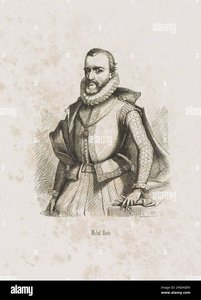
Michiel van Coxcie
1499 - 1592 , Belgium
Kratke činjenice
- Artistic Movement Or Style: Renaissance & Baroque Synthesis
- Artists Or Movements Influenced By This Artist: ['Baroque Painting']
- Artists Who Influenced This Artist:
- Michelangelo
- Da Vinci
- Raphael
- Date Of Birth: Mechelen, Belgium (1499)
- Date Of Death: 1592
- Full Name: Michiel van Coxcie
- Nationality: Flemish
- Notable Artworks:
- The Revenge of Tomyris
- Adam and the God (detail)
- Saint Cecilia
- Place Of Birth: Mechelen

