

 Pregledaj u prostoru
 Pošalji
 Podeli
 Detalji o delu

 Преузми
 Slični predmeti
 Rendgenski snimak
 Slajdovi
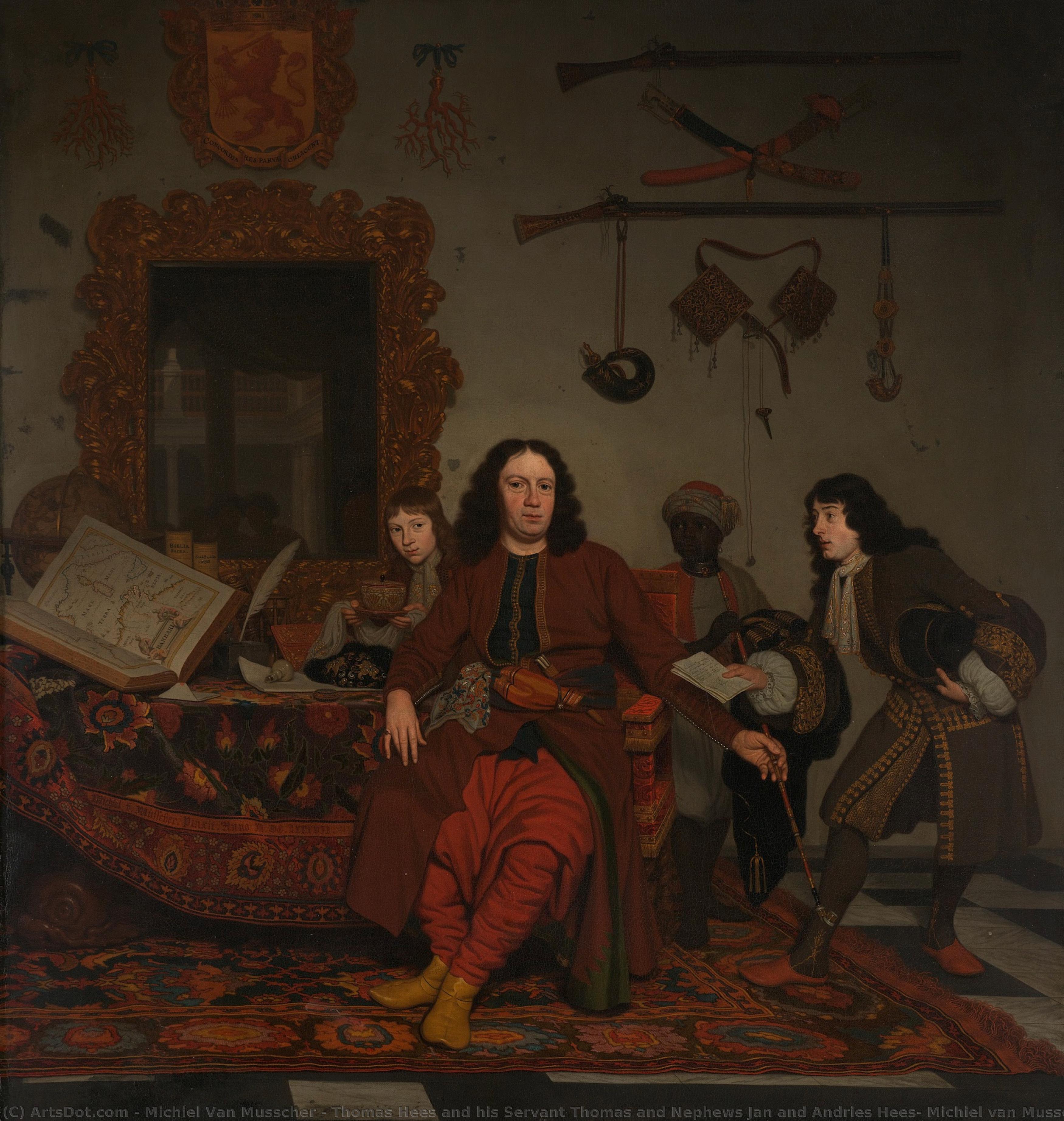
Thomas Hees and his Servant Thomas and Nephews Jan and Andries Hees, Michiel van Musscher, 1687
 1687
1687 76.0 x 63.0 cm
 Pročitaj više
Ručno rađena uljana reprodukcija
Ručno oslikano uljanim bojama na platnu u dimenzijama i okviru po vašem izboru, izrađeno po porudžbini od strane naših umetnika. ( Kupi print Kupi digitalnu sliku)




































Izaberite jednu od naših unapred definisanih veličina koje odgovaraju originalnim proporcijama umetničkog dela.

Можете унети сопствене димензије како бисте прилагодили дело одређеном оквиру или простору. Ако одабрана величина не одговара пропорцијама оригинала, слика ће бити исечена или проширена додатним елементима који се ручно насликавају. Дигитални prikaz ће вам бити послат на одобрење пре почетка производње.
Имајте на уму да преглед на екрану не одражава стварно исецање или проширење. Само приказ (mockup) ће тачно приказати коначну композицију.
Иако су доступне прилагођене величине, препоручујемо да одаберете димензију из дефинисане листе како бисте сачували оригиналне пропорције.
Nakon narudžbine, tim ArtsDot.com će klijentu putem e-pošte poslati uputstva i dostaviti prikaz predloženog rešenja
Isporuka širom sveta () za 3/4 nedelje umesto uobičajenih 5 nedelja. (7 септембар). Bez kompromisa po pitanju kvaliteta.

Besplatna ekspresna dostava širom sveta

Visokokvalitetno laneno platno

Kompletno osiguranje transporta

Garancija povraćaja carine i uvoznih dažbina

Garancija vernosti boja

Politika povraćaja u roku od 100 dana (isključivo u slučaju nedostataka)

Garancija povrata novca od 100%

Popust pri grupnoj kupovini
 Opcija sa staklom dostupna je samo za dimenzije manje od 110 cm

Thomas Hees and his Servant Thomas and Nephews Jan and Andries Hees, Michiel van Musscher, 1687
Tehnika reprodukcije
Dimenzije reprodukcije
-


Konačna cena
$ 263
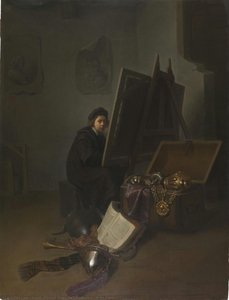
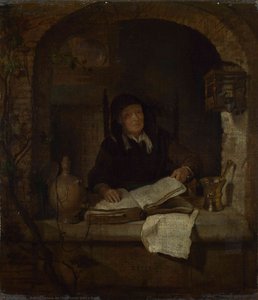
Srodna umetnička dela





Biografija umetnika
A Master of Dutch Refinement: The Life and Art of Michiel van Musscher
Born in Rotterdam in January 1645, Michiel van Musscher emerged during the latter stages of the Dutch Golden Age, a period renowned for its artistic innovation and societal prosperity. From an early age, a remarkable talent for drawing was evident, nurtured by a family with artistic inclinations – his father, though primarily a grocer, had once been a painter, and both grandfathers practiced the craft. This familial connection undoubtedly played a role in shaping young Michiel’s path. His formal training began at fifteen, initially under Martinus Saeghmolen to grasp foundational drawing skills, followed by studies with Abraham van den Tempel where he learned the intricacies of paint mixing and application. However, it was his subsequent engagements with established masters – seven lessons with Gabriel Metsu and a three-month period with Adriaen van Ostade in Haarlem – that truly refined his technique and broadened his artistic horizons. Remarkably, despite the relatively brief duration of these apprenticeships, Van Musscher quickly distinguished himself, a testament to both innate ability and diligent self-practice.Ascension in Amsterdam: Portraiture and Patronage
The pivotal moment in Van Musscher’s career arrived with his relocation to Amsterdam. Securing employment with Jonas Witsen, a wealthy art enthusiast and influential figure within the city's elite circles, proved instrumental in establishing him as a sought-after portraitist. This connection opened doors to commissions from prominent families and societal leaders, allowing Van Musscher to flourish in a competitive artistic landscape. He quickly became known for his meticulous attention to detail, realistic depictions, and an overall refinement that captured the essence of his subjects with remarkable accuracy. While primarily celebrated for his portraits, Van Musscher also ventured into genre scenes, offering intimate glimpses into everyday life during this vibrant era. These works, though less numerous than his portraiture, demonstrate a similar dedication to realism and a keen observation of human interaction. His ability to convey both physical likeness and psychological depth set him apart, making his portraits not merely representations but insightful character studies.Style and Influences: A Synthesis of Dutch Masters
Van Musscher’s artistic style represents a compelling synthesis of the influences he absorbed throughout his training. The foundational skills imparted by Saeghmolen and van den Tempel were skillfully blended with the elegance and narrative flair learned from Metsu, and the earthy realism gleaned from Van Ostade. This amalgamation resulted in a distinctive aesthetic characterized by subdued color palettes, careful attention to light and shadow – creating a sense of depth and volume – and an unwavering commitment to accurate representation. His portraits are particularly notable for their masterful depiction of textures, fabrics, and the subtle nuances of human expression. The Painter’s Studio, one of his most celebrated works, provides a fascinating insight into the artistic practices of the time, offering a glimpse into Van Musscher's working environment and creative process. He wasn’t simply replicating appearances; he was striving to capture the inner lives of those he painted, imbuing each portrait with a sense of personality and dignity.Legacy and Historical Significance
Michiel van Musscher passed away in Amsterdam on June 20, 1705, leaving behind a legacy as one of the most accomplished portraitists of his generation. He trained several pupils, including Ottmar Elliger the Younger and Dirk Valkenburg, ensuring that his skills and knowledge were passed down to future artists. His work remains highly valued today for its historical significance, providing invaluable insights into the lives and appearances of prominent individuals during the Dutch Golden Age. Beyond their aesthetic qualities, Van Musscher’s portraits serve as important documents, offering a visual record of the clothing, customs, and social hierarchies of 17th-century Amsterdam. His paintings are not merely beautiful objects; they are windows into a bygone era. He stands as a testament to the enduring power of realism and the ability of art to capture the spirit of a time, solidifying his place as an important figure in Dutch art history.Notable Works
- Portrait of Eva Visscher, his wife – A tender portrayal showcasing his skill with delicate features and fabric rendering.
- Portrait of Johannes van Waveren Hudde – Depicting the mayor of Amsterdam and mathematician, this work exemplifies his ability to convey intellect and authority.
- Portret van Nicolaes Witsen – A tribute to his influential patron, showcasing a refined elegance befitting Witsen’s status.
- Double Portrait of Isaac Pontanus and Hendrik van Beek - Demonstrates his skill in capturing the dynamic between two figures.
- Thomas Hees and his Servant Thomas and Nephews Jan and Andries Hees – A complex group portrait revealing social dynamics of the time.
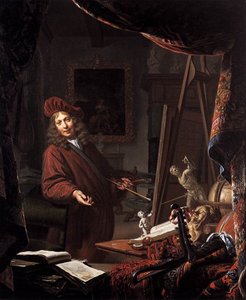
Michiel van Musscher
1643 - 1705 , Netherlands
Osnovne informacije
- Artistic Movement Or Style: Dutch Golden Age painting
- Artists Or Movements Influenced By This Artist:
- Ottmar Elliger the Younger
- Dirk Valkenburg
- Artists Who Influenced This Artist:
- Martinus Saeghmolen
- Abraham van den Tempel
- Gabriel Metsu
- Adriaen van Ostade
- Date Of Birth: January 1645
- Date Of Death: June 20, 1705
- Full Name: Michiel van Musscher
- Nationality: Dutch
- Notable Artworks:
- Portrait of Eva Visscher
- Johannes van Waveren Hudde
- Nicolaes Witsen portrait
- The Painter's Studio
- Place Of Birth: Rotterdam, Netherlands