

 Pregledaj u prostoru
 Pošalji
 Podeli
 Detalji o delu

 Преузми
 Slični predmeti
 Rendgenski snimak
 Slajdovi
 Stats
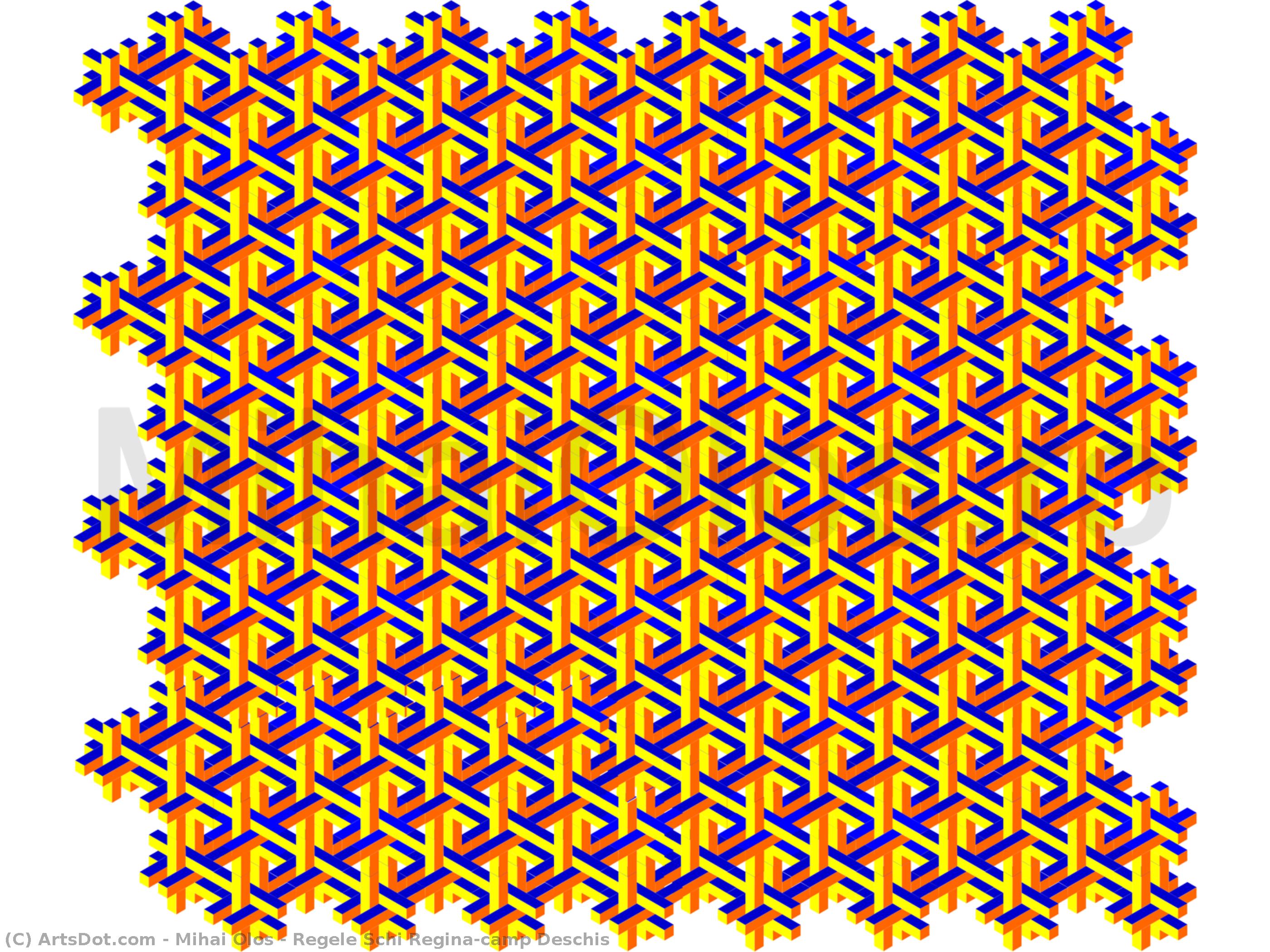
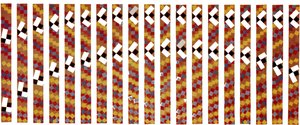
StatsRegele Schi Regina,camp Deschis

 Pročitaj više
Kupite digitalnu sliku visoke rezolucije i poboljšanog kvaliteta, koja je znatno superiornija od onoga što vidite u online prikazu.
Svaka datoteka je pedantno pripremljena od strane naših stručnjaka koristeći napredne alate i profesionalnu ručnu retušu. Osiguravamo da svaka slika ima izuzetnu oštrinu, preciznu reprodukciju boja i fine detalje.
Konačna datoteka se dostavlja putem e-pošte u roku od 72 sata, optimizovana za neposrednu upotrebu u profesionalnim, izdavačkim i štamparskim okruženjima. To je isti kvalitet kojem veruju vrhunski studiji dizajna, izdavači i galerije.
Digitalna slika
Preuzmite datoteku visoke rezolucije za ličnu upotrebu, štampanje i kreativne projekte. ( Switch to Print Kupi ručno naslikanu sliku)
Uključeno uz svaku porudžbinu digitalne slike
Profesionalna digitalna isporuka, zagarantovana
Kada odaberete ArtsDot.com, ne dobijate samo sliku – vi primate profesionalno unapređeno digitalno umetničko delo, izrađeno sa najvećom preciznošću i uz garanciju zadovoljstva. Evo svega što automatski dolazi uz vašu porudžbinu:

Brza dostava putem e-pošte
Vaša digitalna slika visoke rezolucije biće vam poslata putem e-pošte u roku od 72 sata od poručivanja – spremna za trenutnu upotrebu.

Digitalna datoteka unapređena veštačkom inteligencijom
Vaše umetničko delo je profesionalno optimizovano korišćenjem naprednih AI alata i ručne obrade, čime se osiguravaju maksimalni detalji, oštrina i preciznost boja.

Besplatna ponovna isporuka doživotno
Slučajno ste obrisali ili izgubili svoju datoteku? Ne brinite – poslaćemo vam je ponovo u bilo kom trenutku, potpuno besplatno.

Bez troškova uvoza – zauvek
Uživajte u svojim umetničkim delima trenutno, bez carine, dažbina ili troškova dostave – digitalni download je uvek bez poreza.

Garancija vernosti boja
Uz pomoć profesionalnih alata i upravljanja bojama, osiguravamo da vaša digitalna slika što vernije odražava originalne boje.

Garancija zadovoljstva od 100 dana
Ako niste zadovoljni svojom digitalnom slikom, izvršićemo reviziju ili ćemo vam vratiti 100% novca u roku od 100 dana – bez ikakvih pitanja.

100% garancija povrata novca
Niste zadovoljni? Dobijte puni povraćaj novca u roku od 100 dana od prijema digitalne datoteke – bez suvišnih pitanja.

Popusti na velike porudžbine
Kupite 3 slike, uštedite 10% - Kupite 5 slika, uštedite 15% - Kupite 10+ slika, uštedite 20%. Odlično za kreativne projekte, galerije i agencije.
Srodna umetnička dela


Biografija umetnika
Mihai Olos: Architect of the Universal City
Born in Ariniș, Romania, in 1940, and tragically passing away in Amoltern, Germany, in 2015, Mihai Olos was more than just an artist; he was a visionary architect of ideas, a conceptual explorer deeply rooted in the traditions of his native Maramureș while simultaneously embracing the dynamism of modern art. His life’s work can be understood as a relentless pursuit of bridging the gap between ancient folk culture and contemporary artistic expression, culminating in his ambitious and profoundly original concept – Olospolis – a theoretical city designed to embody universal principles through modular construction and symbolic resonance.
Olos' early years were steeped in the rich cultural heritage of Maramureș, a region renowned for its distinctive wooden churches. These structures, built without nails using intricate interlocking joints, profoundly influenced his artistic sensibility. He was particularly fascinated by the ‘spindle-head,’ a miniature representation of these nail-less junctions, recognizing within it a fundamental principle of structural integrity and harmonious design. This fascination led him to transform this humble element into a core module for his grand vision – Olospolis – a city conceived not as a collection of buildings but as an interconnected system reflecting the inherent order and balance found in nature and traditional craftsmanship.
Early Artistic Development & The Neo-Avantgarde
Initially recognized for his vibrant color palettes and skillful execution in early paintings, Olos gradually shifted his focus towards exploring form and material. His work began to incorporate elements of constructivism, reflecting the broader artistic trends of the 1970s in Romania. He quickly gained attention within the Romanian neo-avantgarde scene, particularly through his happenings and performances, which often involved direct engagement with the public and a deliberate disruption of conventional art practices. These early endeavors established him as a provocative figure challenging established norms and pushing the boundaries of artistic expression.
A pivotal moment in his career arrived with his 1969 solo exhibition in Rome, where one of his silver-medaled sculptures found its home within the Fuji Museum collection in Tokyo. This international recognition was further solidified by the appreciation of American Brâncuși scholar Athena Tacha Spear, who recognized in Olos’s work a kinship with the legendary sculptor's pursuit of essential forms and universal symbols. The true breakthrough, however, came through Joseph Beuys’ endorsement. During a seminar at the Free University of Kassel in 1977, Olos presented his concept of the Universal City, sketching his crucial module on a blackboard. Beuys, deeply impressed by the clarity and ambition of the idea, included this drawing within his influential ‘Das Kapital’ exhibition at the 1980 Venice Biennale, effectively catapulting Olos onto the international stage.
Olospolis: A Theoretical City & Artistic Manifestation
At the heart of Olos' oeuvre lies the concept of Olospolis – a utopian city designed as a physical manifestation of his philosophical and artistic principles. This wasn’t merely a design project; it was a complex theoretical framework exploring the relationship between architecture, culture, and human experience. He envisioned a modular system based on the spindle-head joint, representing a harmonious balance between tradition and innovation. He translated this concept into various forms – paintings, sculptures, drawings, and even performance pieces – each serving as a component of the larger Olospolis vision.
The ‘Knot,’ a recurring motif in his work, embodies this principle of interconnectedness. Derived from traditional folk art, the Knot represents unity, balance, and infinite possibilities through its intricate network of interwoven elements. Olos explored the Knot’s potential across multiple mediums, demonstrating its versatility as a fundamental building block for both sculptural and painterly compositions. His exploration of the Knot is not merely aesthetic; it's a demonstration of how seemingly simple forms can hold complex symbolic weight.
Legacy & Recognition
Mihai Olos’s journey beyond Romania was marked by continued experimentation and recognition. His six-month teaching stint at the Justus Liebig University in Giessen, coupled with successful performances, solo exhibitions in Wickstadt and Giessen, and later engagements in the Netherlands, allowed him to cultivate a wider audience for his work and ideas. The political turmoil following 1989 in Romania further fueled his desire to share his vision with the world.
In recent years, Olos’s work has garnered renewed interest, culminating in a comprehensive exhibition at the National Museum of Contemporary Art in Bucharest (2016-2017) and subsequent shows at prestigious venues like the Brâncuși Workshop at the Pompidou Center in Paris (2018). Despite his reluctance to sell during his lifetime, a significant number of private and state collections now hold his work, with ongoing efforts to increase visibility through international art fairs. The increasing interest from museums and collectors signals a growing appreciation for Olos’s unique contribution to the landscape of contemporary art – an architect of ideas who dared to envision a universal city built on the foundations of tradition and innovation.
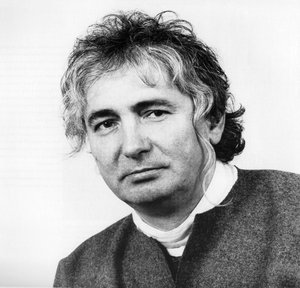
Mihai Olos
1940 - 2015 , Romania
Kratke činjenice
- Artistic Movement Or Style: Conceptual art, Constructivism
- Artists Or Movements Influenced By This Artist: ['Joseph Beuys']
- Artists Who Influenced This Artist: ['Constantin Brâncuși']
- Date Of Birth: Feb 26, 1940
- Date Of Death: Feb 22, 2015
- Full Name: Mihai Olos
- Nationality: Romanian
- Notable Artworks: ['The Knot']
- Place Of Birth: Ariniș, Romania