

 Pregledaj u prostoru
 Pošalji
 Podeli
 Detalji o delu

 Преузми
 Slični predmeti
 Rendgenski snimak
 Slajdovi
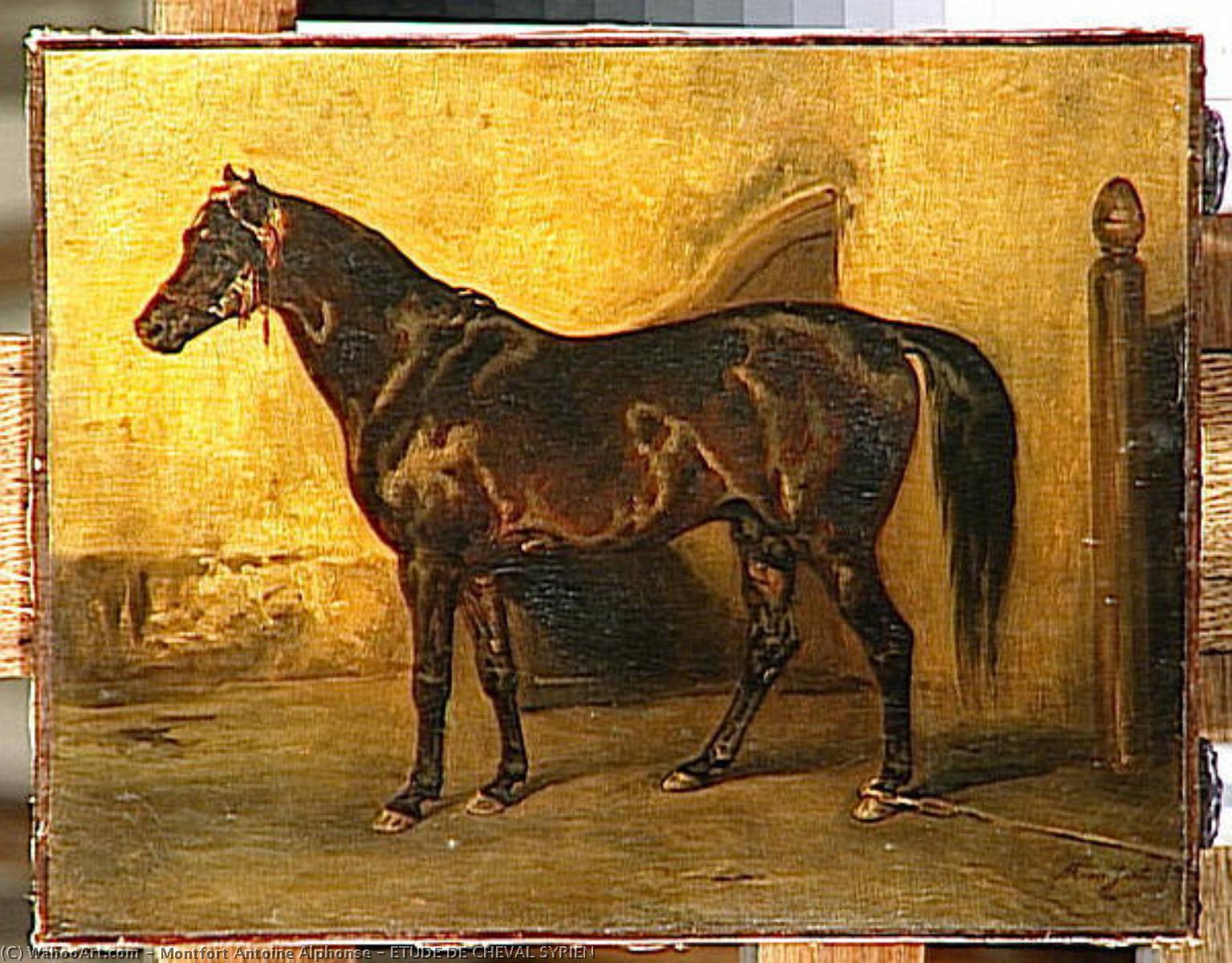
ETUDE DE CHEVAL SYRIEN

 Pročitaj više
Giclee štampa / Umetnički otisak
Giclée štampa ili print na platnu muzejskog kvaliteta uz brzu proizvodnju i fleksibilne opcije završne obrade. ( Kupi ručno naslikanu sliku Kupi digitalnu sliku)




































Izaberite jednu od naših unapred definisanih veličina koje odgovaraju originalnim proporcijama umetničkog dela.

Možete uneti sopstvene dimenzije kako biste umetničko delo prilagodili specifičnom okviru ili prostoru. Ako odabrani format ne odgovara proporcijama originalne slike, mi ćemo ili iscrtati deo dela ili proširiti sliku pomoću ogledane ivice ili jednobojnog popunjavanja. Digitalni prikaz će vam biti poslat na odobrenje pre početka proizvodnje.
Imajte na umu da pregled na ekranu ne odražava stvarno iscrtavanje ili proširivanje. Samo će prikaz (mockup) precizno pokazati finalnu kompoziciju.
Iako su prilagođene dimenzije dostupne, preporučujemo da odaberete dimenziju sa unapred definisane liste kako biste očuvali originalne proporcije.
Dostava širom sveta () za 2 nedelje umesto uobičajenih 4/5 nedelja. (24 август)

Besplatna ekspresna dostava širom sveta

Visokokvalitetno laneno platno

Kompletno osiguranje transporta

Garancija povraćaja carine i uvoznih dažbina

Garancija vernosti boja

Politika povrata u roku od 60 dana (samo u slučaju nedostataka)

Garancija povrata novca od 100%

Popust pri grupnoj kupovini
 Opcija sa staklom dostupna je samo za dimenzije manje od 110 cm

ETUDE DE CHEVAL SYRIEN
Giclee štampa / Umetnički otisak
Dimenzije reprodukcije
-


Konačna cena
$ 62
Srodna umetnička dela






Biografija umetnika
The Visionary Eye of Antoine Alphonse Montfort
Antoine Alphonse Montfort (1802–1884) remains one of the most compelling figures of the nineteenth-century French school, a painter whose brush bridged the gap between the sweeping emotionality of Romanticism and the rigorous precision of Realism. Born in Paris, Montfort was a child of the burgeoning artistic fervor that defined his era. His early training was nothing short of legendary; he entered the studio of Horace Vernet in 1816, a master whose influence would forever instill in him a profound respect for atmospheric truth and the subtle nuances of light. This foundation was further enriched by his time in the workshop of Antoine-Jean Gros and the intellectual guidance of the incomparable Théodore Géricault. These mentors did more than teach him technique; they provided him with a lens through which to view the world—one that sought the dramatic pulse of life without sacrificing the integrity of the subject.Voyages Through the Orient and the Mediterranean
The true metamorphosis of Montfort’s artistry occurred not in the studios of Paris, but upon the salt-sprayed decks of the frigate La Victorie_ieuse. Between 1827 and 1828, serving as the ship's painter under the auspices of Vernet, Montfort embarked on a maritime odyssey that would become the wellspring of his creative soul. As he traversed the Mediterranean—visiting Corsica, Malta, the Greek islands, Istanbul, Syria, and Egypt—he was not merely a spectator but an active participant in the landscapes he documented. This spirit of immersion reached its zenith during his expeditions to Syria, Lebanon, and Palestine in the late 1830s. In a remarkable display of ethnographic devotion, Montfort lived among the people he painted, traveling with caravans, residing in tents, and even dressing as a native to better understand the rhythms of the land. This period of profound cultural immersion allowed him to move beyond the superficial exoticism common to his contemporaries, replacing it with a deeply researched, authentic portrayal of Middle Eastern life.A Legacy of Precision and Ethnographic Truth
What distinguishes Montfort from the broader movement of Orientalist painters is his steadfast refusal to succumb to sentimental embellishment or romanticized fantasy. While many artists of his time sought to present an idealized, dreamlike version of the East, Montfort’s work is characterized by a meticulous, almost scientific, attention to detail. His canvases and sketches are imbued with a sense of ethnographic accuracy; he captured the rugged textures of Mount Lebanon, the specific architecture of ancient fountains in Beirut, and the powerful anatomy of Syrian horses with an unwavering commitment to reality. This dedication to truth is evident in several key aspects of his oeuvre:- Luminous Landscapes: His depictions of the Levant are celebrated for their masterful use of light, capturing the specific atmospheric conditions of the Mediterranean coast.
- Equestrian Studies: Montfort possessed a rare ability to render the strength and spirit of horses, particularly in his studies of Syrian breeds, blending anatomical precision with movement.
- Genre Scenes: His paintings of daily life are devoid of artifice, presenting the inhabitants of the Levant with a dignity born from genuine observation.
Historical Significance and Enduring Influence
Throughout his long career, which saw regular exhibitions at the prestigious Paris Salon from 1835 until 1881, Montfort established himself as a pillar of the French art community. His role as a teacher at the École nationale supérieure des Beaux-Arts ensured that his commitment to observation and detail would be passed down to future generations. Today, his historical importance is preserved not only in his surviving paintings but also in the vast collection of nearly one thousand original drawings held by the Louvre. These works, alongside his detailed travel diaries now housed in the Bibliothèque Nationale de France, serve as invaluable historical documents. Montfort’s legacy is that of a true explorer-artist, a man who used the medium of oil and watercolor to map the soul of distant lands with a clarity that remains as striking today as it was in the nineteenth century.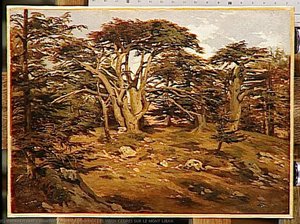
montfort antoine alphonse
1802 - 1884
Osnovne informacije
- Artistic Movement Or Style: Orientalism
- Artists Or Movements Influenced By This Artist: ['Delacroix']
- Artists Who Influenced This Artist:
- Horace Vernet
- Théodore Géricault
- Date Of Birth: 1802
- Full Name: Antoine Alphonse Montfort
- Nationality: French
- Notable Artworks:
- Fontaine de Jakoub a Beyrouth
- Etude de cheval syrien
- Place Of Death: Paris

