

 Pregledaj u prostoru
 Pošalji
 Podeli
 Detalji o delu

 Преузми
 Slični predmeti
 Rendgenski snimak
 Slajdovi
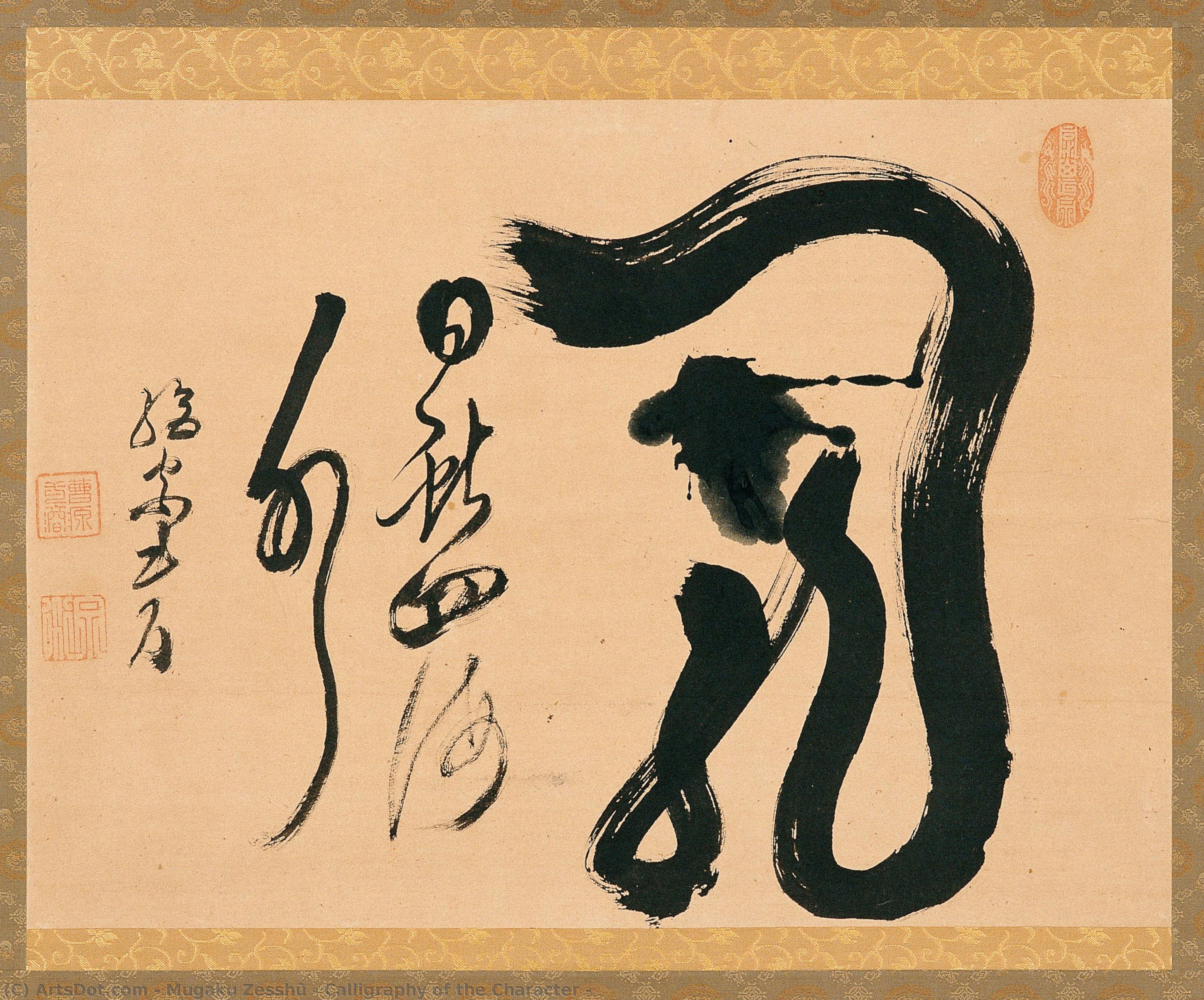
Calligraphy of the Character


 Pročitaj više
Kupite digitalnu sliku visoke rezolucije i poboljšanog kvaliteta, koja je znatno superiornija od onoga što vidite u online prikazu.
Svaka datoteka je pedantno pripremljena od strane naših stručnjaka koristeći napredne alate i profesionalnu ručnu retušu. Osiguravamo da svaka slika ima izuzetnu oštrinu, preciznu reprodukciju boja i fine detalje.
Konačna datoteka se dostavlja putem e-pošte u roku od 72 sata, optimizovana za neposrednu upotrebu u profesionalnim, izdavačkim i štamparskim okruženjima. To je isti kvalitet kojem veruju vrhunski studiji dizajna, izdavači i galerije.
Digitalna slika
Preuzmite datoteku visoke rezolucije za ličnu upotrebu, štampanje i kreativne projekte. ( Kupi print Kupi ručno naslikanu sliku)
Uključeno uz svaku porudžbinu digitalne slike
Profesionalna digitalna isporuka, zagarantovana
Kada odaberete ArtsDot.com, ne dobijate samo sliku – vi primate profesionalno unapređeno digitalno umetničko delo, izrađeno sa najvećom preciznošću i uz garanciju zadovoljstva. Evo svega što automatski dolazi uz vašu porudžbinu:

Brza dostava putem e-pošte
Vaša digitalna slika visoke rezolucije biće vam poslata putem e-pošte u roku od 72 sata od poručivanja – spremna za trenutnu upotrebu.

Digitalna datoteka unapređena veštačkom inteligencijom
Vaše umetničko delo je profesionalno optimizovano korišćenjem naprednih AI alata i ručne obrade, čime se osiguravaju maksimalni detalji, oštrina i preciznost boja.

Besplatna ponovna isporuka doživotno
Slučajno ste obrisali ili izgubili svoju datoteku? Ne brinite – poslaćemo vam je ponovo u bilo kom trenutku, potpuno besplatno.

Bez troškova uvoza – zauvek
Uživajte u svojim umetničkim delima trenutno, bez carine, dažbina ili troškova dostave – digitalni download je uvek bez poreza.

Garancija vernosti boja
Uz pomoć profesionalnih alata i upravljanja bojama, osiguravamo da vaša digitalna slika što vernije odražava originalne boje.

Garancija zadovoljstva u roku od 60 dana
Ako niste zadovoljni svojom digitalnom slikom, revidirat ćemo je ili vratiti 100% novca u roku od 60 dana – bez ikakvih pitanja.

100% garancija povrata novca
Niste zadovoljni? Obezbedite pun povrat novca u roku od 60 dana od trenutka kada ste primili svoju digitalnu datoteku – bez suvišnih pitanja.

Popusti na velike porudžbine
Kupite 3 slike, uštedite 10% - Kupite 5 slika, uštedite 15% - Kupite 10+ slika, uštedite 20%. Odlično za kreativne projekte, galerije i agencije.
Opis kolekcionarskog dela
The Breath of the Dragon: A Masterpiece of Ink and Spirit
In the delicate dance between void and form, the Calligraphy of the Character emerges as a profound testament to the power of minimalist expression. This evocative work, rendered in the timeless tradition of East Asian ink wash painting, captures the primal energy of a dragon winding through a sea of aged parchment. The composition is dominated by the sinuous, muscular body of the creature, which surges across the frame with an almost palpable vitality. Every stroke of the black ink serves as a rhythmic pulse, tracing the dragon's movement from the left periphery toward the edge of the visible world, suggesting a being that is far too vast to be contained by the boundaries of paper.
The artistry lies in the masterful use of sumi-e techniques, where the artist employs varying pressures and ink densities to create depth without the need for heavy color. The dragon’s open maw, revealing teeth and tongue, provides a startling focal point of raw, untamed life amidst the more fluid, ethereal lines of its scales. This interplay of sharp detail and soft, bleeding edges creates a sense of motion that is both hypnotic and commanding. The background, a warm, weathered yellow, lends the piece an antique soul, evoking the feeling of a rediscovered treasure from a long-forgotten dynasty.
Symbolism and the Elegance of Calligraphic Tradition
Beyond its visual splendor, this work is steeped in the profound symbolism inherent to much of Japanese and Chinese artistic heritage. The dragon is not merely a mythical beast here; it is a symbol of cosmic power, wisdom, and the unpredictable forces of nature. Surrounding the central figure, the delicate Chinese characters act as an ancestral chorus, providing a linguistic texture that anchors the dragon within a historical and philosophical context. These inscriptions invite the viewer to contemplate the relationship between language and image, between the written word and the living spirit.
For the discerning collector or interior designer, this piece offers more than just decoration; it offers an atmosphere of contemplative strength. The monochromatic palette, contrasted against the vintage warmth of the paper, allows the artwork to integrate seamlessly into sophisticated, Zen-inspired interiors or grand, classical spaces. It serves as a conversation piece that bridges the gap between ancient tradition and contemporary aesthetic sensibilities. To possess a reproduction of such a work is to bring a fragment of ancient myth and the disciplined beauty of calligraphic mastery into the modern home, creating a sanctuary of peace and profound historical resonance.
Srodna umetnička dela



Biografija umetnika
Giovanni Battista Gaulli: The Architect of Illusion
Giovanni Battista Gaulli, a name perhaps less familiar than those of Bernini or Caravaggio, stands as a pivotal figure in the Baroque era – a master illusionist whose breathtaking frescoes transformed sacred spaces and redefined the possibilities of painting. Born in Genoa in 1639, he spent his tragically short life (dying in Rome in 1709) weaving magic with light, color, and perspective, leaving behind a legacy of grandeur and technical innovation that continues to captivate viewers today. His story is one of early promise, a brief but brilliant career punctuated by both acclaim and relative obscurity, yet ultimately defined by his singular gift for creating the illusion of boundless space within finite walls. Gaulli’s formative years were spent in Genoa, a vibrant hub of artistic exchange where he absorbed influences from diverse sources – from the classical restraint of Italian masters to the dramatic flair of Flemish painters. He began his training under Luciano Borzone, a respected Genoese artist, and later sought guidance from figures like Bernardo Strozzi, whose use of warm colors and dynamic compositions resonated deeply with the young Gaulli. However, it was his encounter with Gianlorenzo Bernini in Rome that proved to be a turning point. Bernini, recognizing Gaulli’s exceptional talent, championed him and secured him commissions within the prestigious Roman art scene. This connection opened doors to influential patrons, including the Jesuit order, who commissioned him for some of his most celebrated works. Gaulli's career truly blossomed during the 1660s and 70s, marked by a shift towards a more painterly style influenced by Correggio’s innovative approach to ceiling frescoes. This technique, known as *di sotto in su* – “from below upwards” – involved creating the illusion of depth and perspective by depicting the sky and surrounding landscape from the viewer's vantage point, rather than the traditional method of painting downwards onto a flat surface. This revolutionary technique was particularly evident in his work for the Basilica of San Paolo fuori le Mura in Rome, where he created a stunning depiction of the heavens above the apse. It was during this period that Gaulli earned the nickname “Baciccia” (or “Baciccio”), a Genoese term affectionately applied to those who were particularly skilled at creating illusions. Gaulli’s most enduring achievement is undoubtedly his work in the Santa Maria Magdalena church in Seville, Spain. Commissioned as part of a vast rebuilding project undertaken by Philip V, the Spanish King, Gaulli was tasked with decorating the entire dome – a monumental undertaking that demanded not only exceptional artistic skill but also meticulous engineering and architectural understanding. He spent nearly a decade on this ambitious project, creating an astonishing illusionistic panorama of the heavens, complete with swirling clouds, radiant suns, and distant landscapes. The sheer scale and technical brilliance of this fresco are breathtaking, demonstrating Gaulli’s mastery of perspective, color theory, and his ability to convincingly simulate three-dimensional space within a two-dimensional surface. The dome is considered one of the finest examples of illusionistic painting in the Baroque era, rivaling even Bernini's work at St. Peter's Basilica. Beyond Seville, Gaulli’s influence extended throughout Europe. He was commissioned to paint frescoes in various churches and palaces, including the Palazzo Medici Riccardi in Florence and the Church of San Carlo alle Quattro Fontane in Rome. His portraits were also highly sought after, capturing the likenesses of prominent figures of his time, including admirals and dignitaries. His work for the Basilica of St Denis near Paris showcases a shift towards a more refined and elegant style, reflecting the evolving tastes of the Rococo period. Despite his considerable talent and numerous commissions, Gaulli’s career was tragically cut short by illness in 1709. He died in Rome at the age of sixty-nine, leaving behind a body of work that, while not as widely celebrated as some of his contemporaries, reveals a profound understanding of light, space, and the power of illusion. Giovanni Battista Gaulli remains an important figure in art history – a testament to the transformative potential of painting and a reminder that the most enduring works are often those that challenge our perception of reality.Key Influences & Artistic Style
Gaulli’s artistic development was shaped by a confluence of influences, reflecting the cosmopolitan nature of 17th-century Rome. Early exposure to the classical restraint of Italian masters like Luciano Borzone instilled in him a sense of order and proportion. The dramatic flair of Flemish painters, particularly their use of light and shadow, contributed to his dynamic compositions. However, it was his encounter with Gianlorenzo Bernini that proved most formative, introducing him to the innovative techniques of illusionistic painting. The influence of Correggio’s *di sotto in su* method is readily apparent in his work, particularly in the Seville dome, where he masterfully created the illusion of a vast and boundless sky. His style can be characterized as a blend of Baroque dynamism and Rococo elegance, marked by rich colors, intricate details, and a masterful command of perspective. He was known for his ability to create a sense of depth and atmosphere that transported viewers beyond the confines of the painted surface.Major Works
* **Santa Maria Magdalena, Seville (1698-1705):** The dome fresco is undoubtedly Gaulli’s masterpiece, a monumental achievement in illusionistic painting. * **Basilica of St Denis (c. 1699):** Fresco depicting the heavens above the apse. * **Palazzo Medici Riccardi, Florence:** Several frescoes decorating the palace's interior. * **Church of San Carlo alle Quattro Fontane, Rome:** A series of decorative frescoes. * **Portraits of Admirals (1703):** Examples of his portraiture work, showcasing his skill in capturing likeness and conveying personality.Historical Significance
Gaulli’s innovations in illusionistic painting had a profound impact on the Baroque era and beyond. His *di sotto in su* technique revolutionized the way ceilings were decorated, transforming them from static panels into immersive environments. His work in Seville demonstrated the potential of fresco as a medium for creating large-scale illusions, inspiring generations of artists to push the boundaries of painting. While he may not be as widely recognized as some of his contemporaries, Giovanni Battista Gaulli’s legacy endures through his breathtaking frescoes and his pioneering spirit – a testament to the power of illusion and the enduring beauty of Baroque art.
mugaku zesshū
1709 - 1795

