

 Pregledaj u prostoru
 Pošalji
 Podeli
 Detalji o delu

 Преузми
 Slični predmeti
 Rendgenski snimak
 Slajdovi
 Stats
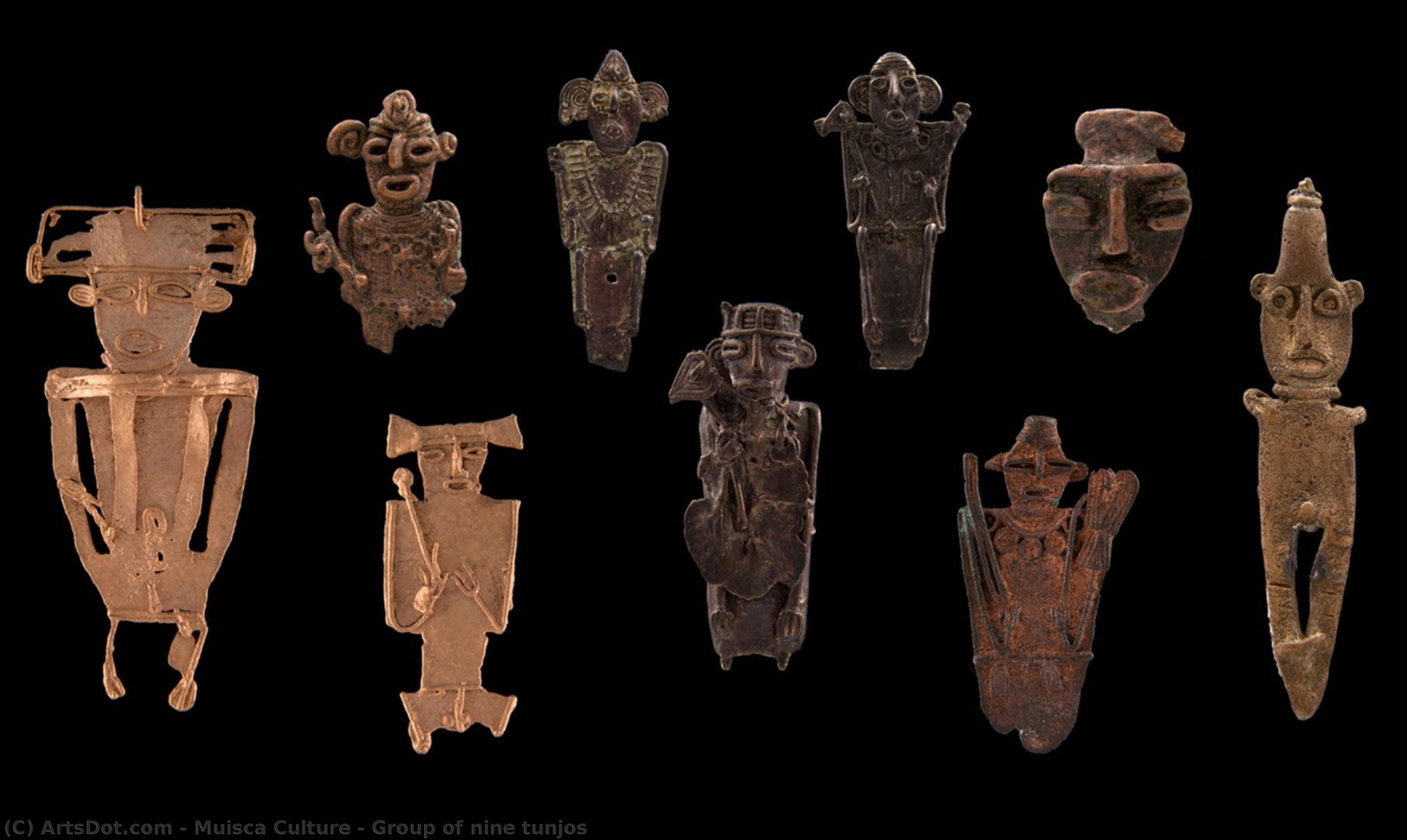
StatsGroup of nine tunjos
 5.0 x 2.0 cm
 Nacionalni muzej u Kolumbiji
 Pročitaj više
Ručno rađena uljana reprodukcija
Ručno oslikano uljanim bojama na platnu u dimenzijama i okviru po vašem izboru, izrađeno po porudžbini od strane naših umetnika. ( Switch to Print Switch to Digital Image)




































Izaberite jednu od naših unapred definisanih veličina koje odgovaraju originalnim proporcijama umetničkog dela.

Можете унети сопствене димензије како бисте прилагодили дело одређеном оквиру или простору. Ако одабрана величина не одговара пропорцијама оригинала, слика ће бити исечена или проширена додатним елементима који се ручно насликавају. Дигитални prikaz ће вам бити послат на одобрење пре почетка производње.
Имајте на уму да преглед на екрану не одражава стварно исецање или проширење. Само приказ (mockup) ће тачно приказати коначну композицију.
Иако су доступне прилагођене величине, препоручујемо да одаберете димензију из дефинисане листе како бисте сачували оригиналне пропорције.
Nakon narudžbine, tim ArtsDot.com će klijentu putem e-pošte poslati uputstva i dostaviti prikaz predloženog rešenja
Isporuka širom sveta () za 3/4 nedelje umesto uobičajenih 5 nedelja. (8 септембар). Bez kompromisa po pitanju kvaliteta.

Besplatna ekspresna dostava širom sveta

Visokokvalitetno laneno platno

Kompletno osiguranje transporta

Garancija povraćaja carine i uvoznih dažbina

Garancija vernosti boja

Politika povraćaja u roku od 100 dana (isključivo u slučaju nedostataka)

Garancija povrata novca od 100%

Popust pri grupnoj kupovini
 Opcija sa staklom dostupna je samo za dimenzije manje od 110 cm

Group of nine tunjos
Tehnika reprodukcije
Dimenzije reprodukcije
-


Konačna cena
$ 263
Srodna umetnička dela



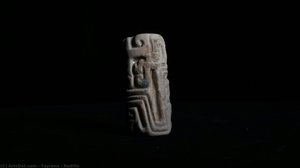


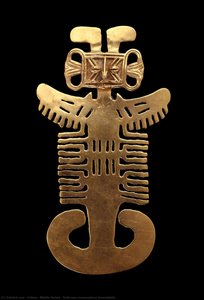
Biografija umetnika
The Golden Legacy of the Muisca
The Muisca culture, also known as Chibcha, represents one of Colombia’s most fascinating pre-Columbian civilizations—a testament to ingenuity and artistic prowess that continues to captivate historians and art enthusiasts alike. Flourishing in the misty altiplano cundiboyacense region from approximately 800 AD to 1537 AD, this confederation of independent tribes achieved remarkable advancements in metallurgy, agriculture, and social organization. Theirs was a world etched in gold, ceramics, and intricate iconography, where every crafted object whispered the sacred secrets of a complex spiritual cosmos.
Emerging from the high Andean highlands, the Muisca people developed a sophisticated societal hierarchy centered around powerful rulers—the Hoa, Psihipqua, and Iraca. These leaders were far more than political administrators; they functioned as divine intermediaries, embodying celestial forces and overseeing the religious rituals that anchored Muisca life. This governance fostered expansive trade networks that bridged diverse Andean communities, facilitating a rich exchange of goods and ideas. While their economy was rooted in the earth—cultivating staples like maize, quinoa, and potatoes—their true artistic soul was found in the mastery of metal, where they transformed raw elements into shimmering symbols of divinity.
A Symphony in Gold and Symbolism
The Muisca’s artistic achievements stand apart as some of the most remarkable feats of pre-Columbian art. Their skill in repoussé—the delicate process of hammering metal into relief—is unparalleled, resulting in exquisitely detailed golden figurines, masks, and jewelry that depict animals, deities, and human figures with astonishing precision. These artworks were not merely decorative; they served as vital conduits for spiritual communication. Through the creation of tunjos—small, votive figures—the Muisca offered pieces of their devotion to the gods, embedding their prayers into the very fabric of their craftsmanship.
Perhaps no object captures the mythic grandeur of this culture better than the Muisca Raft. This legendary piece of goldwork is believed by many scholars to represent the ritualistic origins of the El Dorado legend. It depicts a scene of profound ceremony, likely set within the sacred waters of Lake Guatavita, where a new ruler would be adorned in gold dust before descending into the lake as an offering. This single artifact encapsulates the Muisca's ability to blend high-level metallurgy with deep religious narrative, turning precious metal into a vessel for eternal myth.
Spiritual Cosmos and Lasting Significance
The artistry of the Muisca was inextricably linked to their profound understanding of the universe. Their religion was a complex tapestry of celestial worship, directed toward deities such as Chía, the goddess of the Moon, and Sué, the god of the Sun. This duality of light and shadow, husband and wife, reflected in their art, mirrored the natural rhythms of the Andean landscape. Beyond gold, their creative expression extended into pottery, textiles, and even body art, creating a multi-sensory cultural identity that was as much about texture and pattern as it was about form.
Though the Spanish conquest in the 16th century brought profound disruption to their way of life, the artistic spirit of the Muisca remains unextinguished. Today, the treasures of this civilization are preserved in institutions like the Museo del Oro in Bogotá, where their golden masterpieces continue to serve as a luminous gateway into Colombia’s ancestral soul. The legacy of the Muisca lives on not just in museum halls, but in the enduring cultural identity of the Andean people, reminding the world of a time when gold was not merely wealth, but a sacred language of the divine.
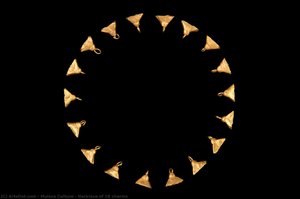
muisca culture
Colombia
Osnovne informacije
- Artistic Movement Or Style: Pre-Columbian
- Date Of Birth: (Unknown)
- Date Of Death: (Living)
- Full Name: Muisca Culture
- Nationality: Colombian
- Notable Artworks:
- Necklace of tubular beads
- Zoomorphic figure
- Máscara
- Place Of Birth: Cundinamarca, Colombia