

 Pregledaj u prostoru
 Pošalji
 Podeli
 Detalji o delu

 Преузми
 Slični predmeti
 Rendgenski snimak
 Slajdovi
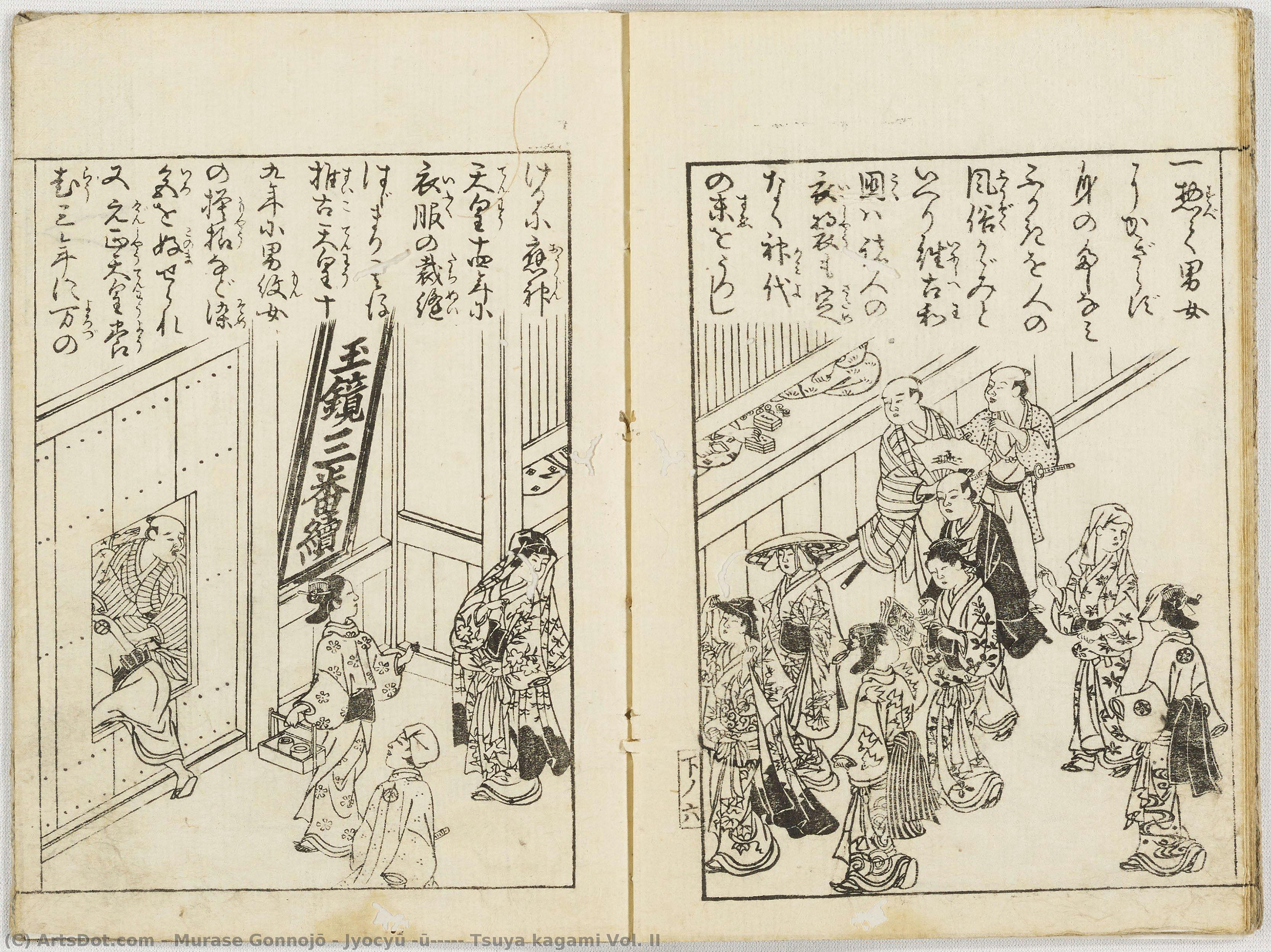
Jyocyū Fūhzoku Tsuya kagami Vol. II
 23.0 x 16.0 cm
 Kyoto Prefectural Library and Archives
 Pročitaj više
Ručno rađena uljana reprodukcija
Ručno oslikano uljanim bojama na platnu u dimenzijama i okviru po vašem izboru, izrađeno po porudžbini od strane naših umetnika. ( Kupi print Kupi digitalnu sliku)




































Izaberite jednu od naših unapred definisanih veličina koje odgovaraju originalnim proporcijama umetničkog dela.

Можете унети сопствене димензије како бисте прилагодили дело одређеном оквиру или простору. Ако одабрана величина не одговара пропорцијама оригинала, слика ће бити исечена или проширена додатним елементима који се ручно насликавају. Дигитални prikaz ће вам бити послат на одобрење пре почетка производње.
Имајте на уму да преглед на екрану не одражава стварно исецање или проширење. Само приказ (mockup) ће тачно приказати коначну композицију.
Иако су доступне прилагођене величине, препоручујемо да одаберете димензију из дефинисане листе како бисте сачували оригиналне пропорције.
Nakon narudžbine, tim ArtsDot.com će klijentu putem e-pošte poslati uputstva i dostaviti prikaz predloženog rešenja
Isporuka širom sveta () za 3/4 nedelje umesto uobičajenih 5 nedelja. (7 септембар). Bez kompromisa po pitanju kvaliteta.

Besplatna ekspresna dostava širom sveta

Visokokvalitetno laneno platno

Kompletno osiguranje transporta

Garancija povraćaja carine i uvoznih dažbina

Garancija vernosti boja

Politika povraćaja u roku od 100 dana (isključivo u slučaju nedostataka)

Garancija povrata novca od 100%

Popust pri grupnoj kupovini
 Opcija sa staklom dostupna je samo za dimenzije manje od 110 cm

Jyocyū Fūhzoku Tsuya kagami Vol. II
Tehnika reprodukcije
Dimenzije reprodukcije
-


Konačna cena
$ 263
Srodna umetnička dela









Biografija umetnika
The Soul of the Edo Period: The Life and Art of Murase Gonnojō
In the vibrant, bustling heart of Japan’s Edo period, a time of profound cultural flourishing and urban refinement, there emerged a voice both literary and visual that captured the ephemeral beauty of daily life. Murase Gonnojō, also known by his artistic moniker Ejima Kiseki, was a master of nuance whose work bridged the gap between the written word and the painted image. Born in the historic city of Kyoto around 1666, Gonnojō lived through an era where the rise of the merchant class fueled a new appetite for art that celebrated the pleasures, landscapes, and social intricacies of Japanese society. His life, spanning from the late seventeenth century to his passing in 1735, was deeply embedded in the artistic currents of Kyoto, a city that served as the cultural soul of Japan.
The artistry of Murase Gonnojō is most profoundly felt through his mastery of woodblock prints and ink painting. His work does not merely depict scenes; it breathes life into them. Through the delicate application of ink and the precise carving of woodblocks, he captured the grace of Japanese women, the serene majesty of sweeping landscapes, and the intimate, often fleeting moments of everyday existence. There is a rhythmic quality to his compositions, a sense of movement that suggests the rustle of silk or the gentle breeze through a bamboo grove. His ability to weave narrative depth into visual form allowed him to explore themes of fūzoku—the customs and manners of the people—with an intimacy that resonated deeply with his contemporaries.
A Legacy Carved in Wood and Ink
The technical brilliance of Gonnojō’s work is perhaps best exemplified in his celebrated series, which remain vital treasures in collections such as the Kyoto Prefectural Library and Archives. Notable works include:
- Jyocyū Fūhzoku Tsuya Kagami (Vol. II): A masterful woodblock print that serves as a reflective mirror of contemporary customs and elegance.
- Onna Fūhzoku Tama Kagami (Vol. I): An exquisite exploration of feminine beauty and the social graces of the era.
While his primary medium was the traditional woodblock, his spirit prefigured the expressive freedom found in later movements. Though often associated with the established traditions of his time, his emphasis on the artist's unique vision echoes the sentiments of the sōsaku-hanga movement, where the creator acts as the sole architect of self-expression. This dedication to a personal aesthetic allowed him to transcend mere documentation, turning his prints into poetic meditations on the Japanese identity.
Influence and Enduring Significance
The ripples of Murase Gonnojural’s influence extended far beyond his own lifetime, touching the hands of the masters who followed him. The stylistic foundations he laid—the delicate balance of line, the evocative use of negative space, and the celebration of cultural motifs—provided a fertile ground for legendary artists such as Suzuki Harunobu and Utagawa Kuniyoshi. His ability to elevate the "floating world" into a realm of high art helped shape the trajectory of Japanese printmaking for generations.
Today, the legacy of Murase Gonnojō stands as a testament to the enduring power of the Edo period's aesthetic spirit. His works are more than historical artifacts; they are windows into a lost world of refinement and grace. For art lovers and historians alike, exploring his oeuvre is an invitation to rediscover the delicate textures of Japanese history, preserved forever in the timeless elegance of his ink and wood.
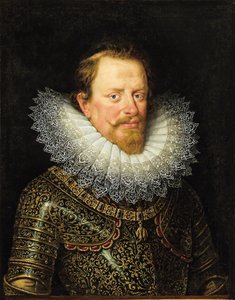
murase gonnojō
1666 - 1735 , Japan
Osnovne informacije
- Artistic Movement Or Style: Woodblock prints and ink painting
- Artists Or Movements Influenced By This Artist:
- Suzuki Harunobu
- Utagawa Kuniyoshi
- Date Of Birth: 1666
- Date Of Death: July 20, 1735
- Full Name: Murase Gonnojō
- Nationality: Japanese
- Notable Artworks:
- Jyocyū fūhzoku tsuya kagami vol. ii
- Onna fūhzoku tama kagami vol. i
- Place Of Birth: Kyoto, Japan