

 Pregledaj u prostoru
 Pošalji
 Podeli
 Detalji o delu

 Преузми
 Slični predmeti
 Rendgenski snimak
 Slajdovi
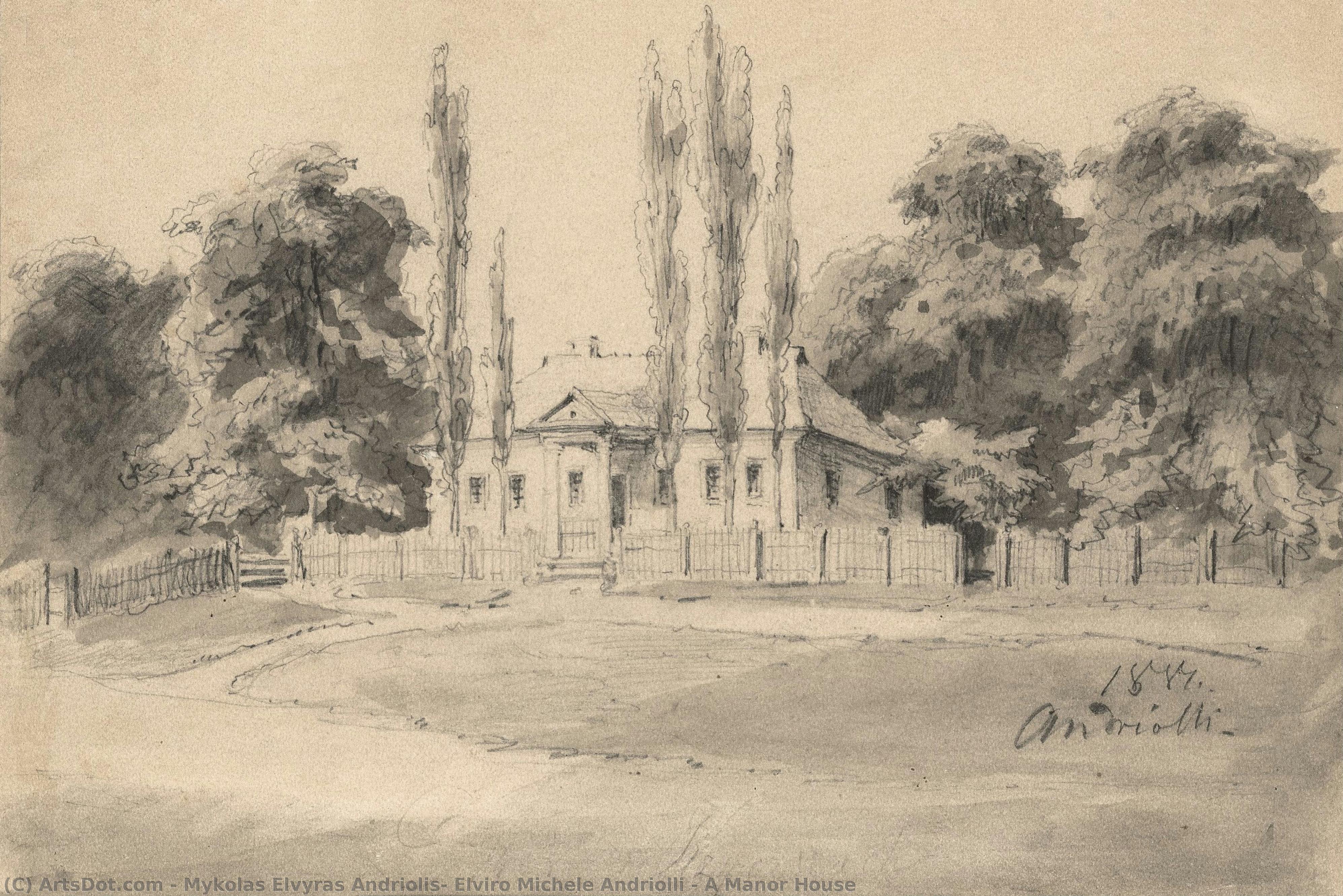
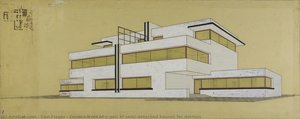
A Manor House
 Drawing
- WallArt
- Realism
 1881
1881- 19th Century
 5.0 x 25.0 cm
 Lithuanian Art Centre TARTLE
 Pročitaj više
Kupite digitalnu sliku visoke rezolucije i poboljšanog kvaliteta, koja je znatno superiornija od onoga što vidite u online prikazu.
Svaka datoteka je pedantno pripremljena od strane naših stručnjaka koristeći napredne alate i profesionalnu ručnu retušu. Osiguravamo da svaka slika ima izuzetnu oštrinu, preciznu reprodukciju boja i fine detalje.
Konačna datoteka se dostavlja putem e-pošte u roku od 72 sata, optimizovana za neposrednu upotrebu u profesionalnim, izdavačkim i štamparskim okruženjima. To je isti kvalitet kojem veruju vrhunski studiji dizajna, izdavači i galerije.
Digitalna slika
Preuzmite datoteku visoke rezolucije za ličnu upotrebu, štampanje i kreativne projekte. ( Kupi print Kupi ručno naslikanu sliku)
Uključeno uz svaku porudžbinu digitalne slike
Profesionalna digitalna isporuka, zagarantovana
Kada odaberete ArtsDot.com, ne dobijate samo sliku – vi primate profesionalno unapređeno digitalno umetničko delo, izrađeno sa najvećom preciznošću i uz garanciju zadovoljstva. Evo svega što automatski dolazi uz vašu porudžbinu:

Brza dostava putem e-pošte
Vaša digitalna slika visoke rezolucije biće vam poslata putem e-pošte u roku od 72 sata od poručivanja – spremna za trenutnu upotrebu.

Digitalna datoteka unapređena veštačkom inteligencijom
Vaše umetničko delo je profesionalno optimizovano korišćenjem naprednih AI alata i ručne obrade, čime se osiguravaju maksimalni detalji, oštrina i preciznost boja.

Besplatna ponovna isporuka doživotno
Slučajno ste obrisali ili izgubili svoju datoteku? Ne brinite – poslaćemo vam je ponovo u bilo kom trenutku, potpuno besplatno.

Bez troškova uvoza – zauvek
Uživajte u svojim umetničkim delima trenutno, bez carine, dažbina ili troškova dostave – digitalni download je uvek bez poreza.

Garancija vernosti boja
Uz pomoć profesionalnih alata i upravljanja bojama, osiguravamo da vaša digitalna slika što vernije odražava originalne boje.

Garancija zadovoljstva u roku od 100 dana
Ako niste zadovoljni svojom digitalnom slikom, revidirat ćemo je ili vratiti 100% novca u roku od 100 dana – bez ikakvih pitanja.

100% garancija povrata novca
Niste zadovoljni? Obezbedite pun povrat novca u roku od 100 dana od trenutka kada ste primili svoju digitalnu datoteku – bez suvišnih pitanja.

Popusti na velike porudžbine
Kupite 3 slike, uštedite 10% - Kupite 5 slika, uštedite 15% - Kupite 10+ slika, uštedite 20%. Odlično za kreativne projekte, galerije i agencije.
Srodna umetnička dela
Biografija umetnika
Winslow Homer: A Master of American Light and Emotion
Winslow Homer (February 24, 1836 – September 29, 1910) stands as a towering figure in the history of American art, a painter whose evocative depictions of the sea, rural life, and human experience profoundly shaped the nation’s artistic identity. Born in Boston, Massachusetts, into a family marked by both privilege and instability, Homer's journey from commercial illustrator to celebrated artist is a testament to his extraordinary talent and unwavering dedication. His work wasn’t merely about capturing scenes; it was about imbuing them with feeling, revealing the complexities of human existence within the vastness of nature.Early Life and Influences: From Commercial Art to Artistic Awakening
Homer's childhood was a blend of comfort and turbulence. His father, Charles Homer, a restless businessman, pursued fortune in California during the Gold Rush before abruptly abandoning his family, leaving them financially insecure and emotionally adrift. This instability profoundly impacted young Winslow, fostering within him a deep appreciation for resilience and an acute awareness of human vulnerability. His mother, Henrietta Maria Benson Homer, however, provided a crucial foundation – she was a gifted amateur watercolorist who instilled in her son a love for art and observation from a very early age. She taught him the fundamentals of painting, nurturing his talent and shaping his artistic sensibilities. Initially, Homer’s career began as a commercial illustrator, working for publications like Harper's Weekly and Ballou’s Pictorial, producing detailed drawings of everyday life – scenes of urban streets, portraits, and illustrations for popular stories. This early work honed his technical skills and developed his eye for composition, but it was not the path he envisioned for himself. The repetitive nature of commercial art ultimately led him to seek a more expressive outlet, a desire that would drive him towards painting.Developing His Style: From Realism to Romantic Intensity
Homer’s artistic development can be traced through distinct phases. Initially influenced by the realism of artists like George Caleb Bingham, he produced detailed depictions of rural life in Missouri and Pennsylvania, capturing the dignity and hardship of working-class Americans. However, it was his time spent sketching at sea that truly transformed his style. Beginning in the 1860s, Homer embarked on a series of extended voyages aboard fishing schooners, meticulously documenting the lives of fishermen and sailors. These experiences profoundly impacted his work, imbuing it with a sense of immediacy, raw emotion, and an unparalleled understanding of light and atmosphere. He moved away from strict realism, embracing a more expressive approach that blended observation with imagination. His brushwork became looser, more dynamic, and imbued with a palpable energy—a hallmark of his later masterpieces. Works like *Snap the Whip* (1873) and *The Veteran in a New Field* (1863) exemplify this shift, capturing not just the physical appearance of subjects but also their inner lives and struggles.Major Works and Themes: The Sea, Labor, and American Identity
Homer’s most celebrated works often centered around the sea—a recurring motif that reflected his deep connection to nature and his fascination with human endurance in the face of adversity. *Breezing Up (A Fair Wind)* (1873-76) is a prime example, depicting a group of fishermen enjoying a moment of respite after a long voyage, capturing both the joy and the precariousness of their existence. He also explored themes of labor, portraying the dignity and resilience of working people—fishermen, farmers, and laborers—with remarkable empathy. *The Gulf Stream* (1899), a monumental painting depicting a drowning sailor, is perhaps his most emotionally powerful work, conveying a sense of both tragedy and heroic endurance. Beyond these specific subjects, Homer’s paintings consistently grapple with fundamental questions about human existence: the relationship between humanity and nature, the impact of hardship on the human spirit, and the search for meaning in an indifferent universe.Legacy and Historical Significance
Winslow Homer's influence on American art is undeniable. He was a pivotal figure in the transition from academic painting to a more modern, emotionally resonant style. His masterful use of light, color, and brushwork—particularly his ability to capture the fleeting effects of sunlight on water—established him as one of the greatest landscape painters of his era. He helped establish American Realism as a distinct movement, paving the way for future generations of artists who sought to depict American life with honesty and immediacy. While initially overshadowed by other European masters, Homer’s work has since been recognized for its profound psychological depth and its enduring relevance to the American experience. Today, his paintings are celebrated in museums around the world, continuing to inspire awe and admiration for their beauty, power, and emotional resonance. His legacy endures as a testament to the transformative potential of art and the enduring spirit of America.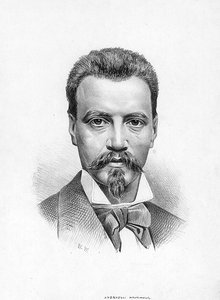
mykolas elvyras andriolis, elviro michele andriolli
1836 - 1893 , Lithuania
Kratke činjenice
- Artistic Movement Or Style: Realism, American Realism
- Artists Or Movements Influenced By This Artist: ['Sir Lawrence Alma-Tadema']
- Artists Who Influenced This Artist: ['Henrietta Homer']
- Date Of Birth: February 24, 1836
- Date Of Death: September 29, 1910
- Full Name: Winslow Homer
- Nationality: American
- Notable Artworks:
- Snap the Whip
- The Veteran in a New Field
- Breezing Up (A Fair Wind)
- Place Of Birth: Boston, Massachusetts