

 Pregledaj u prostoru
 Pošalji
 Podeli
 Detalji o delu

 Преузми
 Slični predmeti
 Rendgenski snimak
 Slajdovi
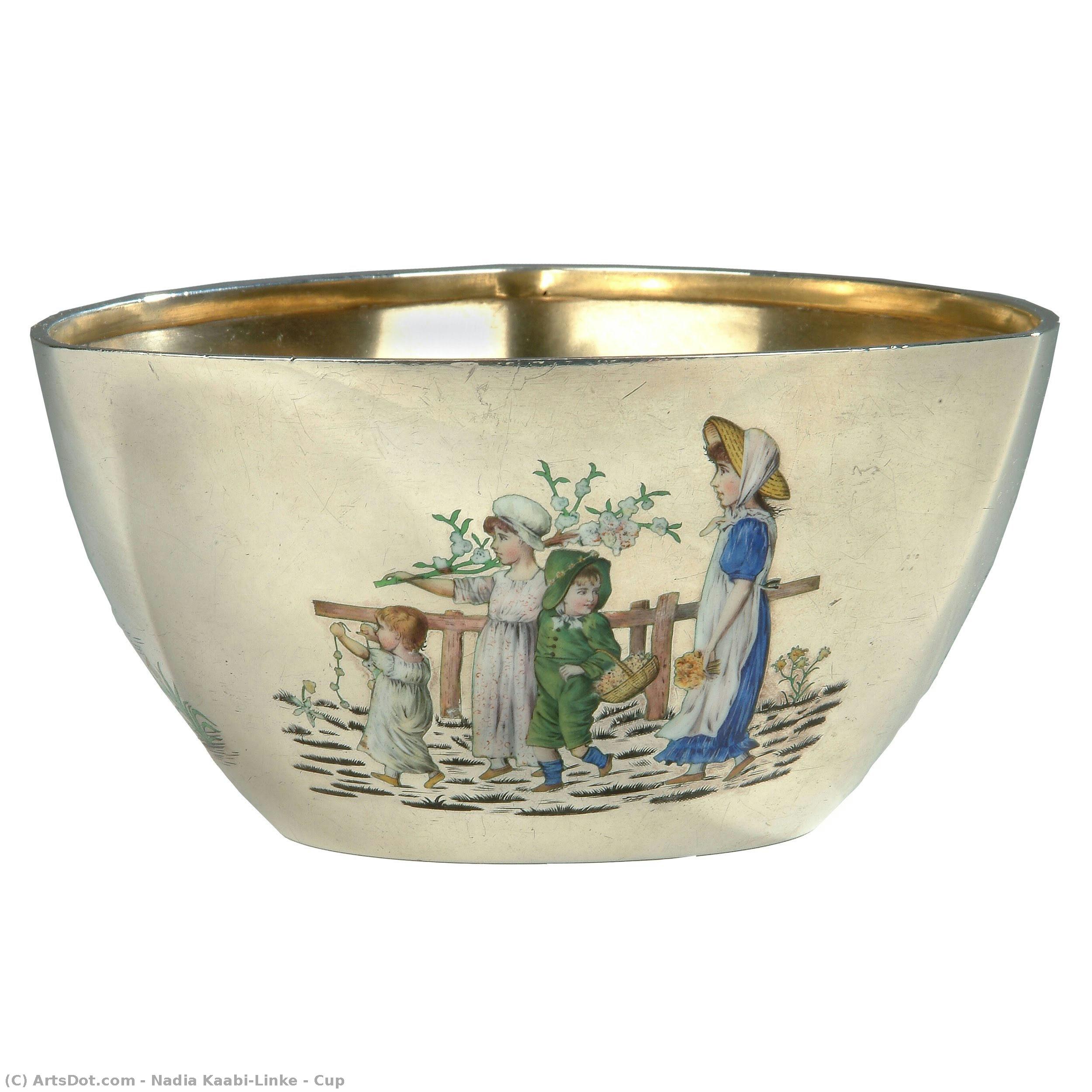
Cup


 Pročitaj više
Kupite digitalnu sliku visoke rezolucije i poboljšanog kvaliteta, koja je znatno superiornija od onoga što vidite u online prikazu.
Svaka datoteka je pedantno pripremljena od strane naših stručnjaka koristeći napredne alate i profesionalnu ručnu retušu. Osiguravamo da svaka slika ima izuzetnu oštrinu, preciznu reprodukciju boja i fine detalje.
Konačna datoteka se dostavlja putem e-pošte u roku od 72 sata, optimizovana za neposrednu upotrebu u profesionalnim, izdavačkim i štamparskim okruženjima. To je isti kvalitet kojem veruju vrhunski studiji dizajna, izdavači i galerije.
Digitalna slika
Preuzmite datoteku visoke rezolucije za ličnu upotrebu, štampanje i kreativne projekte. ( Kupi print Kupi ručno naslikanu sliku)
Uključeno uz svaku porudžbinu digitalne slike
Profesionalna digitalna isporuka, zagarantovana
Kada odaberete ArtsDot.com, ne dobijate samo sliku – vi primate profesionalno unapređeno digitalno umetničko delo, izrađeno sa najvećom preciznošću i uz garanciju zadovoljstva. Evo svega što automatski dolazi uz vašu porudžbinu:

Brza dostava putem e-pošte
Vaša digitalna slika visoke rezolucije biće vam poslata putem e-pošte u roku od 72 sata od poručivanja – spremna za trenutnu upotrebu.

Digitalna datoteka unapređena veštačkom inteligencijom
Vaše umetničko delo je profesionalno optimizovano korišćenjem naprednih AI alata i ručne obrade, čime se osiguravaju maksimalni detalji, oštrina i preciznost boja.

Besplatna ponovna isporuka doživotno
Slučajno ste obrisali ili izgubili svoju datoteku? Ne brinite – poslaćemo vam je ponovo u bilo kom trenutku, potpuno besplatno.

Bez troškova uvoza – zauvek
Uživajte u svojim umetničkim delima trenutno, bez carine, dažbina ili troškova dostave – digitalni download je uvek bez poreza.

Garancija vernosti boja
Uz pomoć profesionalnih alata i upravljanja bojama, osiguravamo da vaša digitalna slika što vernije odražava originalne boje.

Garancija zadovoljstva od 100 dana
Ako niste zadovoljni svojom digitalnom slikom, izvršićemo reviziju ili ćemo vam vratiti 100% novca u roku od 100 dana – bez ikakvih pitanja.

100% garancija povrata novca
Niste zadovoljni? Dobijte puni povraćaj novca u roku od 100 dana od prijema digitalne datoteke – bez suvišnih pitanja.

Popusti na velike porudžbine
Kupite 3 slike, uštedite 10% - Kupite 5 slika, uštedite 15% - Kupite 10+ slika, uštedite 20%. Odlično za kreativne projekte, galerije i agencije.
Nadia Kaabi-Linke’s “Cup”: A Vessel of Memory and Migration
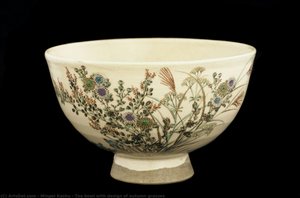
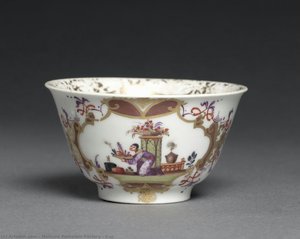
Nadia Kaabi-Linke's "Cup," a deceptively simple yet profoundly resonant work, invites viewers to contemplate the complex interplay between memory, displacement, and the enduring human need for connection. Born in Tunis, Tunisia, in 1978, Kaabi-Linke’s artistic practice is deeply rooted in her own migratory experiences – traversing continents from Kyiv to Dubai and ultimately settling in Berlin – a journey that has shaped her unique perspective on identity and belonging. This piece, rendered with meticulous detail on a metal surface, transcends the mere depiction of an object; it becomes a tangible embodiment of these interwoven narratives.
The artwork itself presents a decorative bowl, its form both familiar and subtly altered. The painting depicts a scene populated by figures – children, adults, and birds – arranged within a fenced-off area reminiscent of a village square or a communal gathering space. This arrangement immediately sparks questions about community, enclosure, and the limitations imposed upon human interaction. Kaabi-Linke’s masterful use of color—a palette dominated by earthy tones punctuated by flashes of vibrant blues and greens—evokes both nostalgia and a sense of yearning. The figures themselves are rendered with a remarkable sensitivity to detail, capturing fleeting expressions of joy, sorrow, and quiet contemplation.
Technique and Materiality: A Dialogue Between Tradition and Modernity
Kaabi-Linke’s technique is characterized by a deliberate juxtaposition of traditional and contemporary approaches. The metal surface provides a grounding element, anchoring the work in a sense of materiality and permanence. However, the painting itself employs techniques that blend realism with abstraction. The figures are rendered with a level of detail reminiscent of classical portraiture, yet their expressions and gestures are often ambiguous, inviting viewers to project their own interpretations onto the scene. The application of paint is layered and textured, creating a rich surface that seems to shimmer with light and shadow. This tactile quality further enhances the work’s emotional impact, drawing the viewer into its world.
Furthermore, the choice of metal—a material historically associated with craftsmanship and durability—adds another layer of significance to the piece. It speaks to a legacy of skilled artisans and a connection to the past. Yet, the painting itself is undeniably modern in its subject matter and execution, reflecting Kaabi-Linke’s engagement with contemporary issues of migration, displacement, and cultural identity.
Symbolism and Narrative: Echoes of Displacement
The imagery within “Cup” is rich with symbolic potential. The fenced-off area immediately suggests a sense of confinement and restriction, evoking the experience of being uprooted from one’s homeland and forced to navigate unfamiliar landscapes. The presence of children—often seen as symbols of innocence and hope—underscores the vulnerability of those displaced by conflict or circumstance. The birds, soaring above the scene, can be interpreted as emblems of freedom and aspiration, yet their position within the enclosure also hints at a longing for escape.
Kaabi-Linke has spoken extensively about her own experiences with migration and displacement, and “Cup” undoubtedly reflects these personal reflections. The painting is not simply a depiction of a specific place or event; it’s an exploration of universal themes—the search for belonging, the challenges of navigating new environments, and the enduring power of memory. It's a poignant reminder that even in moments of isolation and uncertainty, the human spirit remains resilient.
A Timeless Reflection: “Cup” as a Statement of Identity
Ultimately, "Cup" is more than just a beautiful artwork; it’s a powerful statement about identity—a testament to the ways in which our experiences shape who we are. Kaabi-Linke's ability to distill complex emotions and narratives into such a deceptively simple form is truly remarkable. The work invites viewers to contemplate their own relationships with place, memory, and community, prompting us to consider the shared human experience of displacement and longing. It’s a piece that will undoubtedly resonate with anyone who has ever felt like an outsider or yearned for connection.
Srodna umetnička dela




Biografija umetnika
The Cartography of Identity: The Life and Vision of Nadia Kaabi-Linke
Born in the vibrant, multicultural landscape of Tunis in 1978, Nadia Kaabi-Linke has cultivated a creative practice that serves as a profound meditation on the fluidity of borders and the complexities of human movement. Her early life was defined by a nomadic existence, traversing the diverse cultural landscapes of Kyiv, Dubai, and Paris before settling into her current role as a prominent figure in the Berlin art scene. This upbringing, characterized by a constant negotiation between different geographies and languages, instilled in her a deep-seated fascination with narratives that exist beyond nationalistic boundaries. It is this unique perspective—one that views the world not as a collection of fixed territories but as a web of interconnected journeys—that forms the very heartbeat of her conceptual explorations.
Kaabi-Linke’s intellectual foundation is as rigorous as it is expansive. After honing her technical skills at the Tunis Institute of Fine Arts, she pursued a doctorate in the Philosophy of Art from Sorbonne University. This academic depth allows her to approach sculpture and installation not merely as physical objects, but as philosophical inquiries into how art shapes our cultural understanding and challenges established societal structures. Her work rarely relies on purely aesthetic allure; instead, it prioritizes the weight of ideas, using materiality to interrogate the invisible lines that divide and connect us in an era of unprecedented global migration.
Materiality and Movement: The Language of Installation
The essence of Kaabi-Linke’s work lies in its ability to transform physical materials into powerful symbols of displacement and memory. She often utilizes textiles, maps, and architectural elements to create immersive environments that evoke the sensation of transit. Her approach is deeply rooted in the concept of transnational identity, where the medium itself becomes a vessel for stories of movement. By manipulating textures and forms, she invites the viewer to experience the psychological weight of being caught between worlds—the tension between the desire for belonging and the reality of flux.
One cannot discuss her contribution to contemporary art without addressing the monumental impact of her breakthrough project, “Flying Carpets.” Commissioned by the Abraaj Group Art Prize in 2011, this sprawling textile installation stands as a testament to her ability to weave complex geopolitical themes into a tangible, breathtaking experience. The work utilizes intricately woven fabrics to create an atmosphere that is simultaneously ethereal and grounded, reflecting the fragmented yet beautiful nature of migratory experiences. Through this piece, she successfully translated the abstract concept of global displacement into a sensory reality that resonates with audiences worldwide.
Global Recognition and Artistic Legacy
As her career progressed, Kaabi-Linke’s influence expanded far beyond the borders of Europe. Her recognition at prestigious international platforms, such as receiving the Discovery Prize for Emerging Art at Art Basel Hong Kong in 2014, solidified her status as a vital voice in the global contemporary art dialogue. Her exhibitions, spanning solo shows across North America and Europe, continue to challenge viewers to reconsider their perceptions of citizenship, sovereignty, and the human condition.
The historical significance of Nadia Kaabi-Linke’s work lies in its timely interrogation of the most pressing issues of our age: geopolitics, immigration, and the shifting nature of identity. Her ability to bridge the gap between high-level philosophical inquiry and visceral, sculptural installation ensures that her art remains a crucial touchstone for understanding the modern world. As her works find permanent homes in major museums across the globe, she leaves behind a legacy of art that does not merely observe the world's borders, but actively seeks to reimagine them.

nadia kaabi-linke
1978 - , Tunisia
Kratke činjenice
- Artistic Movement Or Style: Conceptual art
- Date Of Birth: 1978
- Full Name: Nadia Kaabi-Linke
- Nationality: Tunisian
- Notable Artworks: ['Flying Carpets']
- Place Of Birth: Tunis, Tunisia