

 Pregledaj u prostoru
 Pošalji
 Podeli
 Detalji o delu

 Преузми
 Slični predmeti
 Rendgenski snimak
 Slajdovi
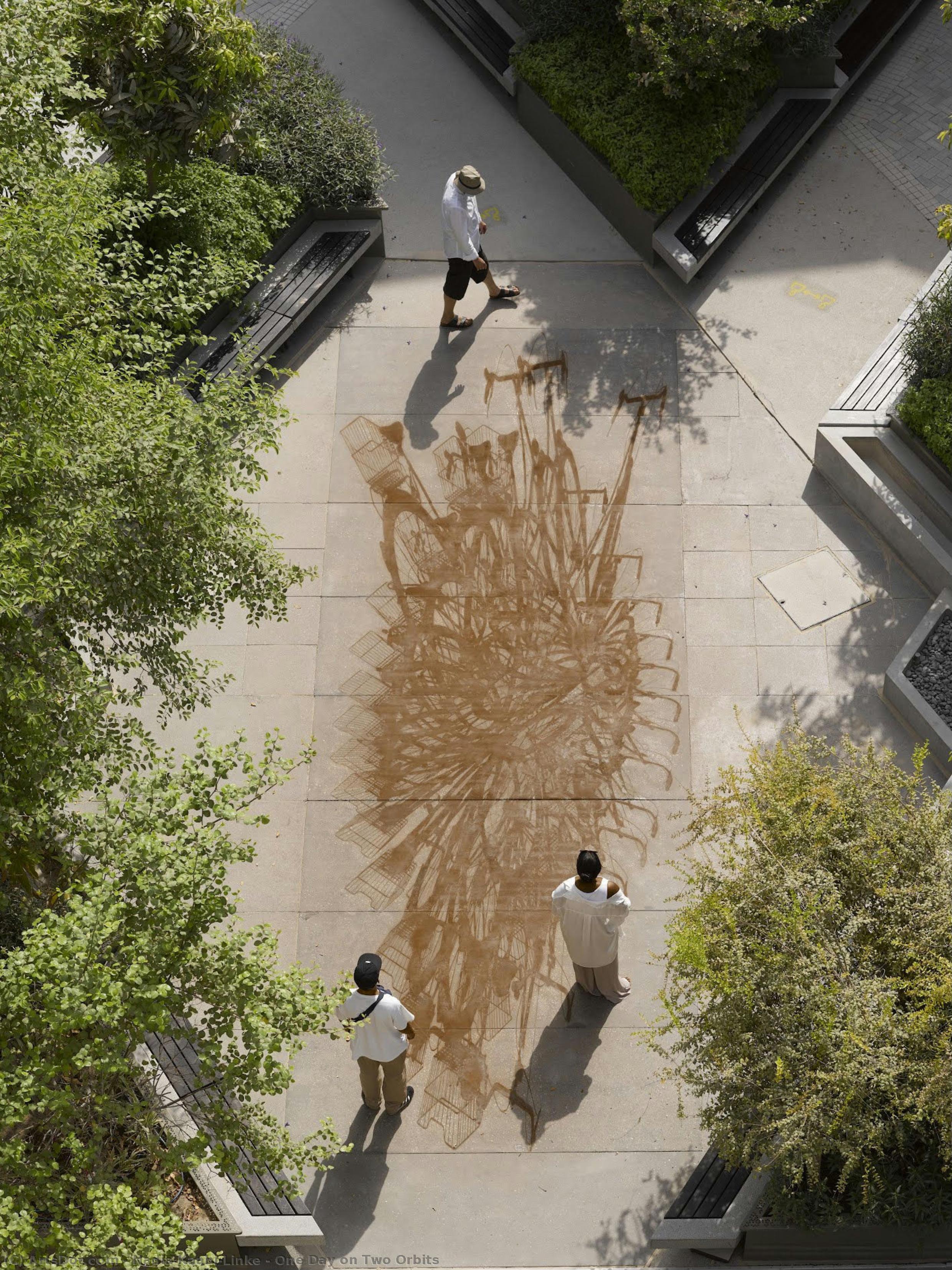
One Day on Two Orbits
 Mixed Media
- WallArt
- Contemporary Sculpture
 900.0 x 300.0 cm
 Expo 2020 Dubai
 Pročitaj više
Giclee štampa / Umetnički otisak
Giclée štampa ili print na platnu muzejskog kvaliteta uz brzu proizvodnju i fleksibilne opcije završne obrade. ( Kupi ručno naslikanu sliku Kupi digitalnu sliku)




































Izaberite jednu od naših unapred definisanih veličina koje odgovaraju originalnim proporcijama umetničkog dela.

Možete uneti sopstvene dimenzije kako biste umetničko delo prilagodili specifičnom okviru ili prostoru. Ako odabrani format ne odgovara proporcijama originalne slike, mi ćemo ili iscrtati deo dela ili proširiti sliku pomoću ogledane ivice ili jednobojnog popunjavanja. Digitalni prikaz će vam biti poslat na odobrenje pre početka proizvodnje.
Imajte na umu da pregled na ekranu ne odražava stvarno iscrtavanje ili proširivanje. Samo će prikaz (mockup) precizno pokazati finalnu kompoziciju.
Iako su prilagođene dimenzije dostupne, preporučujemo da odaberete dimenziju sa unapred definisane liste kako biste očuvali originalne proporcije.
Dostava širom sveta () za 2 nedelje umesto uobičajenih 4/5 nedelja. (7 септембар)

Besplatna ekspresna dostava širom sveta

Visokokvalitetno laneno platno

Kompletno osiguranje transporta

Garancija povraćaja carine i uvoznih dažbina

Garancija vernosti boja

Politika povraćaja u roku od 100 dana (isključivo u slučaju nedostataka)

Garancija povrata novca od 100%

Popust pri grupnoj kupovini
 Opcija sa staklom dostupna je samo za dimenzije manje od 110 cm

One Day on Two Orbits
Giclee štampa / Umetnički otisak
Dimenzije reprodukcije
-


Konačna cena
$ 62
The Ephemeral Dance of Time and Orbit
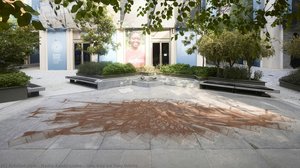
Nadia Kaabi-Linke’s monumental piece, "One Day on Two Orbits," is not merely an object to be observed; it is an experience to be absorbed—a meditation rendered in shadow and concrete. This profound work captures the invisible choreography of celestial mechanics, transforming the passage of a single day into a visible, breathtaking narrative. The sculpture itself memorializes the subtle yet monumental discovery made by Ibn al-Haytham: the understanding that the sun and moon traverse geometrically and temporally distinct paths. By rendering this abstract concept—the harmonization of different cultural understandings of time—Kaabi-Linke invites us to pause our modern rush and contemplate the deep, cyclical rhythms that govern both our planet and our very sense of self.
Symbolism Woven in Shadow
At its heart, the artwork speaks a universal language of connection and divergence. The central motif—the shadow cast by an unseen bicycle over the course of daylight—is deeply symbolic. It represents the journey, the passage through time itself, while simultaneously evoking the grand sweep of astronomical photography, reminiscent of distant, swirling galaxies. This interplay between the intimate scale of human movement (the bicycle) and the infinite scope of cosmic law (the orbits) creates a powerful tension. The resulting form, often interpreted as an expansive, winged silhouette—like an eagle in flight or a stylized bird—lends the piece an almost mythic quality, suggesting transcendence and elevated perspective.
Materiality and Scale: A Presence in Space
Presented on a grand scale of 900 x 300 cm, "One Day on Two Orbits" commands attention within any architectural setting. The use of concrete lends the piece an inherent gravitas, grounding its ethereal subject matter in tangible, enduring material. This juxtaposition—the permanence of stone against the fleeting nature of shadow—is key to its emotional resonance. When considering a reproduction for your space, one must appreciate how this monumental scale allows the viewer to walk around it, experiencing the narrative from multiple viewpoints, much like observing an actual celestial event.
A Dialogue Across Cultures and Eras
Kaabi-Linke’s background, rooted in traversing diverse cultural crossroads—from Tunis to Dubai—is palpable within this work. The piece is a tribute not only to scientific enlightenment but also to the act of cross-cultural understanding. It suggests that true knowledge requires bridging disparate viewpoints, much like harmonizing different calendar systems. Owning or displaying this artwork is an embrace of intellectual curiosity; it transforms a gallery wall or atrium floor into a locus for thoughtful dialogue about history, science, and humanity’s place within the vast continuum of time.
Srodna umetnička dela





Biografija umetnika
The Cartography of Identity: The Life and Vision of Nadia Kaabi-Linke
Born in the vibrant, multicultural landscape of Tunis in 1978, Nadia Kaabi-Linke has cultivated a creative practice that serves as a profound meditation on the fluidity of borders and the complexities of human movement. Her early life was defined by a nomadic existence, traversing the diverse cultural landscapes of Kyiv, Dubai, and Paris before settling into her current role as a prominent figure in the Berlin art scene. This upbringing, characterized by a constant negotiation between different geographies and languages, instilled in her a deep-seated fascination with narratives that exist beyond nationalistic boundaries. It is this unique perspective—one that views the world not as a collection of fixed territories but as a web of interconnected journeys—that forms the very heartbeat of her conceptual explorations.
Kaabi-Linke’s intellectual foundation is as rigorous as it is expansive. After honing her technical skills at the Tunis Institute of Fine Arts, she pursued a doctorate in the Philosophy of Art from Sorbonne University. This academic depth allows her to approach sculpture and installation not merely as physical objects, but as philosophical inquiries into how art shapes our cultural understanding and challenges established societal structures. Her work rarely relies on purely aesthetic allure; instead, it prioritizes the weight of ideas, using materiality to interrogate the invisible lines that divide and connect us in an era of unprecedented global migration.
Materiality and Movement: The Language of Installation
The essence of Kaabi-Linke’s work lies in its ability to transform physical materials into powerful symbols of displacement and memory. She often utilizes textiles, maps, and architectural elements to create immersive environments that evoke the sensation of transit. Her approach is deeply rooted in the concept of transnational identity, where the medium itself becomes a vessel for stories of movement. By manipulating textures and forms, she invites the viewer to experience the psychological weight of being caught between worlds—the tension between the desire for belonging and the reality of flux.
One cannot discuss her contribution to contemporary art without addressing the monumental impact of her breakthrough project, “Flying Carpets.” Commissioned by the Abraaj Group Art Prize in 2011, this sprawling textile installation stands as a testament to her ability to weave complex geopolitical themes into a tangible, breathtaking experience. The work utilizes intricately woven fabrics to create an atmosphere that is simultaneously ethereal and grounded, reflecting the fragmented yet beautiful nature of migratory experiences. Through this piece, she successfully translated the abstract concept of global displacement into a sensory reality that resonates with audiences worldwide.
Global Recognition and Artistic Legacy
As her career progressed, Kaabi-Linke’s influence expanded far beyond the borders of Europe. Her recognition at prestigious international platforms, such as receiving the Discovery Prize for Emerging Art at Art Basel Hong Kong in 2014, solidified her status as a vital voice in the global contemporary art dialogue. Her exhibitions, spanning solo shows across North America and Europe, continue to challenge viewers to reconsider their perceptions of citizenship, sovereignty, and the human condition.
The historical significance of Nadia Kaabi-Linke’s work lies in its timely interrogation of the most pressing issues of our age: geopolitics, immigration, and the shifting nature of identity. Her ability to bridge the gap between high-level philosophical inquiry and visceral, sculptural installation ensures that her art remains a crucial touchstone for understanding the modern world. As her works find permanent homes in major museums across the globe, she leaves behind a legacy of art that does not merely observe the world's borders, but actively seeks to reimagine them.

nadia kaabi-linke
1978 - , Tunisia
Osnovne informacije
- Artistic Movement Or Style: Conceptual art
- Date Of Birth: 1978
- Full Name: Nadia Kaabi-Linke
- Nationality: Tunisian
- Notable Artworks: ['Flying Carpets']
- Place Of Birth: Tunis, Tunisia
Povezani članci

Bronze Sculptures That Defined Art History | ArtsDot
Journey through art history with our Top 10 bronze sculptures! Explore masterpieces by Rodin, Michelangelo & more. Discover stories behind iconic statues and find museum-quality reproductions for your home decor at ArtsDot.com.

The Enduring Form: Exploring Themes & Techniques in Sculpture Across Historical Periods
Explore the rich history of sculpture from ancient masterpieces to contemporary innovations. Discover key techniques, influential artists & investment potential for discerning art collectors.

Bronze Age to Modern Masters: 10 Sculptures That Redefined Art | ArtsDot
Journey through art history with 10 legendary bronze sculptures – from Michelangelo's David to Rodin’s Thinker. Explore the stories, techniques & timeless beauty of these masterpieces. Find museum-quality reproductions & elevate your home decor on ArtsDot.com.

The Enduring Form: Sculpture Across History, Technique & Emotional Resonance
Explore the rich history of sculpture with ArtsDot. Discover key techniques, influential artists & investment potential for discerning collectors. Expert insights into valuing and collecting timeless masterpieces.

Top 10 dela geometrijske apstrakcije koje morate videti | ArtsDot.com
Istražite 10 remek-dela geometrijske apstrakcije – Mondrian, Malevič i Kandinski. Otkrijte priče iza ovih ikoničnih slika i pronađite inspiraciju za dekoraciju enterijera sa ArtsDot.com! Reprodukcije vrhunskog kvaliteta.