

 Pregledaj u prostoru
 Pošalji
 Podeli
 Detalji o delu

 Преузми
 Slični predmeti
 Rendgenski snimak
 Slajdovi
 Stats
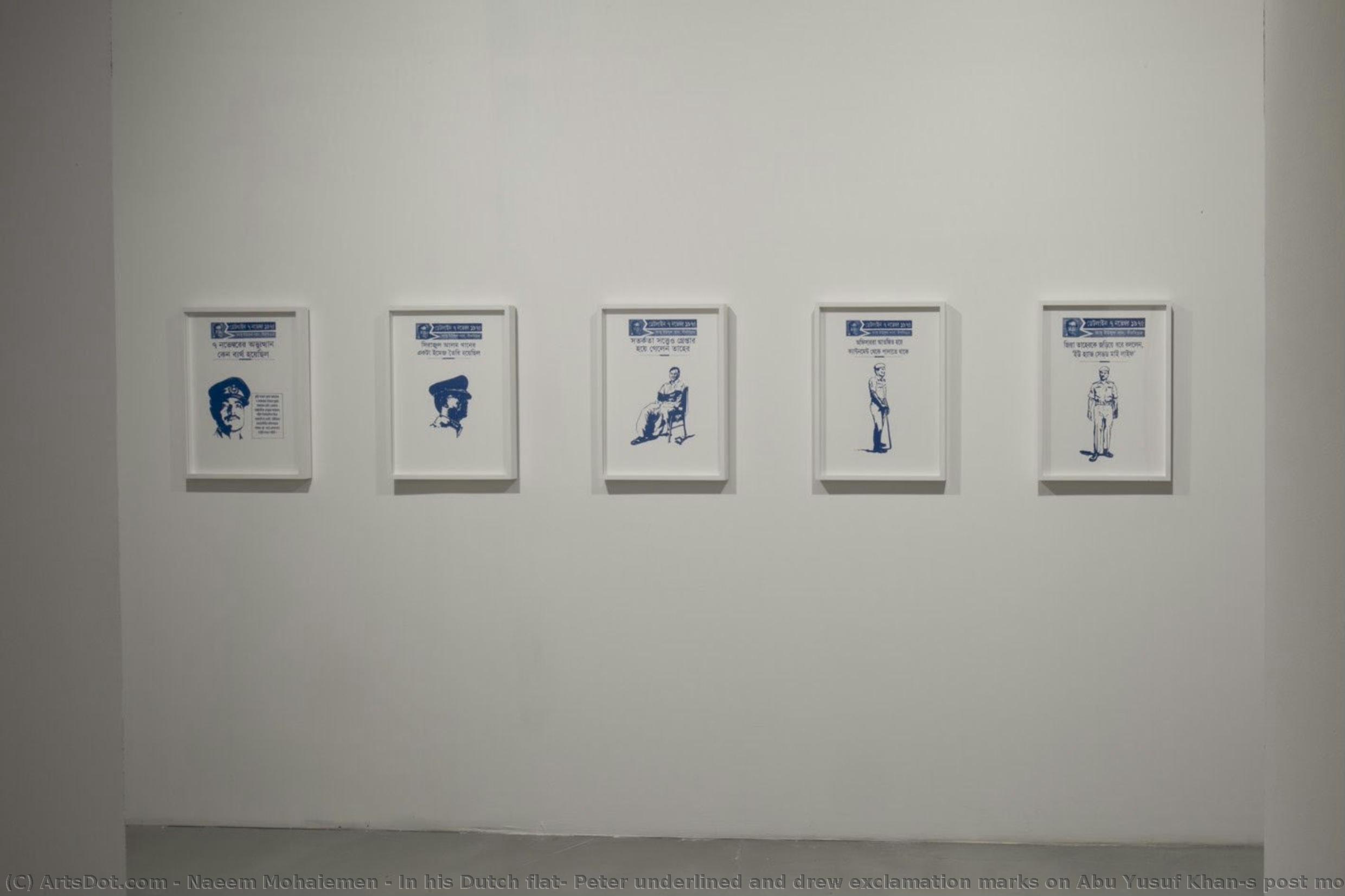
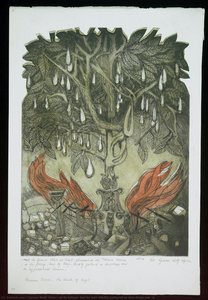
StatsIn his Dutch flat, Peter underlined and drew exclamation marks on Abu Yusuf Khan’s post mortem (the body is cold) of the November 7th, 1975 soldier’s mutiny. The headlines read: ‘Zia embraced Taher and said “You have saved my life”’; ‘The Officers we....


 Pročitaj više
Kupite digitalnu sliku visoke rezolucije i poboljšanog kvaliteta, koja je znatno superiornija od onoga što vidite u online prikazu.
Svaka datoteka je pedantno pripremljena od strane naših stručnjaka koristeći napredne alate i profesionalnu ručnu retušu. Osiguravamo da svaka slika ima izuzetnu oštrinu, preciznu reprodukciju boja i fine detalje.
Konačna datoteka se dostavlja putem e-pošte u roku od 72 sata, optimizovana za neposrednu upotrebu u profesionalnim, izdavačkim i štamparskim okruženjima. To je isti kvalitet kojem veruju vrhunski studiji dizajna, izdavači i galerije.
Digitalna slika
Preuzmite datoteku visoke rezolucije za ličnu upotrebu, štampanje i kreativne projekte. ( Switch to Print Kupi ručno naslikanu sliku)
Uključeno uz svaku porudžbinu digitalne slike
Profesionalna digitalna isporuka, zagarantovana
Kada odaberete ArtsDot.com, ne dobijate samo sliku – vi primate profesionalno unapređeno digitalno umetničko delo, izrađeno sa najvećom preciznošću i uz garanciju zadovoljstva. Evo svega što automatski dolazi uz vašu porudžbinu:

Brza dostava putem e-pošte
Vaša digitalna slika visoke rezolucije biće vam poslata putem e-pošte u roku od 72 sata od poručivanja – spremna za trenutnu upotrebu.

Digitalna datoteka unapređena veštačkom inteligencijom
Vaše umetničko delo je profesionalno optimizovano korišćenjem naprednih AI alata i ručne obrade, čime se osiguravaju maksimalni detalji, oštrina i preciznost boja.

Besplatna ponovna isporuka doživotno
Slučajno ste obrisali ili izgubili svoju datoteku? Ne brinite – poslaćemo vam je ponovo u bilo kom trenutku, potpuno besplatno.

Bez troškova uvoza – zauvek
Uživajte u svojim umetničkim delima trenutno, bez carine, dažbina ili troškova dostave – digitalni download je uvek bez poreza.

Garancija vernosti boja
Uz pomoć profesionalnih alata i upravljanja bojama, osiguravamo da vaša digitalna slika što vernije odražava originalne boje.

Garancija zadovoljstva od 100 dana
Ako niste zadovoljni svojom digitalnom slikom, izvršićemo reviziju ili ćemo vam vratiti 100% novca u roku od 100 dana – bez ikakvih pitanja.

100% garancija povrata novca
Niste zadovoljni? Dobijte puni povraćaj novca u roku od 100 dana od prijema digitalne datoteke – bez suvišnih pitanja.

Popusti na velike porudžbine
Kupite 3 slike, uštedite 10% - Kupite 5 slika, uštedite 15% - Kupite 10+ slika, uštedite 20%. Odlično za kreativne projekte, galerije i agencije.
Srodna umetnička dela





Biografija umetnika
A Cartography of Memory and Resistance
Naeem Mohaiemen’s artistic practice exists at the intersection of historical excavation and profound personal reflection. Born in London in 1969, his early life was shaped by the nuances of the diaspora, a formative experience that instilled a lifelong sensitivity to the themes of displacement, cultural encounter, and the shifting boundaries of identity. Moving between the landscapes of Libya, Bangladesh, and the United States, Mohaiemen has developed a visual language that does not merely observe history but actively interrogates it. His work serves as a vital bridge between the personal and the political, weaving together the fragmented threads of postcolonial narratives to reveal the enduring legacies of colonialism and revolution.
His academic journey further enriched this investigative approach. After attending the New Tripoli School in Libya and St. Joseph’s Jesuit School in Dhaka, he pursued higher education at Oberlin College, eventually earning a PhD in Anthropology from Columbia University in 2019. This scholarly foundation in anthropology allows him to approach his art with the rigor of a researcher, treating archives, newsreels, and personal testimonies as raw materials for a deeper exploration of how history is constructed, remembered, and often misrecognized.
The Cinematic Archive: Reclaiming Lost Narratives
Mohaiemen’s most striking contributions often manifest through the medium of film and installation, where he utilizes the moving image to breathe life into forgotten or suppressed histories. His cinematic endeavors are characterized by a meticulous attention to detail and an ability to find the human pulse within vast geopolitical shifts. Through projects such as The Young Man Was, he explores the fractured history of the 1970s revolutionary left, using film to trace the connections between global movements that were often obscured by the tides of state power.
His filmography includes several landmark works that have resonated on the international stage:
- United Red Army (2011): A haunting exploration of the 1977 hijacking of Japan Airlines Flight 472, examining the radicalism and consequences of militant political action.
- Afsan’s Long Day (2014): A piece that delves into the anti-Maoist manhunts in Bangladesh, premiered at the Museum of Modern Art, New York.
- Last Man in Dhaka Central (2015): A poignant narrative tracing the life of Peter Custers, a Dutch academic caught in the turbulence of the 1975 Bangladeshi military coups.
- Tripoli Cancelled (2017): A contemplative portrait of solitude and urban decay, which received significant acclaim at Documenta 14.
In these works, Mohaiemen does not simply present facts; he creates an immersive experience where the viewer must grapple with the weight of the past. By layering archival footage with personal narratives, he exposes the "accidental trojan horse" of revolutionary movements—how global solidarity can lead to both profound connection and tragic misrecognition.
Legacy and Global Significance
The significance of Naeem Mohaiemen’s work lies in his ability to transform the study of South Asian postcolonial markers—specifically the 1947 partition and the 1971 Bangladesh Liberation War—into a universal meditation on belonging and resistance. His art challenges the sanitized versions of history often presented by nation-states, instead offering a "fragmentary history" that honors the complexity of struggle. Through his participation in prestigious platforms like Documenta 14, the Venice Biennale, and the Tate Britain, he has brought the specificities of Bangladeshi history into a global dialogue.
Today, as an Associate Professor of Visual Arts at Columbia University, Mohaiemen continues to push the boundaries of contemporary art. His practice remains a testament to the power of the artist as a witness, using photography, essays, and installation to ensure that the voices of the displaced and the revolutionary are never truly lost to the shadows of time. His work stands as a monumental effort to reconstruct a global history of postcolonial possibility, reminding us that the act of remembering is, in itself, an act of resistance.
naeem mohaiemen
1969 - , Bangladesh
Kratke činjenice
- Artistic Movement Or Style: Film, Photography, Installation
- Artists Or Movements Influenced By This Artist: ['Documenta']
- Artists Who Influenced This Artist:
- Turner Prize
- Andy Warhol Foundation
- Full Name: Naeem Mohaiemen
- Nationality: British Bangladeshi
- Notable Artworks:
- Tripoli Cancelled
- Kazi in Nomansland
- Place Of Birth: London, UK