

 Pregledaj u prostoru
 Pošalji
 Podeli
 Detalji o delu

 Преузми
 Slični predmeti
 Rendgenski snimak
 Slajdovi
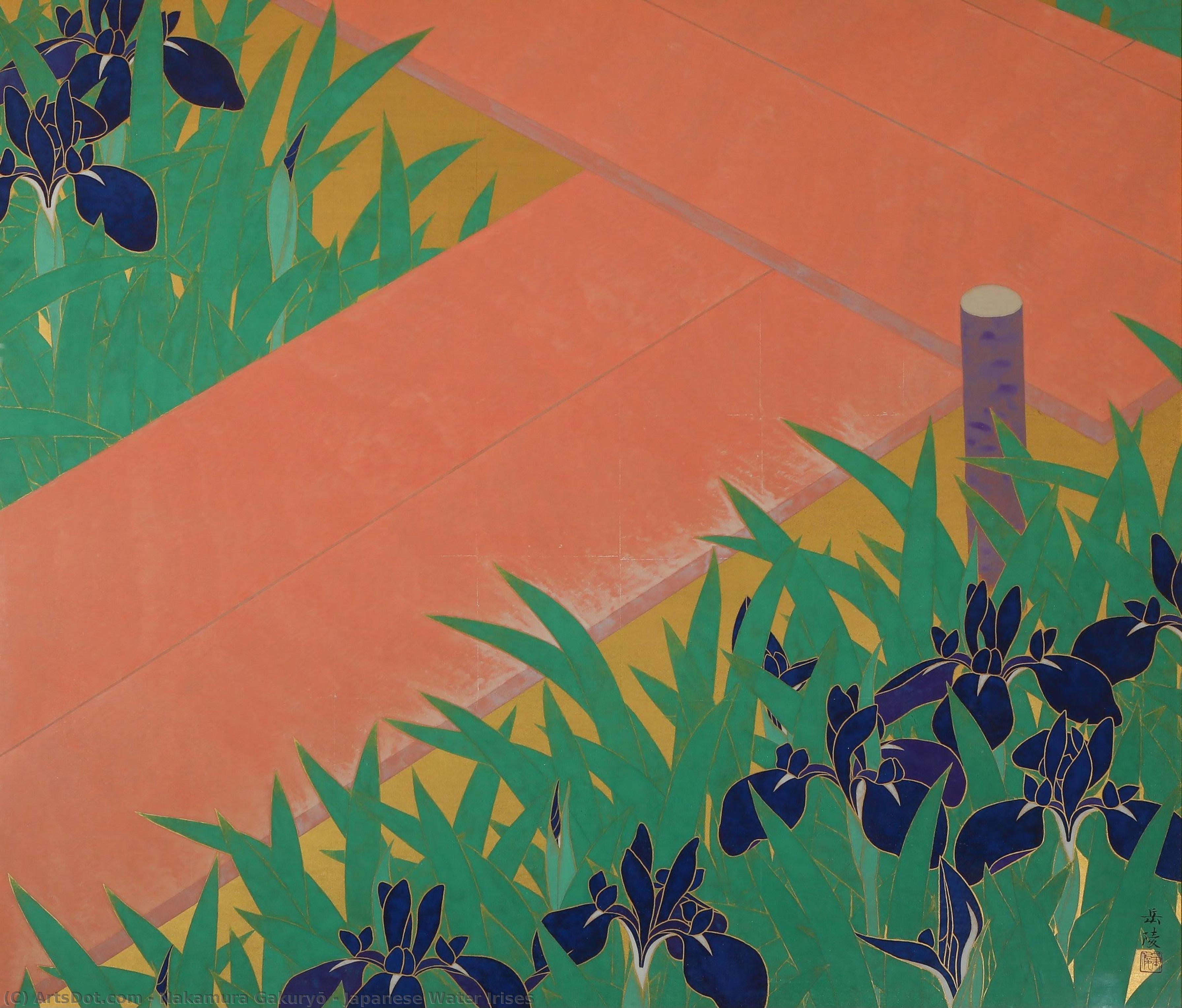
Japanese Water Irises
 91.0 x 105.0 cm
 Pročitaj više
Giclee štampa / Umetnički otisak
Giclée štampa ili print na platnu muzejskog kvaliteta uz brzu proizvodnju i fleksibilne opcije završne obrade. ( Kupi ručno naslikanu sliku Kupi digitalnu sliku)




































Izaberite jednu od naših unapred definisanih veličina koje odgovaraju originalnim proporcijama umetničkog dela.

Možete uneti sopstvene dimenzije kako biste umetničko delo prilagodili specifičnom okviru ili prostoru. Ako odabrani format ne odgovara proporcijama originalne slike, mi ćemo ili iscrtati deo dela ili proširiti sliku pomoću ogledane ivice ili jednobojnog popunjavanja. Digitalni prikaz će vam biti poslat na odobrenje pre početka proizvodnje.
Imajte na umu da pregled na ekranu ne odražava stvarno iscrtavanje ili proširivanje. Samo će prikaz (mockup) precizno pokazati finalnu kompoziciju.
Iako su prilagođene dimenzije dostupne, preporučujemo da odaberete dimenziju sa unapred definisane liste kako biste očuvali originalne proporcije.
Dostava širom sveta () za 2 nedelje umesto uobičajenih 4/5 nedelja. (31 август)

Besplatna ekspresna dostava širom sveta

Visokokvalitetno laneno platno

Kompletno osiguranje transporta

Garancija povraćaja carine i uvoznih dažbina

Garancija vernosti boja

Politika povrata u roku od 60 dana (samo u slučaju nedostataka)

Garancija povrata novca od 100%

Popust pri grupnoj kupovini
 Opcija sa staklom dostupna je samo za dimenzije manje od 110 cm

Japanese Water Irises
Giclee štampa / Umetnički otisak
Dimenzije reprodukcije
-


Konačna cena
$ 62
Srodna umetnička dela


Biografija umetnika
The Genesis of a Visionary
Born amidst the serene, mist-shrouded landscapes of Izu in 1890, Nakamura Gakuryō emerged as a transformative force in the evolution of Japanese art. His early years were steeped in the profound traditions of his homeland, shaped significantly by the mentorship of Kawabe Mitate. Through this tutelage, Gakuryō did not merely learn to paint; he absorbed the very soul of the Rimpa and Tosa schools, weaving their historical lineages into a personal aesthetic that respected the past while looking toward a new era. His formal training at the Tokyo School of Fine Arts in 1912 provided the technical rigor necessary to bridge the gap between ancient Japanese sensibilities and the encroaching influence of Western artistic principles, creating a foundation upon which he would build a legendary career.A Movement of Revival
As the Taisho and Showa eras unfolded, Gakuryō became a central figure in the Kojikai group, working alongside luminaries such as Maeda Seison. This was far more than a mere artistic circle; it was a deliberate crusade to protect and reinvigorate the Nihonga style against the overwhelming tide of Western Impressionism. Gakuryō’s work during this period sought to establish traditional Japanese painting not as a relic of a bygone age, but as a vibrant, modern genre capable of expressing contemporary emotion. His brushwork began to exhibit a unique duality—a masterful blend of meticulous realism and an expressive, almost ethereal, fluidity that captured the ephemeral beauty of the natural world with unprecedented clarity.Imperial Grandeur and Eternal Beauty
The pinnacle of Gakuryō’s career was most visibly realized within the hallowed, silent halls of the Tokyo Imperial Palace. His ability to command large-scale spaces led to monumental commissions that remain landmarks of Japanese decorative art. In the Hōmei-den state banquet hall, his “Toyohata-gumo” tapestry—a breathtaking depiction of a tranquil bank of clouds—showcased his unparalleled skill in textile design and composition. Furthermore, his work within the Ume-no-Ma audience room, particularly the iconic “Kouhaku-bai”, stands as a testament to his ability to infuse massive architectural spaces with profound spiritual depth and movement.- Mastery of Motif: His delicate renderings of floral elements, such as the celebrated Japanese Water Irises, continue to enchant viewers with their lifelike grace and rhythmic composition.
- Architectural Integration: He possessed a rare talent for designing art that functioned in perfect harmony with the structural grandeur of imperial architecture.
- Historical Significance: As a pioneer of the Nihonga revival, his legacy is etched into the very fabric of Japan's modern art history, bridging the gap between tradition and modernity.
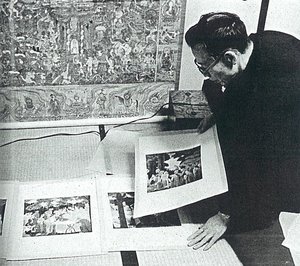
nakamura gakuryō
1890 - 1969 , Japan
Osnovne informacije
- Artistic Movement Or Style: Nihonga
- Artists Or Movements Influenced By This Artist: ['Maeda Seison']
- Artists Who Influenced This Artist: ['Kawabe Mitate']
- Date Of Birth: 1890
- Date Of Death: 1969
- Full Name: Nakamura Gakuryō
- Nationality: Japanese
- Notable Artworks:
- Toyohata-gumo
- Kouhaku-bai
- Place Of Birth: Izu, Japan

