

 Pregledaj u prostoru
 Pošalji
 Podeli
 Detalji o delu

 Преузми
 Slični predmeti
 Rendgenski snimak
 Slajdovi
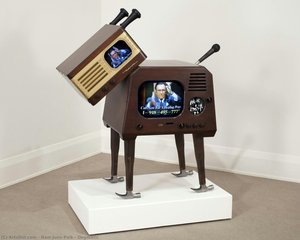
Elephant Cart


 Pročitaj više
Kupite digitalnu sliku visoke rezolucije i poboljšanog kvaliteta, koja je znatno superiornija od onoga što vidite u online prikazu.
Svaka datoteka je pedantno pripremljena od strane naših stručnjaka koristeći napredne alate i profesionalnu ručnu retušu. Osiguravamo da svaka slika ima izuzetnu oštrinu, preciznu reprodukciju boja i fine detalje.
Konačna datoteka se dostavlja putem e-pošte u roku od 72 sata, optimizovana za neposrednu upotrebu u profesionalnim, izdavačkim i štamparskim okruženjima. To je isti kvalitet kojem veruju vrhunski studiji dizajna, izdavači i galerije.
Digitalna slika
Preuzmite datoteku visoke rezolucije za ličnu upotrebu, štampanje i kreativne projekte. ( Kupi print Kupi ručno naslikanu sliku)
Uključeno uz svaku porudžbinu digitalne slike
Profesionalna digitalna isporuka, zagarantovana
Kada odaberete ArtsDot.com, ne dobijate samo sliku – vi primate profesionalno unapređeno digitalno umetničko delo, izrađeno sa najvećom preciznošću i uz garanciju zadovoljstva. Evo svega što automatski dolazi uz vašu porudžbinu:

Brza dostava putem e-pošte
Vaša digitalna slika visoke rezolucije biće vam poslata putem e-pošte u roku od 72 sata od poručivanja – spremna za trenutnu upotrebu.

Digitalna datoteka unapređena veštačkom inteligencijom
Vaše umetničko delo je profesionalno optimizovano korišćenjem naprednih AI alata i ručne obrade, čime se osiguravaju maksimalni detalji, oštrina i preciznost boja.

Besplatna ponovna isporuka doživotno
Slučajno ste obrisali ili izgubili svoju datoteku? Ne brinite – poslaćemo vam je ponovo u bilo kom trenutku, potpuno besplatno.

Bez troškova uvoza – zauvek
Uživajte u svojim umetničkim delima trenutno, bez carine, dažbina ili troškova dostave – digitalni download je uvek bez poreza.

Garancija vernosti boja
Uz pomoć profesionalnih alata i upravljanja bojama, osiguravamo da vaša digitalna slika što vernije odražava originalne boje.

Garancija zadovoljstva od 100 dana
Ako niste zadovoljni svojom digitalnom slikom, izvršićemo reviziju ili ćemo vam vratiti 100% novca u roku od 100 dana – bez ikakvih pitanja.

100% garancija povrata novca
Niste zadovoljni? Dobijte puni povraćaj novca u roku od 100 dana od prijema digitalne datoteke – bez suvišnih pitanja.

Popusti na velike porudžbine
Kupite 3 slike, uštedite 10% - Kupite 5 slika, uštedite 15% - Kupite 10+ slika, uštedite 20%. Odlično za kreativne projekte, galerije i agencije.
The Electric Echoes of “Elephant Cart”
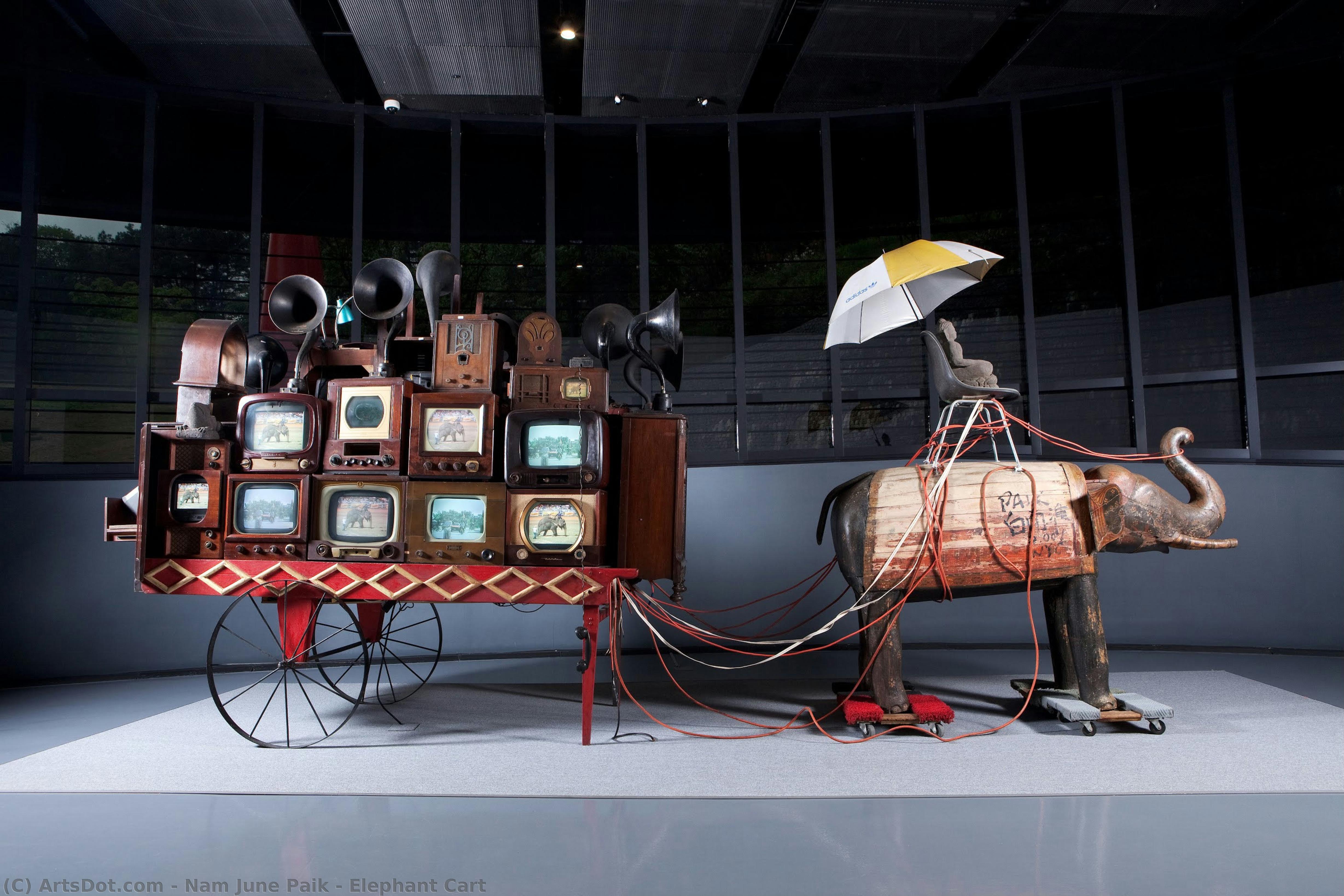
Nam June Paik’s “Elephant Cart,” created in 1999-2001, isn't merely a painting; it’s a meticulously constructed dialogue between the ancient and the utterly contemporary. At first glance, it presents a seemingly simple tableau: an elephant, rendered with a deliberate, almost archaic quality, pulling a brightly colored cart laden with television sets. Yet, beneath this surface lies a profound meditation on communication, memory, and the evolving relationship between humanity and technology – a theme that resonates powerfully even today.
The artwork’s genesis is deeply rooted in Paik's own journey as an immigrant, navigating the shifting landscapes of Korea, Japan, Germany, and America. Born in Seoul in 1932, he experienced firsthand the disruption and transformation brought about by war and globalization. This personal history informs “Elephant Cart,” transforming it into a potent symbol of displacement, adaptation, and the relentless flow of information across borders. The elephant itself can be interpreted as representing tradition, memory, and perhaps even the weight of cultural heritage – qualities that are simultaneously being challenged and reconfigured by the influx of new media.
A Symphony of Disruption: Technique and Materials
Paik’s masterful manipulation of materials is central to the artwork's impact. The elephant, painted with a thick impasto technique, possesses a tactile quality that grounds the scene in a tangible reality. Its form isn’t idealized; it’s slightly clumsy, almost cartoonish, lending it an immediate sense of familiarity and approachability. The cart, constructed from brightly colored plastic, provides a stark contrast to the elephant's more subdued palette, injecting a playful energy into the composition. Crucially, however, are the televisions themselves – not sleek, modern screens, but vintage models, radiating a nostalgic glow. These relics of a bygone era serve as anchors to the past, juxtaposed against the relentless forward momentum represented by the electric wires connecting them.
The use of red wiring is particularly significant. It’s not simply decorative; it visually represents the flow of information – the constant stream of data that now permeates our lives. The deliberate choice of red also carries connotations of urgency, warning, and even danger, subtly hinting at the potential pitfalls of an increasingly digitized world.
Decoding the Visual Language: Symbolism and Meaning
“Elephant Cart” operates on multiple symbolic levels. The elephant, a powerful symbol in Asian cultures, traditionally represents strength, wisdom, and longevity. Here, it’s burdened with the weight of obsolete technology, suggesting a critique of our reliance on outdated systems while simultaneously acknowledging their historical significance. The televisions, broadcasting images of elephants playing soccer – a surreal and almost absurd juxtaposition – further complicate the artwork's message. It’s a commentary on how media can distort reality, creating artificial narratives and shaping our perceptions.
The inclusion of the Buddha statue adds another layer of complexity. The Buddha represents enlightenment and spiritual awareness, suggesting that amidst the chaos of technological advancement, there is still a need for contemplation and inner peace. The overall composition invites viewers to consider how technology can both connect us and isolate us, fostering global communication while simultaneously fragmenting our individual experiences.
A Reflection on Communication in the Digital Age
Ultimately, “Elephant Cart” isn’t just a visual spectacle; it's a poignant reflection on the nature of communication in the 21st century. Paik anticipated the rise of the internet and its transformative impact on society long before it became a ubiquitous reality. The artwork serves as a powerful reminder that technology is not inherently good or bad, but rather a tool – one that must be wielded with careful consideration and critical awareness. The image’s enduring appeal lies in its ability to provoke thought, sparking conversations about our relationship with media, memory, and the future of human connection.
Srodna umetnička dela


Biografija umetnika
A Pioneer of the Electronic Landscape
Nam June Paik, a name synonymous with the birth of video art, was more than just an artist; he was a visionary who foresaw and then sculpted the burgeoning relationship between humanity and technology. Born in Seoul, Korea, in 1932, his life unfolded against a backdrop of immense geopolitical shifts – from the turmoil of the Korean War to the rise of global communication networks. This context profoundly shaped his artistic trajectory, fueling a relentless exploration of how electronic media could redefine perception, challenge convention, and ultimately, connect us all. Paik’s early life was steeped in privilege; his father owned a successful textile firm, affording him classical piano training from a young age – a discipline that instilled within him a deep understanding of structure, harmony, and the power of performance. However, the outbreak of the Korean War irrevocably altered this trajectory, forcing his family into exile, first to Hong Kong and then Japan. This displacement wasn’t merely a personal hardship; it was an awakening to the fragility of culture and the transformative potential of communication in a rapidly changing world.From Fluxus Provocations to Electronic Experimentation
Paik's intellectual journey continued with studies at the University of Tokyo, where he penned a thesis on Arnold Schoenberg, revealing an early fascination with avant-garde composition and its disruption of traditional forms. He then moved to West Germany, immersing himself in the burgeoning European art scene and studying music history at Munich University. It was here that his path converged with key figures who would profoundly influence his artistic development: Karlheinz Stockhausen, John Cage, George Maciunas, Joseph Beuys, and Wolf Vostell. This encounter led to his involvement with Fluxus in 1962, a radical art movement that championed conceptualism, chance operations, and the integration of everyday life into artistic practice. Paik’s early performances were often deliberately provocative, challenging audiences and blurring the boundaries between art and reality. A notorious incident involved disrupting a piano recital by attacking fellow artists – a gesture emblematic of Fluxus's rejection of established norms. However, it was his experimentation with television that truly set him apart. In 1963, at "Exposition of Music-Electronic Television" in Wuppertal, Germany, Paik began manipulating televisions using magnets, creating distorted and mesmerizing images – a pivotal moment marking the genesis of video art. This exploration wasn’t simply about altering an image; it was about deconstructing the very medium itself, revealing its inherent plasticity and potential for artistic expression. Collaborating with engineers Hideo Uchida and Shuya Abe, he developed the Abe-Paik Video Synthesizer, a crucial tool that allowed him to manipulate video signals in unprecedented ways, laying the groundwork for his future innovations.Collaboration, Performance, and the Expanding Canvas
A defining chapter in Paik’s artistic life was his collaboration with cellist Charlotte Moorman. Their partnership transcended conventional boundaries, resulting in groundbreaking performance pieces that fused music, video, and sculpture. Perhaps their most iconic creation was "TV Cello" (1971), a work featuring televisions arranged in the shape of a cello, blurring the lines between instrument and image. These performances were often daring and politically charged, pushing societal limits and occasionally leading to arrests – notably during “Opéra Sextronique” (1967). The introduction of Sony’s Portapak in 1965 proved revolutionary, granting Paik unprecedented mobility and control over video recording. He could now capture images outside the studio, transforming everyday life into raw artistic material. This newfound freedom allowed him to explore themes of identity, communication, and the impact of mass media on society with greater immediacy and intimacy. It was during this period that he coined the term “electronic superhighway,” a prescient vision anticipating the interconnectedness of global telecommunications networks – a concept that would later become synonymous with the "information superhighway."Legacy and Enduring Influence
Paik’s artistic output extended far beyond performance and early video installations. Works like “Electronic Superhighway” (1974), a sprawling multimedia installation, visually mapped out the potential for global communication, while “TV Buddha” (1974 onwards) – featuring a Buddha statue contemplating its own image on a closed-circuit television – offered a poignant meditation on self-reflection and the pervasive influence of technology. "Media Shuttle: New York - Moscow" (1978), created with Dimitri Devyatkin, used video to compare life in two vastly different cities during the Cold War, highlighting both commonalities and contrasts. Nam June Paik’s contribution to art history is immeasurable. He didn't merely adopt television as a medium; he transformed it into an artistic tool, challenging its passive nature and unlocking its potential for creative expression. His work anticipated many aspects of our technologically mediated world, solidifying his place as one of the most influential artists of the 20th century. He paved the way for countless artists working with digital media, video installations, and interactive technologies, leaving behind a legacy that continues to inspire and provoke thought in an increasingly interconnected age. His vision wasn’t simply about predicting the future; it was about actively shaping it through art – a testament to his enduring power and relevance.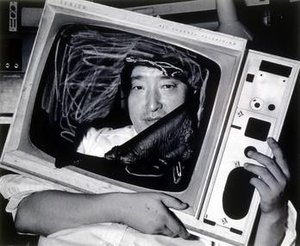
Nam June Paik
1932 - 2006