

 Pregledaj u prostoru
 Pošalji
 Podeli
 Detalji o delu

 Преузми
 Slični predmeti
 Rendgenski snimak
 Slajdovi
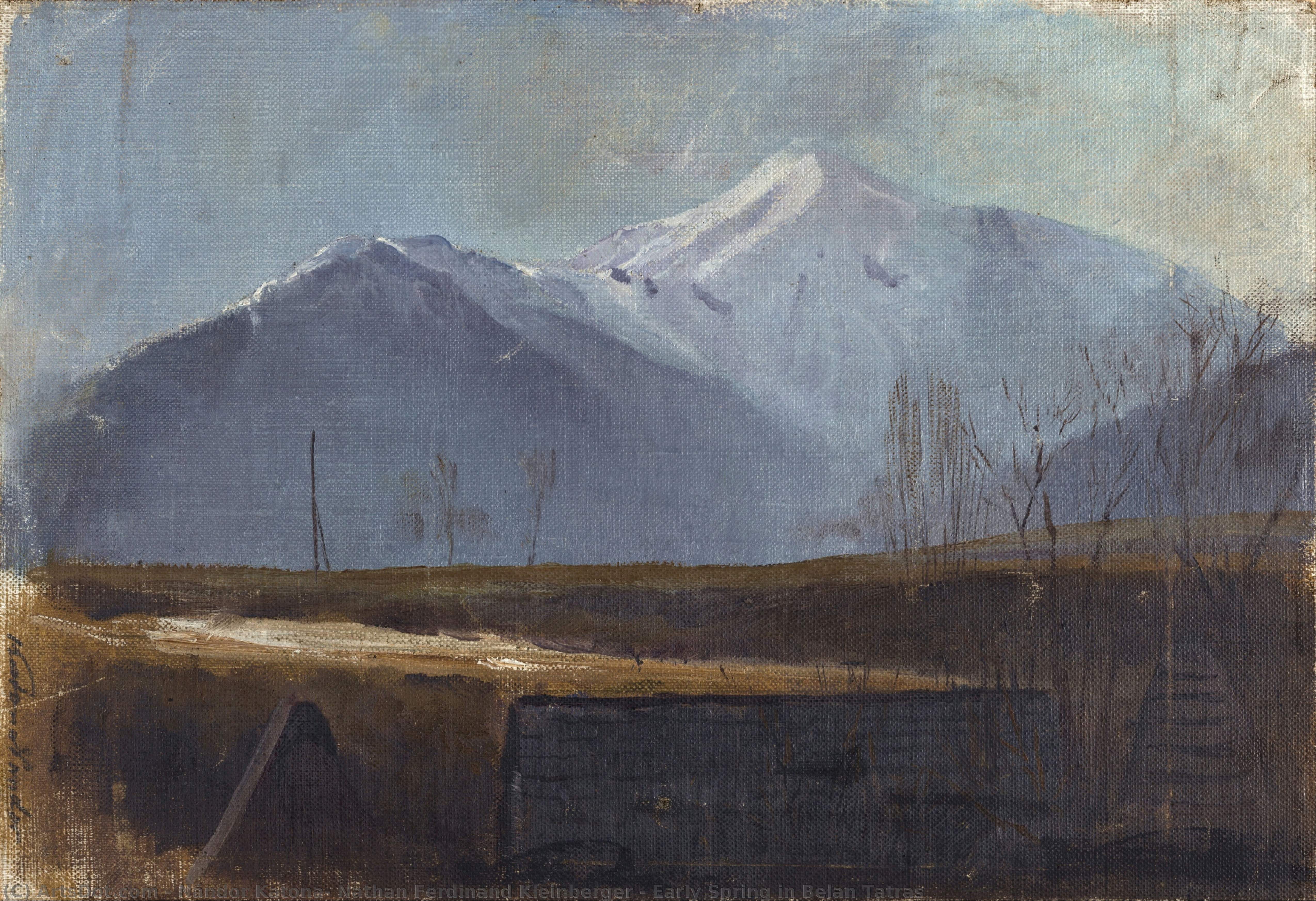
Early Spring in Belan Tatras


 Pročitaj više
Ručno rađena uljana reprodukcija
Ručno oslikano uljanim bojama na platnu u dimenzijama i okviru po vašem izboru, izrađeno po porudžbini od strane naših umetnika. ( Kupi print Kupi digitalnu sliku)




































Izaberite jednu od naših unapred definisanih veličina koje odgovaraju originalnim proporcijama umetničkog dela.

Можете унети сопствене димензије како бисте прилагодили дело одређеном оквиру или простору. Ако одабрана величина не одговара пропорцијама оригинала, слика ће бити исечена или проширена додатним елементима који се ручно насликавају. Дигитални prikaz ће вам бити послат на одобрење пре почетка производње.
Имајте на уму да преглед на екрану не одражава стварно исецање или проширење. Само приказ (mockup) ће тачно приказати коначну композицију.
Иако су доступне прилагођене величине, препоручујемо да одаберете димензију из дефинисане листе како бисте сачували оригиналне пропорције.
Nakon narudžbine, tim ArtsDot.com će klijentu putem e-pošte poslati uputstva i dostaviti prikaz predloženog rešenja
Isporuka širom sveta () za 3/4 nedelje umesto uobičajenih 5 nedelja. (25 август). Bez kompromisa po pitanju kvaliteta.

Besplatna ekspresna dostava širom sveta

Visokokvalitetno laneno platno

Kompletno osiguranje transporta

Garancija povraćaja carine i uvoznih dažbina

Garancija vernosti boja

Politika povrata u roku od 60 dana (samo u slučaju nedostataka)

Garancija povrata novca od 100%

Popust pri grupnoj kupovini
 Opcija sa staklom dostupna je samo za dimenzije manje od 110 cm

Early Spring in Belan Tatras
Tehnika reprodukcije
Dimenzije reprodukcije
-


Konačna cena
$ 263
Srodna umetnička dela
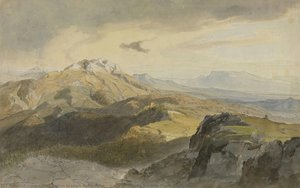
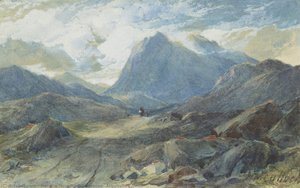
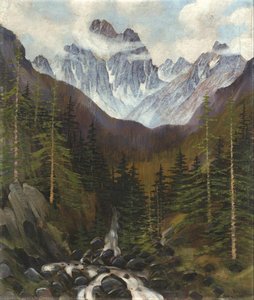
Biografija umetnika
A Life Rooted in the Tatra: The Evocative Landscapes of Nándor Katona
Nándor Katona, also known as Nathan Ferdinand Kleinberger, was a painter whose life story is as compelling as the landscapes he so masterfully captured. Born on September 12, 1864, in the humble village of Spišská Stará Ves, nestled within the Kingdom of Hungary (now Slovakia), Katona’s beginnings were marked by profound poverty. He was one of seven children, and his early talent as an artist wasn't merely a gift but a beacon of hope for a family struggling to survive. Discovered as a prodigy, young Nándor was fortunate to be taken under the wing of László Mednyánszky, who recognized and nurtured the burgeoning artistic spirit within him. This mentorship proved pivotal, laying the foundation for Katona’s distinctive style and lifelong dedication to portraying the natural world.
Katona's formal education extended beyond his initial tutelage with Mednyánszky; he pursued studies in both Budapest and Paris, immersing himself in the artistic currents of the time. These experiences broadened his technical skills and exposed him to diverse influences, yet he consistently returned to the landscapes of his homeland – specifically the Szepes county (Spiš) region, the majestic Tatra Mountains, and the charming town of Késmárk (Kežmarok). While Budapest became his primary base for much of his life, it was the raw beauty of Spiš that truly fueled his artistic vision. He wasn’t simply painting what he saw; he was translating a deep emotional connection to place onto canvas.
The Development of a Unique Impressionistic Voice
Katona's work is often categorized within the realm of Impressionism, but this label doesn’t fully encapsulate the depth and character of his paintings. While he embraced the broken brushstrokes and emphasis on light characteristic of the movement, his approach was uniquely personal. He wasn’t interested in fleeting moments or urban scenes; instead, he focused on rendering the grandeur and subtle nuances of nature. His canvases are imbued with a sense of atmosphere, capturing not just the visual appearance of the Tatra Mountains but also their emotional weight – the stillness of ancient forests, the crispness of mountain air, the drama of changing weather patterns.
His technique involved building up layers of paint to create texture and depth. He skillfully used color to convey mood and light, often employing a muted palette that reflected the natural tones of his surroundings. Unlike some Impressionists who favored bright, vibrant hues, Katona’s colors are more restrained, lending a sense of realism and authenticity to his work. This is not to say his paintings lack vibrancy; rather, it's a subtle vibrancy born from careful observation and a deep understanding of the interplay between light and shadow.
Themes and Symbolism in Katona’s Art
The recurring motif throughout Katona’s oeuvre is undoubtedly the landscape. However, within this seemingly simple subject matter lies a wealth of symbolism and emotional resonance. The Tatra Mountains, for example, weren't merely picturesque backdrops; they represented strength, resilience, and the enduring power of nature. His depictions of Késmárk often evoke a sense of nostalgia and longing, hinting at a deep connection to his roots and a yearning for simpler times.
The early spring scenes, like “Early Spring in Belan Tatras”, are particularly poignant. They symbolize renewal, hope, and the cyclical nature of life. Katona’s ability to capture these subtle emotional undertones is what sets him apart from other landscape painters of his time. He wasn't just documenting scenery; he was exploring universal themes of beauty, loss, and the human connection to the natural world.
Legacy and Historical Significance
Nándor Katona’s work gained recognition during his lifetime, and today it continues to captivate audiences with its evocative power. His paintings are held in prestigious collections such as the Hungarian National Gallery in Budapest, the Slovak National Gallery, and the Eastern Slovak Gallery in Košice, solidifying his place within the canon of Hungarian and Slovak art history.
His significance lies not only in his technical skill but also in his ability to capture the spirit of a specific region – the Szepes county – with such authenticity and emotional depth. He stands as a testament to the power of art to transcend mere representation and connect us to something larger than ourselves. Katona’s paintings offer a glimpse into a bygone era, reminding us of the beauty that exists in the natural world and the importance of preserving it for future generations.
- Born: September 12, 1864, Spišská Stará Ves, Slovakia
- Died: August 1, 1932, Budapest, Hungary
- Influences: László Mednyánszky, Impressionism
- Key Themes: Landscape painting, Tatra Mountains, nature, nostalgia, emotional resonance.
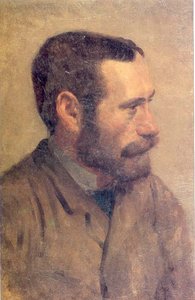
nándor katona, nathan ferdinand kleinberger
1864 - 1932 , Slovakia
Osnovne informacije
- Artistic Movement Or Style: Impressionism, Landscape
- Artists Who Influenced This Artist: ['László Mednyánszky']
- Date Of Birth: September 12, 1864
- Date Of Death: August 1, 1932
- Full Name: Nándor Katona / Nathan Kleinberger
- Nationality: Hungarian-Jewish
- Notable Artworks:
- Early Spring in Belan Tatras
- Strážky
- Place Of Birth: Spišská Stará Ves, Slovakia
Povezani članci

Impresionistički pejzaži: 10 remek-dela koja su definisala umetnički pokret
Otkrijte 10 remek-dela impresionizma koja su zauvek obeležila pejzažnu umetnost! Monet, Renoar i Degas – istražite priče iza svake slike. Inspiracija za dekoraciju enterijera i vrhunske reprodukcije na ArtsDot.com. Istražite kolekciju online!
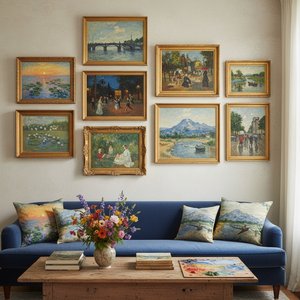
Impressionistic Landscapes: 10 Masterpieces That Changed Art & Decor
Journey into the heart of Impressionism! Explore 10 masterpieces by Monet, Renoir & Degas that revolutionized landscape art. Discover their stories, techniques & find museum-quality reproductions to elevate your home decor on ArtsDot.com.

Glavna dela koja su definisala Romantični pejzaž: 10 remek-dela za vaš dom
Otkrijte 10 remek-dela romantičnog pejzažnog slikarstva! Uronite u svet Claude Lorraina, Caspara David Friedricha i Turnera. Ispričane priče umetnosti, inspiracija za dekoraciju doma. Kvalitetne reprodukcije na ArtsDot.com – istražite celu kolekciju online!

Evocations of Place: A Historical Journey Through Landscape Art
Explore the rich history of landscape art with ArtsDot. Discover renowned artists, movements like Impressionism & Romanticism, and expert guidance for collecting timeless pieces. Find your perfect serene escape today!

25 Remek-dela Džona Konstebla: Lepota Engleske na Platnu | ArtsDot
Uronite u svet Džona Konstebla! Otkrijte 25 remek-dela engleskog pejzaža, romantizma i seoske idile. Kupite reprodukcije slika vrhunskog kvaliteta za dekoraciju enterijera na ArtsDot.com.

