 Pregledaj u prostoru
 Pošalji
 Podeli
 Detalji o delu

 Преузми
 Slični predmeti
 Rendgenski snimak
 Slajdovi
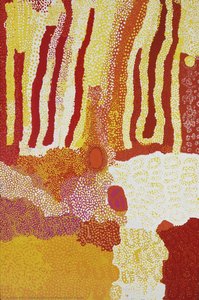
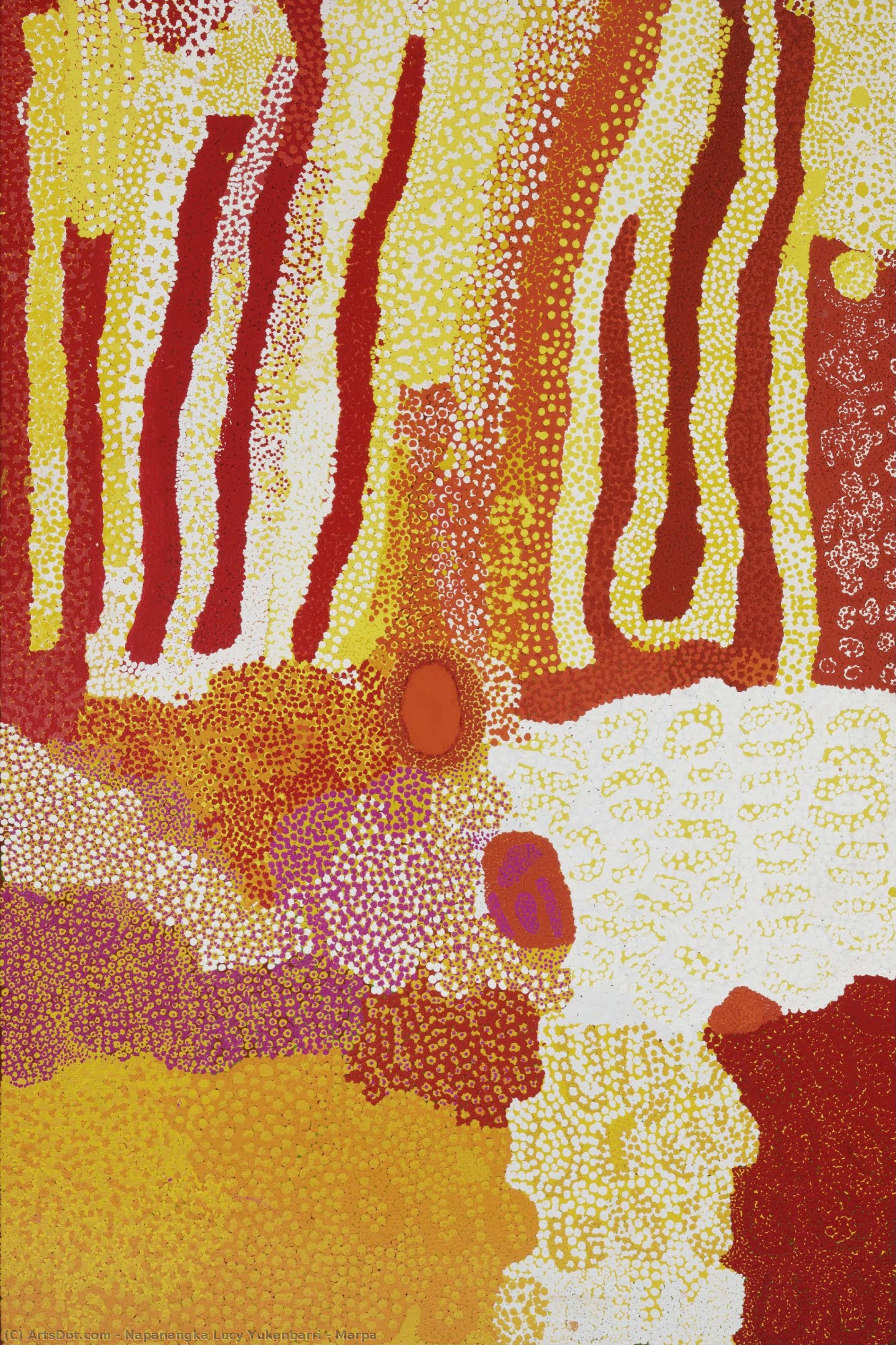
Марпа
 Akril na platnu
- Umetnost za zidove
- Pointillist Aboriginal Art
 2001
2001 179.0 x 120.0 cm
 Art Gallery of New South Wales
 Pročitaj više
Ručno rađena uljana reprodukcija
Ručno oslikano uljanim bojama na platnu u dimenzijama i okviru po vašem izboru, izrađeno po porudžbini od strane naših umetnika. ( Kupi print Kupi digitalnu sliku)




P118B $10

P118H $10

P118W $10

P438Z $10

P508JH $12

P508YH $12

P805H $10

P805Z $10

P919BZ $10

P919G $10

P919XJ $10

P959ZH $10

P968JZ $12

W106C $8

W218G $10

W218JH $8

W218Y $10

W307PJ $10

W316G $10

W316PJ $8

W316Y $10

W398PJ $8

W4111J $10

W500HY $15

W500JH $15

W692G $12

W849H $8

W940BG $15

W953PJ $8




Izaberite jednu od naših unapred definisanih veličina koje odgovaraju originalnim proporcijama umetničkog dela.

Можете унети сопствене димензије како бисте прилагодили дело одређеном оквиру или простору. Ако одабрана величина не одговара пропорцијама оригинала, слика ће бити исечена или проширена додатним елементима који се ручно насликавају. Дигитални prikaz ће вам бити послат на одобрење пре почетка производње.
Имајте на уму да преглед на екрану не одражава стварно исецање или проширење. Само приказ (mockup) ће тачно приказати коначну композицију.
Иако су доступне прилагођене величине, препоручујемо да одаберете димензију из дефинисане листе како бисте сачували оригиналне пропорције.
Nakon narudžbine, tim ArtsDot.com će klijentu putem e-pošte poslati uputstva i dostaviti prikaz predloženog rešenja
Isporuka širom sveta () za 3/4 nedelje umesto uobičajenih 5 nedelja. (21 август). Bez kompromisa po pitanju kvaliteta.

Besplatna ekspresna dostava širom sveta

Visokokvalitetno laneno platno

Kompletno osiguranje transporta

Garancija povraćaja carine i uvoznih dažbina

Garancija vernosti boja

Politika povrata u roku od 60 dana (samo u slučaju nedostataka)

Garancija povrata novca od 100%

Popust pri grupnoj kupovini
 Opcija sa staklom dostupna je samo za dimenzije manje od 110 cm

Марпа
Tehnika reprodukcije
Dimenzije reprodukcije
-


Konačna cena
$ 263
Opis umetničkog dela
Marpa: A Desert Bloom of Color and Spirit
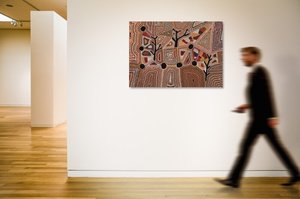
Lucy Yukenbarri Napanangka’s “Marpa,” created in 2001, stands as an emblem of Balgo Hills dot painting—a transformative artistic movement that redefined the visual language of Aboriginal art. More than just a depiction of landscape, it embodies profound spiritual beliefs and ancestral narratives rooted in the arid expanse of Western Australia’s Canning Stock Route region.
- Subject Matter: The artwork centers around Marpa, a significant rockhole revered by Lucy's grandparents—a place imbued with sacred significance for the Napaltjarra skin group. This location is depicted as a dominant element within the composition, reflecting the importance of land and its stories in Aboriginal cosmology.
- Style: “Marpa” exemplifies the distinctive ‘kinti-kinti’ dotting style pioneered by Yukenbarri herself. Unlike traditional painting methods that aim for realistic representation, kinti-kinti prioritizes pattern and texture—creating a visual experience that transcends literal depiction.
- Technique: The artist employs a meticulous pointillist technique, applying countless tiny dots of acrylic paint onto linen canvas. This method generates an astonishing textural surface, resembling granular sand – mirroring the landscape itself. Layers of color are carefully blended to produce subtle tonal variations and luminous highlights.
The palette is dominated by warm hues—primarily reds, oranges, and yellows—creating a vibrant visual impact that captures the energy and dynamism of the desert environment. The artist’s deliberate use of earthy tones – ochre and burnt umber – speaks to the connection between Aboriginal artists and their ancestral land.
Symbolically, “Marpa” communicates complex ideas about women's roles within the Napaltjarra culture. The depiction of women traversing the landscape represents resilience, strength, and continuity—reflecting the enduring spirit of Indigenous Australians. Furthermore, the dots themselves symbolize ‘close-close,’ signifying interconnectedness and mirroring the intricate patterns found in Aboriginal textiles.
“Marpa”’s legacy extends beyond its aesthetic beauty; it represents a pivotal moment in Aboriginal art history – demonstrating how artists can convey spiritual truths through visual abstraction. It continues to inspire contemporary artists seeking innovative ways to express cultural heritage and landscape perception.
Srodna umetnička dela

Biografija umetnika
A Tapestry of Earth and Spirit: The Legacy of Lucy Yukenbarri Napanangka
In the vast, sun-drenched expanse of the Great Sandy Desert, where the Canning Stock Route traces ancient paths toward Jupiter Well, the life of Lucy Yukenbarri Napanangka was deeply etched into the very fabric of the landscape. Born near Kiwirrkurra around 1934, Lucy was a senior custodian of profound knowledge, a woman whose spirit was inextricably linked to the waterholes and ancestral tracks of her country. As a member of the Napaltjarra skin group, her existence was shaped by the rhythms of the desert—the seasonal arrival of bush foods and the sacred ceremonies that maintained the balance of the world. Her early years were marked by a nomadic connection to sites such as Marpa, Piyulpa, and Wirtjinti, experiences that would later manifest on canvas not merely as scenery, but as living, breathing narratives of survival and spirituality.
Though she lived much of her life through traditional customs, Lucy’s emergence as a visual storyteller in the late 1980s marked a transformative moment for Aboriginal art. Beginning her painting journey around 1989 with the Warlayirti Artists, she did not merely adopt existing traditions; she interrogated them. Her initial works adhered to the established Balgo methods, utilizing rows of dots to form lines and outlines. Yet, beneath this conventional surface lay a restless, creative intellect. She moved through phases of experimentation, transitioning from linear patterns to single-color fields of dotting, always searching for a way to translate the immense density and spiritual weight of her country into a new visual language.
The Revolution of Kinti-Kinti
The true brilliance of Lucy Yukenbarri Napanangka lies in her revolutionary invention of the kinti-kinti style. Meaning “close-close,” this technique represented a radical departure from the more spaced, rhythmic dotting common in Western Desert art. In an act of profound technical courage, Lucy began to paint her dots with such extreme proximity that they ceased to be individual points and instead converged into dense, vibrating masses of pigment. This method created a mesmerizing, almost sculptural texture on the canvas, where the heavy application of paint caught the light and gave the surface a luminous, tactile quality.
This innovation was not merely an aesthetic choice but a symbolic one. By compressing the dots, she captured the concentrated essence of the desert—the way life clusters around a vital soakage or how the heat of the sun presses down upon the earth. Her palette was equally distinctive; while many artists utilized bright, contrasting colors, Lucy explored the profound depths of dark greens, blues, and blacks. These hues allowed her to masterfully depict the visual mystery of waterholes and rock soaks, creating deep, obsidian-like icons that anchored her compositions. Through this technique, she achieved a sense of depth and atmosphere that was entirely unique within the Balgo artistic community.
A Lasting Cultural Impression
Beyond the technical mastery of her brushwork, Lucy’s art served as a vital repository for the ecological and cultural wisdom of her people. Her canvases are rich with the presence of kantilli (bush raisins) and pura (bush tomato), alongside the structural beauty of the kurkapi (desert oak). Every painting was an act of mapping—not just the physical locations of food and water, but the spiritual geography of her ancestors. Her work celebrated the resilience of women and the enduring strength of the Marpa country, ensuring that the stories of these sacred sites would resonate far beyond the borders of the Western Desert.
As a pioneer, Lucy Yukenbarri Napanangka left behind a legacy that continues to influence generations of Warlayirti artists. Her ability to push the boundaries of the medium while remaining deeply rooted in her cultural responsibilities serves as a testament to the power of individual vision within a collective tradition. Though she passed away in 2003, her "close-close" technique remains a landmark in Australian art history, a shimmering reminder of a life lived in profound harmony with the ancient, enduring pulse of the desert.
napanangka lucy yukenbarri
Australia
Osnovne informacije
- Artistic Movement Or Style: Kinti-kinti Dotting Style
- Artists Or Movements Influenced By This Artist: ['None Known']
- Artists Who Influenced This Artist: ['None Known']
- Date Of Birth: c.1934
- Date Of Death: 2003
- Full Name: Lucy Yukenbarri Napanangka
- Nationality: Australian
- Notable Artworks:
- Marpa
- Untitled
- Place Of Birth: Near Kiwirrkurra, Australia
Povezani članci

25 Remek-dela Žorža Seurea: Putovanje kroz Svet Tačizma i Impresionističke Revolucije
Istražite 25 remek-dela Žorža Seurea i uronite u svet tačizma i impresionističke revolucije. Otkrijte priče iza slika, tehnike i inspiraciju ovog francuskog umetnika. Reprodukcije vrhunskog kvaliteta dostupne na ArtsDot.com!
Chromatic Islands: Exploring the Theory & Legacy of Pointillism in 19th-Century Art
Explore the revolutionary world of Pointillism! Discover Georges Seurat's color theory, techniques & lasting impact on art history. Learn about Signac, Luce & Neo-Impressionism’s scientific approach to painting.
Georges Seurat: Pointillism, Perception & the Scientific Foundations of Modern Art
Explore the revolutionary art of Georges Seurat and the science behind Pointillism. Discover chromoluminarism, optical mixing, and the lasting impact of Neo-Impressionism on modern art history.
Paul Signac: Pointillism, Politics & the Pursuit of Harmony in Modern Art
Explore the life & art of Paul Signac, a key figure in Neo-Impressionism. Discover his Pointillist technique, anarchist beliefs, and stunning coastal scenes. Learn about his influence on modern art history.
Najbolja dela Roja Lichtenštajna: Pop art ikone za vaš dom | ArtsDot
Istražite 25 najpoznatijih dela Roja Lichtenštajna! Otkrijte priče iza pop art ikona, bend-dots tehniku i živopisne boje. Reprodukcije slika vrhunskog kvaliteta za vaš dom na ArtsDot.com.