

 Pregledaj u prostoru
 Pošalji
 Podeli
 Detalji o delu

 Преузми
 Slični predmeti
 Rendgenski snimak
 Slajdovi
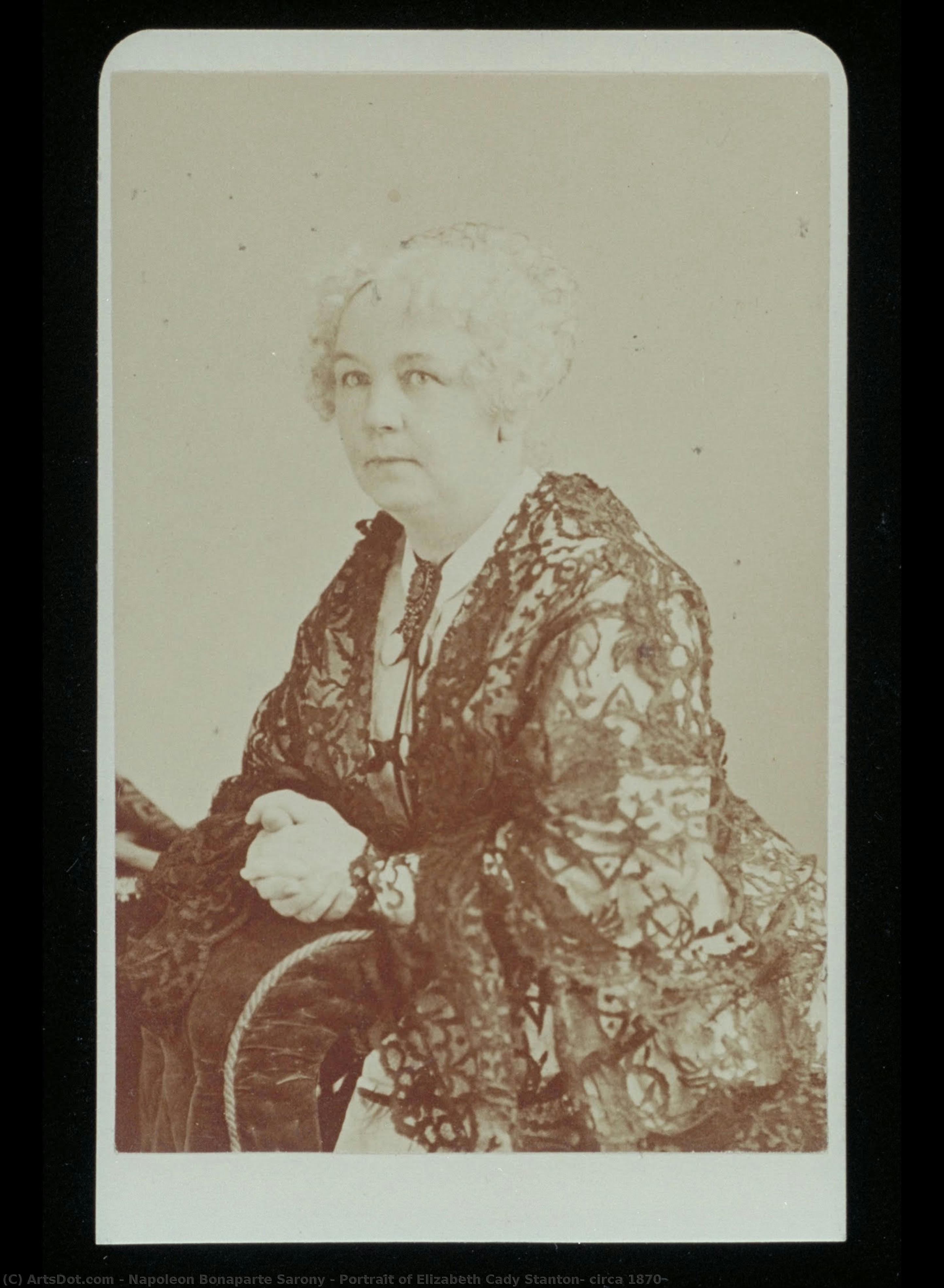
Portrait of Elizabeth Cady Stanton, circa 1870


 Pročitaj više
Ručno rađena uljana reprodukcija
Ručno oslikano uljanim bojama na platnu u dimenzijama i okviru po vašem izboru, izrađeno po porudžbini od strane naših umetnika. ( Kupi print Kupi digitalnu sliku)




































Izaberite jednu od naših unapred definisanih veličina koje odgovaraju originalnim proporcijama umetničkog dela.

Можете унети сопствене димензије како бисте прилагодили дело одређеном оквиру или простору. Ако одабрана величина не одговара пропорцијама оригинала, слика ће бити исечена или проширена додатним елементима који се ручно насликавају. Дигитални prikaz ће вам бити послат на одобрење пре почетка производње.
Имајте на уму да преглед на екрану не одражава стварно исецање или проширење. Само приказ (mockup) ће тачно приказати коначну композицију.
Иако су доступне прилагођене величине, препоручујемо да одаберете димензију из дефинисане листе како бисте сачували оригиналне пропорције.
Nakon narudžbine, tim ArtsDot.com će klijentu putem e-pošte poslati uputstva i dostaviti prikaz predloženog rešenja
Isporuka širom sveta () za 3/4 nedelje umesto uobičajenih 5 nedelja. (31 август). Bez kompromisa po pitanju kvaliteta.

Besplatna ekspresna dostava širom sveta

Visokokvalitetno laneno platno

Kompletno osiguranje transporta

Garancija povraćaja carine i uvoznih dažbina

Garancija vernosti boja

Politika povrata u roku od 60 dana (samo u slučaju nedostataka)

Garancija povrata novca od 100%

Popust pri grupnoj kupovini
 Opcija sa staklom dostupna je samo za dimenzije manje od 110 cm

Portrait of Elizabeth Cady Stanton, circa 1870
Tehnika reprodukcije
Dimenzije reprodukcije
-


Konačna cena
$ 263
Srodna umetnička dela










Biografija umetnika
Théodore Géricault: A Revolutionary Voice of the Romantic Era
Théodore Géricault (1821 – 1874) stands as a pivotal figure in the transition from Neoclassicism to Romanticism, a period marked by intense emotion, social critique, and an exploration of the sublime. His life was one of dramatic contrasts—a privileged upbringing shadowed by personal tragedy, a brief but intensely productive career punctuated by controversy, and a legacy that continues to resonate with artists today. Géricault’s art wasn't merely about depicting scenes; it was about confronting viewers with uncomfortable truths about humanity, mortality, and the power of nature – themes he explored with unprecedented boldness for his time.
Early Life and Influences
Born in Paris to a wealthy family with strong ties to the French aristocracy, Géricault’s early life was marked by tragedy. His father, a naval officer, died at sea when Théodore was only eight years old, leaving him and his siblings orphaned. This profound loss deeply affected the young artist, shaping his later preoccupation with themes of death, suffering, and the precariousness of human existence. Despite this sorrow, he received an elite education, studying under Jacques-Louis David, the leading Neoclassical painter, at the École Royale des Beaux-Arts. However, Géricault quickly grew disillusioned with the rigid formality and idealized subjects favored by David, finding them stifling and lacking in genuine emotional depth.
His artistic development was further influenced by his travels to Italy and England during the 1840s. These journeys exposed him to a wider range of artistic styles and subject matter, particularly the dramatic landscapes and historical paintings of the British Romantic tradition. He was captivated by the raw emotion and powerful imagery he encountered, which profoundly impacted his own approach to painting.
The Revolutionary Impact of *Le Radeau de la Méduse*
Géricault’s most celebrated work, *Le Radeau de la Méduse* (1819-1823), is a monumental painting that encapsulates the spirit of Romanticism and cemented his reputation as a revolutionary artist. The scene depicts the survivors of the French frigate *Méduse*, which ran aground off the coast of Mauritania in 1816, leaving over 150 people adrift on a makeshift raft. Géricault meticulously researched the event, interviewing survivors and studying corpses to accurately portray the physical and psychological effects of starvation, thirst, and despair.
Unlike traditional depictions of maritime disasters that focused on heroism and rescue, *Le Radeau de la Méduse* presents a harrowing vision of human suffering and abandonment. The painting’s dramatic composition, intense color palette, and unflinching portrayal of death shocked audiences and sparked considerable controversy. It was not simply a historical record; it was a powerful indictment of governmental incompetence and the indifference of society to the plight of the marginalized.
- The painting's scale (over 16 feet by 23 feet) immediately commands attention.
- Géricault employed a dramatic chiaroscuro effect, using strong contrasts between light and shadow to heighten the emotional impact.
- He deliberately included figures in various states of distress – some resigned to their fate, others desperately clinging to hope – creating a complex tapestry of human emotion.
Beyond *Le Radeau de la Méduse*: A Diverse and Evolving Career
While *Le Radeau de la Méduse* remains his most iconic work, Géricault’s artistic output was remarkably diverse. He produced a series of smaller paintings depicting contemporary subjects – scenes of poverty, illness, and death – often drawing inspiration from the accounts of criminals imprisoned in hospitals. These works demonstrated a deep empathy for the suffering of others and a willingness to confront difficult social issues.
He also explored themes of mythology and history, creating dramatic reinterpretations of classical narratives such as *The Raft of the Medusa* (1819) and *The Shipwreck of the Argos* (1819). His later works, including portraits of the mentally ill, reveal a growing interest in psychological realism and the exploration of human consciousness.
- His lithographs, particularly those depicting London’s poor, were groundbreaking for their unflinching portrayal of social inequality.
- He experimented with different artistic techniques, including etching and watercolor, demonstrating his versatility as an artist.
Legacy and Historical Significance
Théodore Géricault’s impact on the course of art history is undeniable. He challenged the conventions of Neoclassicism and paved the way for the Romantic movement, which emphasized emotion, individualism, and the power of imagination. His willingness to depict uncomfortable truths and his innovative use of composition, color, and light influenced generations of artists, including Eugène Delacroix, Édouard Manet, and Gustave Courbet.
Géricault’s legacy extends beyond the realm of art. He is remembered as a courageous artist who dared to confront social injustice and explore the darkest aspects of human experience. His work continues to provoke reflection and inspire debate about the role of art in society and its ability to challenge our perceptions of the world.
napoleon bonaparte sarony
1821 - 1896 , Canada
Osnovne informacije
- Artistic Movement Or Style: Romanticism
- Artists Or Movements Influenced By This Artist: ['Eugène Delacroix']
- Artists Who Influenced This Artist: ['Jacques-Louis David']
- Date Of Birth: 1821
- Date Of Death: 1874
- Full Name: Théodore Géricault
- Nationality: French
- Notable Artworks:
- Raft of the Medusa
- The Raft of the Medusa
- Charging Chasseur
- Place Of Birth: Paris, France

