

 Pregledaj u prostoru
 Pošalji
 Podeli
 Detalji o delu

 Преузми
 Slični predmeti
 Rendgenski snimak
 Slajdovi
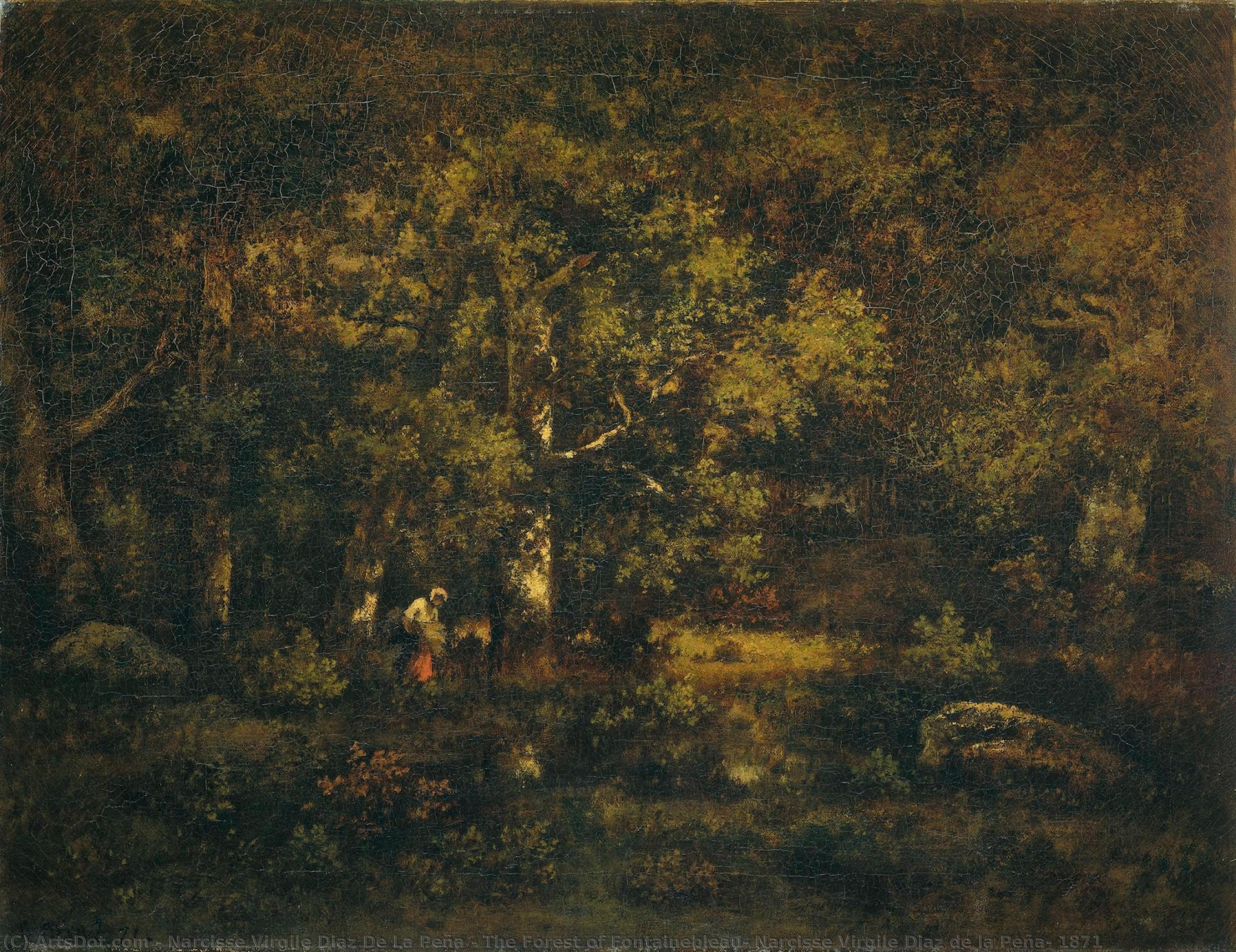
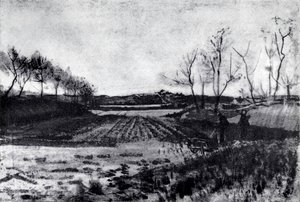
The Forest of Fontainebleau, Narcisse Virgile Diaz de la Peña, 1871
 1871
1871 51.0 x 64.0 cm
 Pročitaj više
Giclee štampa / Umetnički otisak
Giclée štampa ili print na platnu muzejskog kvaliteta uz brzu proizvodnju i fleksibilne opcije završne obrade. ( Kupi ručno naslikanu sliku Kupi digitalnu sliku)




































Izaberite jednu od naših unapred definisanih veličina koje odgovaraju originalnim proporcijama umetničkog dela.

Možete uneti sopstvene dimenzije kako biste umetničko delo prilagodili specifičnom okviru ili prostoru. Ako odabrani format ne odgovara proporcijama originalne slike, mi ćemo ili iscrtati deo dela ili proširiti sliku pomoću ogledane ivice ili jednobojnog popunjavanja. Digitalni prikaz će vam biti poslat na odobrenje pre početka proizvodnje.
Imajte na umu da pregled na ekranu ne odražava stvarno iscrtavanje ili proširivanje. Samo će prikaz (mockup) precizno pokazati finalnu kompoziciju.
Iako su prilagođene dimenzije dostupne, preporučujemo da odaberete dimenziju sa unapred definisane liste kako biste očuvali originalne proporcije.
Dostava širom sveta () za 2 nedelje umesto uobičajenih 4/5 nedelja. (5 септембар)

Besplatna ekspresna dostava širom sveta

Visokokvalitetno laneno platno

Kompletno osiguranje transporta

Garancija povraćaja carine i uvoznih dažbina

Garancija vernosti boja

Politika povrata u roku od 60 dana (samo u slučaju nedostataka)

Garancija povrata novca od 100%

Popust pri grupnoj kupovini
 Opcija sa staklom dostupna je samo za dimenzije manje od 110 cm

The Forest of Fontainebleau, Narcisse Virgile Diaz de la Peña, 1871
Giclee štampa / Umetnički otisak
Dimenzije reprodukcije
-


Konačna cena
$ 62
Srodna umetnička dela






Biografija umetnika
Narcisse Virgile Díaz de la Peña: A Life in Art
Narcisse Virgile Díaz de la Peña (1807-1876) was a French painter of the Barbizon school, celebrated for his evocative landscapes and significant influence on the development of Impressionism. His life story is one marked by both adversity and artistic triumph.
Early Life and Challenges
Born in Bordeaux, France, to Spanish parents, Díaz de la Peña experienced early loss with the deaths of his parents. He was raised in foster care at Meudon. At the young age of thirteen, a severe infection – believed to be from an insect sting or snake bite – led to the amputation of his leg. This physical challenge profoundly impacted his life but did not deter his artistic pursuits.
Artistic Beginnings and Influences
Díaz began his artistic training at the studios in Sèvres, initially focusing on porcelain decoration. He later transitioned to painting, drawn to Turkish and Oriental scenes, which he depicted with richly colored garments and figures. However, it was his time spent at Barbizon, near the Fontainebleau forest, that truly shaped his artistic identity.
The Barbizon School and Artistic Development
Díaz became a key member of the Barbizon school, a group of artists who rejected academic conventions in favor of painting directly from nature. He found inspiration in the forests of Fontainebleau, capturing their atmosphere and light with increasing skill. His early work showed influences from Romanticism, but he gradually developed a more realistic style focused on depicting natural scenes.
Major Works and Recognition
Díaz exhibited extensively at the Paris Salon, gaining recognition for his evocative landscapes. He was awarded the rank of Chevalier (Knight) of the Légion d’honneur in 1851. Some of his most celebrated works include:
- The Pearl Fairy (1857)
- Sunset in the Forest (1868)
- The Forest of Fontainebleau (1870)
- The Storm (1871)
His paintings, particularly his forest scenes and depictions of storms, became increasingly popular after 1871. The Metropolitan Museum of Art holds a significant collection of his work, including multiple versions of The Forest of Fontainebleau.
Influence and Legacy
Díaz de la Peña’s influence extended to several artists. François Visconti emulated his style, while Léon Richet adopted his methods of tree-painting. Even Jean-François Millet briefly imitated Díaz's popular subjects with small figures. Perhaps the most notable testament to his impact is Renoir’s declaration that “My hero was Díaz.”
Later Life and Death
During the Franco-German War (1870-1871), Díaz sought refuge in Brussels. He continued to work prolifically after returning to France, enjoying increasing success. Sadly, he contracted a cold while visiting his son’s grave in 1876 and passed away shortly thereafter in Menton.
Historical Significance
Díaz de la Peña occupies an important position in the transition from Romanticism to Impressionism. His focus on capturing atmospheric effects and painting directly from nature paved the way for the innovations of artists like Monet and Renoir. He remains a celebrated figure within the Barbizon school, known for his masterful depictions of the French countryside and lasting contribution to 19th-century art.
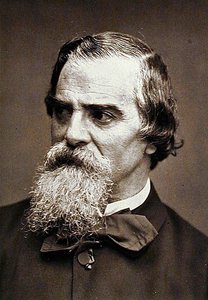
narcisse virgile diaz de la peña
1807 - 1876 , France
Osnovne informacije
- Birth Date: 1807
- Birth Place: Bordeaux, France
- Death Date: 1876
- Influenced:
- François Visconti
- Léon Richet
- Jean-François Millet
- Renoir
- Movement: Barbizon school
- Name: Narcisse Virgile Díaz de la Peña
- Nationality: French
- Notable Works:
- The Pearl Fairy
- Sunset in the Forest
- The Forest of Fontainebleau
- The Storm

