

 Pregledaj u prostoru
 Pošalji
 Podeli
 Detalji o delu

 Преузми
 Slični predmeti
 Rendgenski snimak
 Slajdovi
 Stats
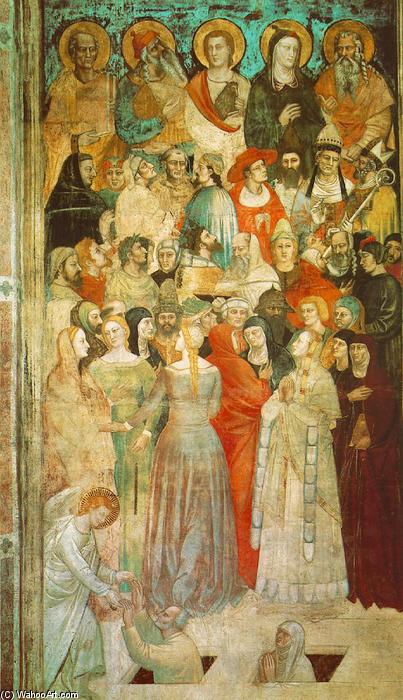
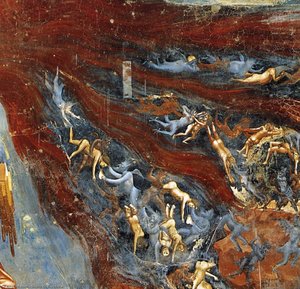
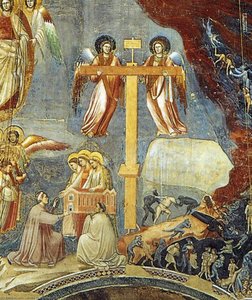
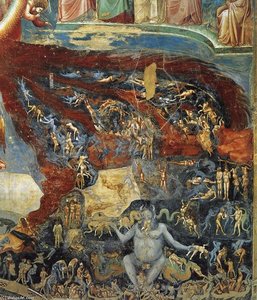
StatsLast Judgment (detail)


 Pročitaj više
Kupite digitalnu sliku visoke rezolucije i poboljšanog kvaliteta, koja je znatno superiornija od onoga što vidite u online prikazu.
Svaka datoteka je pedantno pripremljena od strane naših stručnjaka koristeći napredne alate i profesionalnu ručnu retušu. Osiguravamo da svaka slika ima izuzetnu oštrinu, preciznu reprodukciju boja i fine detalje.
Konačna datoteka se dostavlja putem e-pošte u roku od 72 sata, optimizovana za neposrednu upotrebu u profesionalnim, izdavačkim i štamparskim okruženjima. To je isti kvalitet kojem veruju vrhunski studiji dizajna, izdavači i galerije.
Digitalna slika
Preuzmite datoteku visoke rezolucije za ličnu upotrebu, štampanje i kreativne projekte. ( Switch to Print Kupi ručno naslikanu sliku)
Uključeno uz svaku porudžbinu digitalne slike
Profesionalna digitalna isporuka, zagarantovana
Kada odaberete ArtsDot.com, ne dobijate samo sliku – vi primate profesionalno unapređeno digitalno umetničko delo, izrađeno sa najvećom preciznošću i uz garanciju zadovoljstva. Evo svega što automatski dolazi uz vašu porudžbinu:

Brza dostava putem e-pošte
Vaša digitalna slika visoke rezolucije biće vam poslata putem e-pošte u roku od 72 sata od poručivanja – spremna za trenutnu upotrebu.

Digitalna datoteka unapređena veštačkom inteligencijom
Vaše umetničko delo je profesionalno optimizovano korišćenjem naprednih AI alata i ručne obrade, čime se osiguravaju maksimalni detalji, oštrina i preciznost boja.

Besplatna ponovna isporuka doživotno
Slučajno ste obrisali ili izgubili svoju datoteku? Ne brinite – poslaćemo vam je ponovo u bilo kom trenutku, potpuno besplatno.

Bez troškova uvoza – zauvek
Uživajte u svojim umetničkim delima trenutno, bez carine, dažbina ili troškova dostave – digitalni download je uvek bez poreza.

Garancija vernosti boja
Uz pomoć profesionalnih alata i upravljanja bojama, osiguravamo da vaša digitalna slika što vernije odražava originalne boje.

Garancija zadovoljstva od 100 dana
Ako niste zadovoljni svojom digitalnom slikom, izvršićemo reviziju ili ćemo vam vratiti 100% novca u roku od 100 dana – bez ikakvih pitanja.

100% garancija povrata novca
Niste zadovoljni? Dobijte puni povraćaj novca u roku od 100 dana od prijema digitalne datoteke – bez suvišnih pitanja.

Popusti na velike porudžbine
Kupite 3 slike, uštedite 10% - Kupite 5 slika, uštedite 15% - Kupite 10+ slika, uštedite 20%. Odlično za kreativne projekte, galerije i agencije.
Srodna umetnička dela
![Scrovegni - Last Judgment (detail) [05] — Đijoto Di Bondone, Proto-renaissance](/media/artworks/images-thumb/10/e1/10e11ccb0696a6f917c823521b6f0cd2.jpg)
![Scrovegni - Last Judgment (detail) [04] — Đijoto Di Bondone, Proto-renaissance](/media/artworks/images-thumb/2c/cc/2cccbf5d66de604df5c3cc5658637344.jpg)

Biografija umetnika
The Poet Painter of Florence: The Lyrical Legacy of Nardo di Cione
In the golden, turbulent era of fourteenth-century Florence, amidst the burgeoning shadows of the early Renaissance, there emerged a voice of profound tenderness and chromatic brilliance. Nardo di Cione, often whispered of in art historical circles as "the poet painter," was much more than a mere practitioner of the Florentine guild; he was a master of emotional resonance. While his contemporaries often sought to capture the monumental and the rigid, Nardo possessed an unparalleled sensitivity to form and a lyrical vein that allowed him to breathe life into the divine. Born around 1320, he was part of a formidable artistic dynasty, working alongside his brothers, the renowned Orcagna (Andrea di Cione) and Jacopo di Cione. Together, they formed a collaborative studio that acted as a crucible for innovation, shaping the visual language of Florence during its most formative years.
Nardo’s artistic foundation was built upon a rigorous understanding of both the tactile and the ethereal. His early training under Maestro Piero Bargellini, a distinguished sculptor and painter, provided him with a unique dual perspective. This apprenticeship instilled in him a deep reverence for sculptural volume, which he would later translate into painting through soft modeling and subtle differentiation of tone. This ability to marry the structural weight of sculpture with the fluid grace of painting is what truly distinguishes his hand. His work does not merely sit upon the surface; it possesses a rhythmic, breathing quality that suggests a profound human sympathy, even when depicting the most celestial subjects.
A Symphony of Devotion and Color
The zenith of Nardo’s collaborative achievements can be found within the hallowed walls of the Cappella Strozzi in Santa Maria Novella. Here, the Di Cione brothers undertook a monumental decorative program that remains a testament to their shared vision. While Orcagna focused on the central altarpiece, Nardo was entrusted with the profound narrative weight of the frescoes depicting The Last Judgment, Paradise, and Hell. In these works, Nardo’s mastery of color theory shines through; he utilized a rich palette to guide the viewer's soul from the terrifying depths of the inferno to the luminous, Byzantine-inspired splendor of paradise. His use of color was never merely decorative but served as a spiritual tool—a means of creating an otherworldly atmosphere that could evoke both dread and ecstasy.
Beyond these grand frescoes, Nardo’s independent works reveal a more intimate, devotional side of his genius. His Crucifixion, currently housed in the Uffizi Gallery, serves as a breathtaking example of Gothic elegance. Through the meticulous application of gold leaf and intricate detailing, he captures an intense emotionality that transcends the wooden panel. Similarly, his Standing Madonna with Child, created in the wake of the devastating bubonic plague of 1348, speaks to the historical necessity of art as a vessel for spiritual relief. In this piece, one sees the artist's ability to offer comfort through beauty, creating icons that served as anchors for a grieving Florentine populace.
Historical Significance and Artistic Spirit
The significance of Nardo di Cione lies in his ability to bridge the gap between the rigid traditions of the medieval period and the burgeoning humanism of the Renaissance. His work embodies a transition—a movement from the symbolic toward the emotive. To study Nardo is to witness the evolution of the Florentine spirit:
- Technical Versatility: The seamless integration of sculptural depth with painterly fluidity.
- Emotional Depth: A unique "poetic" approach that prioritized human sympathy and soft, expressive modeling.
- Chromatic Mastery: The use of vibrant, symbolic colors to navigate complex theological narratives.
nardo leonardo di cione
1320 - 1366
Kratke činjenice
- Artistic Movement Or Style: Renaissance Painting
- Artists Or Movements Influenced By This Artist: ['Late Gothic']
- Artists Who Influenced This Artist: ['Andrea di Cione']
- Date Of Death: c. 1366
- Full Name: Nardo di Cione
- Nationality: Italian
- Notable Artworks:
- Crucifixion
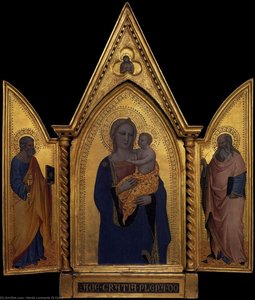
- Madonna and Child with Sts Peter and John the Evangelist
- Place Of Birth: Florence