 Pregledaj u prostoru
 Pošalji
 Podeli
 Detalji o delu

 Преузми
 Slični predmeti
 Rendgenski snimak
 Slajdovi
 Stats
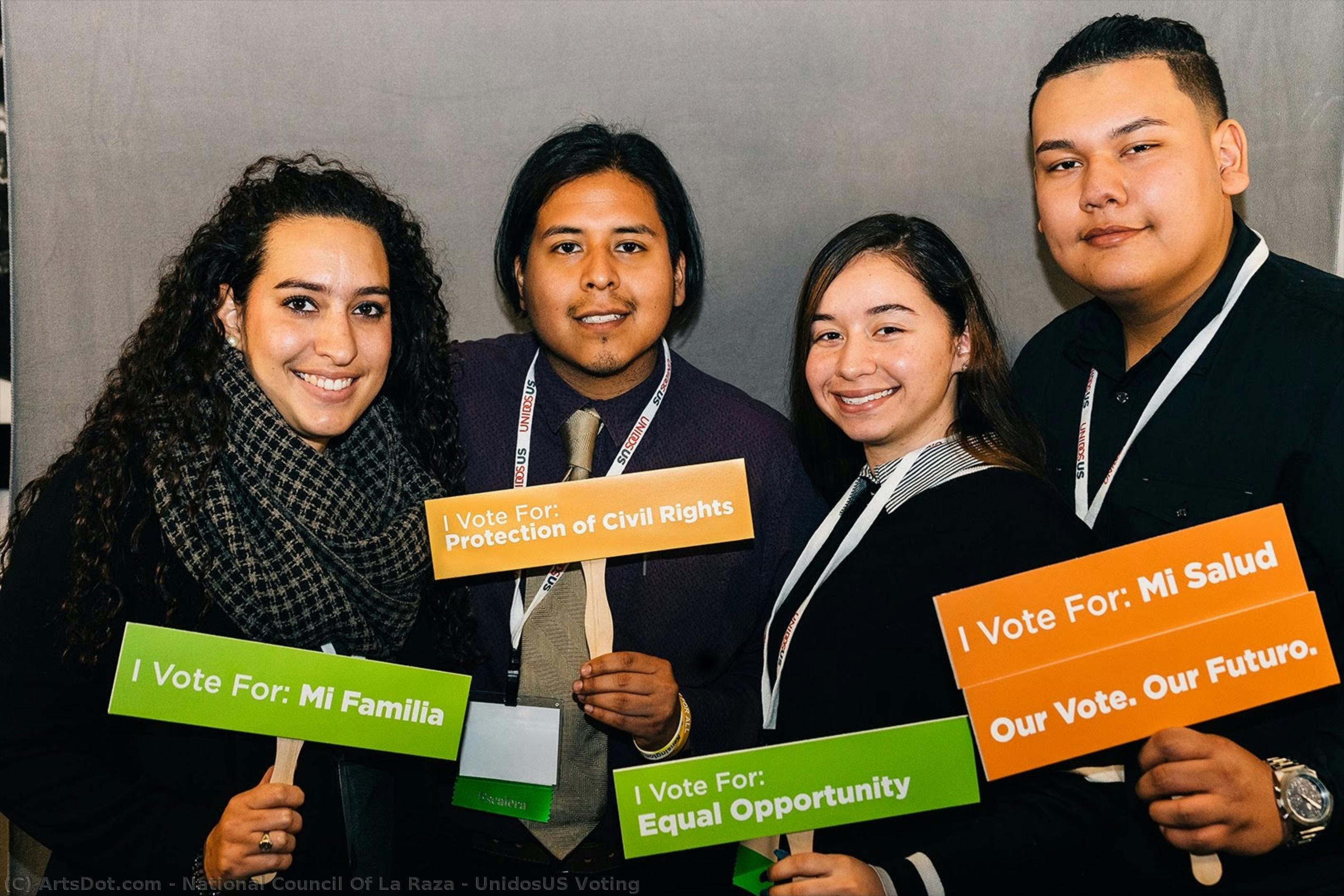
StatsUnidosUS Voting

 Pročitaj više
Kupite digitalnu sliku visoke rezolucije i poboljšanog kvaliteta, koja je znatno superiornija od onoga što vidite u online prikazu.
Svaka datoteka je pedantno pripremljena od strane naših stručnjaka koristeći napredne alate i profesionalnu ručnu retušu. Osiguravamo da svaka slika ima izuzetnu oštrinu, preciznu reprodukciju boja i fine detalje.
Konačna datoteka se dostavlja putem e-pošte u roku od 72 sata, optimizovana za neposrednu upotrebu u profesionalnim, izdavačkim i štamparskim okruženjima. To je isti kvalitet kojem veruju vrhunski studiji dizajna, izdavači i galerije.
Digitalna slika
Preuzmite datoteku visoke rezolucije za ličnu upotrebu, štampanje i kreativne projekte. ( Switch to Print Kupi ručno naslikanu sliku)
Uključeno uz svaku porudžbinu digitalne slike
Profesionalna digitalna isporuka, zagarantovana
Kada odaberete ArtsDot.com, ne dobijate samo sliku – vi primate profesionalno unapređeno digitalno umetničko delo, izrađeno sa najvećom preciznošću i uz garanciju zadovoljstva. Evo svega što automatski dolazi uz vašu porudžbinu:

Brza dostava putem e-pošte
Vaša digitalna slika visoke rezolucije biće vam poslata putem e-pošte u roku od 72 sata od poručivanja – spremna za trenutnu upotrebu.

Digitalna datoteka unapređena veštačkom inteligencijom
Vaše umetničko delo je profesionalno optimizovano korišćenjem naprednih AI alata i ručne obrade, čime se osiguravaju maksimalni detalji, oštrina i preciznost boja.

Besplatna ponovna isporuka doživotno
Slučajno ste obrisali ili izgubili svoju datoteku? Ne brinite – poslaćemo vam je ponovo u bilo kom trenutku, potpuno besplatno.

Bez troškova uvoza – zauvek
Uživajte u svojim umetničkim delima trenutno, bez carine, dažbina ili troškova dostave – digitalni download je uvek bez poreza.

Garancija vernosti boja
Uz pomoć profesionalnih alata i upravljanja bojama, osiguravamo da vaša digitalna slika što vernije odražava originalne boje.

Garancija zadovoljstva od 100 dana
Ako niste zadovoljni svojom digitalnom slikom, izvršićemo reviziju ili ćemo vam vratiti 100% novca u roku od 100 dana – bez ikakvih pitanja.

100% garancija povrata novca
Niste zadovoljni? Dobijte puni povraćaj novca u roku od 100 dana od prijema digitalne datoteke – bez suvišnih pitanja.

Popusti na velike porudžbine
Kupite 3 slike, uštedite 10% - Kupite 5 slika, uštedite 15% - Kupite 10+ slika, uštedite 20%. Odlično za kreativne projekte, galerije i agencije.
Srodna umetnička dela









Biografija umetnika
The National Council of La Raza: A Visual Chronicle of Advocacy
The National Council of La Raza (NCLR), now known as UnidosUS, isn't traditionally recognized as an artistic entity in the conventional sense. However, to overlook its extensive collection of visual materials – photographs, posters, banners, and artwork commissioned for events and campaigns – is to miss a powerful and often overlooked chapter in American art history. This body of work functions as a vital chronicle of the Chicano Civil Rights Movement and the ongoing struggle for Latino-American social justice, representing not merely documentation but deliberate artistic expression employed as a tool for advocacy and community building. The organization’s visual output wasn't created by a single artist or school, but rather through a collaborative network of photographers, graphic designers, and artists responding to the needs and goals of the movement itself.From Grassroots Organizing to Visual Representation
Founded in 1968, NCLR emerged from a coalition of existing Latino rights organizations seeking a unified voice on national policy issues. Its early years were characterized by grassroots organizing, community empowerment programs, and direct advocacy for improved housing, education, employment, and political representation. As the organization grew, so did its need to communicate its message effectively to both the Latino community and broader American society. Photography became central to this effort. Images of farmworkers striking, families facing discrimination, and vibrant cultural celebrations were disseminated through newsletters, reports, and presentations, humanizing the issues and galvanizing support. These weren’t simply objective records; they were carefully selected and framed to evoke empathy and underscore the urgency of NCLR's mission. The posters and banners that accompanied these images often featured bold typography and striking colors, drawing inspiration from Mexican muralism and Chicano art aesthetics – a deliberate embrace of cultural identity as a source of strength and pride.Influences and Artistic Styles
The visual language employed by NCLR was deeply influenced by several key artistic currents. Mexican Muralism, with its tradition of large-scale public art addressing social and political themes, provided a powerful model for communicating complex narratives to a wide audience. Artists like Diego Rivera, José Clemente Orozco, and David Alfaro Siqueiros demonstrated the potential of art as a vehicle for raising consciousness and inspiring collective action. Chicano Art, which emerged in the 1960s and 70s, further infused NCLR’s visual materials with a distinct aesthetic characterized by bold colors, symbolic imagery, and a focus on Chicano history, culture, and identity. The use of *razas* (races) as a symbol of unity and pride became prominent, alongside depictions of Aztec iconography and pre-Columbian heritage. Furthermore, the graphic design principles prevalent in political poster art globally – particularly those associated with social movements like anti-war protests and feminist activism – informed the organization’s campaign materials.Major Themes and Achievements
Recurring themes within NCLR's visual archive reflect the organization’s core priorities.- Immigration: Images documenting the journeys of immigrants, family separations at the border, and the contributions of immigrant communities were central to advocating for comprehensive immigration reform.
- Education: Photographs showcasing students participating in NCLR-sponsored programs, graduation ceremonies, and community schools highlighted the importance of educational opportunity.
- Economic Justice: Visuals depicting workers fighting for fair wages, families struggling with poverty, and small businesses thriving through microloan initiatives underscored the need for economic empowerment.
- Political Representation: Portraits of Latino leaders, images of voter registration drives, and depictions of community members participating in civic engagement activities promoted political participation.