

 Pregledaj u prostoru
 Pošalji
 Podeli
 Detalji o delu

 Преузми
 Slični predmeti
 Rendgenski snimak
 Slajdovi
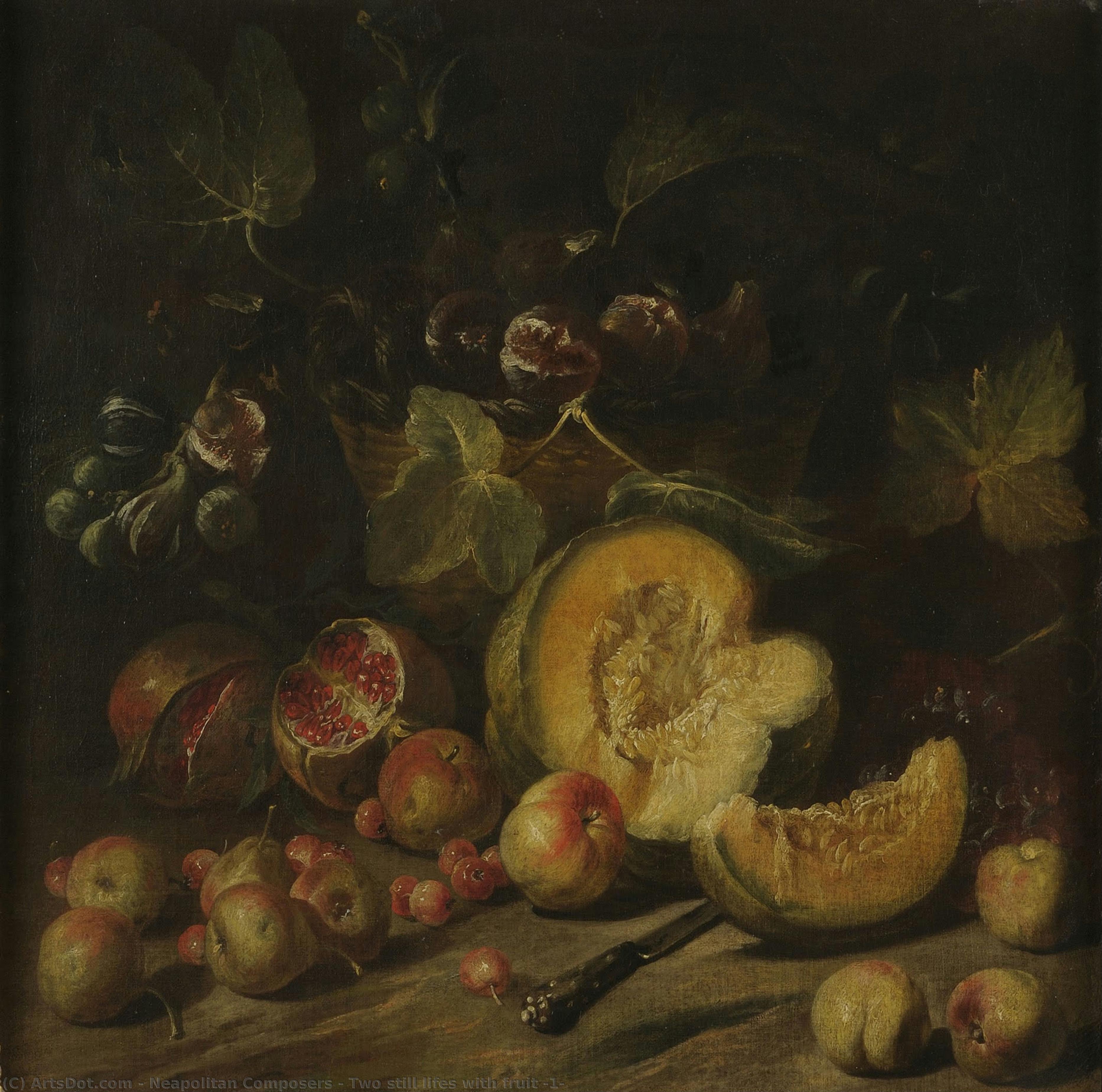
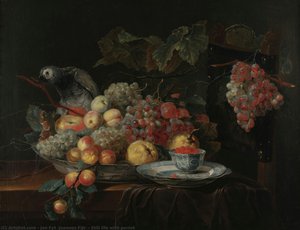
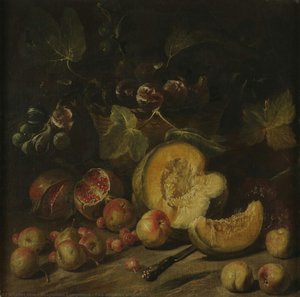
Two still lifes with fruit (1)
 70.0 x 70.0 cm
 Château de Villandry
 Pročitaj više
Kupite digitalnu sliku visoke rezolucije i poboljšanog kvaliteta, koja je znatno superiornija od onoga što vidite u online prikazu.
Svaka datoteka je pedantno pripremljena od strane naših stručnjaka koristeći napredne alate i profesionalnu ručnu retušu. Osiguravamo da svaka slika ima izuzetnu oštrinu, preciznu reprodukciju boja i fine detalje.
Konačna datoteka se dostavlja putem e-pošte u roku od 72 sata, optimizovana za neposrednu upotrebu u profesionalnim, izdavačkim i štamparskim okruženjima. To je isti kvalitet kojem veruju vrhunski studiji dizajna, izdavači i galerije.
Digitalna slika
Preuzmite datoteku visoke rezolucije za ličnu upotrebu, štampanje i kreativne projekte. ( Kupi print Kupi ručno naslikanu sliku)
Uključeno uz svaku porudžbinu digitalne slike
Profesionalna digitalna isporuka, zagarantovana
Kada odaberete ArtsDot.com, ne dobijate samo sliku – vi primate profesionalno unapređeno digitalno umetničko delo, izrađeno sa najvećom preciznošću i uz garanciju zadovoljstva. Evo svega što automatski dolazi uz vašu porudžbinu:

Brza dostava putem e-pošte
Vaša digitalna slika visoke rezolucije biće vam poslata putem e-pošte u roku od 72 sata od poručivanja – spremna za trenutnu upotrebu.

Digitalna datoteka unapređena veštačkom inteligencijom
Vaše umetničko delo je profesionalno optimizovano korišćenjem naprednih AI alata i ručne obrade, čime se osiguravaju maksimalni detalji, oštrina i preciznost boja.

Besplatna ponovna isporuka doživotno
Slučajno ste obrisali ili izgubili svoju datoteku? Ne brinite – poslaćemo vam je ponovo u bilo kom trenutku, potpuno besplatno.

Bez troškova uvoza – zauvek
Uživajte u svojim umetničkim delima trenutno, bez carine, dažbina ili troškova dostave – digitalni download je uvek bez poreza.

Garancija vernosti boja
Uz pomoć profesionalnih alata i upravljanja bojama, osiguravamo da vaša digitalna slika što vernije odražava originalne boje.

Garancija zadovoljstva u roku od 60 dana
Ako niste zadovoljni svojom digitalnom slikom, revidirat ćemo je ili vratiti 100% novca u roku od 60 dana – bez ikakvih pitanja.

100% garancija povrata novca
Niste zadovoljni? Obezbedite pun povrat novca u roku od 60 dana od trenutka kada ste primili svoju digitalnu datoteku – bez suvišnih pitanja.

Popusti na velike porudžbine
Kupite 3 slike, uštedite 10% - Kupite 5 slika, uštedite 15% - Kupite 10+ slika, uštedite 20%. Odlično za kreativne projekte, galerije i agencije.
Srodna umetnička dela






Biografija umetnika
The Flourishing Legacy of the Neapolitan School
The term “Neapolitan School” evokes a vibrant era in Italian music history, less a rigidly defined institution and more a constellation of talent that blossomed in Naples during the 17th and 18th centuries. This wasn’t merely a geographical designation; it represented a distinct approach to opera—one characterized by dramatic expression, an emphasis on naturalism, and a masterful synthesis of artistic influences. While Rome and Venice also served as crucial centers for operatic development, Naples carved its own unique path, ultimately laying the foundations for what we recognize today as modern opera.
The story begins in a city steeped in cultural richness, under Spanish rule, where patronage from the viceroys fueled artistic innovation. Before the emergence of a cohesive “school,” composers were drawn to Naples seeking opportunities and a receptive audience. It was Francesco Provenzale, often credited as the school’s founder, who began to establish a recognizable Neapolitan style—a move away from the more complex Baroque forms towards simpler plots and a greater focus on emotional resonance. However, it was Alessandro Scarlatti who truly cemented Naples' position at the forefront of operatic creation. Scarlatti didn’t simply compose operas; he codified them. He standardized many of the conventions—the aria da capo form, recitative styles, and orchestral practices—that would become hallmarks of Italian opera for generations to come.
A Synthesis of Styles and Innovations
The Neapolitan composers weren't working in isolation. They absorbed influences from across Italy and beyond. The grandeur of Pietro da Cortona’s Baroque painting—its dramatic use of light and shadow, its dynamic compositions—found a parallel in the music of Naples, particularly in the intense chiaroscuro of vocal lines and orchestral textures. Simultaneously, they drew upon the vibrant coloristic traditions of Venice, incorporating richer harmonies and more expressive melodic writing. This fusion wasn’t accidental; it reflected the cosmopolitan nature of Naples itself, a city that served as a crossroads for diverse artistic currents.
Beyond Scarlatti, a constellation of composers contributed to the school's flourishing. Giovanni Battista Pergolesi, though his life was tragically short, left an indelible mark with works like *La serva padrona*, a comic intermezzo that became immensely popular and helped shape the development of opera buffa. Domenico Cimarosa continued the tradition of melodic brilliance and dramatic flair, composing operas celebrated for their elegance and wit. Giovanni Paisiello, another prominent figure, enjoyed international acclaim, even influencing Mozart’s own operatic style.
The Legacy Questioned, Yet Undeniable
It's important to acknowledge that the very concept of a unified “Neapolitan School” has been subject to scholarly debate. Some argue that defining a distinct stylistic identity among composers working in Naples is difficult, given the diverse range of approaches and influences present. However, even acknowledging this nuance, it’s undeniable that Naples was a significant musical center during the 18th century—a crucible where operatic forms were refined, innovations were pioneered, and a generation of talented musicians flourished.
The impact of the Neapolitan School extends far beyond its immediate historical context. The emphasis on dramatic expression, the focus on vocal virtuosity, and the standardization of operatic conventions all contributed to the evolution of opera as we know it today. Composers throughout Europe studied the works of Scarlatti and his contemporaries, adapting and building upon their innovations. The school’s legacy is not simply a matter of specific compositions; it's a fundamental shift in the way opera was conceived—a move towards greater emotional depth, dramatic realism, and a more sophisticated understanding of the human voice.
Exploring the Neapolitan Sound Today
While the era of the Neapolitan School eventually faded with the rise of Romanticism, its influence continues to resonate. Modern performances of Scarlatti’s operas, revivals of Pergolesi’s comic masterpieces, and scholarly research into the lives and works of these composers ensure that their legacy remains alive. The music of Naples offers a captivating glimpse into a pivotal moment in operatic history—a time when a city embraced artistic innovation and laid the foundations for one of the world's most beloved art forms.
neapolitan composers
Italy
Kratke činjenice
- Artistic Movement Or Style: Opera, Baroque music
- Artists Or Movements Influenced By This Artist:
- Alessandro Scarlatti
- Francesco Provenzale
- Giambattista Pergolesi
- Domenico Cimarosa
- Giovanni Paisiello
- Full Name: Neapolitan Composers
- Origin: Naples, Italy

