

 Pregledaj u prostoru
 Pošalji
 Podeli
 Detalji o delu

 Преузми
 Slični predmeti
 Rendgenski snimak
 Slajdovi
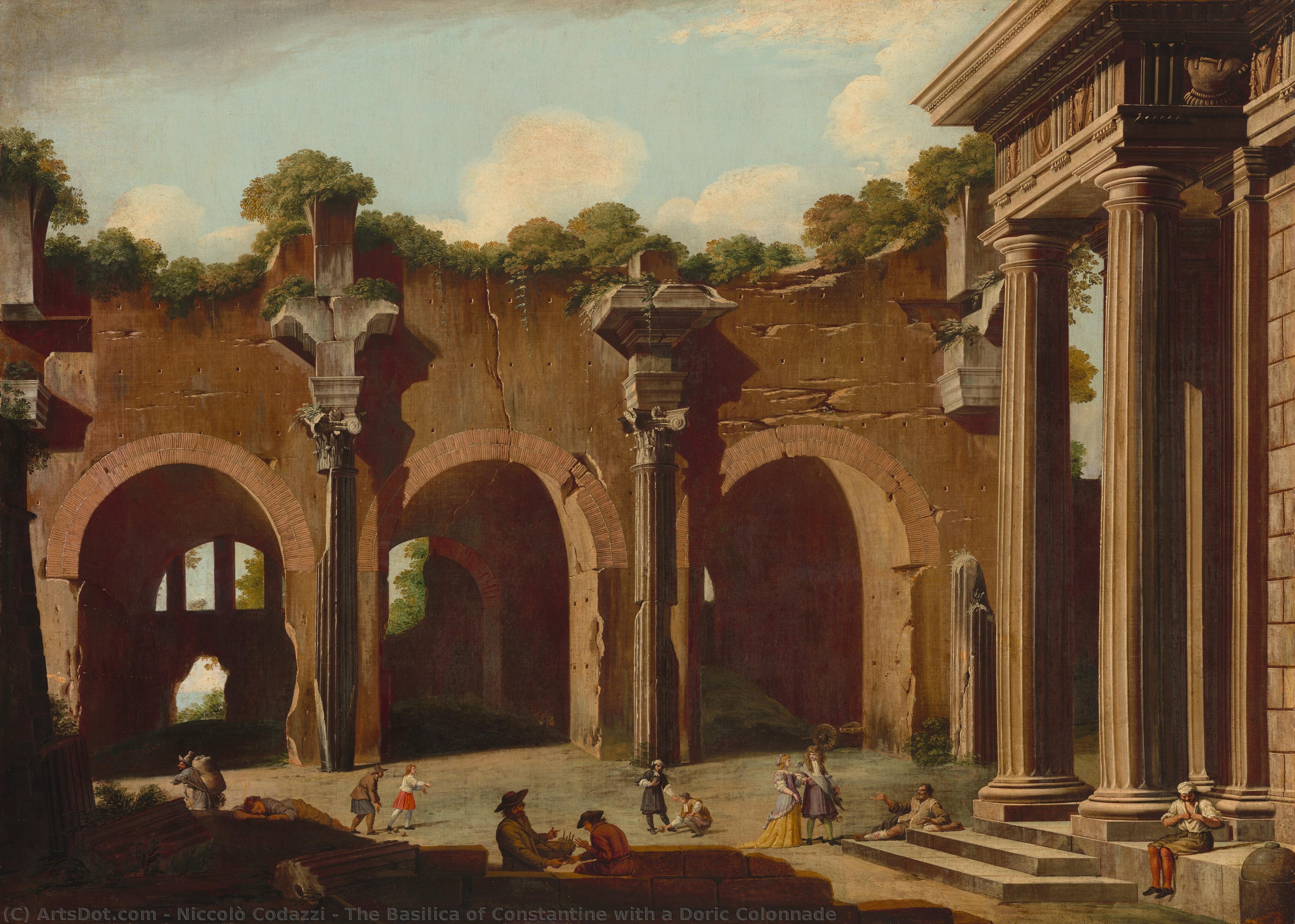
The Basilica of Constantine with a Doric Colonnade
 1690
1690 115.0 x 151.0 cm
 Pročitaj više
Ručno rađena uljana reprodukcija
Ručno oslikano uljanim bojama na platnu u dimenzijama i okviru po vašem izboru, izrađeno po porudžbini od strane naših umetnika. ( Kupi print Kupi digitalnu sliku)




































Izaberite jednu od naših unapred definisanih veličina koje odgovaraju originalnim proporcijama umetničkog dela.

Можете унети сопствене димензије како бисте прилагодили дело одређеном оквиру или простору. Ако одабрана величина не одговара пропорцијама оригинала, слика ће бити исечена или проширена додатним елементима који се ручно насликавају. Дигитални prikaz ће вам бити послат на одобрење пре почетка производње.
Имајте на уму да преглед на екрану не одражава стварно исецање или проширење. Само приказ (mockup) ће тачно приказати коначну композицију.
Иако су доступне прилагођене величине, препоручујемо да одаберете димензију из дефинисане листе како бисте сачували оригиналне пропорције.
Nakon narudžbine, tim ArtsDot.com će klijentu putem e-pošte poslati uputstva i dostaviti prikaz predloženog rešenja
Isporuka širom sveta () za 3/4 nedelje umesto uobičajenih 5 nedelja. (6 септембар). Bez kompromisa po pitanju kvaliteta.

Besplatna ekspresna dostava širom sveta

Visokokvalitetno laneno platno

Kompletno osiguranje transporta

Garancija povraćaja carine i uvoznih dažbina

Garancija vernosti boja

Politika povrata u roku od 100 dana (samo u slučaju nedostataka)

Garancija povrata novca od 100%

Popust pri grupnoj kupovini
 Opcija sa staklom dostupna je samo za dimenzije manje od 110 cm

The Basilica of Constantine with a Doric Colonnade
Tehnika reprodukcije
Dimenzije reprodukcije
-


Konačna cena
$ 263
Srodna umetnička dela







Biografija umetnika
A Legacy of Architectural Illusion: The Life and Art of Niccolò Codazzi
Born in Naples in 1642, Niccolò Codazzi inherited a rich artistic lineage as the son of Viviano Codazzi, a pioneering painter celebrated for his evocative architectural scenes. This familial connection proved foundational to young Niccolò’s development, immersing him from an early age in a world of perspective, classical form, and the captivating interplay of light and shadow. The vibrant artistic climate of Naples during this period—a city brimming with Baroque exuberance—further shaped his sensibilities, instilling within him a passion for dramatic compositions and meticulous detail. Following his father’s relocation to Rome in 1647, Niccolò received formal training alongside Vicente Giner in Viviano's workshop, where distinguishing between the works of father and son became increasingly challenging due to their shared style and techniques. This early period was crucial in establishing Codazzi’s mastery of architectural rendering, a skill that would define his career.From Roman Grandeur to Parisian Commissions
By 1675, Niccolò had established himself within the bustling artistic community of Rome, working near the church of San Macuto and contributing to the decoration of Palazzo Altieri’s piano nobile—a testament to his growing reputation. However, the fiercely competitive Roman art scene spurred him towards new horizons. He embarked on a journey to France, initially settling in Aix-en-Provence where he collaborated with Nicolas Pinson. This move marked a significant turning point, exposing Codazzi to different artistic influences and broadening his creative scope. His arrival in Paris around 1681 proved particularly fruitful; he applied for membership to the prestigious Académie royale de peinture et de sculpture, gaining acceptance through the support of Charles Lebrun—a clear indication of the esteem he garnered within French artistic circles. A pivotal commission followed: King Louis XIV entrusted Codazzi with creating landscapes featuring architecture for the Grand appartement de la reine at Versailles. This undertaking, alongside René-Antoine Houasse, showcased his talent on a grand scale and solidified his position as a sought-after artist.The Art of Capriccio and Quadratura
Niccolò Codazzi’s artistic output centered around two primary genres: architectural views—or *vedute*—and imaginative compositions known as *capricci*. His paintings are characterized by grandiose classical ruins, often populated with bustling contemporary figures, creating a compelling juxtaposition of past and present. He possessed an exceptional ability to render perspective with remarkable accuracy, imbuing his scenes with depth and realism. However, Codazzi’s skill extended beyond mere representation; he masterfully manipulated light and shadow to create dramatic effects, evoking a sense of atmosphere and emotional resonance. Frequently, he focused on the architecture itself, leaving the addition of figures to other artists—a common practice that allowed for specialized expertise and collaborative artistry. Beyond *vedute* and *capricci*, Codazzi also excelled in *quadratura*, employing illusionistic ceiling painting techniques to create breathtaking decorative elements. This versatility demonstrated his comprehensive understanding of artistic principles and his ability to adapt to diverse commissions.Influences, Style, and Historical Significance
The influence of Viviano Codazzi is undeniably present in Niccolò’s early work, evident in their shared focus on classical ruins and meticulous detail. However, Niccolò developed a distinct style characterized by a more dynamic composition and a heightened sense of theatricality. The works of Claude Lorrain and Nicolas Poussin—prominent figures in French classicism—also exerted an impact during his time in Paris, influencing his approach to landscape and perspective. Codazzi’s paintings reflect the growing fascination with Classical Rome prevalent among 17th-century collectors, offering idealized visions of antiquity that appealed to a sophisticated clientele. His mastery of *quadratura* further aligned him with the Baroque tradition of creating immersive and visually stunning environments. He was even nicknamed “the little Caravaggio” by contemporaries for his skillful use of chiaroscuro—a testament to his dramatic lighting techniques. Niccolò Codazzi’s legacy lies in his ability to seamlessly blend architectural precision, imaginative composition, and emotional depth, leaving behind a body of work that continues to captivate audiences with its grandeur and artistry. He died in Genoa in 1693, leaving behind a significant contribution to the Baroque landscape painting tradition.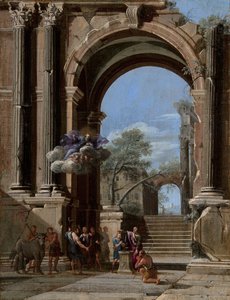
niccolò codazzi
1642 - 1693 , Italy
Osnovne informacije
- Artistic Movement Or Style: Baroque
- Artists Who Influenced This Artist: ['Viviano Codazzi']
- Date Of Birth: 1642
- Date Of Death: 1693
- Full Name: Niccolò Codazzi
- Nationality: Italian
- Place Of Birth: Naples, Italy