

 Pregledaj u prostoru
 Pošalji
 Podeli
 Detalji o delu

 Преузми
 Slični predmeti
 Rendgenski snimak
 Slajdovi
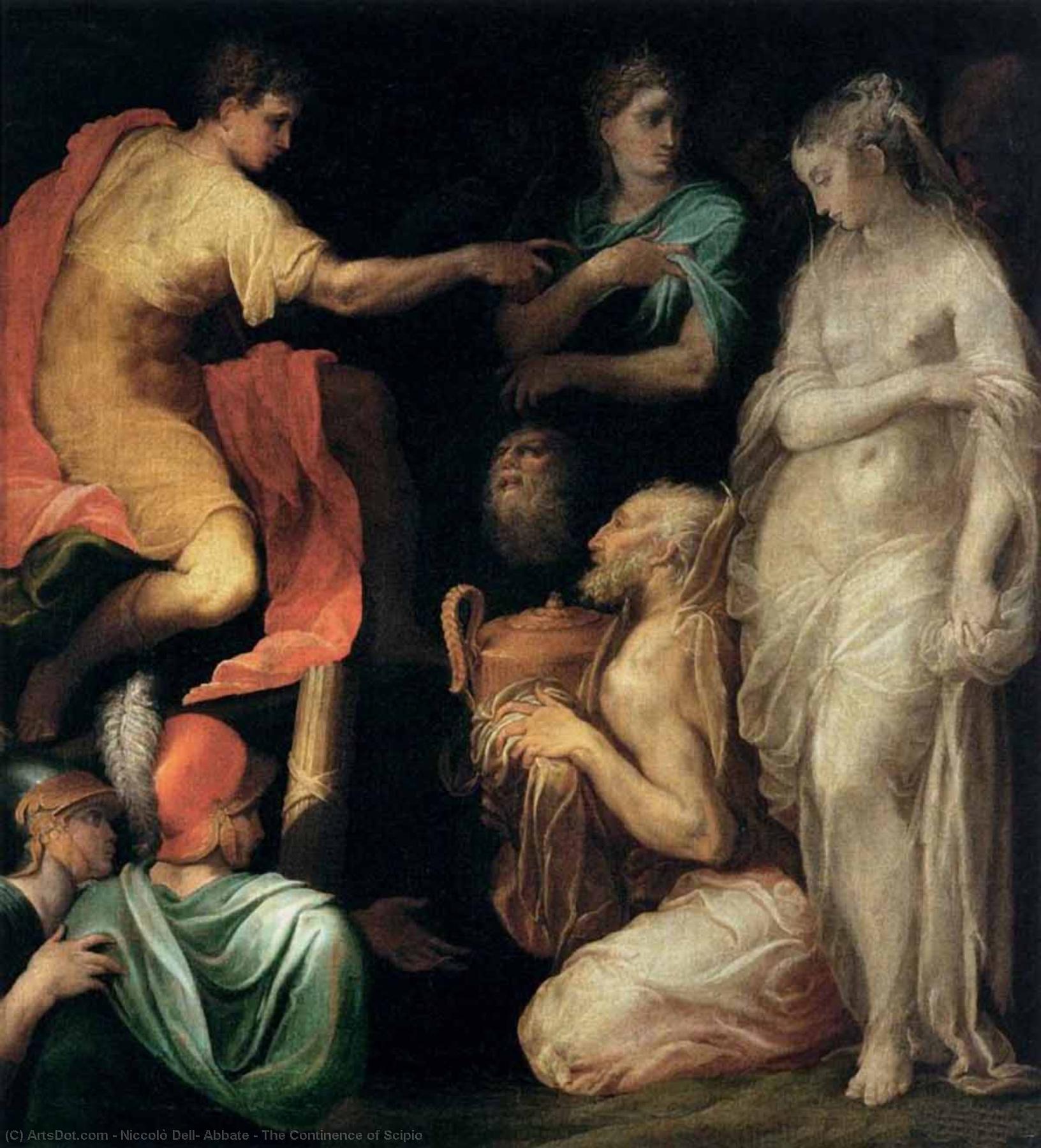
The Continence of Scipio
 Oil On Canvas
- WallArt
- Mannerism
 1555
1555- Early Modern
 127.0 x 115.0 cm
 Louvre
 Pročitaj više
Ručno rađena uljana reprodukcija
Ručno oslikano uljanim bojama na platnu u dimenzijama i okviru po vašem izboru, izrađeno po porudžbini od strane naših umetnika. ( Kupi print Kupi digitalnu sliku)




P118B $10

P118H $10

P118W $10

P438Z $10

P508JH $12

P508YH $12

P805H $10

P805Z $10

P919BZ $10

P919G $10

P919XJ $10

P959ZH $10

P968JZ $12

W106C $8

W218G $10

W218JH $8

W218Y $10

W307PJ $10

W316G $10

W316PJ $8

W316Y $10

W398PJ $8

W4111J $10

W500HY $15

W500JH $15

W692G $12

W849H $8

W940BG $15

W953PJ $8




Izaberite jednu od naših unapred definisanih veličina koje odgovaraju originalnim proporcijama umetničkog dela.

Можете унети сопствене димензије како бисте прилагодили дело одређеном оквиру или простору. Ако одабрана величина не одговара пропорцијама оригинала, слика ће бити исечена или проширена додатним елементима који се ручно насликавају. Дигитални prikaz ће вам бити послат на одобрење пре почетка производње.
Имајте на уму да преглед на екрану не одражава стварно исецање или проширење. Само приказ (mockup) ће тачно приказати коначну композицију.
Иако су доступне прилагођене величине, препоручујемо да одаберете димензију из дефинисане листе како бисте сачували оригиналне пропорције.
Nakon narudžbine, tim ArtsDot.com će klijentu putem e-pošte poslati uputstva i dostaviti prikaz predloženog rešenja
Isporuka širom sveta () za 3/4 nedelje umesto uobičajenih 5 nedelja. (21 август). Bez kompromisa po pitanju kvaliteta.

Besplatna ekspresna dostava širom sveta

Visokokvalitetno laneno platno

Kompletno osiguranje transporta

Garancija povraćaja carine i uvoznih dažbina

Garancija vernosti boja

Politika povrata u roku od 60 dana (samo u slučaju nedostataka)

Garancija povrata novca od 100%

Popust pri grupnoj kupovini
 Opcija sa staklom dostupna je samo za dimenzije manje od 110 cm

The Continence of Scipio
Tehnika reprodukcije
Dimenzije reprodukcije
-


Konačna cena
$ 263
Opis umetničkog dela
A Moment of Roman Virtue: Exploring The Continence of Scipio
To gaze upon Niccolò dell'Abate's The Continence of Scipio is to step directly into the gilded, dramatic heart of classical antiquity. This painting is not merely a depiction of historical figures; it is a profound meditation on virtue, restraint, and the weight of civic duty. The composition immediately draws the eye to the central figure, Scipio, whose bowed head suggests a moment suspended between internal struggle and public declaration. Surrounded by richly robed companions—some draped in vibrant reds, others in deep greens—the scene pulses with the energy of an important gathering, yet it is the quiet dignity emanating from the protagonist that anchors the entire emotional weight of the canvas.
Mannerist Grace and Classical Allusion
Painted around 1555, this work stands as a superb example of Italian Mannerism filtered through a deep reverence for classical Roman ideals. Dell'Abate, known for his exquisite sense of courtly elegance, masterfully blends the dramatic flair characteristic of the period with the gravitas of ancient portraiture. Observe the meticulous rendering of the togas and laurels; these elements are not mere costume details but symbolic signifiers of status and virtue. The artist employs a sophisticated palette that allows the richness of the fabrics to complement the solemnity of the subject matter, creating an atmosphere that is both opulent and deeply thoughtful.
Symbolism in Stillness: The Meaning of Continence
The very title speaks to the core theme: Continence. In the context of Roman virtue, this refers not just to self-control, but to moral fortitude—the ability to maintain one's principles even under duress or temptation. Dell'Abate captures this abstract concept through physical gesture. The raised hands and attentive gazes of the surrounding figures serve as a chorus, framing Scipio’s internal battle. It invites the modern viewer to contemplate their own moments of necessary restraint, transforming the painting from a historical tableau into a timeless psychological portrait.
A Masterpiece for Elevated Interiors
For those who seek art that speaks volumes without shouting, The Continence of Scipio offers unparalleled depth. Its sophisticated narrative and rich visual texture make it an extraordinary focal point for any grand drawing-room or scholarly study. Owning a high-quality reproduction allows one to bring this confluence of history, philosophy, and breathtaking artistry into your personal space. It is a piece that rewards prolonged viewing, inviting contemplation upon the enduring power of character over circumstance.
Srodna umetnička dela


Biografija umetnika
Niccolò dell’Abbate: A Master of Myth and Courtly Grace
Born in Modena, Italy, around 1512, Niccolò dell’Abbate emerged as a pivotal figure within the Italian Mannerist movement. His artistic journey, spanning from his early training in the studio of Antonio Begarelli to his later years spent at the prestigious Château de Fontainebleau, reveals a fascinating evolution shaped by regional influences and a deep engagement with classical ideals. While often overshadowed by contemporaries like Parmigianino and Rosso Fiorentino, dell’Abbate carved out a distinctive niche through his masterful command of landscape, mythological narratives, and an exquisite sense of courtly elegance.
Dell’Abbate's formative years were spent in Modena, absorbing the stylistic elements of Ferrarese painters like Garofalo and Dosso Dossi. These early influences instilled within him a foundational understanding of composition, color theory, and the depiction of human form – skills he would later refine through exposure to the innovations of Correggio and Parmigianino. A significant turning point in his career arrived with his relocation to Bologna in 1547. This period witnessed a dramatic shift in his artistic focus, as he increasingly embraced elaborate landscapes that served as backdrops for dynamic mythological scenes. These compositions weren’t merely decorative; they were carefully constructed environments designed to heighten the drama and symbolism of each narrative.
The Fontainebleau School and Royal Patronage
In 1552, dell’Abbate embarked on a new chapter in his career by accepting a position at the Château de Fontainebleau under the direction of Francesco Primaticcio. This marked his entry into the influential School of Fontainebleau, a collective of artists tasked with adorning the royal palace and shaping the artistic tastes of the French court. Here, he collaborated with other masters like Rosso Fiorentino and Il Rosso, absorbing their techniques while simultaneously injecting his own distinctive style. His work at Fontainebleau showcased a remarkable versatility, encompassing frescoes, panel paintings, and even decorative tapestries. Notably, he contributed to the decoration of the Hôtel de Guise chapel in Paris, creating a stunning ceiling fresco that demonstrated his ability to integrate complex spatial relationships and dramatic lighting effects.
The royal patronage afforded him by Charles IX provided opportunities to create works for special occasions – triumphal entries, celebrations, and courtly entertainments. These ephemeral decorations, often painted on portable canvases, reveal dell’Abbate's skill in capturing fleeting moments of grandeur and spectacle. His final commissions, undertaken in 1571, included a series of murals depicting scenes from the life of St. Paul, reflecting his continued engagement with religious subjects alongside his beloved mythological landscapes.
Key Works and Artistic Style
Niccolò dell’Abbate's artistic legacy is primarily defined by two distinct yet interconnected elements: his evocative landscapes and his captivating depictions of mythological narratives. His landscapes are not simply scenic backgrounds; they are meticulously crafted environments imbued with a sense of depth, atmosphere, and psychological resonance. He skillfully employed atmospheric perspective, creating a subtle gradation of color and detail to suggest distance and create an illusion of three-dimensionality. These landscapes frequently served as the setting for dramatic scenes featuring figures from classical mythology – tales of Orpheus and Eurydice, Proserpine’s abduction, and the Judgment of Paris.
His paintings are characterized by a refined elegance, a delicate balance between restraint and exuberance. He demonstrated an exceptional ability to render textures with remarkable detail, capturing the sheen of silk robes, the weight of armor, and the smoothness of marble statues. His figures possess a graceful poise and a subtle expressiveness that conveys both physical beauty and emotional depth. The “Rape of Proserpine” exemplifies this style perfectly, showcasing his mastery of composition, color, and narrative detail.
Legacy and Influence
Despite the loss of many of his works to fire in 1643, Niccolò dell’Abbate's influence on subsequent generations of artists is undeniable. His innovative use of landscape as a compositional element paved the way for Claude Lorrain and Nicolas Poussin, who both drew inspiration from his ability to integrate natural settings into mythological narratives. Dell’Abbate’s work at Fontainebleau also contributed significantly to the development of French Mannerism, introducing Italian Renaissance principles to the French court and shaping the artistic tastes of a nation.
Today, his paintings are treasured for their beauty, elegance, and technical virtuosity. The National Gallery in London houses “Orpheus and Eurydice,” while the Louvre Museum proudly displays “The Rape of Proserpine.” These iconic works stand as enduring testaments to the genius of Niccolò dell’Abbate, a master painter who seamlessly blended classical ideals with innovative techniques to create some of the most captivating images of the Italian Renaissance.
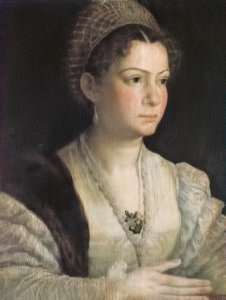
niccolò dell' abbate
1512 - 1571 , Italy
Osnovne informacije
- Artistic Movement Or Style: Mannerism
- Artists Or Movements Influenced By This Artist:
- Claude Lorrain
- Nicolas Poussin
- Artists Who Influenced This Artist:
- Correggio
- Parmigianino
- Date Of Birth: 1512, Modena, Italy
- Date Of Death: 1571
- Full Name: Niccolò dell'Abbate
- Nationality: Italian
- Notable Artworks:
- The Rape of Proserpine
- Stag Hunt
- The Conversion of St Paul
- Place Of Birth: Modena, Italy
Povezani članci

Giclée Prints: Archival Quality & Aesthetic Nuances for the Discerning Collector
Explore the world of giclée prints with ArtsDot. Learn about archival quality, aesthetic nuances & investment potential. Expert guidance for discerning art collectors seeking museum-quality reproductions and lasting value.

Echoes of Time: Exploring the Enduring Appeal & Historical Context of Vintage Art Prints
Explore the captivating world of vintage art prints! Discover their history, collecting tips & enduring appeal. Expert insights on chromolithography and building a legacy collection with ArtsDot.

The Enduring Legacy of Fine Art Prints: Technique, History & Aesthetic Impact
Explore the rich history & techniques of fine art prints. Discover investment potential, assess authenticity, and learn how to preserve your collection with expert guidance. Trusted insights for discerning collectors.
The Enduring Legacy of Printmaking: Techniques, Themes & Artistic Innovation Across Centuries
Explore the rich history of printmaking with ArtsDot. Discover techniques from intaglio to lithography, learn about collecting valuable prints & find museum-quality reproductions. Expert insights for art enthusiasts and collectors.
The Enduring Legacy of Woodblock Printmaking: Technique, History & Artistic Expression
Explore the rich history of woodblock printmaking – from ancient techniques to Ukiyo-e masterpieces. Discover expert insights on collecting, preserving & appreciating this enduring art form.

