

 Pregledaj u prostoru
 Pošalji
 Podeli
 Detalji o delu

 Преузми
 Slični predmeti
 Rendgenski snimak
 Slajdovi
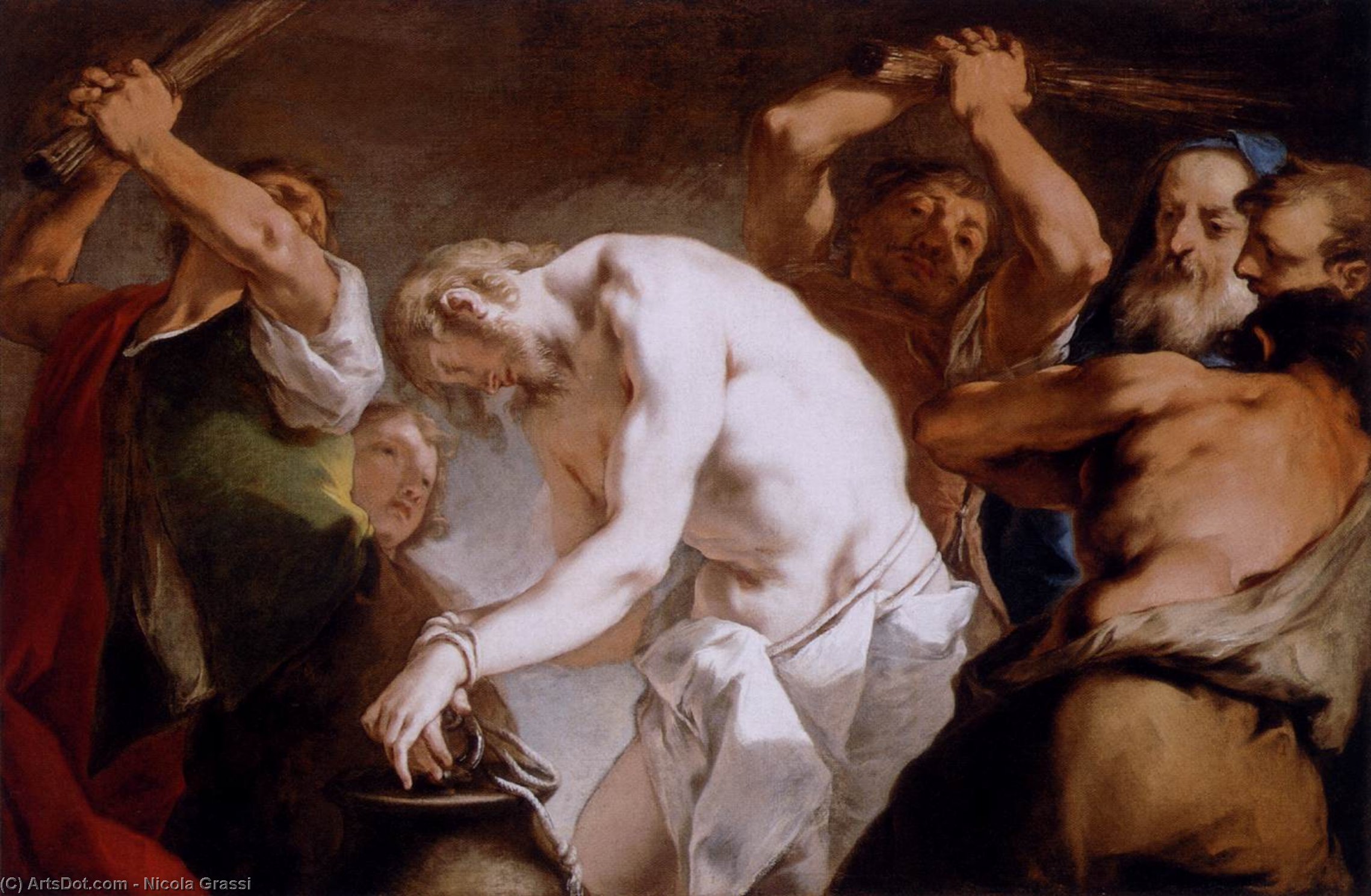
The Flagellation of Christ
 Oil
Oil- WallArt
- Baroque
 1720
1720- Early Modern
 105.0 x 159.0 cm
 Szépművészeti Múzeum
 Pročitaj više
Ručno rađena uljana reprodukcija
Ručno oslikano uljanim bojama na platnu u dimenzijama i okviru po vašem izboru, izrađeno po porudžbini od strane naših umetnika. ( Kupi print Kupi digitalnu sliku)




P118B $10

P118H $10

P118W $10

P438Z $10

P508JH $12

P508YH $12

P805H $10

P805Z $10

P919BZ $10

P919G $10

P919XJ $10

P959ZH $10

P968JZ $12

W106C $8

W218G $10

W218JH $8

W218Y $10

W307PJ $10

W316G $10

W316PJ $8

W316Y $10

W398PJ $8

W4111J $10

W500HY $15

W500JH $15

W692G $12

W849H $8

W940BG $15

W953PJ $8




Izaberite jednu od naših unapred definisanih veličina koje odgovaraju originalnim proporcijama umetničkog dela.

Можете унети сопствене димензије како бисте прилагодили дело одређеном оквиру или простору. Ако одабрана величина не одговара пропорцијама оригинала, слика ће бити исечена или проширена додатним елементима који се ручно насликавају. Дигитални prikaz ће вам бити послат на одобрење пре почетка производње.
Имајте на уму да преглед на екрану не одражава стварно исецање или проширење. Само приказ (mockup) ће тачно приказати коначну композицију.
Иако су доступне прилагођене величине, препоручујемо да одаберете димензију из дефинисане листе како бисте сачували оригиналне пропорције.
Nakon narudžbine, tim ArtsDot.com će klijentu putem e-pošte poslati uputstva i dostaviti prikaz predloženog rešenja
Isporuka širom sveta () za 3/4 nedelje umesto uobičajenih 5 nedelja. (22 август). Bez kompromisa po pitanju kvaliteta.

Besplatna ekspresna dostava širom sveta

Visokokvalitetno laneno platno

Kompletno osiguranje transporta

Garancija povraćaja carine i uvoznih dažbina

Garancija vernosti boja

Politika povrata u roku od 60 dana (samo u slučaju nedostataka)

Garancija povrata novca od 100%

Popust pri grupnoj kupovini
 Opcija sa staklom dostupna je samo za dimenzije manje od 110 cm

The Flagellation of Christ
Tehnika reprodukcije
Dimenzije reprodukcije
-


Konačna cena
$ 263
Opis umetničkog dela
A Symphony of Suffering and Baroque Grandeur
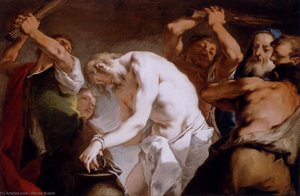
In the dramatic landscape of the late Venetian Baroque, few works capture the raw, visceral essence of human agony and divine sacrifice as profoundly as Nicola Grassi’s The Flagellation of Christ. Painted in 1720, this masterpiece serves as a window into a period where art was not merely meant to be observed, but to be felt within the very marrow of the viewer. The scene unfolds with a theatrical intensity, characteristic of the Venetian school, where light and shadow dance in a perpetual struggle. As the eye traverses the canvas, it is immediately drawn to the central figure of Christ, whose vulnerability is juxtaposed against the brutal, rhythmic motion of his tormentors. Grassi employs a masterful command of chiaroscuro, using deep, enveloping shadows to push the figures toward the viewer, creating an immersive experience that blurs the line between the historical event and the present moment.
The composition is a complex tapestry of human emotion and physical tension. Beyond the central act of violence, Grassi populates the scene with a diverse assembly of onlookers—men and women whose expressions range from detached indifference to profound sorrow. This layering of gazes creates a psychological depth that invites the observer to contemplate their own role as a witness to injustice. The presence of subtle symbolic elements, such as the humble bowls resting at the periphery and the heavy religious text positioned near the base of the scene, grounds the divine tragedy in a tangible, earthly reality. These details suggest a narrative of record and remembrance, implying that the suffering depicted is not just a singular moment in time, but a foundational pillar of faith and history.
For the discerning collector or interior designer, this painting offers more than mere decoration; it provides a profound focal point for spaces that demand character and intellectual weight. The technique utilized by Grassi—likely influenced by his apprenticeship under Antonio Carneo—displays a sophisticated handling of texture, from the soft, wounded flesh of the subject to the heavy, tactile folds of the period attire. The color palette, rich with the earthy tones and dramatic highlights typical of the 18th-century Italian tradition, allows the piece to integrate seamlessly into classical or even contemporary avant-garde settings. A high-quality reproduction of this work brings a sense of historical gravity and an undeniable aura of prestige to any room, serving as a conversation piece that evokes the enduring power of the human spirit amidst the darkest of trials.
Srodna umetnička dela
Biografija umetnika
A Venetian Legacy Forged in Shadow and Light
In the twilight of the Baroque era, a period defined by theatricality and profound emotional depth, the name Nicola Grassi emerged as a vital voice within the illustrious Venetian school. Born in 1682 in Formosa, near Trieste, Grassi’s early life was shaped by the rigorous traditions of Italian craftsmanship. His formative years were spent under the watchful eye of Antonio Carneo, an apprenticeship that instilled in him a meticulous command over detail and a deep understanding of the Venetian mastery of light. This foundational period prepared him for the competitive landscape of Venice, where he would eventually establish himself as a painter capable of translating divine narratives into visceral human experiences.As he transitioned from student to master, his work began to reflect the complex interplay of religious devotion and the burgeoning aesthetic shifts of the early 18th century. His ability to navigate the transition from the heavy, dramatic shadows of the late Baroque toward the more delicate sensibilities of the Rococo marked him as an artist of significant adaptability and vision.
Expanding Horizons: From Venice to the European Stage
Upon his arrival in Venice in 1697, Grassi did not merely exist within the city's artistic circles; he actively wove himself into its very fabric. His early career was marked by significant collaborations, most notably with the Genovese artist Nicolo Cassana. This partnership allowed Grassi to absorb the burgeoning influences of the Rococo style, blending the heavy drama of the Baroque with a new, lighter elegance. However, his ambitions were never confined to the borders of the Venetian Republic. Between 1722 and 1725, Grassi embarked on transformative journeys through Bavaria and Dalmatia. These expeditions served as more than mere travels; they were artistic pilgrimages that enriched his palette and broadened his perspective, allowing him to integrate diverse European currents into his repertoire.His professional journey is best understood through several key milestones:
- The apprenticeship under Antonio Carneo, which established his technical foundation.
- The collaborative period with Nicolo Cassana, introducing Rococo influences.
- The expansive travels through Bavaria and Dalmatia, broadening his European stylistic reach.
The Divine Narrative: Emotion and Technique
The true essence of Grassi’s artistry lies in his ability to command the viewer's soul through religious subject matter. He possessed a rare talent for capturing the profound tension between human agony and divine grace. Nowhere is this more evident than in his 1720 masterpiece, The Flagellation of Christ. In this work, Grassi employs a masterful use of chiaroscuro, where deep, enveloping shadows push the figures toward the viewer, creating an immersive, almost claustrophobic intensity. The painting is not merely a depiction of a biblical event but a symphony of suffering, where every rhythmic motion of the tormentors and every flicker of light on Christ’s vulnerable form serves to heighten the emotional stakes.His repertoire also included serene yet powerful depictions such as The Virgin with Child and two saints and Madonna Announced. Through these works, Grassi demonstrated a versatility that spanned from the intense, dramatic shadows of his more violent scenes to the soft, classical compositions of his devotional portraits. His legacy remains etched in the history of Italian art as a painter who could navigate the complexities of both the Baroque's weight and the Rococo's grace, leaving behind a body of work that continues to resonate with the raw power of the human spirit.
Nicola Grassi
1682 - 1748 , Italy
Osnovne informacije
- Artistic Movement Or Style: Baroque/Rococo
- Artists Or Movements Influenced By This Artist: ['Nicolo Cassana']
- Artists Who Influenced This Artist: ['Antonio Carneo']
- Date Of Birth: April 7, 1682
- Date Of Death: October 6, 1748
- Full Name: Nicola Grassi
- Nationality: Italian
- Notable Artworks:
- The Flagellation of Christ
- St. Paul the Apostle
- Rebecca at the Well
- Place Of Birth: Formosa, Italy
Povezani članci

Jacopo Tintoretto: 25 Remek-dela Venecijanskog Majstora | Reprodukcije i Inspiracija za Dom
Uronite u svet Jacopa Tintoreta! Otkrijte 25 remek-dela venecijanskog renesansnog majstora. Istražite dramatične kompozicije, bogate boje i istoriju umetnosti na ArtsDot.com. Reprodukcije slika za luksuzni enterijer.

The Visceral Stage: Exploring Dramatic Narratives & Emotional Intensity in Baroque Art
Explore the dramatic world of Baroque art! Discover iconic masters like Caravaggio & Rembrandt, their techniques, and the movement's lasting impact. Expert insights for collectors & enthusiasts at ArtsDot.

Барокна драма: Уношење величине и емоција у савремене ентеријере
Откријте барокну драму и унесите величину у ваш ентеријер! ArtsDot нуди ручно насликане репродукције, персонализоване портрете и стручне консултације за љубитеље класичне уметности. Потражите савршено дело већ данас!

The Dramatic Flourish: Exploring the Baroque Movement's Enduring Legacy in Art History
Explore the dramatic world of Baroque art! Discover iconic artists like Caravaggio & Rubens, defining techniques, and its lasting impact on art history. Expert insights for collectors & enthusiasts at ArtsDot.

Barok Majstor dela: Top 10 Umjetničkih Remeka za Vaš Dom
Otkrijte 10 remek dela koja su definisala baroknu umetnost! Karavagio, Bernini i više – istražite priče iza ovih ikoničnih slika. Inspiracija za vaš dom? Pogledajte kolekciju na ArtsDot.com!

