

 Pregledaj u prostoru
 Pošalji
 Podeli
 Detalji o delu

 Преузми
 Slični predmeti
 Rendgenski snimak
 Slajdovi
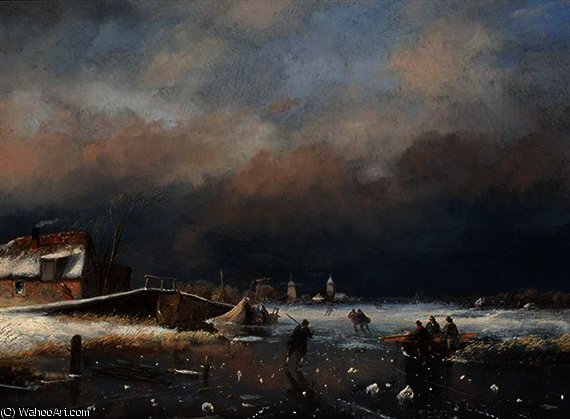
Merriment on the ice
 Pročitaj više
Ručno rađena uljana reprodukcija
Ručno oslikano uljanim bojama na platnu u dimenzijama i okviru po vašem izboru, izrađeno po porudžbini od strane naših umetnika. ( Kupi print Kupi digitalnu sliku)




































Izaberite jednu od naših unapred definisanih veličina koje odgovaraju originalnim proporcijama umetničkog dela.

Можете унети сопствене димензије како бисте прилагодили дело одређеном оквиру или простору. Ако одабрана величина не одговара пропорцијама оригинала, слика ће бити исечена или проширена додатним елементима који се ручно насликавају. Дигитални prikaz ће вам бити послат на одобрење пре почетка производње.
Имајте на уму да преглед на екрану не одражава стварно исецање или проширење. Само приказ (mockup) ће тачно приказати коначну композицију.
Иако су доступне прилагођене величине, препоручујемо да одаберете димензију из дефинисане листе како бисте сачували оригиналне пропорције.
Nakon narudžbine, tim ArtsDot.com će klijentu putem e-pošte poslati uputstva i dostaviti prikaz predloženog rešenja
Isporuka širom sveta () za 3/4 nedelje umesto uobičajenih 5 nedelja. (28 август). Bez kompromisa po pitanju kvaliteta.

Besplatna ekspresna dostava širom sveta

Visokokvalitetno laneno platno

Kompletno osiguranje transporta

Garancija povraćaja carine i uvoznih dažbina

Garancija vernosti boja

Politika povrata u roku od 60 dana (samo u slučaju nedostataka)

Garancija povrata novca od 100%

Popust pri grupnoj kupovini
 Opcija sa staklom dostupna je samo za dimenzije manje od 110 cm

Merriment on the ice
Tehnika reprodukcije
Dimenzije reprodukcije
-


Konačna cena
$ 263
Srodna umetnička dela







Biografija umetnika
The Luminous Legacy of Nicolaas Johannes Roosenboom
In the grand tapestry of nineteenth-century Dutch art, few threads shimmer with as much atmospheric grace as those woven by Nicolaas Johannes Roosenboom. Born in 1805 in the quiet environs of Schieving, near Amsterdam, Roosenboom emerged during a period of profound transition in the Netherlands. While many of his contemporaries remained tethered to the rigid structures of classical realism, Roosenboom possessed an innate sensitivity to the ephemeral qualities of light and weather. His life’s work serves as a bridge between the storied traditions of the Dutch Golden Age and the burgeoning emotional depth of the Romantic movement, creating a visual language that captured both the stillness of the landscape and the vibrant pulse of human activity.
The foundation of Roosenboom’s mastery was laid under the tutelage of the legendary Andreas Schelfhout, one of the most prominent landscape painters of his era. From Schelfhout, Roosenboom inherited a profound respect for the narrative potential of the Dutch countryside, particularly the use of a low horizon to grant the sky a sense of infinite grandeur. This training instilled in him a meticulous eye for detail—the way frost clings to a reed or how a distant vessel catches the first light of dawn. However, Roosen andboom was never merely a mimic of his master; he possessed a restless, experimental spirit that drove him to seek out new textures and tones, eventually leading him to collaborate with other notable figures such as the Belgian livestock painter Eugène Verboeckhoven.
A Master of Atmosphere and Seasonal Change
Roosenboom’s true genius lay in his ability to translate the sensory experience of the seasons onto canvas. He became particularly celebrated as a master of the Dutch winter landscape, a genre that allowed him to explore the interplay of shadow, ice, and light. His paintings of frozen canals and snow-dusted villages are not merely topographical records but emotional evocations of winter pleasures. Through his brush, one can almost feel the crispness of the biting air and hear the rhythmic scrape of skates upon the IJ in Amsterdam. He captured the communal joy of koek en zopie—the traditional Dutch practice of enjoying warm treats on the ice—with a warmth that defied the frigid subject matter.
Beyond the winter frost, Roosenboom’s repertoire expanded into luminous summer scenes and evocative nocturnal studies. His ability to manipulate light was nothing short of transformative; he could render the soft, hazy glow of a moonlit harbor or the sharp, brilliant clarity of a sunny afternoon with equal dexterity. This fascination with atmospheric effects suggests an artist who was deeply attuned to the shifting moods of nature. His works often feature:
- Narrative Detail: Small, human elements—a horse and sledge, a distant ferry, or figures skating—that breathe life into the vast landscapes.
- Tonal Balance: A sophisticated equilibrium between the intricate textures of the foreground and the expansive, airy backgrounds.
- Luminous Color Palettes: The use of vibrant yet naturalistic hues to depict everything from the deep blues of twilight to the golden warmth of a summer sun.
Artistic Evolution and Historical Significance
As his career progressed, Roosenboom’s style began to reflect the broader shifts occurring within European art. While his roots remained firmly planted in Romanticism, there was an unmistakable movement toward a more fluid, almost proto-Impressionistic approach in his later works. He began to prioritize the impression of light over the strictness of line, utilizing looser brushstrokes to capture the fleeting nature of weather and motion. This evolution allowed him to transcend simple representation, turning his landscapes into poetic meditations on time and permanence.
The success of his paintings enabled him to travel extensively throughout Europe, bringing the essence of the Dutch landscape to audiences in Belgium, Germany, England, and Scotland. This international reach ensured that his influence extended far beyond the borders of his homeland. Today, Roosenboom is remembered not only as a prolific painter but as an influential teacher who helped shape the trajectory of Dutch landscape art. His legacy endures in every canvas that captures the quiet magic of a sun-drenched meadow or the melancholic beauty of a winter dusk, reminding us that the most profound art often lies in our ability to see the extraordinary within the ordinary.
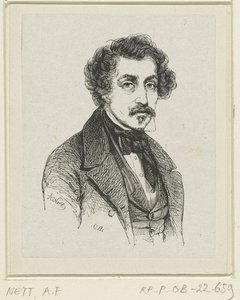
nicolaas johannes roosenboom
1805 - 1880 , Netherlands
Osnovne informacije
- Artistic Movement Or Style: Impressionism
- Artists Or Movements Influenced By This Artist: ['Romanticism']
- Artists Who Influenced This Artist: ['Gustav Klimt']
- Date Of Birth: 1805
- Full Name: Nicolaas Johannes Roosenboom
- Nationality: Dutch
- Notable Artworks: ['Skaters On The Ij']
- Place Of Birth: Schieving, Netherlands

