

 Pregledaj u prostoru
 Pošalji
 Podeli
 Detalji o delu

 Преузми
 Slični predmeti
 Rendgenski snimak
 Slajdovi
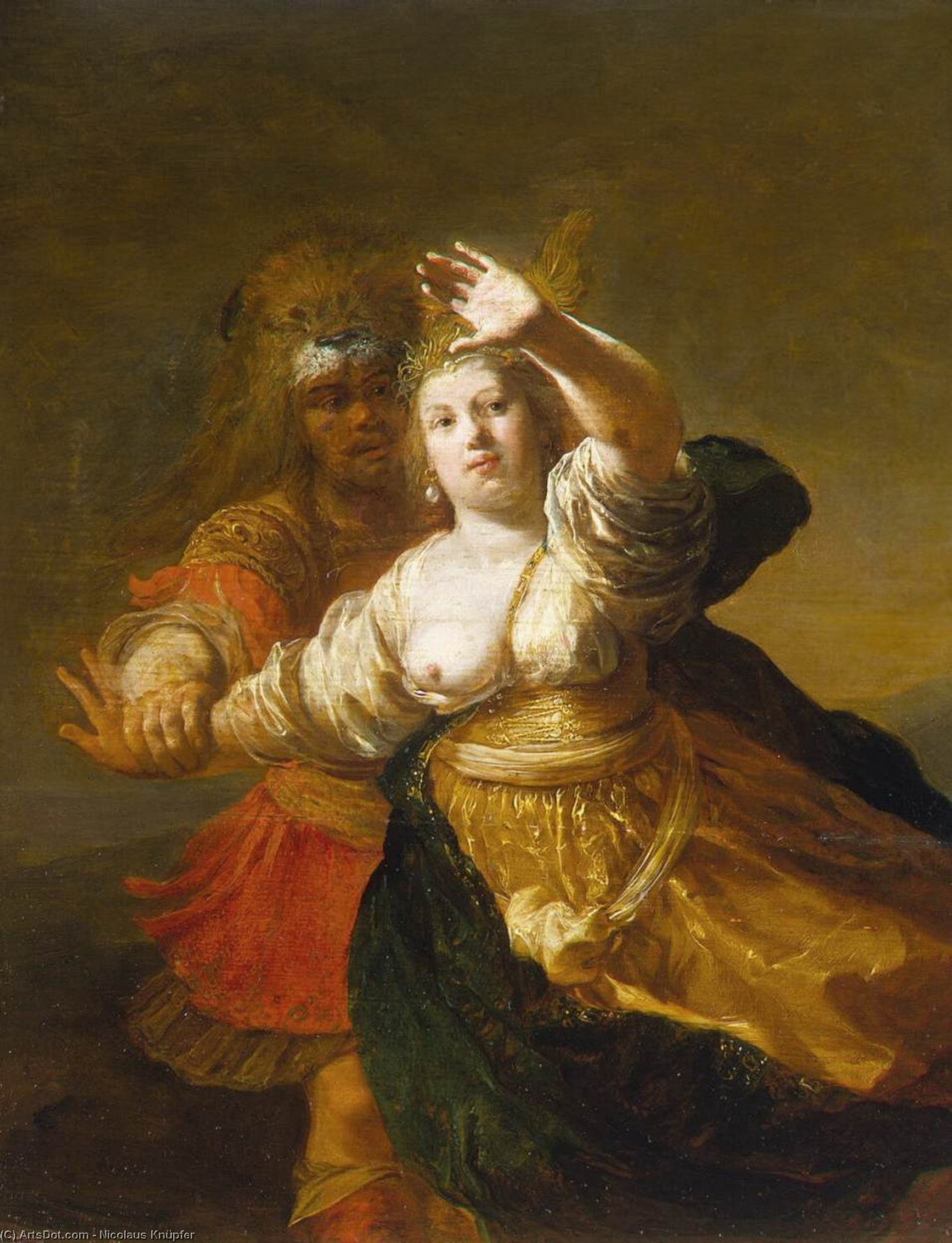
Hercules Obtaining the Girdle of Hyppolita
 Oil On Canvas
- WallArt
- Baroque
 29.0 x 23.0 cm
 Hermitage Museum
 Pročitaj više
Giclee štampa / Umetnički otisak
Giclée štampa ili print na platnu muzejskog kvaliteta uz brzu proizvodnju i fleksibilne opcije završne obrade. ( Kupi ručno naslikanu sliku Kupi digitalnu sliku)




P118B $10

P118H $10

P118W $10

P438Z $10

P508JH $12

P508YH $12

P805H $10

P805Z $10

P919BZ $10

P919G $10

P919XJ $10

P959ZH $10

P968JZ $12

W106C $8

W218G $10

W218JH $8

W218Y $10

W307PJ $10

W316G $10

W316PJ $8

W316Y $10

W398PJ $8

W4111J $10

W500HY $15

W500JH $15

W692G $12

W849H $8

W940BG $15

W953PJ $8




Izaberite jednu od naših unapred definisanih veličina koje odgovaraju originalnim proporcijama umetničkog dela.

Možete uneti sopstvene dimenzije kako biste umetničko delo prilagodili specifičnom okviru ili prostoru. Ako odabrani format ne odgovara proporcijama originalne slike, mi ćemo ili iscrtati deo dela ili proširiti sliku pomoću ogledane ivice ili jednobojnog popunjavanja. Digitalni prikaz će vam biti poslat na odobrenje pre početka proizvodnje.
Imajte na umu da pregled na ekranu ne odražava stvarno iscrtavanje ili proširivanje. Samo će prikaz (mockup) precizno pokazati finalnu kompoziciju.
Iako su prilagođene dimenzije dostupne, preporučujemo da odaberete dimenziju sa unapred definisane liste kako biste očuvali originalne proporcije.
Dostava širom sveta () za 2 nedelje umesto uobičajenih 4/5 nedelja. (30 август)

Besplatna ekspresna dostava širom sveta

Visokokvalitetno laneno platno

Kompletno osiguranje transporta

Garancija povraćaja carine i uvoznih dažbina

Garancija vernosti boja

Politika povrata u roku od 60 dana (samo u slučaju nedostataka)

Garancija povrata novca od 100%

Popust pri grupnoj kupovini
 Opcija sa staklom dostupna je samo za dimenzije manje od 110 cm

Hercules Obtaining the Girdle of Hyppolita
Giclee štampa / Umetnički otisak
Dimenzije reprodukcije
-


Konačna cena
$ 62
The Allure of Myth in Baroque Detail
To gaze upon this depiction, Hercules Obtaining the Girdle of Hyppolita, is to step directly into the vibrant, dramatic heart of the Baroque era. Nicolaes Knüpfer, a master whose hand breathed life into mythological grandeur, captures a moment charged with narrative tension and divine allure. The scene unfolds with an immediate sense of movement; the central figure, perhaps embodying the grace of Hyppolita herself, is caught mid-gesture, her arms raised as if in a dance or a dramatic offering. This dynamism is characteristic of Knüpfer’s finest work, where stillness is merely the breath taken between powerful actions.
A Study in Baroque Composition and Technique
Knüpfer's technique speaks volumes about his mastery. While the overall composition suggests the rich storytelling favored by artists of the period, one notes the meticulous attention to detail that defined his career. The interplay between the three figures—the central dancer, and the two supporting individuals flanking her on either side—creates a complex visual dialogue. Knüpfer was celebrated for his precision, an ability to render textures, drapery, and human form with almost scientific accuracy, yet always imbued with emotional resonance. This painting invites the viewer to lose themselves in the interplay of light catching the fabric and the subtle gestures exchanged between the participants.
Symbolism and the Heroic Narrative
The subject matter itself—the acquisition of a sacred or powerful object like the Girdle—is steeped in classical mythology, themes that perpetually fascinated Baroque patrons. Hercules, representing ultimate human strength and virtue, pursuing such an item speaks to the enduring human quest for knowledge, power, or divine favor. The symbolism here is rich: it is not merely a story of acquisition, but a meditation on the cost of glory. The woman at the center acts as both object of desire and conduit of mystery, embodying the elusive nature of beauty and virtue itself.
Bringing Baroque Drama Home
For the collector or designer seeking to infuse a space with the drama and sophistication of the 17th century, this reproduction offers an unparalleled opportunity. Owning a piece echoing Knüpfer’s hand-painted style means bringing home not just an image, but a curated atmosphere—one steeped in myth, movement, and Old Master craftsmanship. The size, at 29 x 23 cm, makes it a perfect focal point for a mantelpiece or gallery wall, allowing the viewer to appreciate the intricate brushwork up close while still maintaining an elegant presence within any richly decorated interior.
Srodna umetnička dela





Biografija umetnika
The Master of Baroque Precision: The Life and Legacy of Nicolaes Knüpfer
In the vibrant, bustling landscape of the Dutch Golden Age, few artists captured the dramatic tension of the Baroque era with as much meticulous care as Nicolaes Knüpfer. Born in Leipzig, Germany, in 1609, Knüpfer’s journey from a German apprentice to a celebrated figure in the Dutch artistic community is a testament to the fluid, interconnected nature of European art in the seventeenth century. His early years were defined by a rigorous pursuit of technical mastery, beginning with his training under the esteemed Emanuel Nysen. This foundational period instilled in him a profound respect for the structural elements of painting, but it was perhaps his unexpected tenure in Magdeburg that truly shaped his unique artistic DNA. While residing there, Knüpfer worked as a brushmaker, an intimate occupation that granted him an unparalleled understanding of the tools of his trade. This rare insight into the very fibers and textures of the brush allowed him to manipulate pigments with a precision that would later become his hallmark, blending the artisan's tactile knowledge with the painter's visionary spirit.
The trajectory of Knüpfer’s career reached a transformative milestone in 1630 when he relocated to Utrecht. This move placed him at the heart of a flourishing artistic hub, where he entered into a pivotal collaborative partnership with the legendary Abraham Bloemaert. Under the influence of Bloemaert’s sophisticated style, Knüpfer began to expand his repertoire beyond mere technical execution, embracing the grander, more emotive themes of biblical narratives and mythological legends. His ability to weave complex stories through flowing lines and unusual, expressive figures set him apart from his contemporaries. By 1637, his reputation was firmly established, earning him prestigious membership in the Guild of St. Luke. This period of professional maturity saw him undertaking monumental commissions that extended far beyond the borders of the Netherlands; notably, his work for the opulent Kronborg Castle in Denmark serves as a glittering reminder of his status as a premier decorative artist capable of enriching the most royal of interiors.
A Tapestry of Themes: From Sacred Narratives to Genre Scenes
Knüpfer’s body of work is characterized by a remarkable versatility, allowing him to navigate seamlessly between the divine and the earthly. He possessed a singular talent for breathing life into historical and biblical figures, imbuing them with a sense of psychological depth and grandeur. In masterpieces such as Queen of Sheba before Solomon, one can witness his mastery of the Baroque aesthetic—a world of rich textures, dramatic lighting, and courtly splendor that transports the viewer to an era of ancient majesty. Yet, Knüpfer was equally adept at capturing the gritty, spirited atmosphere of everyday life. His genre paintings, such as the evocative Brothel Scene, reveal a different facet of his genius. In these works, the refined elegance of his mythological scenes gives way to exaggerated characters and expressive brushstrokes that capture the raw, often chaotic energy of an Amsterdam tavern, offering a poignant window into the societal attitudes and textures of the Dutch Golden Age.
Beyond his solo achievements, Knüpfer’s significance is deeply intertwined with the broader movement of landscape and collaborative painting. He frequently collaborated with masters such as Jan Both and Jan Baptist Weenix, skillfully integrating his intricate figures into their expansive, atmospheric landscapes. This synergy created a holistic viewing experience where human drama and natural beauty existed in perfect, dramatic harmony. His legacy is further cemented by his role as a mentor and an influence on the next generation of Dutch masters; the lineage of great painters like Jan Steen and Gabriel Metsu can trace stylistic threads back to the precision and narrative depth pioneered by Knüpfer. Through his blend of artisan craftsmanship and high-art storytelling, Nicolaes Knüpfer remains a vital figure in the history of European art, reminding us of a time when every brushstroke was an act of both devotion and discovery.
nicolaes knupfer
1609 - 1655 , Germany
Osnovne informacije
- Artistic Movement Or Style: Baroque
- Artists Or Movements Influenced By This Artist:
- Jan Steen
- Gabriel Metsu
- Artists Who Influenced This Artist: ['EMANUEL NYSEN']
- Date Of Birth: 1609 Leipzig Germany
- Date Of Death: 1655 Utrecht Netherlands
- Full Name: Nicolaes Knüpfer
- Nationality: Dutch
- Notable Artworks:
- The Kidnapping of Happiness
- Portrait of Nicolaes Knüpfer
- Christ before Herod Antipas
- Place Of Birth: Leipzig Germany
Povezani članci

Dutch Baroque Masters: 10 Paintings That Shaped an Era | ArtsDot
Journey through the Golden Age with our guide to the Top 10 Dutch Baroque masterpieces! Explore iconic paintings by Rembrandt, Vermeer & Frans Hals. Find museum-quality art reproductions and elevate your home decor at ArtsDot.com.

Golden Age Reflections: Dutch Baroque Painting & Cultural Innovation
Explore the Dutch Golden Age of painting! Discover key artists like Vermeer & ter Borch, their innovative techniques, and the rich cultural context behind these Baroque masterpieces. Learn about collecting & appreciating this iconic art period.

Zlatno doba Holandske umetnosti: Top 10 remek dela za vaš dom
Otkrijte remek dela Holandskog zlatnog doba! Uronite u svet Rembrandta, Vermeera i drugih majstora. 10 ikoničnih slika koje su definisale umetnost. Inspiracija za vaš dom i kolekciju - ekskluzivne reprodukcije na ArtsDot.com!

Giclée Prints: Archival Quality & Aesthetic Nuances for the Discerning Collector
Explore the world of giclée prints with ArtsDot. Learn about archival quality, aesthetic nuances & investment potential. Expert guidance for discerning art collectors seeking museum-quality reproductions and lasting value.

Rembrandt van Rijn: 25 Majstorstava Svetla i Senke za Vaš Dom | ArtsDot
Uronite u svet Rembrandta van Rijna! Otkrijte 25 najlepših dela holandskog majstora – portrete, istorijske scene i biblijska platna. Kvalitetne reprodukcije slika za dekoraciju enterijera dostupne na ArtsDot.com.

