

 Pregledaj u prostoru
 Pošalji
 Podeli
 Detalji o delu

 Преузми
 Slični predmeti
 Rendgenski snimak
 Slajdovi
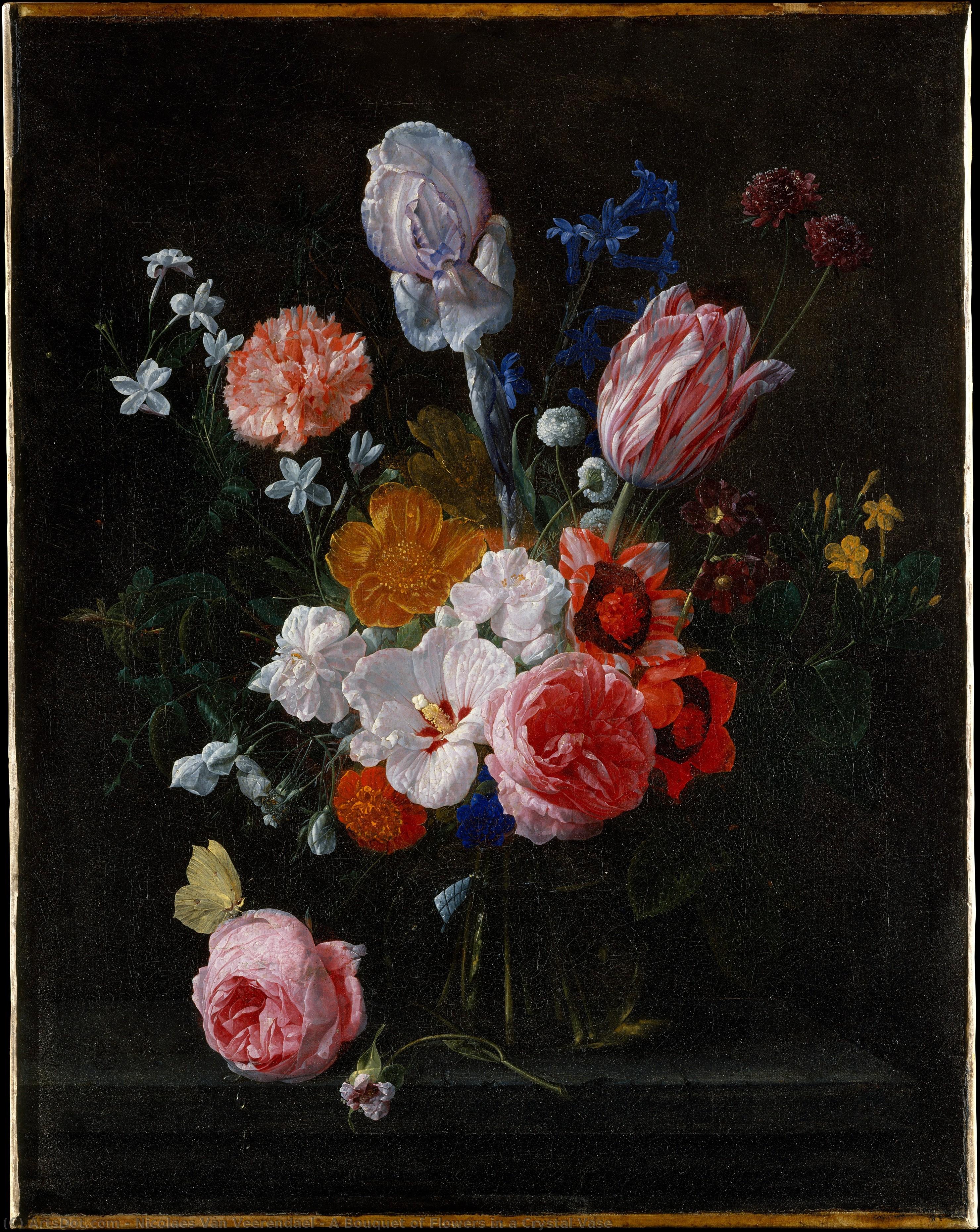
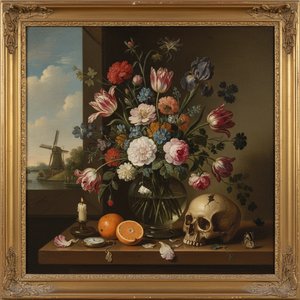
A Bouquet of Flowers in a Crystal Vase
 Dutch Golden Age
 1662
1662 50.0 x 40.0 cm
 Pročitaj više
Ručno rađena uljana reprodukcija
Ručno oslikano uljanim bojama na platnu u dimenzijama i okviru po vašem izboru, izrađeno po porudžbini od strane naših umetnika. ( Kupi print Kupi digitalnu sliku)




































Izaberite jednu od naših unapred definisanih veličina koje odgovaraju originalnim proporcijama umetničkog dela.

Можете унети сопствене димензије како бисте прилагодили дело одређеном оквиру или простору. Ако одабрана величина не одговара пропорцијама оригинала, слика ће бити исечена или проширена додатним елементима који се ручно насликавају. Дигитални prikaz ће вам бити послат на одобрење пре почетка производње.
Имајте на уму да преглед на екрану не одражава стварно исецање или проширење. Само приказ (mockup) ће тачно приказати коначну композицију.
Иако су доступне прилагођене величине, препоручујемо да одаберете димензију из дефинисане листе како бисте сачували оригиналне пропорције.
Nakon narudžbine, tim ArtsDot.com će klijentu putem e-pošte poslati uputstva i dostaviti prikaz predloženog rešenja
Isporuka širom sveta () za 3/4 nedelje umesto uobičajenih 5 nedelja. (2 септембар). Bez kompromisa po pitanju kvaliteta.

Besplatna ekspresna dostava širom sveta

Visokokvalitetno laneno platno

Kompletno osiguranje transporta

Garancija povraćaja carine i uvoznih dažbina

Garancija vernosti boja

Politika povrata u roku od 60 dana (samo u slučaju nedostataka)

Garancija povrata novca od 100%

Popust pri grupnoj kupovini
 Opcija sa staklom dostupna je samo za dimenzije manje od 110 cm

A Bouquet of Flowers in a Crystal Vase
Tehnika reprodukcije
Dimenzije reprodukcije
-


Konačna cena
$ 263
Srodna umetnička dela

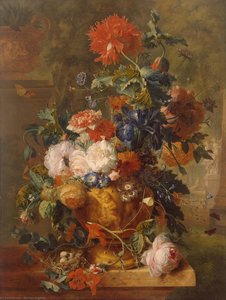
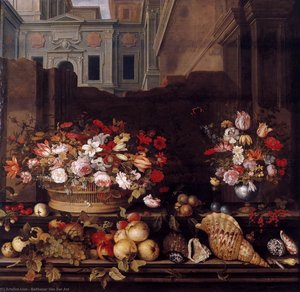
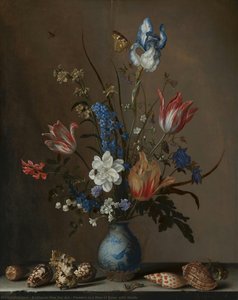
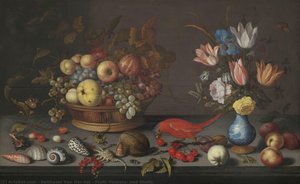
Biografija umetnika
The Botanical Soul of Antwerp: The Life and Art of Nicolaes van Veerendael
In the vibrant, bustling heart of seventeenth-century Antwerp, a period defined by the lush textures of the Baroque, there lived an artist whose brush captured the very essence of transience. Nicolaes van Veerendel, born around 1640, was not merely a painter of petals and stems; he was a chronicler of life's fleeting beauty. While his name might not resonate with the immediate thunder of Rembrandt or Vermeer, his contribution to the Flemish tradition offers a delicate, profound window into the soul of the Dutch Golden Age. Raised in an environment steeped in artistic lineage, he was apprenticed to his father, Willem van Veerendael, a connection that anchored him firmly within the prestigious traditions of Antwerp’s master painters.
The life of Van Veerendael was one of quiet dedication and remarkable complexity. Baptized in St. Andrew's Church, his journey through the artistic guilds was marked by both prestige and personal struggle. Though he was not formally registered as a pupil, his status as the son of a guild member allowed him entry into the St. Luke Guild in 1657, a milestone that solidified his professional standing. Yet, beneath the surface of his growing reputation lay a more human narrative; despite being highly sought after by his peers, Van Veerendael often grappled with financial instability, a consequence of his meticulous and slow working pace. This deliberate approach to his craft, however, was precisely what allowed him to achieve such breathtaking precision in his compositions.
A Symphony of Flora and Folly
To step into the world of Van Veerendael is to enter a realm where nature and symbolism intertwine seamlessly. He became masterfully known for his vanitas still lifes—paintings designed to remind the viewer of the inevitability of death and the ephemeral nature of earthly pleasures. His canvases often featured exquisite arrangements of flowers, fruits, and insects, rendered with such luminous detail that they seemed to pulse with life. These were not mere decorations; every wilting petal or crawling insect served as a poignant memento mori, a silent meditation on the passage of time.
Beyond the botanical, Van Veerendael possessed a whimsical and subversive side, expressed through his famous singeries. In these scenes, monkeys were depicted dressed in human finery, mimicking the gestures and social graces of the Antwerp elite. These primates served as potent emblems of folly and deception, adding a layer of satirical wit to his oeuvre. This duality—the ability to move from the somber, spiritual depth of a vanitas piece to the playful mockery of a monkey scene—demonstrates the remarkable range of his artistic intellect.
Influences and Artistic Legacy
The brilliance of Van Veerendael’s work was nurtured by the giants of his era. His early style bears the unmistakable fingerprints of the leading flower painters in Antwerp, most notably Jan Davidsz de Heem and Daniel Seghers. From De Heem, he inherited an acute sense of observation and a mastery of light that brought a Dutch clarity to his Flemish compositions. From the influence of Seghers and Jan Brueghel the Elder, he adopted a profound respect for botanical accuracy and intricate design. This synthesis of styles allowed him to create works that were both scientifically fascinating and artistically sublime.
Perhaps his greatest strength lay in his capacity for collaboration. Van Veerendael was a frequent and respected partner to many of the most prominent artists in Antwerp, including David Teniers the Younger and Gonzales Coques. He often contributed the delicate still-life elements to their larger, more complex compositions, acting as a vital thread in the tapestry of Flemish Baroque art. Through these collaborations, his influence spread across the region, leaving behind a legacy of luminous, textured, and deeply symbolic masterpieces that continue to enchant collectors and historians alike.
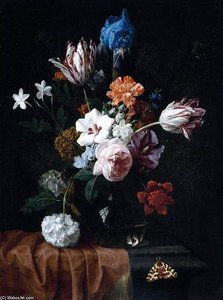
nicolaes van veerendael
1626 - 1640 , Netherlands
Osnovne informacije
- Artistic Movement Or Style: Dutch Golden Age
- Artists Or Movements Influenced By This Artist: ['Baroque']
- Artists Who Influenced This Artist: ['Willem van Veerendael']
- Date Of Birth: 1626
- Full Name: Nicolaes van Veerendael
- Nationality: Flemish
- Notable Artworks:
- A Bouquet of Flowers
- Flower Still-Life
- Place Of Birth: Antwerp, Netherlands
Povezani članci

Zlatno doba Holandske umetnosti: Top 10 remek dela za vaš dom
Otkrijte remek dela Holandskog zlatnog doba! Uronite u svet Rembrandta, Vermeera i drugih majstora. 10 ikoničnih slika koje su definisale umetnost. Inspiracija za vaš dom i kolekciju - ekskluzivne reprodukcije na ArtsDot.com!
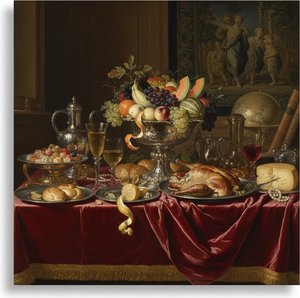
Abraham Hendricksz van Beyeren: Pioneering Dutch Still Life & the Banquet Tradition
Explore the captivating world of Dutch Golden Age still life with Abraham van Beyeren. Discover his innovative techniques, symbolic banquet scenes & lasting influence on art history. Learn about collecting these masterpieces.

Rembrandt van Rijn: 25 Majstorstava Svetla i Senke za Vaš Dom | ArtsDot
Uronite u svet Rembrandta van Rijna! Otkrijte 25 najlepših dela holandskog majstora – portrete, istorijske scene i biblijska platna. Kvalitetne reprodukcije slika za dekoraciju enterijera dostupne na ArtsDot.com.
Jan Jansz Wijnants: A Study in Dutch Golden Age Still Life & Floral Transience
Explore the captivating world of Jan Wijnants and Dutch Golden Age still life painting. Discover symbolism, masterful techniques & lasting influence on floral art history. Learn more!

Golden Age Reflections: Dutch Baroque Painting & Cultural Innovation
Explore the Dutch Golden Age of painting! Discover key artists like Vermeer & ter Borch, their innovative techniques, and the rich cultural context behind these Baroque masterpieces. Learn about collecting & appreciating this iconic art period.

