

 Pregledaj u prostoru
 Pošalji
 Podeli
 Detalji o delu

 Преузми
 Slični predmeti
 Rendgenski snimak
 Slajdovi
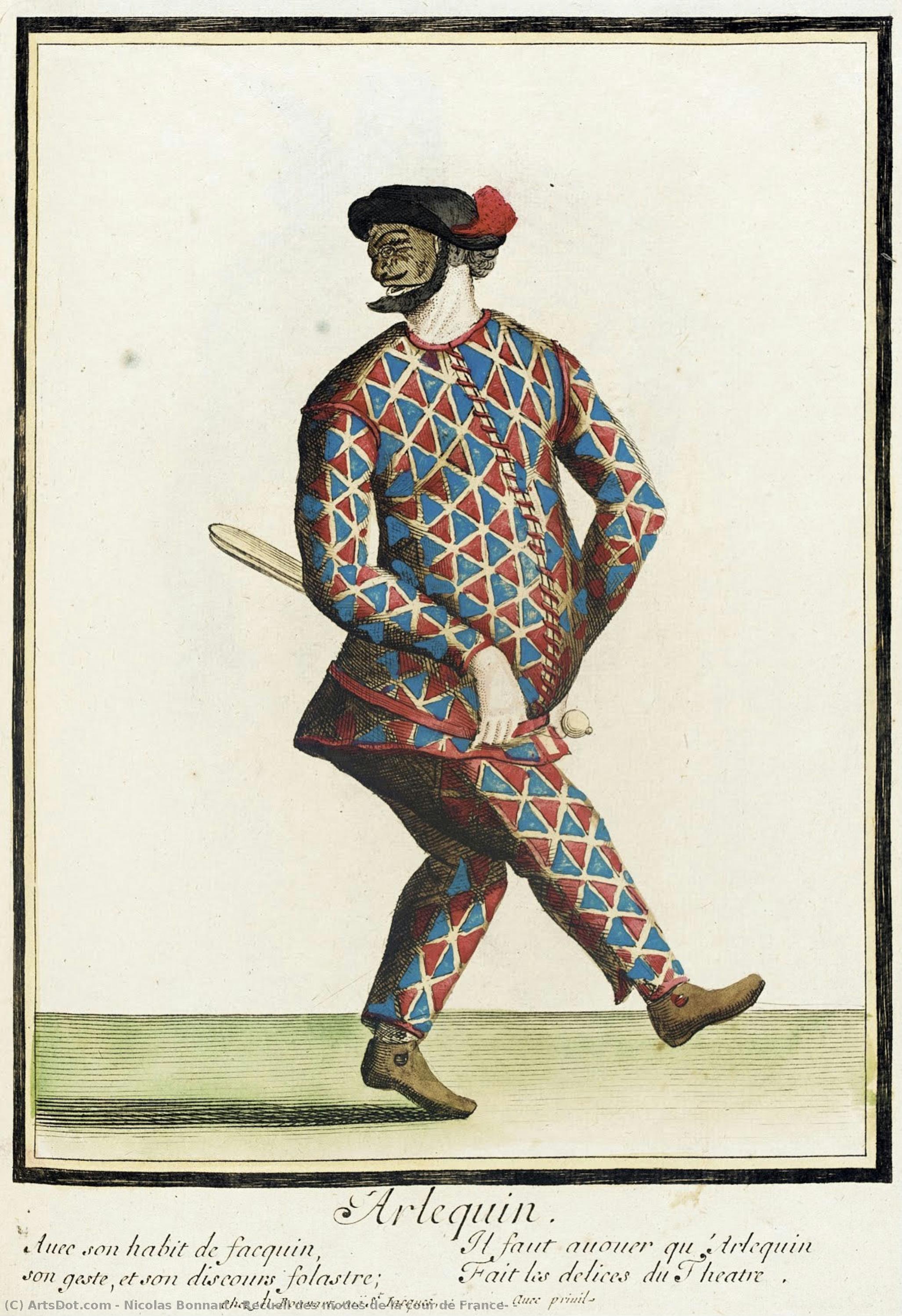
Рецеј дес мода де ла кор де Франсе, Дама де ла кор
 Akril na platnu
- Umetnost za zidove
- Baroque Painting
 1693
1693 36.0 x 23.0 cm
 Los Angeles County Museum of Art
 Pročitaj više
Kupite digitalnu sliku visoke rezolucije i poboljšanog kvaliteta, koja je znatno superiornija od onoga što vidite u online prikazu.
Svaka datoteka je pedantno pripremljena od strane naših stručnjaka koristeći napredne alate i profesionalnu ručnu retušu. Osiguravamo da svaka slika ima izuzetnu oštrinu, preciznu reprodukciju boja i fine detalje.
Konačna datoteka se dostavlja putem e-pošte u roku od 72 sata, optimizovana za neposrednu upotrebu u profesionalnim, izdavačkim i štamparskim okruženjima. To je isti kvalitet kojem veruju vrhunski studiji dizajna, izdavači i galerije.
Digitalna slika
Preuzmite datoteku visoke rezolucije za ličnu upotrebu, štampanje i kreativne projekte. ( Kupi print Kupi ručno naslikanu sliku)
Uključeno uz svaku porudžbinu digitalne slike
Profesionalna digitalna isporuka, zagarantovana
Kada odaberete ArtsDot.com, ne dobijate samo sliku – vi primate profesionalno unapređeno digitalno umetničko delo, izrađeno sa najvećom preciznošću i uz garanciju zadovoljstva. Evo svega što automatski dolazi uz vašu porudžbinu:

Brza dostava putem e-pošte
Vaša digitalna slika visoke rezolucije biće vam poslata putem e-pošte u roku od 72 sata od poručivanja – spremna za trenutnu upotrebu.

Digitalna datoteka unapređena veštačkom inteligencijom
Vaše umetničko delo je profesionalno optimizovano korišćenjem naprednih AI alata i ručne obrade, čime se osiguravaju maksimalni detalji, oštrina i preciznost boja.

Besplatna ponovna isporuka doživotno
Slučajno ste obrisali ili izgubili svoju datoteku? Ne brinite – poslaćemo vam je ponovo u bilo kom trenutku, potpuno besplatno.

Bez troškova uvoza – zauvek
Uživajte u svojim umetničkim delima trenutno, bez carine, dažbina ili troškova dostave – digitalni download je uvek bez poreza.

Garancija vernosti boja
Uz pomoć profesionalnih alata i upravljanja bojama, osiguravamo da vaša digitalna slika što vernije odražava originalne boje.

Garancija zadovoljstva u roku od 60 dana
Ako niste zadovoljni svojom digitalnom slikom, revidirat ćemo je ili vratiti 100% novca u roku od 60 dana – bez ikakvih pitanja.

100% garancija povrata novca
Niste zadovoljni? Obezbedite pun povrat novca u roku od 60 dana od trenutka kada ste primili svoju digitalnu datoteku – bez suvišnih pitanja.

Popusti na velike porudžbine
Kupite 3 slike, uštedite 10% - Kupite 5 slika, uštedite 15% - Kupite 10+ slika, uštedite 20%. Odlično za kreativne projekte, galerije i agencije.
Opis kolekcionarskog dela
Recueil des modes de la cour de France, ‘Dame de la Cour’ – Un Portrait Élégane au Service du Baroque Français
Nicolas Bonnart, actif à Paris vers 1678-1693, offre avec cette œuvre une fenêtre fascinante sur les goûts esthétiques et les préoccupations intellectuelles de son époque. Ce portrait peint à l'huile est bien plus qu’une simple représentation physique ; il incarne une esthétique raffinée caractéristique du baroque français, où la beauté idéale et le mouvement sont célébrés pour exprimer la puissance divine et sublimer la sensibilité humaine. Bonnart maîtrise avec précision les effets lumineux et atmosphériques propres au genre pictural, utilisant une palette riche et vibrante pour capturer la lumière douce qui baigne le visage de la femme représentée. Cette attention aux détails souligne l’importance accordée à la décoration intérieure et à l'expression artistique dans la cour royale française du règne de Louis XIII.- Style : Baroque
- Technique : Peinture à huile sur panneau
- Dimensions : Feuillet : 14 3/8 x 9 3/8 pouces (36,51 x 23,81 cm); Composition : 10 7/8 x 7 1/2 pouces (27,62 x 19,05 cm)
- Provenance : Patrick et Elisabeth Sourget, Chartres; Ursus Rare Books Ltd., New York; Depuis 2002 au Musée du Louvre
Une Composition Symétrique et une Lumière Dramatique
La composition du tableau est remarquablement équilibrée, reflétant les principes esthétiques dominants de l’époque. La femme occupe le centre de la scène, placée dans une posture élégante et naturelle qui évoque la grâce classique tout en intégrant des éléments caractéristiques du baroque : une douce lumière provenant d'une fenêtre à gauche crée un contraste saisissant avec les zones plus sombres du tableau, accentuant ainsi les contours du visage et ajoutant une profondeur émotionnelle à l’œuvre. Cette maîtrise de la lumière est essentielle pour transmettre une atmosphère raffinée et capturer l’essence même de la beauté idéale. Bonnart utilise des couleurs vives et harmonieuses pour créer une impression générale de richesse et d'élégance, fidèle aux tendances artistiques de son temps.Symbolisme et Référence à la Tradition Italienne
Bien que Bonnart soit un artiste français, son travail témoigne d’une profonde influence italienne, notamment celle du maniérisme et du baroque italien. La femme représentée porte une robe richement décorée avec des motifs floraux et géométriques qui sont typiques de la décoration intérieure française au XVIIe siècle. Ces éléments symboliques renforcent l'idée d'une beauté raffinée et maîtrisée, conformément aux valeurs esthétiques véhiculées par les artistes italiens de cette période. Bonnart adopte une approche similaire à celle des peintres tels que Rembrandt ou Rubens, qui étaient connus pour leur capacité à exprimer la profondeur émotionnelle et la complexité psychologique dans leurs œuvres.L’Œuvre au Musée du Louvre
Aujourd'hui, cette magnifique reproduction est conservée au Musée du Louvre à Paris où elle continue d’inspirer les visiteurs avec sa beauté et son élégance. Elle représente un exemple remarquable de l’art baroque français et témoigne de la richesse artistique et intellectuelle de cette époque. Une véritable célébration de la lumière et de la couleur, elle offre une plongée dans le monde raffiné des cours royales et une réflexion sur les valeurs esthétiques qui définissent notre patrimoine culturel universel.Srodna umetnička dela
Biografija umetnika
Nicolas Poussin: A Master of Light and Grace
Nicolas Poussin, born in 1637 in France, remains a pivotal figure in the transition between Mannerism and Baroque painting, ultimately establishing a profoundly influential style that resonated throughout the 18th century. While often categorized as a French artist, his prolonged residence and work in Rome cemented his place within the Italian artistic tradition, absorbing its classical ideals while imbuing them with a distinctly personal vision. His life was marked by both professional success and personal tragedy – he married young and tragically lost his wife and two children within a few years, events that profoundly shaped his later work, often imbued with a melancholic beauty and a deep contemplation of mortality. He spent much of his career serving as a court painter for Cardinal Mazarin and later the King of France, Louis XIII, before returning to Rome where he established himself as a respected master, teaching and producing works for private collectors across Europe. Poussin’s artistic journey began under the tutelage of local artists in Paris, initially exploring techniques like glass painting – a craft that instilled in him an appreciation for meticulous detail and careful composition. However, it was his fervent desire to study the masterpieces of the Italian Renaissance, particularly those of Raphael and Michelangelo, which propelled him towards Rome around 1624. This immersion in the Roman artistic milieu proved transformative; he quickly absorbed the principles of classical art – its emphasis on harmony, proportion, and idealized beauty – while simultaneously developing a unique approach characterized by clarity, order, and an exquisite use of light and color. His early works, such as *The Death of Germanicus* (1633-34), demonstrate this burgeoning style: figures are rendered with remarkable precision and grace, set within carefully constructed landscapes that evoke a sense of serene contemplation. The painting’s pyramidal composition, reminiscent of Raphael's work, creates a powerful visual harmony, while the subtle use of light and shadow imbues the scene with an emotional depth. A defining characteristic of Poussin’s art is his masterful manipulation of landscape as a fundamental element of the narrative. He didn’t simply depict scenery; he integrated it seamlessly into his compositions, using it to create atmosphere, convey mood, and symbolize deeper philosophical or religious ideas. This approach was particularly evident in his series of *The Four Seasons* (1662-64), each panel depicting a distinct season within a carefully orchestrated landscape. These paintings are not merely representations of nature; they are allegorical explorations of time, beauty, and the cyclical rhythms of life. The use of atmospheric perspective—creating a sense of depth through variations in color and detail—is particularly striking, drawing the viewer’s eye into the distant landscapes and enhancing the overall feeling of spaciousness and tranquility. Furthermore, his later works, like *Et in Arcadia Ego* (1660-64), demonstrate an increasing interest in exploring themes of mortality and the transience of earthly beauty, often juxtaposing idyllic pastoral scenes with symbols of decay and loss. Poussin’s influence on subsequent generations of artists is undeniable. His meticulous attention to detail, his profound understanding of classical art, and his innovative use of landscape established a new standard for painting in the 18th century. Artists such as Jacques-Louis David, Jean-Auguste-Dominique Ingres, and Paul Cézanne all acknowledged Poussin’s profound impact on their work, drawing inspiration from his clarity of form, his harmonious compositions, and his ability to evoke a sense of timeless beauty. Cézanne, in particular, famously stated that he had “learned everything” from Poussin's *The Bathers*, recognizing the master’s genius in capturing the essence of light and atmosphere. His work continues to be studied and admired for its intellectual depth, emotional resonance, and technical brilliance, solidifying his legacy as one of the most important painters in Western art history.Key Works
- *The Death of Germanicus* (1633-34)
- *Et in Arcadia Ego* (1660-64)
- *The Four Seasons* (1662-64)
- *Landscape with the Hermit* (c. 1639)
- *Sacrifice of Iphigenia* (1639-40)
Legacy and Historical Significance
Poussin’s work represents a crucial bridge between the Mannerist and Baroque periods, embodying the classical ideals that were being revived during the 17th century. His emphasis on order, harmony, and idealized beauty resonated with the tastes of European royalty and aristocracy, while his exploration of philosophical themes – particularly those related to mortality and the nature of time – offered a profound reflection on the human condition. He wasn't merely a painter; he was an intellectual and a moralist, using his art to explore complex ideas about faith, beauty, and the relationship between humanity and the divine. His influence extends far beyond the realm of painting, shaping artistic sensibilities for centuries to come and reminding us of the enduring power of classical art to inspire and uplift.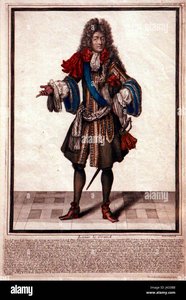
nicolas bonnart
1637 - 1718

