

 Pregledaj u prostoru
 Pošalji
 Podeli
 Detalji o delu

 Преузми
 Slični predmeti
 Rendgenski snimak
 Slajdovi
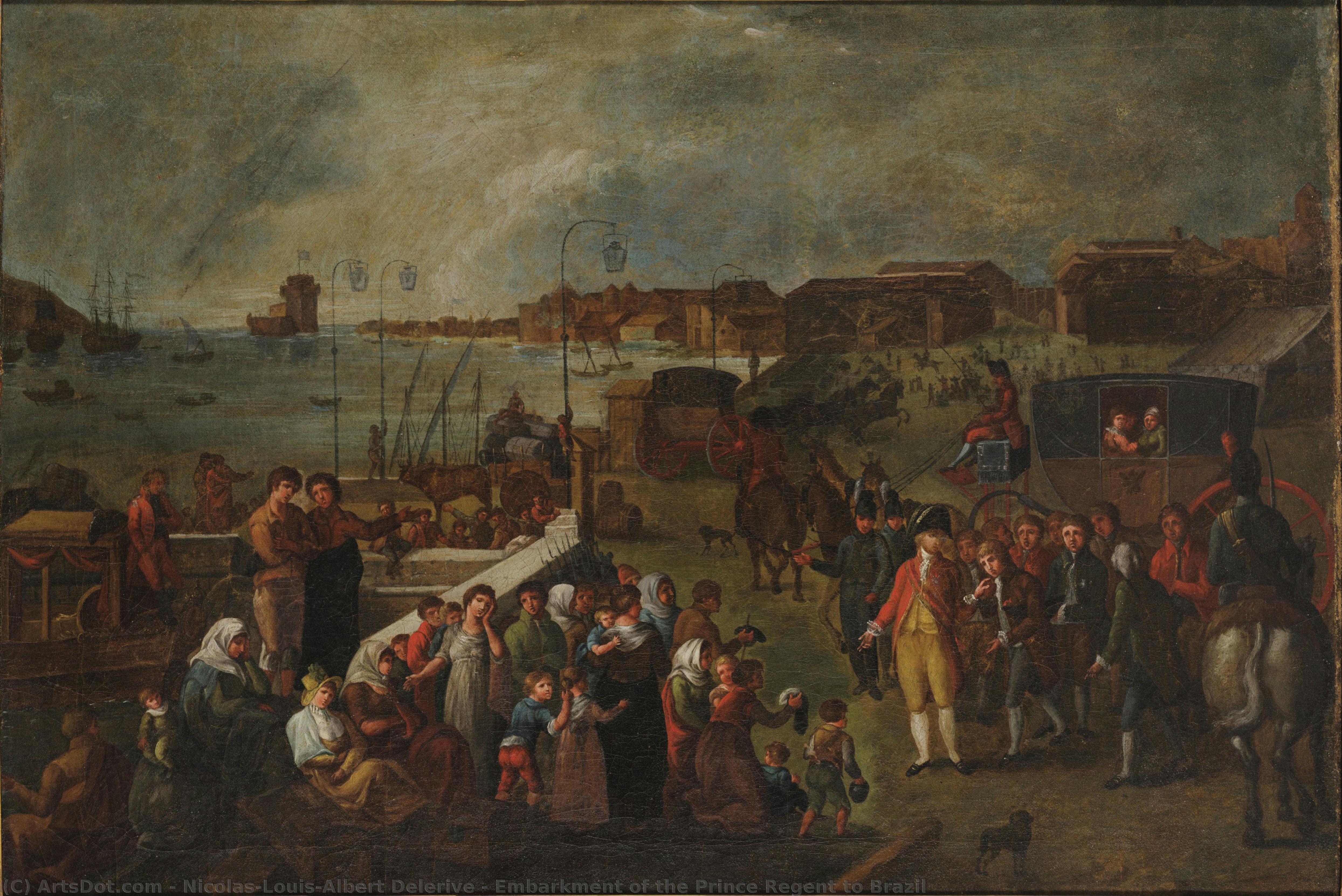
Embarkment of the Prince Regent to Brazil


 Pročitaj više
Ručno rađena uljana reprodukcija
Ručno oslikano uljanim bojama na platnu u dimenzijama i okviru po vašem izboru, izrađeno po porudžbini od strane naših umetnika. ( Kupi print Kupi digitalnu sliku)




































Izaberite jednu od naših unapred definisanih veličina koje odgovaraju originalnim proporcijama umetničkog dela.

Можете унети сопствене димензије како бисте прилагодили дело одређеном оквиру или простору. Ако одабрана величина не одговара пропорцијама оригинала, слика ће бити исечена или проширена додатним елементима који се ручно насликавају. Дигитални prikaz ће вам бити послат на одобрење пре почетка производње.
Имајте на уму да преглед на екрану не одражава стварно исецање или проширење. Само приказ (mockup) ће тачно приказати коначну композицију.
Иако су доступне прилагођене величине, препоручујемо да одаберете димензију из дефинисане листе како бисте сачували оригиналне пропорције.
Nakon narudžbine, tim ArtsDot.com će klijentu putem e-pošte poslati uputstva i dostaviti prikaz predloženog rešenja
Isporuka širom sveta () za 3/4 nedelje umesto uobičajenih 5 nedelja. (3 септембар). Bez kompromisa po pitanju kvaliteta.

Besplatna ekspresna dostava širom sveta

Visokokvalitetno laneno platno

Kompletno osiguranje transporta

Garancija povraćaja carine i uvoznih dažbina

Garancija vernosti boja

Politika povrata u roku od 60 dana (samo u slučaju nedostataka)

Garancija povrata novca od 100%

Popust pri grupnoj kupovini
 Opcija sa staklom dostupna je samo za dimenzije manje od 110 cm

Embarkment of the Prince Regent to Brazil
Tehnika reprodukcije
Dimenzije reprodukcije
-


Konačna cena
$ 263
Srodna umetnička dela








Biografija umetnika
A Life in Transition: From the Streets of Lille to the Courts of Lisbon
The life of Nicolas Louis Albert Delerive, often known by his Hispanized name Nicolau Delariva, serves as a poignant reflection of the turbulent era in which he lived. Born in 1755 amidst the rich artistic traditions of Lille, France, Delerive’s early years were defined by a rigorous classical education. At just eighteen years old, he entered the prestigious École des Beaux-Arts de Lille, where his hands first learned the delicate precision required for portraiture, miniatures, and the intricate art of medal design. This foundational period was not merely about technical skill; it was an immersion into a world of meticulous detail that would later define his mastery over larger, more dramatic canvases.
His journey took him from the local salons of Lille—where he earned distinction with a first prize in 1776—to the vibrant, competitive atmosphere of Paris. It was in the Parisian ateliers that Delerive’s artistic soul truly began to expand. Working under the guidance of Louis Joseph Watteau and later finding himself in the studio of Francesco Casanova, a renowned specialist in battle scenes, Delerive absorbed the language of movement and conflict. This exposure to the dynamic energy of military painting infused his work with a sense of drama and narrative tension that would remain a hallmark of his style throughout his career.
The Art of the Hunt and the Shadow of Revolution
Upon returning to Lille in 1785, Delerive established himself as a painter of profound atmospheric depth. He found great success capturing the quiet grandeur of landscapes and the visceral, pulse-pounding excitement of hunting scenes. These works were more than mere depictions of aristocratic leisure; they were studies in light, texture, and the relationship between man and the natural world. His ability to render the ruggedness of the Flemish countryside alongside the refined elegance of a hunt allowed him to appeal to a wide range of patrons who sought both realism and romanticism.
However, the winds of change in France proved too tempestuous for the artist. As the French Revolution began to reshape the social and political landscape, Delerive, a man of Catholic faith and traditional sensibilities, found himself increasingly alienated from the burgeoning revolutionary fervor. In 1790, driven by a need for stability and a desire to escape the upheaval, he embarked on an exile that would fundamentally alter his destiny. His path led him first through Spain and eventually to the sun-drenched shores of Portugal, where he would find a new home and a new era of artistic prosperity.
Royal Patronage and the Portuguese Legacy
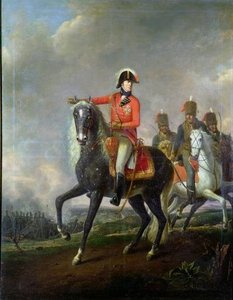
Settling permanently in Lisbon around 1800, Delerive—now widely recognized as Nicolau Delariva—entered the inner circles of the Portuguese court. This period marked his transition from a talented expatriate to a celebrated court artist. His talent for capturing the essence of nobility led to significant commissions, most notably his 1814 portrait of the Duke of Wellington, a testament to his ability to convey both character and historical weight. His works during this time often blended the structured elegance of French Baroque traditions with the softer, more luminous influences of Venetian painting.
Delerive’s significance extends beyond his individual canvases to the historical moments he immortalized. One of his most evocative contributions is the depiction of the Embarque do Príncipe Regente para o Brasil, a work that captures the monumental transfer of the Portuguese Court to Brazil in 1807. Through his brush, we witness the tension and movement of a nation in transit, rendered with a clarity that brings the historical gravity of the event to life. When he passed away in Lisbon in 1818, he left behind a legacy that bridged the gap between the classical traditions of France and the burgeoning cultural identity of Portugal, ensuring his place in the annals of European art history.
nicolas-louis-albert delerive
1755 - 1818 , France
Osnovne informacije
- Artistic Movement Or Style: École française du XVIIIe siècle; Venetian influences
- Artists Who Influenced This Artist:
- Francesco Casanova
- Eugène Delacroix
- Date Of Birth: 1755
- Date Of Death: 1818
- Full Name: Nicolas Louis Albert Delerive
- Nationality: French
- Notable Artworks:
- Landscape with hunting scene
- Battle of Waterloo
- Portrait of Wellington
- Place Of Birth: Lille, France

