 Pregledaj u prostoru
 Pošalji
 Podeli
 Detalji o delu

 Преузми
 Slični predmeti
 Rendgenski snimak
 Slajdovi
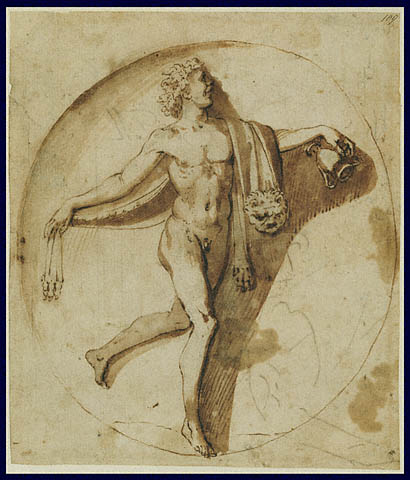
Votary of Bacchus

 Pročitaj više
Ručno rađena uljana reprodukcija
Ručno oslikano uljanim bojama na platnu u dimenzijama i okviru po vašem izboru, izrađeno po porudžbini od strane naših umetnika. ( Kupi print Kupi digitalnu sliku)




P118B $10

P118H $10

P118W $10

P438Z $10

P508JH $12

P508YH $12

P805H $10

P805Z $10

P919BZ $10

P919G $10

P919XJ $10

P959ZH $10

P968JZ $12

W106C $8

W218G $10

W218JH $8

W218Y $10

W307PJ $10

W316G $10

W316PJ $8

W316Y $10

W398PJ $8

W4111J $10

W500HY $15

W500JH $15

W692G $12

W849H $8

W940BG $15

W953PJ $8




Izaberite jednu od naših unapred definisanih veličina koje odgovaraju originalnim proporcijama umetničkog dela.

Можете унети сопствене димензије како бисте прилагодили дело одређеном оквиру или простору. Ако одабрана величина не одговара пропорцијама оригинала, слика ће бити исечена или проширена додатним елементима који се ручно насликавају. Дигитални prikaz ће вам бити послат на одобрење пре почетка производње.
Имајте на уму да преглед на екрану не одражава стварно исецање или проширење. Само приказ (mockup) ће тачно приказати коначну композицију.
Иако су доступне прилагођене величине, препоручујемо да одаберете димензију из дефинисане листе како бисте сачували оригиналне пропорције.
Nakon narudžbine, tim ArtsDot.com će klijentu putem e-pošte poslati uputstva i dostaviti prikaz predloženog rešenja
Isporuka širom sveta () za 3/4 nedelje umesto uobičajenih 5 nedelja. (22 август). Bez kompromisa po pitanju kvaliteta.

Besplatna ekspresna dostava širom sveta

Visokokvalitetno laneno platno

Kompletno osiguranje transporta

Garancija povraćaja carine i uvoznih dažbina

Garancija vernosti boja

Politika povrata u roku od 60 dana (samo u slučaju nedostataka)

Garancija povrata novca od 100%

Popust pri grupnoj kupovini
 Opcija sa staklom dostupna je samo za dimenzije manje od 110 cm

Votary of Bacchus
Tehnika reprodukcije
Dimenzije reprodukcije
-


Konačna cena
$ 263
Opis umetničkog dela
The Lady of Auxerre: A Silent Smile Across Time
The discovery of the Lady of Auxerre in 1907—a limestone sculpture unearthed from a Parisian storage vault—immediately captivated the public imagination, fueling speculation about its origins and artistic significance. This enigmatic Kore, dating back to approximately 650-625 BCE, stands as a testament to the Archaic Greek style, embodying an aesthetic that continues to fascinate scholars and artists alike. Found in Eleutherna and Gortyn, Crete, excavations conducted by Nikolaos Stampolidis have solidified its provenance and illuminated the broader artistic landscape of early Greece.- Provenance: The sculpture’s journey began in obscurity within a Parisian museum vault before being rediscovered in 1907, sparking considerable journalistic interest.
- Style: Representing an Archaic Greek masterpiece, the Lady embodies characteristics of Daedalic art—a style marked by meticulous modeling and incised ornamentation—reflecting influences from Minoan and Egyptian traditions.
- Technique: Crafted from limestone, the Lady showcases exceptional sculptural skill, demonstrating mastery of modeling and incising techniques. The surface is adorned with intricate spiral curls and geometric patterns—incised designs that contribute to the sculpture’s overall visual impact.
- Historical Context: Emerging from the Dark Age, Archaic Greek art represents a pivotal moment in European cultural history—a transition toward rational thought and artistic sophistication. The Lady’s presence serves as a tangible link to this formative era, inviting viewers to contemplate the enduring legacy of classical aesthetics.
Exploring Nicolas Poussin’s “Dancing Votary of Bacchus”
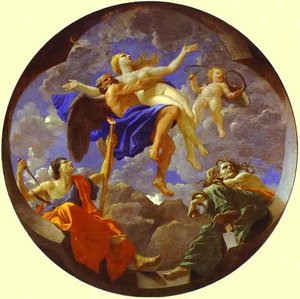
Nicolas Poussin's "Dancing Votary of Bacchus," completed around 1630-1635, stands as an exemplar of Baroque painting—characterized by dramatic lighting, dynamic composition, and meticulous attention to detail. This captivating artwork delves into themes of mythology, spirituality, and human emotion, capturing the essence of classical ideals within a vibrant visual language.- Composition: The painting’s circular frame draws viewers inward, emphasizing the central figure—a nude man holding a wine goblet—who embodies both physical grace and intellectual contemplation.
- Technique: Executed primarily in wash and brown ink over traces of black chalk, Poussin's technique demonstrates mastery of pigment blending and tonal gradation—essential elements for achieving realistic visual effects.
- Symbolism: The nude figure represents purity and vulnerability, while the wine goblet symbolizes divine inspiration and sensual pleasure. These symbolic elements converge to convey a profound meditation on human experience and the relationship between art and spirituality.
A Window Into Ancient Greece: The Significance of Archaic Sculpture
Archaic sculpture represents a transformative moment in European art history—a transition from stylized conventions toward rational thought and artistic realism. Figures like the Lady of Auxerre exemplify this burgeoning aesthetic, embodying ideals of feminine beauty and spiritual serenity while simultaneously reflecting influences from Minoan and Egyptian traditions.- Influence: Archaic sculpture drew inspiration from Minoan and Egyptian art—demonstrating the interconnectedness of cultural traditions across ancient Greece.
- Formal Characteristics: Archaic sculptures are characterized by stylized modeling and incised ornamentation—techniques that prioritize visual harmony and intellectual rigor over naturalistic representation.
The Enduring Legacy of Classical Aesthetics: Reflections on “Dancing Votary”
Nicolas Poussin's "Dancing Votary of Bacchus" stands as a cornerstone of Baroque painting—characterized by dramatic lighting, dynamic composition, and meticulous attention to detail. The artwork’s exploration of mythology, spirituality, and human emotion continues to resonate with audiences today—affirming its place as one of the most celebrated artworks of the seventeenth century.- Emotional Impact: The painting evokes feelings of serenity, contemplation, and wonder—reflecting the Baroque aesthetic's commitment to conveying profound emotional experiences through visual imagery.
- Interpretations: Scholars continue to debate “Dancing Votary”'s symbolism—examining its representation of femininity, spirituality, and human emotion through the lens of classical ideals.
Contemporary Appreciation: Why “The Lady of Auxerre” Still Matters Today
Despite its antiquity, The Lady of Auxerre retains an astonishing relevance in contemporary art discourse—inspiring artists and collectors alike with its profound contemplation of human experience and spiritual transcendence. Its serene expression—often termed “the archaic smile”—continues to captivate viewers—serving as a symbol of artistic excellence and intellectual rigor.- Influence on Modern Art: The Lady’s stylistic innovations—particularly her modeling techniques and incised ornamentation—have exerted an enduring influence on subsequent generations of artists—inspiring them to explore new visual languages while upholding classical aesthetic ideals.
- Symbolic Resonance: The Lady’s attire—a tubular dress embellished with brooches concealed beneath her hair—represents a fusion of Minoan and Egyptian stylistic elements—highlighting the interconnectedness of cultural traditions across ancient Greece.
Srodna umetnička dela



Biografija umetnika
Nikola Pusen: Život Uroñen u Klasicnu Revnost
Nikola Pusen, ime sinonimno za veličanstvo francuskog baroknog slikarstva, ipak je bio duša duboko ukorenjena u italijanskom tlu tokom većeživotnog dela svoje umetničke karijere. Rođen u Le Havoru, Normandiji, juna 1594. godine, njegovi rani dani ostaju delimično obavijeni misterijom, a ipak su nesumnjivo postavili temelje za karijeru koja će postati ključna u oblikovanju klasicne tradicije unutar francuske umetnosti. Iako je kratko studirao u Parizu tokom ranih 1610-ih, upijajući uticaje manje poznatih umetnika tog vremena, njegovaicija u Rim 1624. godine zaista je zapalila njegovu umetničku sudbinu. Nije reč samo o geografskom preseljenju; bila je to imerzija u srce antičke ere, hodočašće do samog izvora inspiracije koji će definisati njegov estetski vid. Pusenove prve probe slikanja bile su obeležene senzualnim kvalitetom koji podseća na venecijanske majstore poput Titijana, ali čak i u tim ranim delima počinje da se nazire urođena osećajnost reda i intelektualne rigoroznosti—predviđanje stila koji će tako vešto izraditi.Rimske Godine: Kovanje Klasicnog Ideala
Rim je bio više od obične radionice za Pusena; postao je njegov intelektualni eksperimentalni prostor. Pronašao se u živahnom krugu učenjaka, arheologa i kolega umetnika, posebno Kasijana dal Pozza, čije je duboko razumevanje klasicne antike snažno uticalo na pristup umetnika. Posvećenost dala Pozzu detaljnoj dokumentaciji drevnih ostataka usađivala je u Pusena veliko poštovanje prema istorijskoj preciznosti i želju da njegove slike ispunjava osećajem večnosti. Tokom ovog perioda, Pusen se odmakao od burnog sjaja nekih svojih savremenika, umesto toga prihvata stil karakterisan jasnocom, ravnotežom i naglašenim linearnim kompozicijama. On je pažljivo proučavao dela Rafaela, upijajući njihove skladne aranžmane i graciozne oblike, a istovremeno crpeći inspiraciju iz drevnih skulptura. Pusenovo se delo počelo ispunjavati likovima iz klasicne istorije i mitologije, prikazanim ne samo kao dekorativni elementi, već kao utelešenja moralnih vrline i filozofskih ideala.Teme Istorije, Mita i Svetog
Pusenovo umetničko stvaralaštvo bilo je izuzetno raznoliko, a ipak dosledno ujedinjeno njegovom posvećenošću ovim jezgrenim principima. On je često prikazivao scene iz drevne istorije—tragičnu sudbinu Germanika, na primer—prožetu osećajem stoičke dostojanstvenosti i moralne težine. Njegove mitološke slike nisu bila samo prepričavanja poznatih priča; bile su to istraživanja ljudske prirode, često opterećena alegorijskim značenjem. Serija *Arcadije*, posebno kultni *Et in Arcadia ego*, postala je simbolična za njegovu filozofsku dubinu, podstakavajući razmišljanja o smrtnosti i trajnoj snazi sećanja. Osim istorije i mita, Pusen se okrenuo i religijskim temama, pre svega u *Sedam Sakramenata*—monumentalnom poduhvatu koji je pokazao kako njegovu teološku razumnost tako i kompozicionu veštinu. Čak i unutar ovih svetih scena, ipak je održavao klasicnu uzdržanost, izbegavajući preteranu emotivnost u korist smirenog i dostojanstvenog predstavljanja. Prema kraju svoje karijere, prostrani pejzaži su sve više dobijali na značaju, mešajući realizam sa idealiziranim oblicima kako bi se stvorile vizure koje su evocirale osećaj harmonije i smirenosti.Trajno Nasleđe: Oblikovanje Francuske Umetnosti
Uprkos tome što je veći deo svoje karijere proveo u inostranstvu, uticaj Nikolasa Pusena na francusku umetnost bio je ogroman. On se nakratko vratio u Pariz 1640. godine na molbu kardinala Riheljea, imenovan za Prvog slikara kralja, ali je ubrzo bio ugušen zahtevima i spletkama dvorne života. Ubrzo se vratio u Rim, gde je nastavio da slika do svoje smrti 1665. godine. Njegova posvećenost klasicnim principima pomogla je da se uspostavi standard za umetničko školovanje i praksu unutar Francuske, utičući na generacije umetnika koji su ga sledili. Postao je vodeća figura u Académie Royale de Peinture et de Sculpture, čime je učvrstio svoju poziciju kao temeljnog kamena francuskog klasicizma. Umetnici poput Žaka-Luja Davida i Pola Sezana otvoreno su priznali svoj dug umetniku Pusenu zbog njegovog rigoroznog pristupa i intelektualne dubine. Njegovo nasleđe se proteže daleko izvan pukog stilskog imitiranja; ono predstavlja posvećenost redu, jasnoći i trajne snage klasicnih ideala—svedočenstvo umetnika koji je nastojao ne samo da prikaže svet, već ga uzvisiti kroz prizmu razuma i lepote.- Poznata dela: *Smrt Germanika*, *Serija Sedam Sakramenata*, *Rimski put*, *Orijan zaslepljen u potrazi za suncem*, *Sezone*.
- Ključne karakteristike: Klasicna kompozicija, linearnost, teme iz istorije i mitologije, smireni pejzaži.
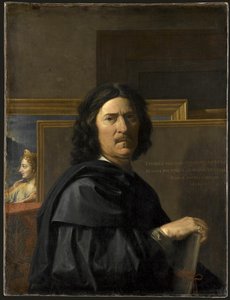
Никола Пусен
1594 - 1665 , Francuska
Osnovne informacije
- Datum Rođenja: Jun 1594.
- Datum Smrti: Novembar 1665.
- Mesto Rođenja: Le Havre, Francuska
- Nacionalnost: Francuski
- Pokreti/Umetnici Uticajni:
- Žak-Luis David
- Pol Sezan
- Puno Ime: Nikola Pusan
- Umetnički Pokret: Barok, Klasicizam
- Uticali Umetnici:
- Rafael
- Titian
- Značajna Dela:
- Smrt Germanika
- Sedam sakramenata
- Rimski put
- Orijan slep
- Godine
Povezani članci

Bronze Sculptures That Defined Art History | ArtsDot
Journey through art history with our Top 10 bronze sculptures! Explore masterpieces by Rodin, Michelangelo & more. Discover stories behind iconic statues and find museum-quality reproductions for your home decor at ArtsDot.com.

The Enduring Form: Exploring Themes & Techniques in Sculpture Across Historical Periods
Explore the rich history of sculpture from ancient masterpieces to contemporary innovations. Discover key techniques, influential artists & investment potential for discerning art collectors.
The Enduring Allure of Marble in Art History: From Classical Sculpture to Modern Abstraction
Explore the captivating history of marble sculpture from ancient Greece to modern art. Discover renowned artists like Canova & Michelangelo, carving techniques, and investment insights at ArtsDot.

Bronze Age to Modern Masters: 10 Sculptures That Redefined Art | ArtsDot
Journey through art history with 10 legendary bronze sculptures – from Michelangelo's David to Rodin’s Thinker. Explore the stories, techniques & timeless beauty of these masterpieces. Find museum-quality reproductions & elevate your home decor on ArtsDot.com.
The Enduring Form: Sculpture Across History, Technique & Emotional Resonance
Explore the rich history of sculpture with ArtsDot. Discover key techniques, influential artists & investment potential for discerning collectors. Expert insights into valuing and collecting timeless masterpieces.