

 Pregledaj u prostoru
 Pošalji
 Podeli
 Detalji o delu

 Преузми
 Slični predmeti
 Rendgenski snimak
 Slajdovi
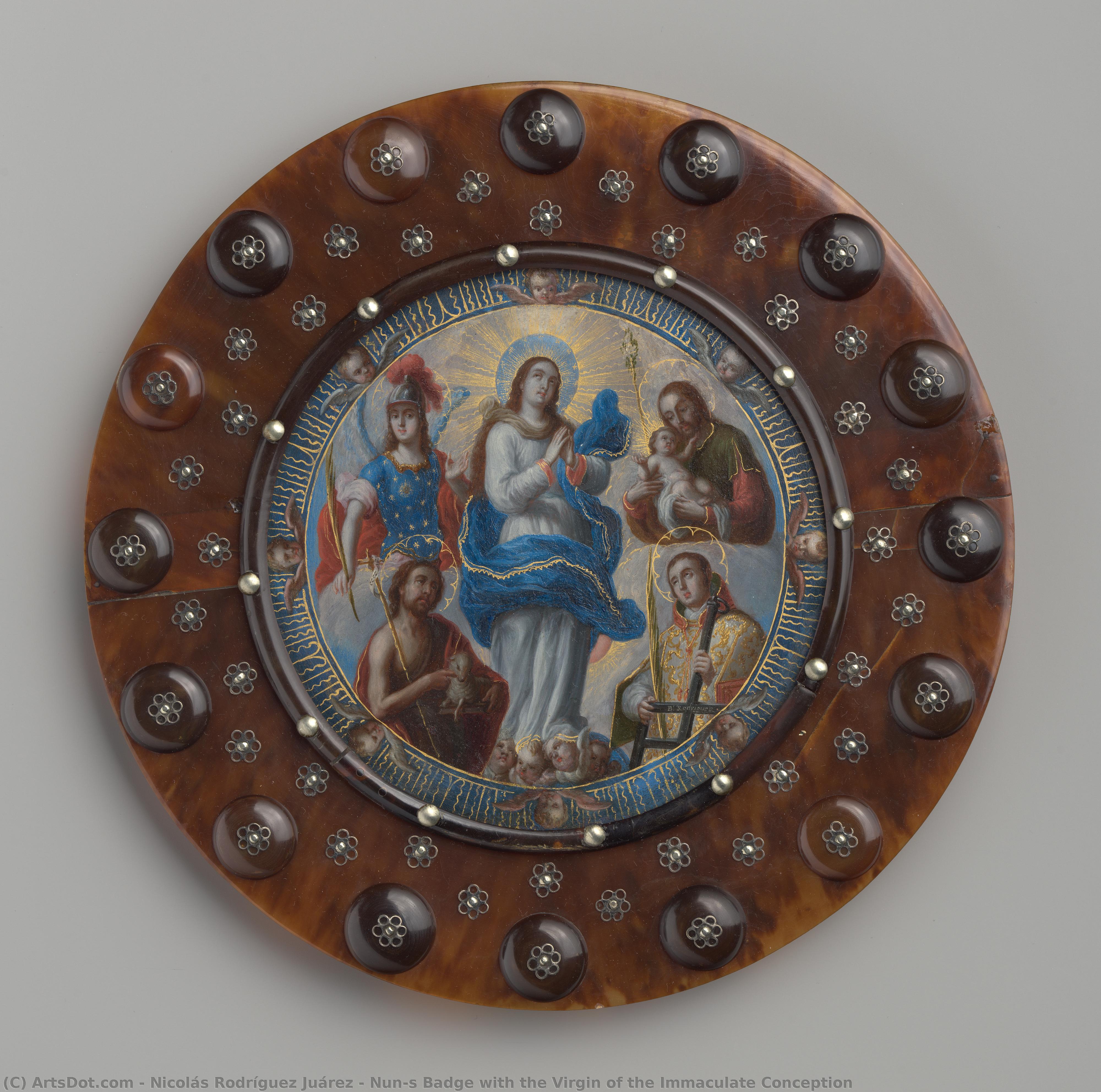
Nun’s Badge with the Virgin of the Immaculate Conception


 Pročitaj više
Giclee štampa / Umetnički otisak
Giclée štampa ili print na platnu muzejskog kvaliteta uz brzu proizvodnju i fleksibilne opcije završne obrade. ( Kupi ručno naslikanu sliku Kupi digitalnu sliku)




P118B $10

P118H $10

P118W $10

P438Z $10

P508JH $12

P508YH $12

P805H $10

P805Z $10

P919BZ $10

P919G $10

P919XJ $10

P959ZH $10

P968JZ $12

W106C $8

W218G $10

W218JH $8

W218Y $10

W307PJ $10

W316G $10

W316PJ $8

W316Y $10

W398PJ $8

W4111J $10

W500HY $15

W500JH $15

W692G $12

W849H $8

W940BG $15

W953PJ $8




Izaberite jednu od naših unapred definisanih veličina koje odgovaraju originalnim proporcijama umetničkog dela.

Možete uneti sopstvene dimenzije kako biste umetničko delo prilagodili specifičnom okviru ili prostoru. Ako odabrani format ne odgovara proporcijama originalne slike, mi ćemo ili iscrtati deo dela ili proširiti sliku pomoću ogledane ivice ili jednobojnog popunjavanja. Digitalni prikaz će vam biti poslat na odobrenje pre početka proizvodnje.
Imajte na umu da pregled na ekranu ne odražava stvarno iscrtavanje ili proširivanje. Samo će prikaz (mockup) precizno pokazati finalnu kompoziciju.
Iako su prilagođene dimenzije dostupne, preporučujemo da odaberete dimenziju sa unapred definisane liste kako biste očuvali originalne proporcije.
Dostava širom sveta () za 2 nedelje umesto uobičajenih 4/5 nedelja. (27 август)

Besplatna ekspresna dostava širom sveta

Visokokvalitetno laneno platno

Kompletno osiguranje transporta

Garancija povraćaja carine i uvoznih dažbina

Garancija vernosti boja

Politika povrata u roku od 60 dana (samo u slučaju nedostataka)

Garancija povrata novca od 100%

Popust pri grupnoj kupovini
 Opcija sa staklom dostupna je samo za dimenzije manje od 110 cm

Nun’s Badge with the Virgin of the Immaculate Conception
Giclee štampa / Umetnički otisak
Dimenzije reprodukcije
-


Konačna cena
$ 62
A Silent Promise: The Nun’s Badge with the Virgin of the Immaculate Conception
The image before you – Nicolás Rodríguez Juárez's “Nun’s Badge with the Virgin of the Immaculate Conception” – isn’t merely a painting; it’s a whispered testament to faith, resilience, and a subtle act of rebellion. Created around 1710 in Mexico City, this small yet profoundly resonant work offers a glimpse into the lives of the Conceptionist and Jeronymite nuns who navigated a world increasingly restrictive in its expectations of women. More than just devotional imagery, it’s a tangible symbol of their devotion, meticulously crafted to circumvent limitations imposed by ecclesiastical authorities.
The core of the piece is undeniably religious – a serene depiction of the Virgin Mary cradling the infant Jesus. The composition is classic and balanced: the luminous Virgin dominates the central space, her expression both gentle and dignified, while the baby Jesus radiates an aura of innocence and divine grace. Angels flank the scene, their wings outstretched in a silent chorus of adoration. However, it’s not the traditional iconography that truly captivates; rather, it's the badge itself – a large, circular medallion worn over the heart, featuring the same Virgin and Child image. This wasn’t simply an adornment; it was a deliberate statement.
The Context of Constraint: Dress Codes and Artistic Response
In the late 17th and early 18th centuries, the Catholic Church exerted considerable control over the appearance of its female members. Nuns were instructed to replace opulent, gold-laden garments – deemed extravagant and contrary to their vows – with habits adorned solely with images of the Virgin Mary. While a seemingly pious adaptation, this restriction inadvertently created a loophole. The nuns, seeking a visible affirmation of their faith beyond the confines of their clothing, turned to commissioned artwork. Rodríguez Juárez, a prominent artist in New Spain, became one of the key figures in this response.
The badge, therefore, represents more than just religious devotion; it embodies a quiet defiance. By wearing these large, painted badges – often lavishly executed and bearing the signature of renowned artists like Rodríguez Juárez – the nuns asserted their connection to the Virgin Mary in a way that circumvented the restrictions on material adornment. It was a visual declaration of faith, a silent promise etched onto their hearts.
A Masterclass in Technique: Oil on Copper
Rodríguez Juárez’s skill is evident in every detail of this piece. Executed in oil paint on copper – a technique favored for its durability and ability to capture rich colors and subtle gradations – the painting possesses a remarkable luminosity. The artist skillfully employs *sfumato*, a blurring technique reminiscent of Leonardo da Vinci, to soften edges and create an ethereal atmosphere. Note the delicate rendering of the Virgin’s robes, the shimmering gold leaf accents that highlight her halo, and the intricate details of the angels' wings.
The use of copper as the support is significant. It allowed for a greater depth of color and a more reflective surface than wood panels, contributing to the painting’s overall richness and vibrancy. The tortoiseshell and silver frame further enhance the piece’s visual impact, adding a touch of opulence that subtly acknowledges the nuns' desire for visible devotion.
Symbolism and Emotional Resonance
Beyond its technical brilliance, “Nun’s Badge with the Virgin of the Immaculate Conception” is laden with symbolism. The Song of Solomon (8:6), referenced in the description, – "Put me as a seal upon thy heart" – forms the core of this visual language. Wearing the badge was an act of personal devotion, a tangible representation of their commitment to the Virgin Mary and her intercession.
The image evokes a profound sense of serenity and faith. Despite the historical context of constraint, there’s an underlying current of strength and resilience within the painting. It's a reminder that even in the face of limitations, individuals can find ways to express their deepest beliefs – often through subtle yet powerful acts of defiance and devotion. This piece is not just a beautiful work of art; it’s a poignant window into the lives and spirit of Mexican nuns during a transformative period in history.
Srodna umetnička dela

Biografija umetnika
early life and family background
nicolás rodríguez juárez, a prominent artist in the viceroyalty of new spain, was born in 1667 in mexico city. he was part of a spanish family renowned for their artistic accomplishments, with his brother juan rodríguez juárez (1675–1728) being an established painter in new spain. their father, antonio rodríguez (1636–91), was a notable spanish painter, and their maternal grandfather, josé juárez (1617–1661), and great great grandfather, luis juárez (1585–1639), were also prominent painters in the baroque era.artistic style and notable works
as with most artists in new spain during the late baroque period, rodríguez juárez produced religious art. he also followed the trend of painting portraits of high officials, such as viceroy linares and the local nobility. these works, characterized by european models, featured symbols of rank and titles either displayed unattached or worked into another element of the paintings. one of his most notable works is an extraordinary self-portrait, which is symptomatic of the changing role of the artist in the colony in the eighteenth century. a set of early casta paintings (c. 1715), attributed to him, can be found in a private collection at breamore house, hampshire, england. these paintings showcase mexican racial mixtures in a hierarchical order.legacy and influence
rodríguez juárez's work had a significant impact on the development of art in mexico. his use of oil painting and his ability to capture the essence of femininity in his works are notable aspects of his style. as part of the colección andrés blaisten (mexico), his paintings are now part of a diverse range of latin american artworks, including paintings, sculptures, and prints from various periods and styles.- view rodríguez juárez's artwork on ArtsDot
- explore the colección andrés blaisten (mexico) collection on ArtsDot
- discover more about mexican art and its history on wahoo art timeline
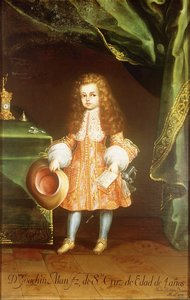
nicolás rodríguez juárez
1667 - 1734 , Mexico
Osnovne informacije
- Artistic Movement Or Style: Halftone printing, mezzotint
- Artists Or Movements Influenced By This Artist: ['CMYK color model']
- Artists Who Influenced This Artist: ['Conrad Ferdinand Meyer']
- Date Of Birth: May 2, 1667
- Date Of Death: May 16, 1741
- Full Name: Jacob Christoph Le Blon
- Nationality: German
- Notable Artworks:
- Siege of Armentières
- Siege of Dixmude
- Place Of Birth: Frankfurt am Main, Germany
Povezani članci

Barok Majstor dela: Top 10 Umjetničkih Remeka za Vaš Dom
Otkrijte 10 remek dela koja su definisala baroknu umetnost! Karavagio, Bernini i više – istražite priče iza ovih ikoničnih slika. Inspiracija za vaš dom? Pogledajte kolekciju na ArtsDot.com!

Барокна драма: Уношење величине и емоција у савремене ентеријере
Откријте барокну драму и унесите величину у ваш ентеријер! ArtsDot нуди ручно насликане репродукције, персонализоване портрете и стручне консултације за љубитеље класичне уметности. Потражите савршено дело већ данас!

The Dramatic Flourish: Exploring the Baroque Movement's Enduring Legacy in Art History
Explore the dramatic world of Baroque art! Discover iconic artists like Caravaggio & Rubens, defining techniques, and its lasting impact on art history. Expert insights for collectors & enthusiasts at ArtsDot.

The Visceral Stage: Exploring Dramatic Narratives & Emotional Intensity in Baroque Art
Explore the dramatic world of Baroque art! Discover iconic masters like Caravaggio & Rembrandt, their techniques, and the movement's lasting impact. Expert insights for collectors & enthusiasts at ArtsDot.

Theatricality & Triumph: Baroque Drama in Painting & Sculpture
Explore the dramatic world of Baroque art! Discover its history, defining characteristics, & lasting influence on painting & sculpture. Expert insights into Caravaggio, Zurbarán, and Bernini – plus high-quality reproductions at ArtsDot.

