

 Pregledaj u prostoru
 Pošalji
 Podeli
 Detalji o delu

 Преузми
 Slični predmeti
 Rendgenski snimak
 Slajdovi
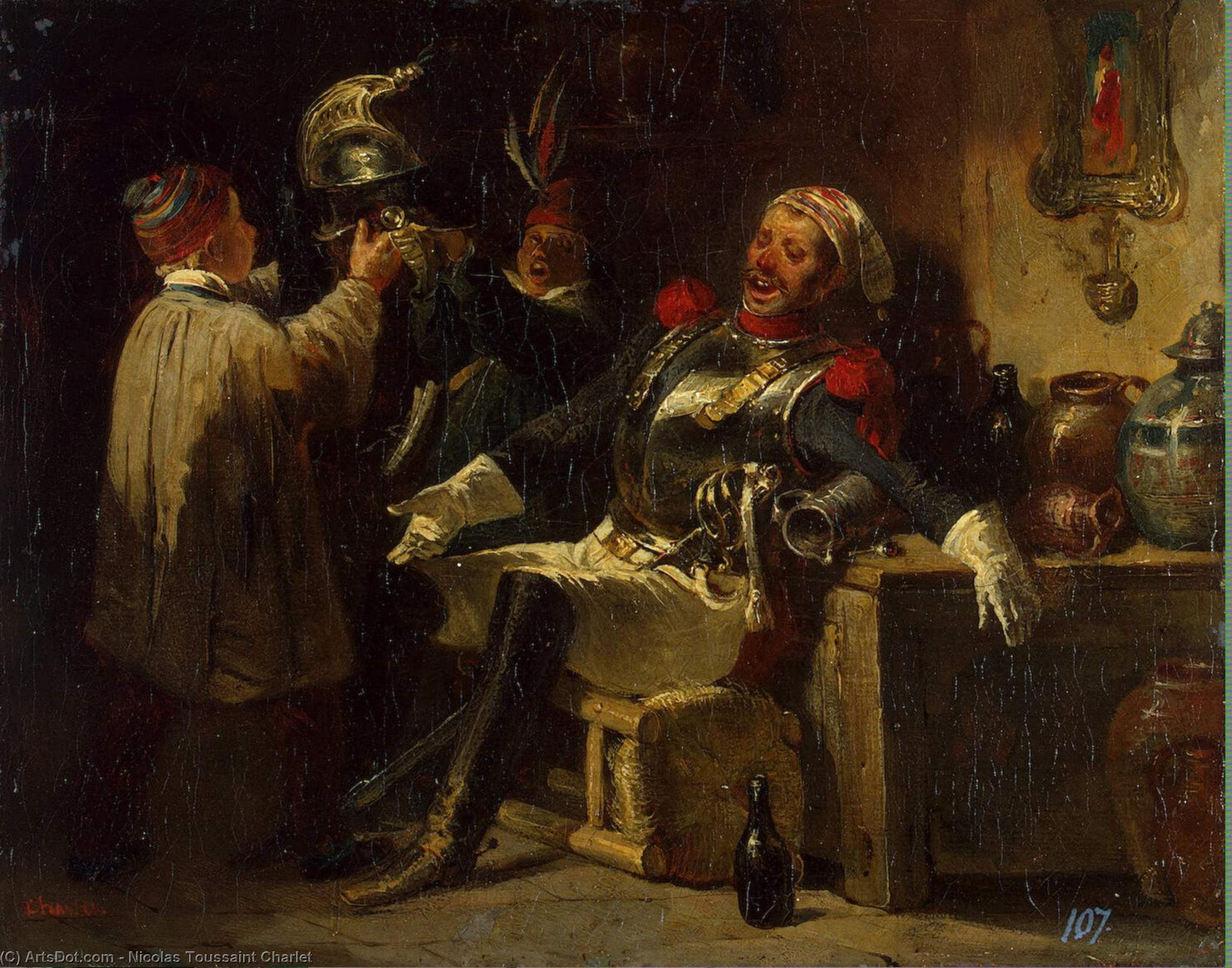
Soldier and Boys
 Lithograph
- 19th Century Realism
 1840
1840- 19th Century
 22.0 x 27.0 cm
 Hermitage Museum
 Pročitaj više
Ručno rađena uljana reprodukcija
Ručno oslikano uljanim bojama na platnu u dimenzijama i okviru po vašem izboru, izrađeno po porudžbini od strane naših umetnika. ( Kupi print Kupi digitalnu sliku)




P118B $10

P118H $10

P118W $10

P438Z $10

P508JH $12

P508YH $12

P805H $10

P805Z $10

P919BZ $10

P919G $10

P919XJ $10

P959ZH $10

P968JZ $12

W106C $8

W218G $10

W218JH $8

W218Y $10

W307PJ $10

W316G $10

W316PJ $8

W316Y $10

W398PJ $8

W4111J $10

W500HY $15

W500JH $15

W692G $12

W849H $8

W940BG $15

W953PJ $8




Izaberite jednu od naših unapred definisanih veličina koje odgovaraju originalnim proporcijama umetničkog dela.

Можете унети сопствене димензије како бисте прилагодили дело одређеном оквиру или простору. Ако одабрана величина не одговара пропорцијама оригинала, слика ће бити исечена или проширена додатним елементима који се ручно насликавају. Дигитални prikaz ће вам бити послат на одобрење пре почетка производње.
Имајте на уму да преглед на екрану не одражава стварно исецање или проширење. Само приказ (mockup) ће тачно приказати коначну композицију.
Иако су доступне прилагођене величине, препоручујемо да одаберете димензију из дефинисане листе како бисте сачували оригиналне пропорције.
Nakon narudžbine, tim ArtsDot.com će klijentu putem e-pošte poslati uputstva i dostaviti prikaz predloženog rešenja
Isporuka širom sveta () za 3/4 nedelje umesto uobičajenih 5 nedelja. (7 септембар). Bez kompromisa po pitanju kvaliteta.

Besplatna ekspresna dostava širom sveta

Visokokvalitetno laneno platno

Kompletno osiguranje transporta

Garancija povraćaja carine i uvoznih dažbina

Garancija vernosti boja

Politika povraćaja u roku od 100 dana (isključivo u slučaju nedostataka)

Garancija povrata novca od 100%

Popust pri grupnoj kupovini
 Opcija sa staklom dostupna je samo za dimenzije manje od 110 cm

Soldier and Boys
Tehnika reprodukcije
Dimenzije reprodukcije
-


Konačna cena
$ 263
A Glimpse into Post-Revolutionary Life
Nicolas Toussaint Charlet’s "Soldier and Boys" from 1840 transports us directly into the evocative, complex atmosphere of post-revolutionary France. This piece is far more than a mere portrait; it is a poignant tableau vivant, capturing a moment suspended between duty, memory, and domestic life. The composition centers around a veteran soldier, whose very bearing speaks volumes of service and endurance. Flanked by two boys, the scene suggests a passing of torch—a quiet acknowledgment of lineage continuing despite the scars of conflict. The inclusion of scattered bottles and the nearby bowl adds an element of lived-in reality, grounding this historical moment in tangible, everyday objects.
Mastery in Lithographic Depiction
While the subject matter is deeply narrative, the technical execution speaks to Charlet’s mastery as a lithographer. The medium itself lends a unique quality to the work; it allows for rich tonal gradations and an almost journalistic immediacy that was highly valued during this period of rapid social change in Paris. Observe how the artist renders the textures—the stiffness of the military uniform contrasting with the softer forms of the boys, or the dull gleam off the nearby sword. This technical skill ensures that even in a black and white depiction, the viewer can sense the weight, the depth, and the emotional resonance of every element placed within the frame.
Symbolism of Service and Continuity
The symbolism woven throughout "Soldier and Boys" is rich for contemplation. The soldier himself embodies the archetype of the veteran—a figure whose life has been shaped by grand historical narratives. His open mouth suggests a story about to be told, or perhaps one just finished being recounted. The boys beside him represent the future, the continuity that survives the turbulence represented by the military paraphernalia and the scattered detritus of daily existence. It is a meditation on legacy: how do we carry the weight of our past service while nurturing the potential of those who come after us? This duality gives the piece its profound emotional anchor.
Bringing History Home
For the collector or designer seeking art that whispers stories rather than shouting them, this reproduction offers unparalleled depth. Owning a piece like "Soldier and Boys" is acquiring a tangible link to 19th-century Parisian life—a time of immense upheaval yet also one of burgeoning artistic realism. The muted tones inherent in the original lithograph translate beautifully into interior spaces, adding an air of cultivated melancholy or dignified history. It serves not just as decoration, but as a thoughtful conversation piece that invites viewers to pause and consider the enduring themes of family, duty, and time.
Srodna umetnička dela

Biografija umetnika
Nicolas Toussaint Charlet: A Voice of the Veteran and a Master of Lithography
Born in Paris in 1792, Nicolas Toussaint Charlet’s life was inextricably linked to the tumultuous events of post-revolutionary France. His father, a dragoon serving in the Republican army, tragically died in service, leaving his widow, Madame Charlet, and young Nicolas facing profound poverty. Remarkably, this hardship fueled her determination; she secured her son an education at the Lycée Napoléon, a testament to her unwavering spirit and fervent Bonapartist beliefs – a debt of affection that shaped Charlet’s lifelong loyalty.
Charlet's early career began in a surprisingly mundane role within the Paris city administration, registering recruits. However, his innate artistic talent quickly superseded this administrative duty. He found refuge and mentorship in the atelier of Baron Gros, a distinguished painter known for his historical works. It was here that Charlet’s skills blossomed, particularly in lithography – a medium he would master with astonishing speed and ultimately define as his signature style. The demand for military subjects following the Napoleonic Wars provided fertile ground for his burgeoning talent, leading to an astounding output of approximately 2000 prints, watercolours, sepia drawings, and a handful of etchings.
The Rise of a Military Icon: Grenadier de Waterloo
Charlet’s fame exploded with the publication of “Grenadier de la Garde” in 1817 – an image that would become instantly recognizable. This lithograph, depicting a grenadier standing stoically before the barricades of Clichy during the Hundred Days Campaign, carried the powerful motto "La Garde meurt et ne se rend pas" (The Guard Dies and Does Not Surrender). Though often attributed to Cambronne, the phrase originated with Charlet’s design. The image resonated deeply within a nation grappling with the aftermath of defeat, embodying resilience, duty, and national pride – themes that would continue to dominate his work.
The “Grenadier de Waterloo” wasn't merely a depiction of military prowess; it was a carefully constructed symbol. Charlet’s meticulous attention to detail—the soldier’s posture, the uniform, even the subtle expression on his face—created an image that transcended mere illustration and became a potent emblem of French patriotism. It demonstrated his ability to capture not just the physical appearance of soldiers but also their spirit and resolve.
Beyond the Battlefield: Scenes of Civilian Life
While military subjects remained central to Charlet’s oeuvre, he wasn't solely focused on war. In the 1830s, he embarked on a significant project – “La Vie civile, politique, et militaire du Caporal Valentin,” a series of 50 lithographs depicting the daily life of a young soldier named Valentin. This ambitious work offered a surprisingly nuanced portrayal of civilian and military society, showcasing scenes of everyday routines alongside moments of camaraderie and hardship. These prints demonstrated Charlet’s growing interest in capturing the broader spectrum of French life, moving beyond the heroic narratives of war to explore more intimate and relatable subjects.
His later works continued this trend, including evocative depictions of peasant life, children at play, and scenes of urban activity. These pieces reveal a shift in his artistic focus – a desire to capture the essence of French society as a whole, rather than simply glorifying military victories. The “Episode in the Campaign of Russia,” “Passage of the Rhine by Moreau,” and “Wounded Soldiers Halting in a Ravine” exemplify this evolution, showcasing a refined style and a heightened sense of realism.
A Legacy Forged in Lithography
Nicolas Toussaint Charlet’s impact on French art is undeniable. He elevated lithography to an artistic medium, demonstrating its capacity for capturing both historical detail and emotional depth. His ability to imbue his prints with patriotic fervor and a keen understanding of human psychology cemented his place as one of the most popular and influential artists of his time. His work served as a powerful reminder of France’s past glories while simultaneously reflecting the social and political realities of 19th-century life. Though he died in 1845, Charlet's legacy continues to resonate through his enduring images – a testament to the power of art to capture history, evoke emotion, and shape national identity.
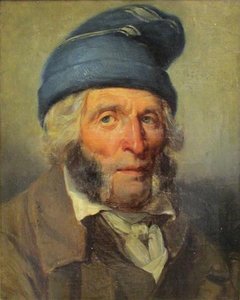
Nicolas Toussaint Charlet
1792 - 1845 , France
Osnovne informacije
- Artistic Movement Or Style: Military & civilian scenes
- Artists Or Movements Influenced By This Artist: ['Bonapartist']
- Artists Who Influenced This Artist: ['Baron Gros']
- Date Of Birth: December 20, 1792
- Date Of Death: October 30, 1845
- Full Name: Nicolas Toussaint Charlet
- Nationality: French
- Notable Artworks:
- Grenadier de Waterloo
- Episode Russia Campaign
- Rhine Passage by Moreau
- Place Of Birth: Paris, France
Povezani članci
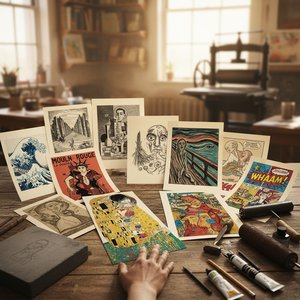
Top 10 Lithographs That Revolutionized Art | ArtsDot
Explore 10 legendary lithographs by Toulouse-Lautrec, Munch & Picasso that redefined art! Discover the stories behind these iconic prints and find museum-quality reproductions for your home decor at ArtsDot.com. Explore the full collection online.
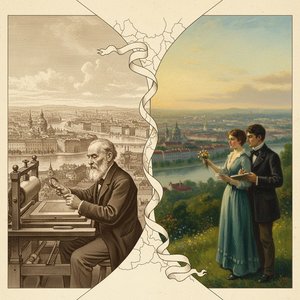
Josef Kriehuber: A Life Immersed in Viennese Topography – From Lithographic Precision to Romantic Observation
Explore the life and work of Josef Kriehuber, a master lithographer who captured 19th-century Vienna. Discover his portraits of nobility, landscapes, & artistic techniques. A guide for collectors & art enthusiasts.
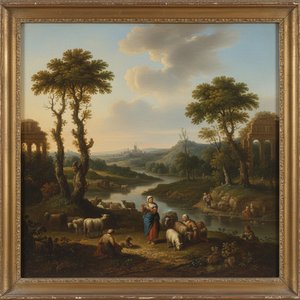
Nicolaes Berchem: Dutch Golden Age Pastoralism & the Evolution of Landscape Painting
Explore the captivating world of Nicolaes Berchem, a leading Dutch Golden Age painter. Discover his idyllic landscapes, masterful technique & lasting influence on art history. Learn more at ArtsDot.
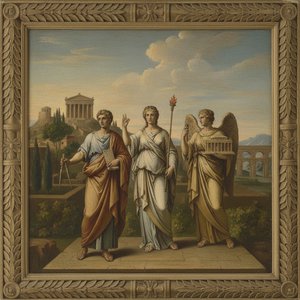
Nicolas Poussin: Classicism, Allegory & Order in 17th-Century French Painting
Explore the life & work of Nicolas Poussin, a master of French Classicism. Discover his allegorical paintings, Roman influences, and enduring impact on art history. Expert analysis & insights.
25 Remek-dela Hermitaža: Umotani u Lepotu i Istoriju | ArtsDot.com
Otkrijte 25 remek-dela Hermitaža u Sankt Peterburgu! Istražite priče Rembrandta, Leonarda i drugih majstora. Inspiracija za dekoraciju enterijera & reprodukcije slika vrhunskog kvaliteta na ArtsDot.com.