

 Pregledaj u prostoru
 Pošalji
 Podeli
 Detalji o delu

 Преузми
 Slični predmeti
 Rendgenski snimak
 Slajdovi
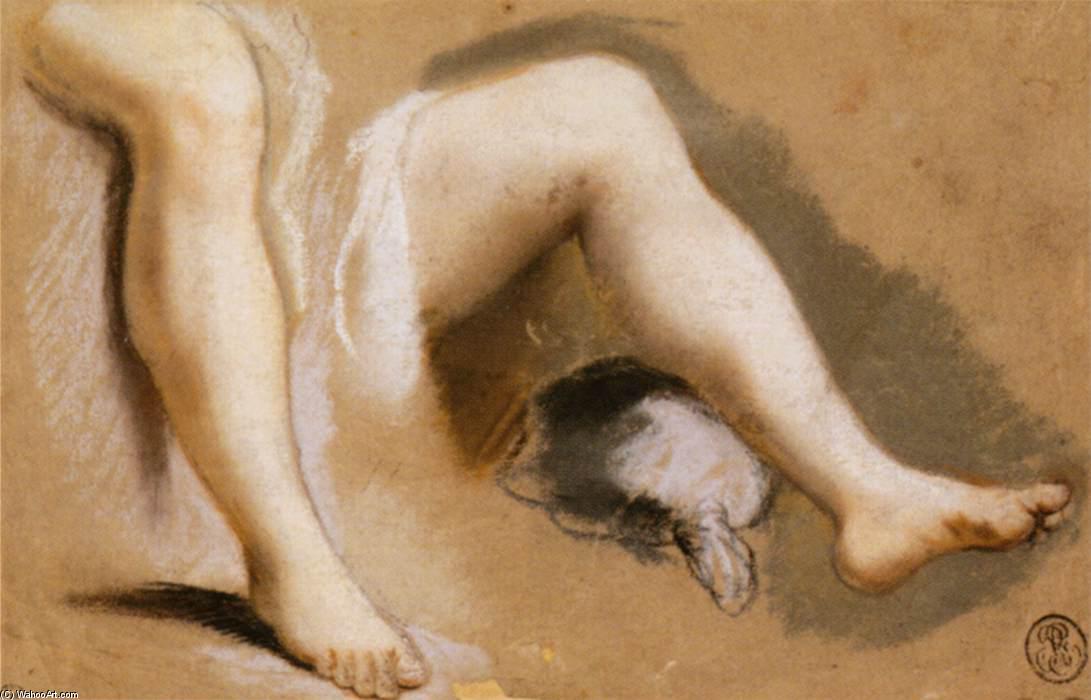
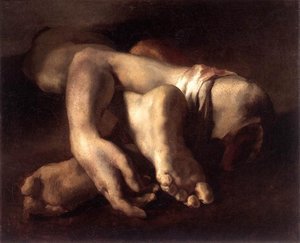
Study for the Legs of Campaspe
 Pastel
- Baroque Painting
 1716
1716 194.0 x 295.0 cm
 Louvre
 Pročitaj više
Ručno rađena uljana reprodukcija
Ručno oslikano uljanim bojama na platnu u dimenzijama i okviru po vašem izboru, izrađeno po porudžbini od strane naših umetnika. ( Kupi print Kupi digitalnu sliku)




P118B $10

P118H $10

P118W $10

P438Z $10

P508JH $12

P508YH $12

P805H $10

P805Z $10

P919BZ $10

P919G $10

P919XJ $10

P959ZH $10

P968JZ $12

W106C $8

W218G $10

W218JH $8

W218Y $10

W307PJ $10

W316G $10

W316PJ $8

W316Y $10

W398PJ $8

W4111J $10

W500HY $15

W500JH $15

W692G $12

W849H $8

W940BG $15

W953PJ $8




Izaberite jednu od naših unapred definisanih veličina koje odgovaraju originalnim proporcijama umetničkog dela.

Можете унети сопствене димензије како бисте прилагодили дело одређеном оквиру или простору. Ако одабрана величина не одговара пропорцијама оригинала, слика ће бити исечена или проширена додатним елементима који се ручно насликавају. Дигитални prikaz ће вам бити послат на одобрење пре почетка производње.
Имајте на уму да преглед на екрану не одражава стварно исецање или проширење. Само приказ (mockup) ће тачно приказати коначну композицију.
Иако су доступне прилагођене величине, препоручујемо да одаберете димензију из дефинисане листе како бисте сачували оригиналне пропорције.
Nakon narudžbine, tim ArtsDot.com će klijentu putem e-pošte poslati uputstva i dostaviti prikaz predloženog rešenja
Isporuka širom sveta () za 3/4 nedelje umesto uobičajenih 5 nedelja. (31 август). Bez kompromisa po pitanju kvaliteta.

Besplatna ekspresna dostava širom sveta

Visokokvalitetno laneno platno

Kompletno osiguranje transporta

Garancija povraćaja carine i uvoznih dažbina

Garancija vernosti boja

Politika povrata u roku od 60 dana (samo u slučaju nedostataka)

Garancija povrata novca od 100%

Popust pri grupnoj kupovini
 Opcija sa staklom dostupna je samo za dimenzije manje od 110 cm

Study for the Legs of Campaspe
Tehnika reprodukcije
Dimenzije reprodukcije
-


Konačna cena
$ 263
A Study in Serenity: Nicolas Vleughels’ “Study for the Legs of Campaspe”
The world of 18th-century French art, particularly within the vibrant atmosphere of the Académie de France in Rome, was a crucible of innovation and tradition. Amidst this dynamic scene emerged Nicolas Vleughels (1668 – 1737), a master whose meticulous approach to pastel portraiture and his profound understanding of Baroque principles resulted in works of exquisite beauty and subtle emotional depth. “Study for the Legs of Campaspe,” painted in 1716, offers a remarkable glimpse into Vleughels’ artistic process and reveals a deep appreciation for the human form rendered with unparalleled grace and restraint.
This particular piece isn't merely a depiction of limbs; it’s an exploration of stillness, balance, and the quiet contemplation of beauty. The composition is deceptively simple: a single pair of legs, elegantly posed in a crossed-ankle position, dominate the canvas. Yet, within this apparent minimalism lies a wealth of detail and a masterful command of technique. Vleughels’ choice to create a “study” – an initial sketch or preparatory drawing – reveals his intention not just to capture a likeness but to dissect and understand the underlying structure and dynamics of the subject. The subtle variations in tone, achieved through the delicate layering of pastel pigments, suggest a deliberate process of observation and refinement, inviting us into the artist’s studio and witnessing the birth of an image.
The Pastel Master: Technique and Style
Vleughels was a pivotal figure in the development of pastel painting in France. He skillfully harnessed the medium's unique qualities – its ability to create luminous gradations, soft textures, and delicate nuances of color – to achieve an unparalleled level of realism and expressiveness. Unlike oil paints, which rely on layering and glazing, pastels allow for direct application of pigment, resulting in a more immediate and vibrant effect. The artist’s use of light is particularly noteworthy; it's diffused and gentle, casting subtle shadows that enhance the contours of the legs without creating harsh contrasts. This creates an atmosphere of serenity and invites the viewer to linger on the details – the delicate veins visible beneath the skin, the subtle folds of muscle, the graceful curve of the ankle.
The influence of the Baroque period is undeniable in Vleughels’ work, particularly his debt to the masters of Venetian painting. Like Titian and Veronese before him, he understood the power of color and light to evoke emotion and create a sense of drama. However, Vleughels tempered this dramatic flair with a refined elegance and an almost meditative stillness. The muted palette – dominated by shades of beige, cream, and pale pink – contributes significantly to the painting’s tranquil mood.
Historical Context: Rome and the French Academy
“Study for the Legs of Campaspe” was created during a period of intense artistic exchange between France and Italy. Vleughels spent many years at the Académie de France in Rome, where he immersed himself in the works of classical sculpture and Renaissance painting. This experience profoundly shaped his artistic sensibilities, leading him to embrace a more restrained and intellectual approach to portraiture. His role as director of the Academy from 1724 until his death further cemented his position as a key figure in transmitting Italian artistic traditions to France.
The painting’s creation coincided with a broader shift in European art, moving away from the exuberant theatricality of Mannerism and towards the balanced compositions and refined aesthetics of the Baroque. Vleughels' work exemplifies this transition, demonstrating a mastery of technique combined with a deep understanding of classical principles.
Symbolic Resonance and Emotional Impact
While seemingly simple in subject matter, “Study for the Legs of Campaspe” possesses a subtle symbolic resonance. The pose itself – a crossed-ankle position – can be interpreted as representing balance, harmony, and equilibrium. The stillness of the figure invites contemplation and suggests a moment of quiet reflection. Vleughels’ ability to capture such profound emotion through a seemingly straightforward depiction of human anatomy is a testament to his artistic genius.
Today, this exquisite pastel offers a window into the world of 18th-century French art and a celebration of beauty in its most serene form. Reproductions, meticulously crafted to faithfully recreate Vleughels’ original technique, allow art lovers to experience the painting's captivating allure within their own homes – a testament to an artist who understood that true beauty lies not just in appearance but in the quiet contemplation it inspires.
Srodna umetnička dela
Biografija umetnika
The Convergence of Flemish Heritage and Venetian Grandeur
Nicolas Vleughels stands as a pivotal figure in the artistic landscape of the early Baroque era, embodying a magnificent confluence of Flemish artistic heritage and the burgeoning influence of Venetian painting. Born in Paris in 1668, his very identity was rooted in a lineage of excellence; he was the son of Philippe Vleughels, a renowned Flemish painter who had emigrated from Antwerp. This connection to the great traditions of the North provided Nicolas with a foundation steeped in technical precision and a vibrant community of expatriate artists residing in the French capital.
His formative years were defined by rigorous instruction under the watchful eye of Pierre Mignard, a prominent portraitist whose meticulous realism would leave an indelible mark on Vle.ueghels’ stylistic sensibilities. Yet, it was his profound dedication to mastering the masters that truly shaped his hand. He spent countless hours diligently copying the works of Rubens, the titan of Baroque art, absorbing the expressive power and dynamic energy that characterized the Flemish tradition. This deep reverence for Rubens allowed him to weave a sense of muscularity and life into his compositions, even as he sought new horizons.
A Transformative Journey Through Italy
Despite early recognition—including securing the second prize in the Académie royale de peinture et de sculpture’s competition in 1694—Vleughels faced the inevitable challenges of establishing a singular voice in a crowded Parisian scene. Driven by an unquenchable ambition, he embarked on a transformative journey to Rome in 1703. This pilgrimage was not merely a change of scenery but a profound artistic awakening. In Italy, he encountered the works of Casper van Wittel, a celebrated vedute painter whose panoramic depictions of landscapes captivated him with their light and spatial depth.
The influence of Venice, however, would become the true cornerstone of his evolution. As he immersed himself in the Venetian atmosphere, the dramatic compositions of Veronese began to resonate deeply within his soul. This encounter catalyzed a stylistic shift toward an opulent color palette and a sense of theatrical staging. His work began to breathe with the warmth and grandeur of the Venetian Baroque, blending the structural integrity of his Flemish roots with a new, luminous splendor that celebrated light and movement.
Legacy and Artistic Maturity
Upon returning to Paris around 1709, Vleughels emerged as an artist of significant prestige, eventually serving as a director at the French Academy in Rome. His later years were marked by a fascinating intersection with the emerging Rococo movement; he forged a profound friendship with Jean-Antoine Watteau, whose delicate and playful style offered a striking contrast to Vleughels’ more classical and dramatic tendencies. This period of his life saw him navigating the transition between the heavy grandeur of the Baroque and the refined elegance of the coming age.
The enduring significance of Nicolas Vleughels lies in his ability to bridge disparate worlds. His oeuvre remains a testament to a life spent synthesizing diverse influences, from the meticulous detail of his Flemish ancestors to the sweeping, colorful drama of the Italian masters. Whether through the serene beauty found in his Study for the Head of Campaspe or the theatrical narrative of Apelles Painting Campaspe, Vleughels continues to captivate the viewer with a unique vision that remains eternally elegant and profoundly classical.
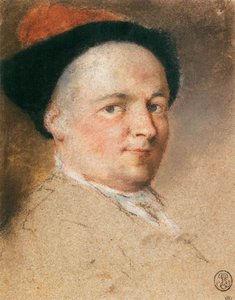
Nicolas Vleughels
1668 - 1737 , France
Osnovne informacije
- Artistic Movement Or Style: Baroque
- Artists Or Movements Influenced By This Artist: ['Jean-Antoine Watteau']
- Artists Who Influenced This Artist:
- Pierre Mignard
- Rubens
- Date Of Birth: Paris, France (1668)
- Date Of Death: 1737
- Full Name: Nicolas Vleughels
- Nationality: French
- Notable Artworks:
- Study for the Legs of Campaspe
- Young Woman with a Nude Back Presenting a Bowl
- Place Of Birth: Paris
Povezani članci
The Subtleties of Pastel: A Comprehensive Exploration of Technique, History & Emotional Resonance
Explore the captivating world of pastel art! Discover its rich history, Impressionistic masters like Degas, emotional power & unique techniques. Find museum-quality reproductions at ArtsDot.

Барокна драма: Уношење величине и емоција у савремене ентеријере
Откријте барокну драму и унесите величину у ваш ентеријер! ArtsDot нуди ручно насликане репродукције, персонализоване портрете и стручне консултације за љубитеље класичне уметности. Потражите савршено дело већ данас!

The Dramatic Flourish: Exploring the Baroque Movement's Enduring Legacy in Art History
Explore the dramatic world of Baroque art! Discover iconic artists like Caravaggio & Rubens, defining techniques, and its lasting impact on art history. Expert insights for collectors & enthusiasts at ArtsDot.
The Subdued Radiance of Pastel: Exploring Nuance & Emotion in Art
Explore the nuanced world of pastel art! Discover its history, techniques & emotional power with expert insights from ArtsDot.com. Find museum-quality reproductions and learn about collecting this delicate medium.

Barok Majstor dela: Top 10 Umjetničkih Remeka za Vaš Dom
Otkrijte 10 remek dela koja su definisala baroknu umetnost! Karavagio, Bernini i više – istražite priče iza ovih ikoničnih slika. Inspiracija za vaš dom? Pogledajte kolekciju na ArtsDot.com!

