

 Pregledaj u prostoru
 Pošalji
 Podeli
 Detalji o delu

 Преузми
 Slični predmeti
 Rendgenski snimak
 Slajdovi
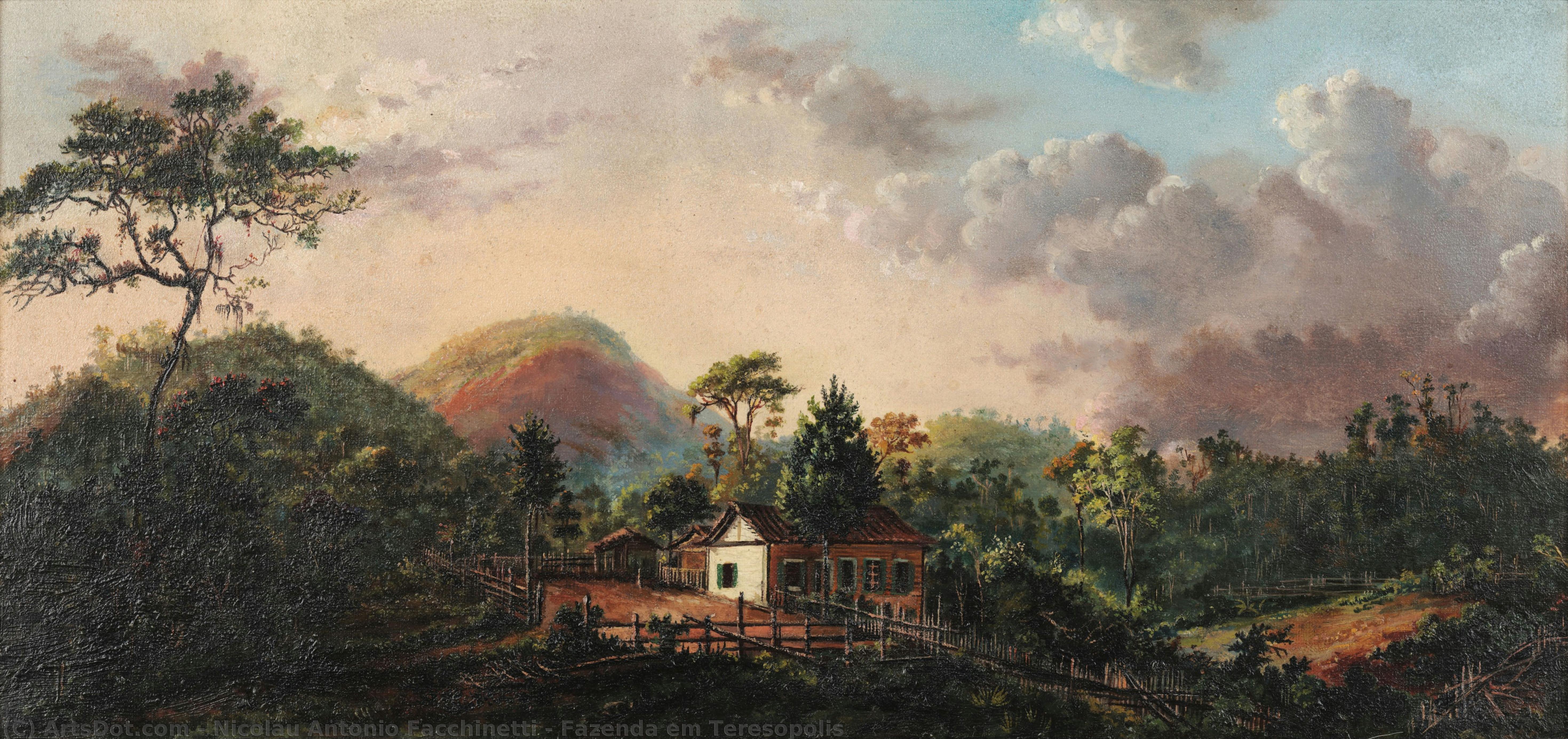
Fazenda em Teresópolis

 Pročitaj više
Ručno rađena uljana reprodukcija
Ručno oslikano uljanim bojama na platnu u dimenzijama i okviru po vašem izboru, izrađeno po porudžbini od strane naših umetnika. ( Kupi print Kupi digitalnu sliku)




































Izaberite jednu od naših unapred definisanih veličina koje odgovaraju originalnim proporcijama umetničkog dela.

Можете унети сопствене димензије како бисте прилагодили дело одређеном оквиру или простору. Ако одабрана величина не одговара пропорцијама оригинала, слика ће бити исечена или проширена додатним елементима који се ручно насликавају. Дигитални prikaz ће вам бити послат на одобрење пре почетка производње.
Имајте на уму да преглед на екрану не одражава стварно исецање или проширење. Само приказ (mockup) ће тачно приказати коначну композицију.
Иако су доступне прилагођене величине, препоручујемо да одаберете димензију из дефинисане листе како бисте сачували оригиналне пропорције.
Nakon narudžbine, tim ArtsDot.com će klijentu putem e-pošte poslati uputstva i dostaviti prikaz predloženog rešenja
Isporuka širom sveta () za 3/4 nedelje umesto uobičajenih 5 nedelja. (27 август). Bez kompromisa po pitanju kvaliteta.

Besplatna ekspresna dostava širom sveta

Visokokvalitetno laneno platno

Kompletno osiguranje transporta

Garancija povraćaja carine i uvoznih dažbina

Garancija vernosti boja

Politika povrata u roku od 60 dana (samo u slučaju nedostataka)

Garancija povrata novca od 100%

Popust pri grupnoj kupovini
 Opcija sa staklom dostupna je samo za dimenzije manje od 110 cm

Fazenda em Teresópolis
Tehnika reprodukcije
Dimenzije reprodukcije
-


Konačna cena
$ 263
Srodna umetnička dela









Biografija umetnika
Jean-Léon Gérôme: A Master of Grand Historical Scenes
Born in Vesoul, France, on May 11th, 1824, Jean-Léon Gérôme emerged as a pivotal figure in the mid-19th century art world. Initially trained by local artist Claude-Basile Cariage, his talent quickly propelled him to Paris where he honed his skills under the tutelage of Paul Delaroche and later Charles Gleyre. This early exposure to established artistic traditions laid the foundation for his distinctive style – a blend of academic precision and dramatic flair that would secure his place as one of the most commercially successful artists of his time, earning him the moniker “arguably the world’s most famous living artist by 1880.” Gérôme's career was marked by an unwavering dedication to historical painting, Orientalist scenes, portraits, and a remarkable ability to capture the grandeur and spectacle demanded by the era.
Gérôme’s artistic journey began with a fascination for classical art and the techniques of masters like Peter Paul Rubens. His early travels to Italy, Florence, Rome, and Pompeii profoundly influenced his understanding of composition, color, and human anatomy. These experiences fueled his ambition to depict historical events with meticulous detail and emotional resonance. He was particularly drawn to the dramatic narratives of antiquity and the exotic allure of the East, subjects that would dominate much of his oeuvre.
- Early Influences: Delaroche’s emphasis on theatrical lighting and narrative storytelling, combined with Rubens' dynamic brushwork and vibrant color palettes, shaped Gérôme’s artistic vision.
- Academic Training: His rigorous training at the École des Beaux-Arts instilled in him a deep respect for classical conventions and a commitment to technical mastery.
- Travels & Inspiration: Visits to Italy and the Near East provided him with invaluable source material, inspiring his depictions of ancient battles, mythological scenes, and Oriental life.
The Rise of Academic Grandeur
Gérôme’s artistic career coincided with a period of significant social and political change in France – the Second Empire under Napoleon III. This era witnessed a renewed interest in classical art and a demand for grand historical paintings that celebrated national pride and imperial power. Gérôme skillfully capitalized on this trend, producing works that were both visually stunning and politically astute. His paintings frequently depicted scenes of military heroism, aristocratic grandeur, and exotic landscapes – subjects designed to reinforce the values and ideals of the ruling elite.
His success was largely due to his ability to cater to the tastes of a discerning public. Gérôme’s works were widely reproduced as lithographs and engravings, making them accessible to a broad audience. This mass production further cemented his reputation as a popular artist, earning him considerable wealth and acclaim. He wasn't simply an artist; he was a commercial powerhouse, demonstrating a keen understanding of the market for art.
Major Works & Distinctive Style
Gérôme’s artistic output spanned a diverse range of subjects, but his most celebrated works are undoubtedly his historical paintings and Orientalist scenes. “The Raft of the Medusa” (1818-1819), depicting the aftermath of a shipwreck, remains one of his most powerful and emotionally charged creations. The painting’s harrowing depiction of human suffering and despair shocked audiences with its unflinching realism and challenged conventional notions of heroic narrative. Similarly, “The Landing of Phoenicians at Carthage” (1847) showcases his mastery of composition, color, and dramatic lighting, transporting viewers to a vibrant and chaotic scene from ancient history.
- “The Raft of the Medusa” (1818-1819): A harrowing depiction of survivors adrift after a shipwreck, highlighting themes of abandonment and despair.
- “The Landing of Phoenicians at Carthage” (1847): A meticulously rendered scene of ancient commerce and conflict, demonstrating Gérôme’s technical skill and dramatic flair.
- Orientalist Scenes: Works like “The Tuileries Promenade” (1862) capture the exotic beauty and cultural richness of the Middle East, reflecting his fascination with distant lands.
Legacy & Influence
Jean-Léon Gérôme’s impact on 19th-century art is undeniable. He was a leading figure in the academic tradition, upholding classical principles of composition, technique, and subject matter. However, his work also pushed the boundaries of historical painting, incorporating elements of realism and emotional intensity that were not always found in traditional works of this genre. His influence extended beyond his own generation, inspiring artists such as Mary Cassatt, Thomas Eakins, and Osman Hamdi Bey – a testament to his enduring artistic legacy.
Gérôme died in Paris on January 10th, 1904, leaving behind a vast body of work that continues to captivate audiences today. His paintings serve as windows into the past, offering glimpses of historical events and cultural landscapes – reminders of a time when grand narratives were used to shape national identity and celebrate human achievement.
nicolau antonio facchinetti
1824 - 1900 , Italy
Osnovne informacije
- Artistic Movement Or Style: Academicism, Orientalism
- Artists Or Movements Influenced By This Artist:
- Mary Cassatt
- Thomas Eakins
- Artists Who Influenced This Artist:
- Paul Delaroche
- Claude-Basile Cariage
- Date Of Birth: May 11, 1824
- Date Of Death: January 10, 1904
- Full Name: Jean-Léon Gérôme
- Nationality: French
- Notable Artworks:
- The Raft of the Medusa
- Charging Chasseur
- Pollice Verso
- Place Of Birth: Vesoul, France

