

 Pregledaj u prostoru
 Pošalji
 Podeli
 Detalji o delu

 Преузми
 Slični predmeti
 Rendgenski snimak
 Slajdovi
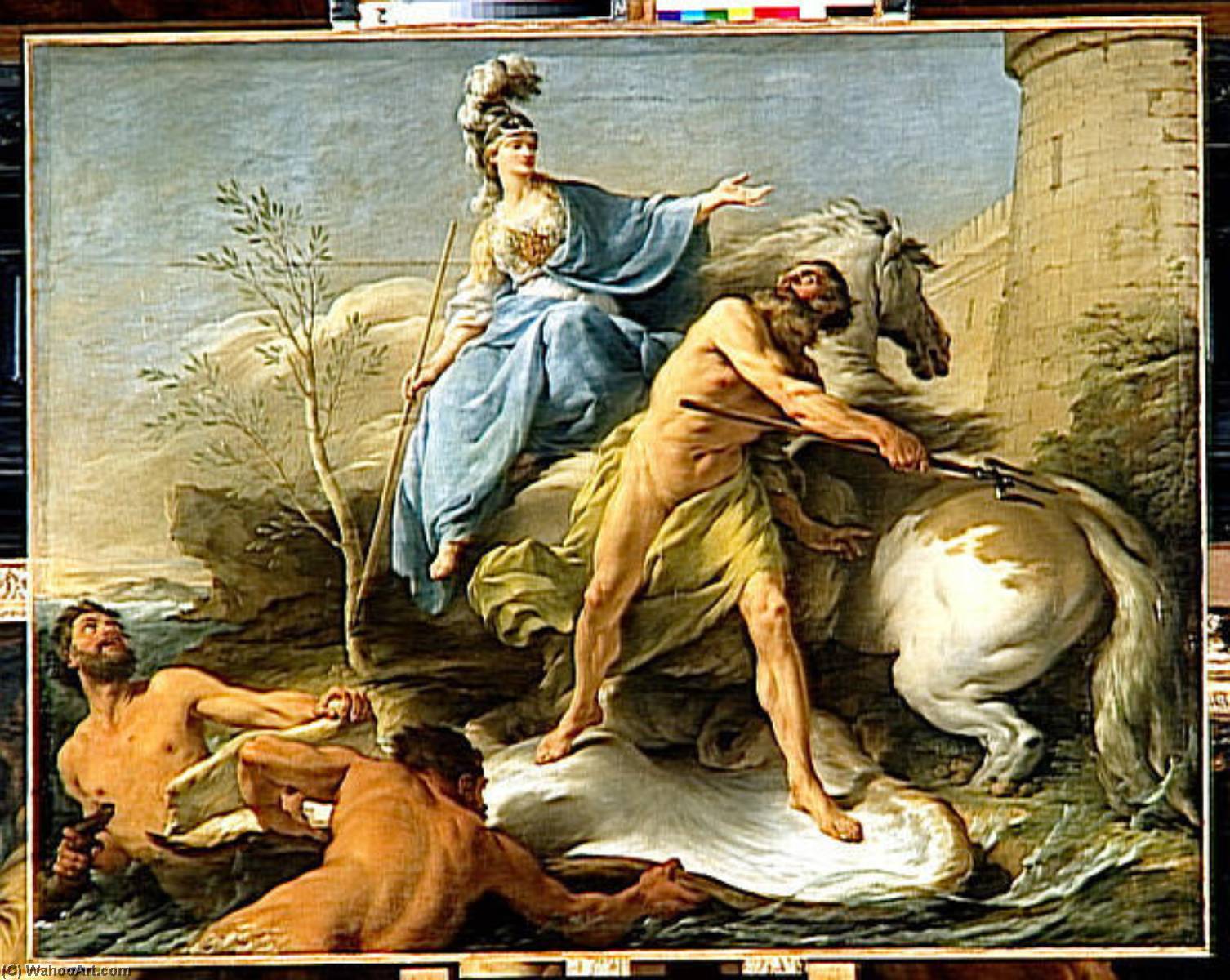
LA DISPUTE DE MINERVE ET DE NEPTUNE POUR DONNER UN NOM A LA VILLE D'ATHENES


 Pročitaj više
Ručno rađena uljana reprodukcija
Ručno oslikano uljanim bojama na platnu u dimenzijama i okviru po vašem izboru, izrađeno po porudžbini od strane naših umetnika. ( Kupi print Kupi digitalnu sliku)




P118B $10

P118H $10

P118W $10

P438Z $10

P508JH $12

P508YH $12

P805H $10

P805Z $10

P919BZ $10

P919G $10

P919XJ $10

P959ZH $10

P968JZ $12

W106C $8

W218G $10

W218JH $8

W218Y $10

W307PJ $10

W316G $10

W316PJ $8

W316Y $10

W398PJ $8

W4111J $10

W500HY $15

W500JH $15

W692G $12

W849H $8

W940BG $15

W953PJ $8




Izaberite jednu od naših unapred definisanih veličina koje odgovaraju originalnim proporcijama umetničkog dela.

Можете унети сопствене димензије како бисте прилагодили дело одређеном оквиру или простору. Ако одабрана величина не одговара пропорцијама оригинала, слика ће бити исечена или проширена додатним елементима који се ручно насликавају. Дигитални prikaz ће вам бити послат на одобрење пре почетка производње.
Имајте на уму да преглед на екрану не одражава стварно исецање или проширење. Само приказ (mockup) ће тачно приказати коначну композицију.
Иако су доступне прилагођене величине, препоручујемо да одаберете димензију из дефинисане листе како бисте сачували оригиналне пропорције.
Nakon narudžbine, tim ArtsDot.com će klijentu putem e-pošte poslati uputstva i dostaviti prikaz predloženog rešenja
Isporuka širom sveta () za 3/4 nedelje umesto uobičajenih 5 nedelja. (26 август). Bez kompromisa po pitanju kvaliteta.

Besplatna ekspresna dostava širom sveta

Visokokvalitetno laneno platno

Kompletno osiguranje transporta

Garancija povraćaja carine i uvoznih dažbina

Garancija vernosti boja

Politika povrata u roku od 60 dana (samo u slučaju nedostataka)

Garancija povrata novca od 100%

Popust pri grupnoj kupovini
 Opcija sa staklom dostupna je samo za dimenzije manje od 110 cm

LA DISPUTE DE MINERVE ET DE NEPTUNE POUR DONNER UN NOM A LA VILLE D'ATHENES
Tehnika reprodukcije
Dimenzije reprodukcije
-


Konačna cena
$ 263
Opis umetničkog dela
The Divine Debate Over Athens' Name
This magnificent painting transports us directly into the heart of classical mythology, capturing a moment of profound intellectual and divine contention. At its core lies the legendary dispute between Minerva, the radiant goddess of wisdom, and Neptune, the mighty god ruling the restless seas. The scene is not merely an illustration of gods arguing; it is a vibrant tableau vivant of cultural genesis, where the very identity of a great city—Athens—is at stake. Observe Minerva on her rocky perch to the left, clad in robes of deep blue that speak of celestial authority. Her bearing, complemented by the spear and crested helmet, speaks to her martial wisdom, while her focused gaze locks onto Neptune, suggesting an unwavering conviction in her own claim.
A Study in Baroque Grandeur and Classical Form
The style echoes the grand narratives favored during the 18th century, a period where artists like Noël Hallé masterfully blended the drama of the Baroque with the idealized forms of classical antiquity. The composition itself is a masterful exercise in balance; Neptune stands opposite Minerva, his form imbued with the raw power of the ocean, evident in the sea-creature adorned blue robe and the unmistakable grip on his trident. The artist utilizes light and shadow not just for realism, but to heighten the dramatic tension between these two colossal figures. In the foreground, the inclusion of secondary human observers—a figure robed in yellow and a woman in white and blue—grounds the divine argument in a relatable human experience, inviting the viewer into their silent contemplation.
Symbolism Woven into Mythic Detail
Every element within this canvas pulses with symbolic weight. The contrast between Minerva’s grounded wisdom and Neptune’s untamed maritime power forms the central dialectic of the piece. Blue, the color of both goddesses' robes, unifies them while their respective attributes—the spear versus the trident—define their opposing domains. This artwork invites contemplation on the sources of civilization itself: is it born from intellectual rigor, or from the unpredictable force of nature? The rocky landscape beneath a clear sky serves as the perfect stage for such an epic discourse, suggesting that even in moments of conflict, there exists a sublime order.
Bringing Mythic Drama into Your Space
For the discerning collector or interior designer, this reproduction offers more than just decoration; it offers a conversation piece steeped in history and allegory. The rich detailing, characteristic of 18th-century academic painting, ensures that even at a distance, the narrative drama remains palpable. Imagine this scene gracing a formal drawing room or an academic study—it instantly bestows an air of cultured grandeur and intellectual depth upon any setting. It is a timeless piece, allowing one to connect with the enduring human fascination with myth, power, and the naming of civilization.
Srodna umetnička dela




Biografija umetnika
A Legacy of Grandeur: The Life and Art of Noël Hallé
In the luminous landscape of 18th-century French painting, few names evoke the intersection of classical reverence and royal splendor quite like Noël Hallé. Born in Paris in 1711 into a family steeped in the traditions of the brush, Hallé was destined for a life defined by the pursuit of aesthetic perfection. As the son of the painter Claude-Guy Hallé, his early years were an immersion in the nuances of color and composition, providing him with a foundational mastery that would later allow him to navigate the complex demands of the French court. His journey was not merely one of inherited skill, but of profound intellectual expansion, driven by a desire to capture the monumental weight of history through the delicate lens of the Baroque style.
The defining chapter of Hallé’s artistic development began with his triumph in 1736, when he secured the prestigious Prix de Rome. This achievement served as his gateway to the eternal city, where from 1737 until 1744, he resided within the hallowed halls of the Académie Royale Française. It was in Rome that Hallé’s artistic soul truly encountered its greatest inspirations. The sheer scale of Roman architecture and the dramatic tension found in classical sculpture left an indelible mark upon his psyche. Under the guidance of masters like Jean-François de Troy, he learned to synthesize the rigorous discipline of classical technique with a burgeoning sense of theatricality. His works from this period reflect a deep fascination with mythological narratives and historical epochs, rendered with a meticulous attention to detail that breathes life into ancient stone and legend.
Mastery of Technique and Royal Patronage
Upon his return to France, Hallé’s reputation preceded him, leading to an illustrious career characterized by high-stakes commissions and royal recognition. During the reign of Louis XV, he became a sought-after talent for the most prestigious institutions in Europe. His ability to weave complex historical narratives into visually arresting compositions made him an ideal choice for the Gobelins Manufactory and the opulent halls of Versailles. Hallé possessed a rare gift for portraying the grandeur of aristocratic life, capturing the quiet dignity of the elite amidst settings of unparalleled luxury. Whether decorating the Grand Trianon or the Petit Trianon, his brushwork served to reinforce the prestige of the French monarchy, blending the monumental with the intimate.
The technical brilliance of Hallé’s oeuvre lies in his sophisticated use of light and color. He did not merely paint scenes; he constructed atmospheres. His palettes were often vibrant yet controlled, capable of conveying both the intellectual rigor required by academic standards and the emotional intensity necessary to engage the viewer's heart. In his historical paintings, one can observe a seamless integration of:
- Classical Precision: A dedication to anatomical accuracy and architectural integrity derived from his Roman studies.
- Baroque Drama: The use of chiaroscuro and dynamic movement to elevate historical events into epic spectacles.
- Narrative Depth: An ability to imbue even the smallest figure with a sense of purpose and emotional resonance.
Historical Significance and Enduring Impression
As the 18th century progressed, Hallé’s work stood as a testament to the enduring power of classical ideals in an era of shifting tastes. While the art world began to move toward new sensibilities, his commitment to the grandeur of the past provided a sense of continuity and cultural stability for the French state. His contributions to the decorative arts and historical painting helped define the visual identity of the Louis XV era, leaving behind a legacy that celebrates the marriage of scholarly knowledge and artistic intuition.
Today, the works of Noël Hallé remain vital windows into a lost world of elegance and epic storytelling. He remains a pivotal figure for scholars and art enthusiasts alike, representing a moment in history when the brush was used to bridge the gap between the ancient glories of Rome and the contemporary splendor of Paris. His life, spanning from his birth in 1711 to his passing in 1781, serves as a complete arc of an artist who mastered the art of making history live again on canvas.
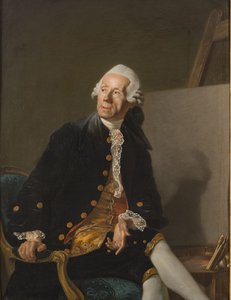
noël hallé
1711 - 1781 , France
Osnovne informacije
- Artistic Movement Or Style: Baroque
- Artists Or Movements Influenced By This Artist: ['Classical Paintings']
- Artists Who Influenced This Artist: ['Jean-François de Troy']
- Date Of Birth: September 2, 1711
- Full Name: Noël Hallé
- Nationality: French
- Notable Artworks:
- The Death of Seneca
- Cornelia, Mother of the Gracchi
- Justice of Trajan
- Place Of Birth: Paris, France
Povezani članci
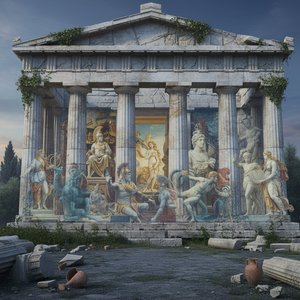
Echoes of Olympus: Mythological Narratives in Western Art Through the Ages
Explore the captivating history of mythological narratives in Western art! From ancient Greece to modern masterpieces, discover iconic artworks & symbolism. Expert analysis and high-quality reproductions at ArtsDot.

Барокна драма: Уношење величине и емоција у савремене ентеријере
Откријте барокну драму и унесите величину у ваш ентеријер! ArtsDot нуди ручно насликане репродукције, персонализоване портрете и стручне консултације за љубитеље класичне уметности. Потражите савршено дело већ данас!

The Dramatic Flourish: Exploring the Baroque Movement's Enduring Legacy in Art History
Explore the dramatic world of Baroque art! Discover iconic artists like Caravaggio & Rubens, defining techniques, and its lasting impact on art history. Expert insights for collectors & enthusiasts at ArtsDot.

Barok Majstor dela: Top 10 Umjetničkih Remeka za Vaš Dom
Otkrijte 10 remek dela koja su definisala baroknu umetnost! Karavagio, Bernini i više – istražite priče iza ovih ikoničnih slika. Inspiracija za vaš dom? Pogledajte kolekciju na ArtsDot.com!

The Visceral Stage: Exploring Dramatic Narratives & Emotional Intensity in Baroque Art
Explore the dramatic world of Baroque art! Discover iconic masters like Caravaggio & Rembrandt, their techniques, and the movement's lasting impact. Expert insights for collectors & enthusiasts at ArtsDot.

