

 Pregledaj u prostoru
 Pošalji
 Podeli
 Detalji o delu

 Преузми
 Slični predmeti
 Rendgenski snimak
 Slajdovi
 Stats
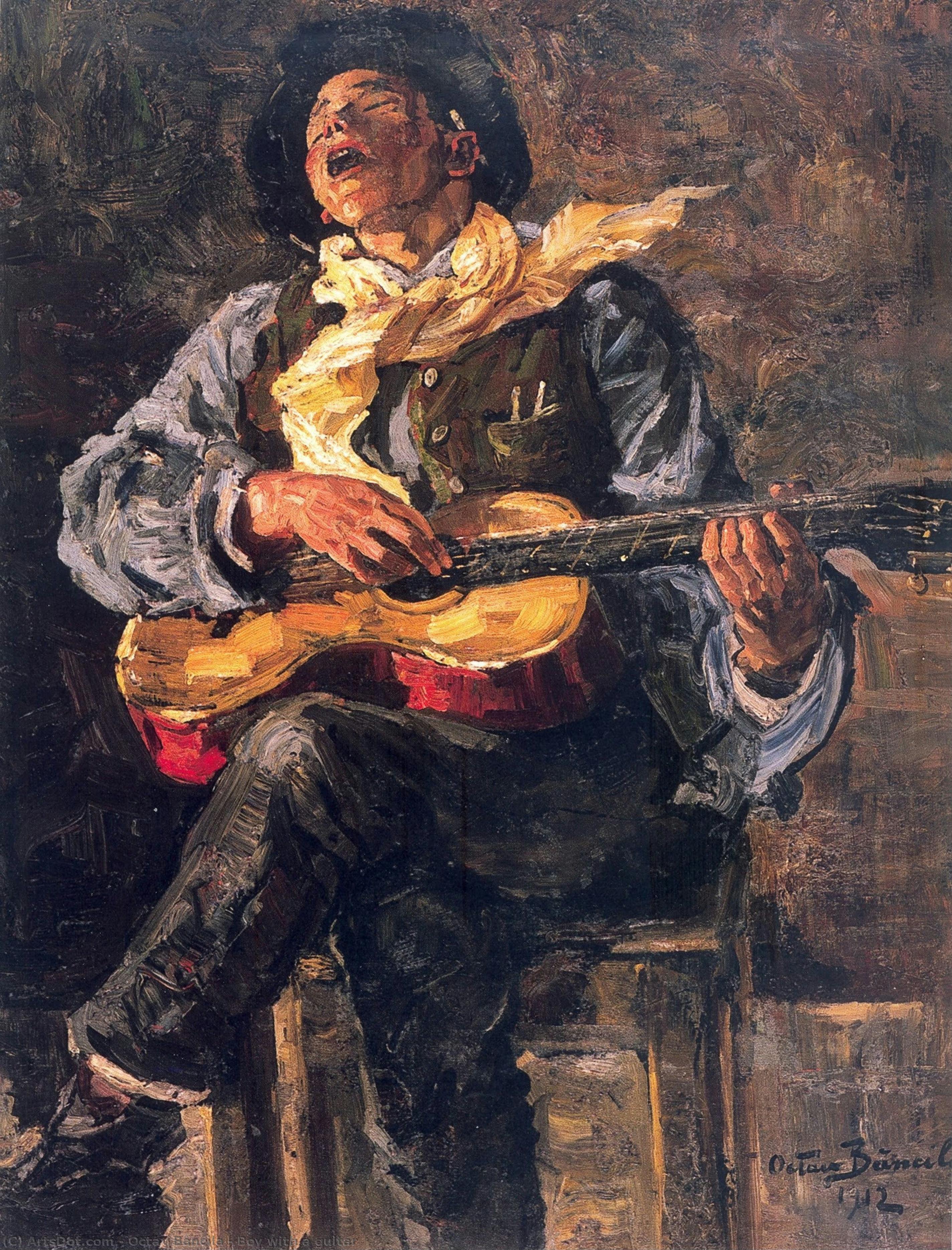
StatsBoy with a guitar
 78.0 x 58.0 cm
 Palata parlamenta - Dom narodnih predstavnika
 Pročitaj više
Ručno rađena uljana reprodukcija
Ručno oslikano uljanim bojama na platnu u dimenzijama i okviru po vašem izboru, izrađeno po porudžbini od strane naših umetnika. ( Switch to Print Switch to Digital Image)




































Izaberite jednu od naših unapred definisanih veličina koje odgovaraju originalnim proporcijama umetničkog dela.

Можете унети сопствене димензије како бисте прилагодили дело одређеном оквиру или простору. Ако одабрана величина не одговара пропорцијама оригинала, слика ће бити исечена или проширена додатним елементима који се ручно насликавају. Дигитални prikaz ће вам бити послат на одобрење пре почетка производње.
Имајте на уму да преглед на екрану не одражава стварно исецање или проширење. Само приказ (mockup) ће тачно приказати коначну композицију.
Иако су доступне прилагођене величине, препоручујемо да одаберете димензију из дефинисане листе како бисте сачували оригиналне пропорције.
Nakon narudžbine, tim ArtsDot.com će klijentu putem e-pošte poslati uputstva i dostaviti prikaz predloženog rešenja
Isporuka širom sveta () za 3/4 nedelje umesto uobičajenih 5 nedelja. (8 септембар). Bez kompromisa po pitanju kvaliteta.

Besplatna ekspresna dostava širom sveta

Visokokvalitetno laneno platno

Kompletno osiguranje transporta

Garancija povraćaja carine i uvoznih dažbina

Garancija vernosti boja

Politika povraćaja u roku od 100 dana (isključivo u slučaju nedostataka)

Garancija povrata novca od 100%

Popust pri grupnoj kupovini
 Opcija sa staklom dostupna je samo za dimenzije manje od 110 cm

Boy with a guitar
Tehnika reprodukcije
Dimenzije reprodukcije
-


Konačna cena
$ 263
Srodna umetnička dela





Biografija umetnika
Octav Băncilă: A Voice of Rural Romania
Octav Băncilă (1872-1944) stands as a pivotal figure in Romanian realist painting, embodying the spirit of his era and grappling with profound social concerns. Born in Botoșani, Romania, he experienced early hardship – orphaned at four – shaping his worldview and fueling an unwavering dedication to portraying the realities of peasant life and challenging prevailing societal injustices. His artistic journey was inextricably linked to the intellectual currents of his time, particularly those championed by his brother-in-law Ioan Nădejde’s socialist magazine *Contemporanul*, fostering a commitment to documenting the struggles of ordinary Romanians.- Early Life and Education: Octav Băncilă’s formative years were marked by loss and resilience. Raised in Iași by his sister Sofia Nădejde and her husband, Constantin Ion Parhon—who themselves instilled a love for art—he received an initial education that nurtured his innate talent. Following primary school, he pursued formal artistic training at the George Enescu National University of Arts in Iași, honing his skills under influential teachers like Gheorghe Panaiteanu Bardasare and Constantin Stahi.
- European Influences: Munich Academy Recognizing the importance of broadening his horizons, Băncilă embarked on a transformative journey abroad, beginning with Italy and France before settling in Germany. He enrolled at the Akademie der Bildenden Künste in Munich, where he studied under luminaries such as Fritz von Uhde, Fritz Mackensen, Leopold Graf von Kalckreuth, Heinrich von Zügel, and notably Franz von Lenbach. This immersion in German artistic tradition exposed him to Impressionistic techniques and broadened his conceptual understanding of art’s role in reflecting social realities.
The Painter of Uprisings: Themes and Style
Băncilă's artistic output is characterized by a distinctive stylistic approach rooted in realism, yet imbued with an emotional depth that transcends mere representation. He focused intently on capturing the essence of rural Romanian life—the daily toil of peasants, the hardships endured during periods of unrest—often depicting scenes of social upheaval with unflinching honesty. His canvases pulsated with vivid color palettes and meticulous detail, reflecting a profound empathy for his subjects and an unwavering conviction in the power of art to illuminate injustice.- Key Subjects: His oeuvre revolved around four central themes: The proletariat (laborers), the peasant (rural laborers), Jewish traders and artisans, and conscripted soldiers—each rendered with painstaking accuracy and imbued with symbolic significance. These subjects weren’t merely depicted; they were inhabited by characters whose emotions and experiences resonated powerfully with viewers.
- Technique and Composition: Băncilă's technique favored bold brushstrokes and a masterful use of color, prioritizing expressive dynamism over photographic realism. He skillfully employed compositional devices—such as diagonal lines and asymmetrical arrangements—to convey movement and tension, mirroring the turbulent social landscape he sought to portray. His canvases are imbued with an atmosphere of palpable emotion, reflecting his deep engagement with the political and philosophical debates of his time.
Social Engagement and Legacy
Octav Băncilă’s artistic endeavors were inseparable from his unwavering commitment to socialist ideals. He actively participated in labor movements and championed the cause of social justice, utilizing his art as a vehicle for critique and advocacy. His involvement extended beyond painting; he founded the Workers' Party alongside Constantin Ion Parhon and Paul Bujor, attempting to translate his convictions into political action—albeit unsuccessfully due to its merger with the Peasant Party shortly after formation. Despite his later sympathies toward communist ideology, Băncilă remained steadfast in his belief that art possessed a crucial role in shaping public opinion and fostering social reform.Notable Works
Among Băncilă’s most celebrated paintings are “Boy with a Guitar,” “Gypsy Woman with Necklace and Pipe,” “Strawberries,” and “Good Deal.” These pieces exemplify his masterful ability to convey emotion and capture the spirit of Romanian rural life, cementing his place as one of Romania's foremost realist painters. His enduring legacy resides not only in his artistic achievements but also in his unwavering dedication to documenting social realities and challenging societal injustices—a testament to the transformative power of art as a tool for intellectual and moral engagement.
octav bancila
1872 - 1944 , Romania
Osnovne informacije
- Artistic Movement Or Style: Realism painting
- Artists Or Movements Influenced By This Artist: ['Nicolae Grigorescu']
- Artists Who Influenced This Artist: ['Franz von Lenbach']
- Date Of Birth: February 4, 1872
- Date Of Death: April 3, 1944
- Full Name: Octav Băncilă
- Nationality: Romanian
- Notable Artworks:
- Boy with a guitar
- Octav Băncilă
- Place Of Birth: Botoșani, Romania