 Pregledaj u prostoru
 Pošalji
 Podeli
 Detalji o delu

 Преузми
 Slični predmeti
 Rendgenski snimak
 Slajdovi
 Stats
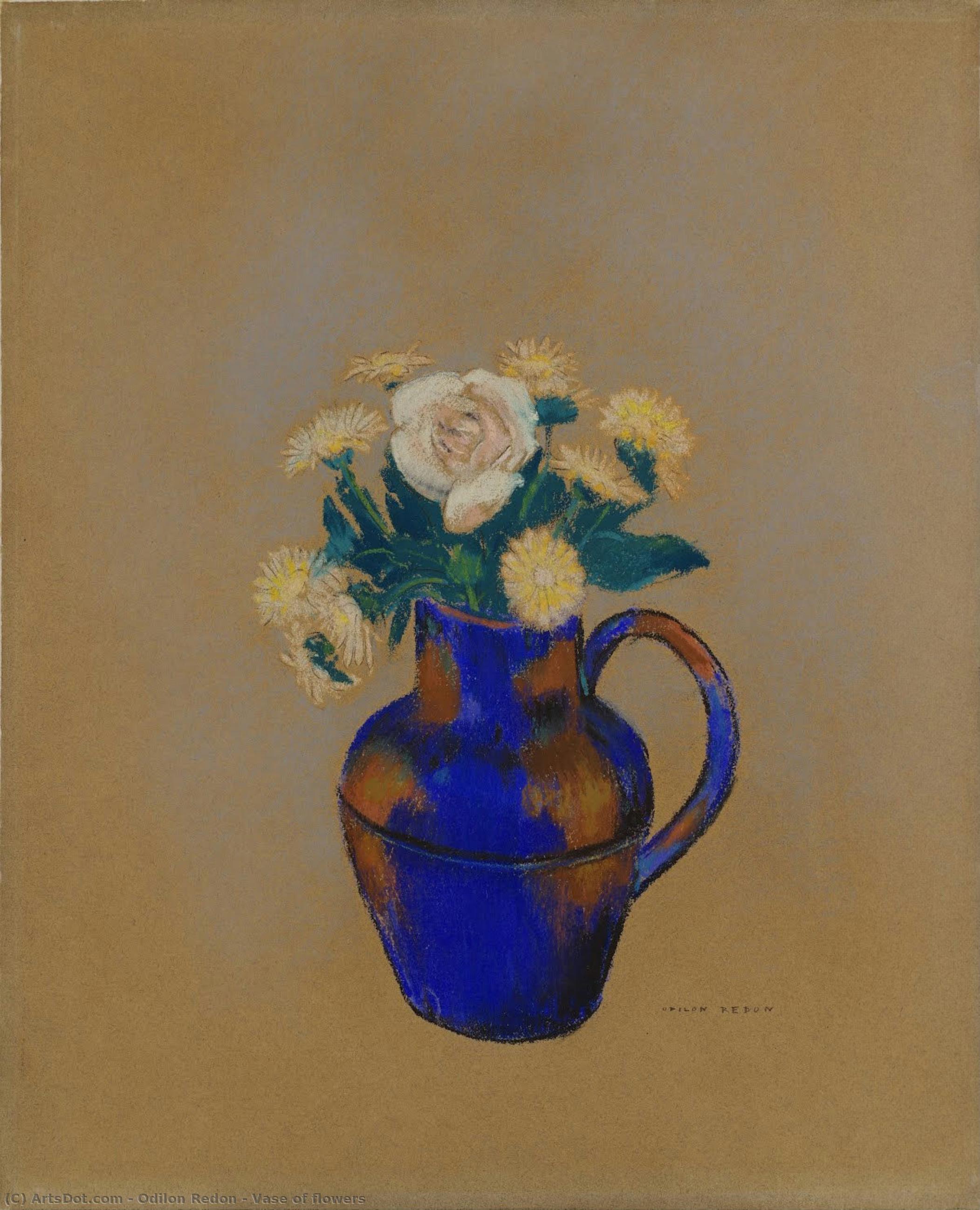
StatsVase of flowers
 Oil
Oil- WallArt
- Symbolism
 1910
1910 45.0 x 37.0 cm
 Marubeni Gallery
 Pročitaj više
Ručno rađena uljana reprodukcija
Ručno oslikano uljanim bojama na platnu u dimenzijama i okviru po vašem izboru, izrađeno po porudžbini od strane naših umetnika. ( Switch to Print Switch to Digital Image)




P118B $10

P118H $10

P118W $10

P438Z $10

P508JH $12

P508YH $12

P805H $10

P805Z $10

P919BZ $10

P919G $10

P919XJ $10

P959ZH $10

P968JZ $12

W106C $8

W218G $10

W218JH $8

W218Y $10

W307PJ $10

W316G $10

W316PJ $8

W316Y $10

W398PJ $8

W4111J $10

W500HY $15

W500JH $15

W692G $12

W849H $8

W940BG $15

W953PJ $8




Izaberite jednu od naših unapred definisanih veličina koje odgovaraju originalnim proporcijama umetničkog dela.

Можете унети сопствене димензије како бисте прилагодили дело одређеном оквиру или простору. Ако одабрана величина не одговара пропорцијама оригинала, слика ће бити исечена или проширена додатним елементима који се ручно насликавају. Дигитални prikaz ће вам бити послат на одобрење пре почетка производње.
Имајте на уму да преглед на екрану не одражава стварно исецање или проширење. Само приказ (mockup) ће тачно приказати коначну композицију.
Иако су доступне прилагођене величине, препоручујемо да одаберете димензију из дефинисане листе како бисте сачували оригиналне пропорције.
Nakon narudžbine, tim ArtsDot.com će klijentu putem e-pošte poslati uputstva i dostaviti prikaz predloženog rešenja
Isporuka širom sveta () za 3/4 nedelje umesto uobičajenih 5 nedelja. (8 септембар). Bez kompromisa po pitanju kvaliteta.

Besplatna ekspresna dostava širom sveta

Visokokvalitetno laneno platno

Kompletno osiguranje transporta

Garancija povraćaja carine i uvoznih dažbina

Garancija vernosti boja

Politika povraćaja u roku od 100 dana (isključivo u slučaju nedostataka)

Garancija povrata novca od 100%

Popust pri grupnoj kupovini
 Opcija sa staklom dostupna je samo za dimenzije manje od 110 cm

Vase of flowers
Tehnika reprodukcije
Dimenzije reprodukcije
-


Konačna cena
$ 263
Odilon Redon’s “Vase of Flowers”: A Dreamscape in Pastel
Odilon Redon's "Vase of Flowers," painted around 1910, isn’t merely a still life; it’s an immersion into the artist’s intensely personal and often unsettling inner world. This captivating work, currently residing within the collections of the Cleveland Museum of Art, exemplifies Redon’s signature style – a haunting blend of Symbolism, Surrealism, and a profound fascination with the hidden realms of imagination. The piece immediately draws the viewer in with its delicate pastel palette, dominated by muted blues, yellows, and greens, creating an atmosphere both serene and subtly unnerving. It's a world where botanical beauty intertwines with a sense of melancholic mystery.
A Painter’s Journey: Redon’s Evolution and Artistic Influences
Born Bertrand Redon in Bordeaux, France, in 1840, Odilon's artistic trajectory was initially shaped by traditional training – architecture and sculpture. However, a pivotal encounter with Jean-Léon Gérôme and Rodolphe Bresdin ignited his passion for drawing and lithography, techniques that would become the foundation of his early explorations into shadowy figures and ambiguous forms. Following the Franco-Prussian War, Redon’s artistic life took a dramatic turn as he began to experiment with “noirs,” intensely dark charcoal drawings reflecting the anxieties and uncertainties of the era. Later in his career, influenced by Japanese art and the writings of Edgar Allan Poe and Charles Baudelaire, Redon transitioned to pastel and oil, embracing a more luminous yet equally dreamlike aesthetic. "Vase of Flowers" represents this later period, showcasing a shift towards vibrant color while retaining the artist’s signature preoccupation with the subconscious.
Deconstructing the Composition: Symbolism and Visual Narrative
The composition itself is deceptively simple yet profoundly layered in meaning. The central focus isn't the flowers themselves, but rather a striking blue vase – an object of quiet elegance that anchors the scene. Notice how Redon deliberately minimizes detail within the floral arrangement, opting for a restrained palette and a sense of distance. The yellow blooms, particularly the delicate white rose, stand out against the muted background, almost glowing with an internal light. This subtle contrast suggests not just color but also emotional intensity. The vase’s placement in the center, slightly off-kilter, creates a feeling of imbalance, mirroring the artist's own exploration of psychological states. The overall effect is reminiscent of a dream – familiar yet subtly unsettling, filled with half-remembered images and emotions.
Beyond the Surface: The Allure of “Appearance”
Redon’s concept of "appearance" – the idea that true art should be felt rather than simply seen – is powerfully embodied in this work. The vase isn't just a container for flowers; it’s a portal to another realm, an embodiment of “apparition.” The hazy background and the almost ethereal quality of the blooms evoke a sense of transience and impermanence. Redon was deeply interested in exploring themes of death, memory, and the subconscious, and "Vase of Flowers" serves as a poignant meditation on these concepts. The painting’s enduring appeal lies not just in its beauty but also in its ability to tap into our own deepest emotions and anxieties – a testament to Redon's profound artistic vision.
Consider commissioning a high-quality reproduction of “Vase of Flowers” to bring this evocative artwork into your home or office. It’s more than just a painting; it’s an invitation to step into the artist’s dreamscape and contemplate the mysteries of the human psyche.
Srodna umetnička dela
Biografija umetnika
Odilon Redon (1840-1916): Between Shadow and Light
Odilon Redon, born Bertrand Jean Redon in Bordeaux, France, on April 20, 1840, was an artist whose profound engagement with the unseen realms of imagination solidified his place as a pivotal figure in Symbolism—a movement that anticipated the Surrealist explorations of the subconscious decades later. His artistic journey began not with grand ambition but with quiet observation; at just ten years old he won a drawing prize—a foreshadowing of the visual sensitivity that would permeate his entire life’s work. Though familial expectations initially steered him toward architecture, Redon's true vocation blossomed amidst instruction from Jean-Léon Gérôme and Rodolphe Bresdin, who instilled in him the meticulous techniques of etching and lithography – skills that became foundational to his early explorations and allowed him to translate the intangible into tangible form. The disruption of the Franco-Prussian War briefly compelled him into military service, yet it was upon his return to Paris that Redon’s artistic vision truly coalesced, shaping a distinctive oeuvre characterized by haunting beauty and unsettling mystery.Early Life & Artistic Training
Redon's childhood was marked by a peculiar blend of solitude and fascination with the natural world. Raised in Bordeaux near his uncle—a botanist who nurtured his intellectual curiosity—he developed an acute sensitivity to color and form, qualities that would become central to his artistic style. At fifteen, he commenced formal study in drawing but, responding to his father’s insistence, reluctantly abandoned architectural pursuits for a more creative path. Despite failing the École des Beaux-Arts entrance examinations, Redon persevered, enrolling under Gérôme—a celebrated academic painter—who honed his skills in realistic representation. However, it was Bresdin's tutelage in etching and lithography that proved transformative, unlocking Redon’s ability to capture elusive moods and textures through printmaking – a medium he would champion throughout his career. This early training instilled in him a disciplined approach to observation and experimentation, shaping the aesthetic bedrock of his future masterpieces.The Birth of Symbolism & Monochrome Explorations
Redon deliberately distanced himself from prevailing artistic trends of his time—rejecting the pursuit of photographic realism in favor of conveying emotional resonance and spiritual contemplation. This decision led directly to his groundbreaking series of “noirs”—monochromatic compositions executed primarily in charcoal and lithography—which became instantly recognizable as emblems of Symbolism. These weren’t merely studies in darkness; they were profound investigations into the subconscious, populated by grotesque creatures, disembodied eyes, and spectral figures emerging from swirling mists – imagery heavily influenced by writers like Edgar Allan Poe and Charles Baudelaire who shared a fascination with the macabre and the suggestive power of art. Critics initially dismissed Redon’s “noirs” as morbid and unsettling, yet they nevertheless captured the essence of Symbolist aesthetics—a preoccupation with mythic themes and an embrace of dreamlike visions. The series demonstrated Redon's mastery of tonal gradation and his ability to evoke psychological depth through minimal visual elements.Lithography & Literary Influences
Redon’s artistic technique was inextricably linked to his intellectual interests, particularly his engagement with literature and philosophy. He meticulously studied the works of Baudelaire, Poe, Dante Gabriel Rossetti, and Henrik Ibsen—authors who explored themes of decay, beauty, and psychological torment—drawing inspiration from their stylistic innovations and conceptual frameworks. Lithography became Redon’s favored medium for translating these literary ideas into visual form; he skillfully manipulated stone to achieve remarkable tonal effects and textural nuances. His prints often served as reinterpretations of literary texts—such as Poe's *The Raven*—demonstrating his conviction that art could illuminate the hidden currents of human experience. The influence of Japanese printmaking, or *Japonism*, is palpable in many of his compositions—particularly those created during his Parisian years—where flattened perspectives and decorative patterns contribute to an otherworldly atmosphere.Later Works & Legacy
Throughout the 1890s, Redon experimented with pastel and oil paints, expanding his palette beyond monochrome and embracing richer hues—though he retained a preference for muted tones that conveyed melancholy and introspection. He exhibited prominently with the Nabis group in 1899—a collective of artists who championed decorative art and sought to liberate painting from academic constraints—solidifying his reputation as a visionary innovator. The Armory Show in New York City in 1913 brought Redon’s work to international attention, establishing him as one of the foremost figures in modern art. His enduring legacy resides not merely in his stylistic achievements but also in his profound contribution to the artistic dialogue of the early twentieth century—a dialogue that continues to inspire artists today. Redon's unwavering commitment to exploring the subconscious and conveying emotional truth cemented his place as a pioneer of Symbolism and Surrealism, ensuring that his haunting visions would resonate across generations.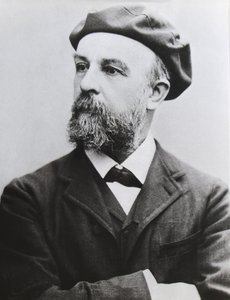
Одилон Редон
1840 - 1916 , Франција
Osnovne informacije
- Artistic Movement Or Style: Симболизам
- Artists Or Movements Influenced By This Artist: ['Суререализам']
- Artists Who Influenced This Artist:
- Жан Леон Гером
- Родоф Бресдин
- Date Of Birth: Април 20, 1840
- Date Of Death: Јул 6, 1916
- Full Name: Odilon Redon
- Nationality: Француски
- Notable Artworks:
- Центаури
- Онес
- Портрет на Жан Редон
- Place Of Birth: Бордо, Француска
Povezani članci
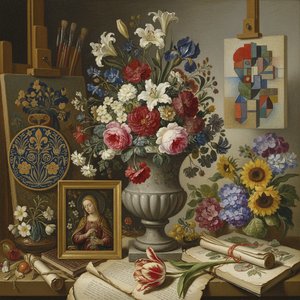
Blossoming Symbolism: A Historical Journey Through Flowers in Western Painting
Explore the rich history of flower symbolism in Western painting! Discover how artists from the Renaissance to Modernism used blossoms to convey meaning, emotion & beauty. Learn about iconic artworks and movements.
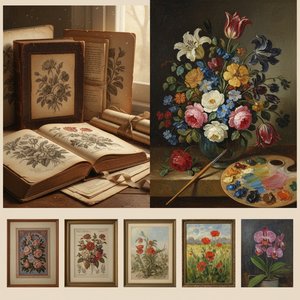
Blossoms of Time: A Historical Journey Through Flower Painting
Explore the captivating history of flower painting! Discover Dutch masters, symbolic meanings, & botanical art. Expert insights & high-quality reproductions at ArtsDot.
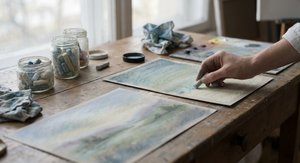
The Subdued Radiance of Pastel: Exploring Nuance & Emotion in Art
Explore the nuanced world of pastel art! Discover its history, techniques & emotional power with expert insights from ArtsDot.com. Find museum-quality reproductions and learn about collecting this delicate medium.
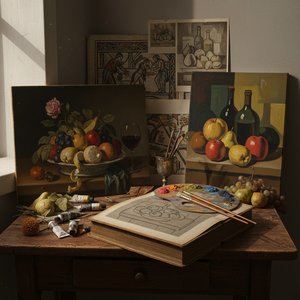
Silent Narratives: Exploring the Enduring Appeal of Still Life Painting Across Centuries
Explore the rich history of still life painting with ArtsDot. Discover Dutch Masters, decode vanitas symbolism & learn about collecting timeless art. Expert insights and museum-quality reproductions.
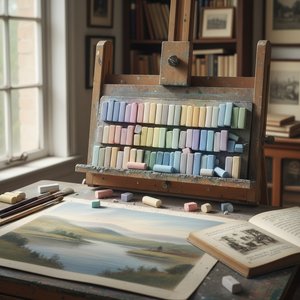
The Subtleties of Pastel: A Comprehensive Exploration of Technique, History & Emotional Resonance
Explore the captivating world of pastel art! Discover its rich history, Impressionistic masters like Degas, emotional power & unique techniques. Find museum-quality reproductions at ArtsDot.