

 Pregledaj u prostoru
 Pošalji
 Podeli
 Detalji o delu

 Преузми
 Slični predmeti
 Rendgenski snimak
 Slajdovi
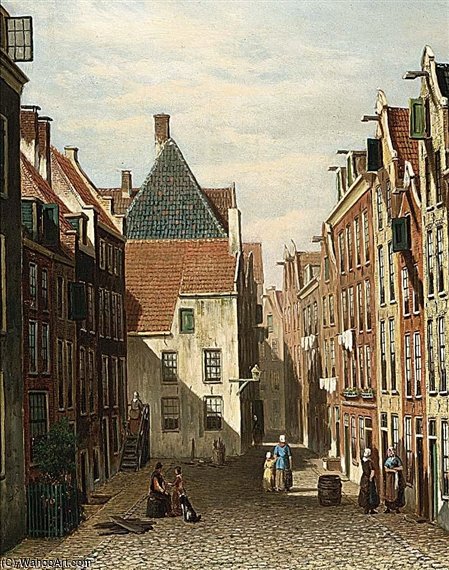
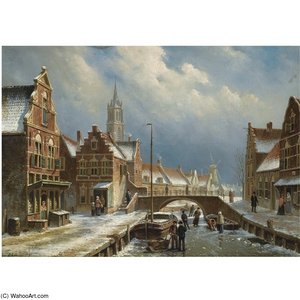
A Street Scene In A Dutch Town
 Pročitaj više
Giclee štampa / Umetnički otisak
Giclée štampa ili print na platnu muzejskog kvaliteta uz brzu proizvodnju i fleksibilne opcije završne obrade. ( Kupi ručno naslikanu sliku Kupi digitalnu sliku)




































Izaberite jednu od naših unapred definisanih veličina koje odgovaraju originalnim proporcijama umetničkog dela.

Možete uneti sopstvene dimenzije kako biste umetničko delo prilagodili specifičnom okviru ili prostoru. Ako odabrani format ne odgovara proporcijama originalne slike, mi ćemo ili iscrtati deo dela ili proširiti sliku pomoću ogledane ivice ili jednobojnog popunjavanja. Digitalni prikaz će vam biti poslat na odobrenje pre početka proizvodnje.
Imajte na umu da pregled na ekranu ne odražava stvarno iscrtavanje ili proširivanje. Samo će prikaz (mockup) precizno pokazati finalnu kompoziciju.
Iako su prilagođene dimenzije dostupne, preporučujemo da odaberete dimenziju sa unapred definisane liste kako biste očuvali originalne proporcije.
Dostava širom sveta () za 2 nedelje umesto uobičajenih 4/5 nedelja. (24 август)

Besplatna ekspresna dostava širom sveta

Visokokvalitetno laneno platno

Kompletno osiguranje transporta

Garancija povraćaja carine i uvoznih dažbina

Garancija vernosti boja

Politika povrata u roku od 60 dana (samo u slučaju nedostataka)

Garancija povrata novca od 100%

Popust pri grupnoj kupovini
 Opcija sa staklom dostupna je samo za dimenzije manje od 110 cm

A Street Scene In A Dutch Town
Giclee štampa / Umetnički otisak
Dimenzije reprodukcije
-


Konačna cena
$ 62
Srodna umetnička dela
Biografija umetnika
The Frozen Echoes of Amsterdam: The Life and Art of Oene Romkes De Jongh
In the quiet, frost-touched corners of nineteenth-century Dutch art, few names evoke the nostalgic chill of a winter evening quite like Oene Romkes De Jongly. Born in 1812 in the picturesque village of Makkum, Friesland, De Jongh would eventually become a master of atmosphere, a painter who did not merely depict landscapes but captured the very soul of a bygone era. While much of his personal history remains shrouded in the soft mists of time, his artistic legacy is vividly preserved through his evocative cityscapes, which serve as windows into the frozen heart of Amsterdam during the Romantic period.
De Jongh’s journey from the Frisian countryside to the bustling urban centers of the Netherlands was marked by a profound engagement with the evolving styles of his contemporaries. His formative years in Haarlem provided him with a rigorous foundation, most notably under the tutelage of Anton Mauve. As a prominent figure of the Hague School, Mauve’s dedication to realism and the subtle interplay of light and shadow left an indelible mark on De Jong and instilled in him a meticulous approach to color blending. This training allowed De Jongh to move beyond simple topographical recording, enabling him to infuse his canvases with a palpable sense of melancholy and quietude.
A Master of Light and Winter Atmosphere
The true brilliance of De Jongh’s oeuvre lies in his ability to transform the mundane reality of a frozen canal into a stage for poetic reflection. He was deeply influenced by the works of Cornelis Springer and Adrianus Eversen, whose detailed architectural renderings and atmospheric depth helped shape his distinctive vision. Through their influence, De Jongh mastered the art of the "winter cityscape," a genre where he excelled by focusing on the following elements:
- The delicate, silvery light of overcast winter skies that softens the edges of the city.
- The warm, inviting glow of lamplight reflecting off icy surfaces and snow-covered cobblestones.
- The lively yet tranquil movement of daily life, from skaters gliding across frozen canals to bustling marketplaces.
- A profound sense of nostalgia, capturing the architectural grandeur of Amsterdam before the era of modern industrial change.
His paintings, such as the celebrated View Of The Zuiderkerk or his depictions of the Munttoren, are characterized by a remarkable attention to detail. Every crack in the ice and every shadow cast by a historic building is rendered with a precision that speaks to his disciplined technique. Yet, beneath this technical mastery lies a romantic heart; his work often feels like a dreamlike recollection of a peaceful, slower-paced world.
Legacy and Historical Significance
Though De Jongh may not have sought the international fame of some of his more flamboyant contemporaries, his contribution to the Dutch Romantic tradition is significant. He occupied a unique space in art history, bridging the gap between the meticulous realism of the earlier masters and the atmospheric, tonal explorations of the Hague School. His ability to document the Zuiderzee harbors and the winding canals of Amsterdam provides historians with a visual treasury of nineteenth-century Dutch life.
Today, his works remain cherished by collectors and museums alike, serving as enduring reminders of the beauty found in stillness. To look upon a De Jongh painting is to experience more than just a landscape; it is to feel the crispness of the winter air and to hear the distant, muffled sounds of a city at rest. His art remains a testament to the power of observation and the ability of a single brushstroke to preserve the fleeting magic of a frozen moment in time.
oene romkes de jongh
1812 - 1896 , Netherlands
Osnovne informacije
- Artistic Movement Or Style: Romantic Dutch cityscape
- Artists Or Movements Influenced By This Artist: ['Romantic Dutch cityscape']
- Artists Who Influenced This Artist:
- Cornelis Springer
- Adrianus Eversen
- Date Of Death: 1896
- Full Name: Oene Romkes de Jongh
- Nationality: Dutch
- Notable Artworks:
- De Nieuwe Zijds Voorburgwal vóór de demping, tussen de Pijpenmarkt en de Weessluis
- Summer
- Figures On A Frozen Canal In A Dutch Town
- Place Of Birth: Makkum, Netherlands

