Meni
BESPLATNE KONSULTACIJE SA STRUČNJAKOM ZA UMETNOST
Pregledaj u prostoruPregledaj u prostoru AR pregledAR pregled Kupi print Kupi printKupi ručno naslikanu sliku Kupi ručno naslikanu sliku PošaljiPošalji
Detalji o deluDetalji o delu Dodaj u omiljene Dodaj u omiljene ПреузмиПреузми Slični predmetiSlični predmeti Rendgenski snimakRendgenski snimak SlajdoviSlajdovi

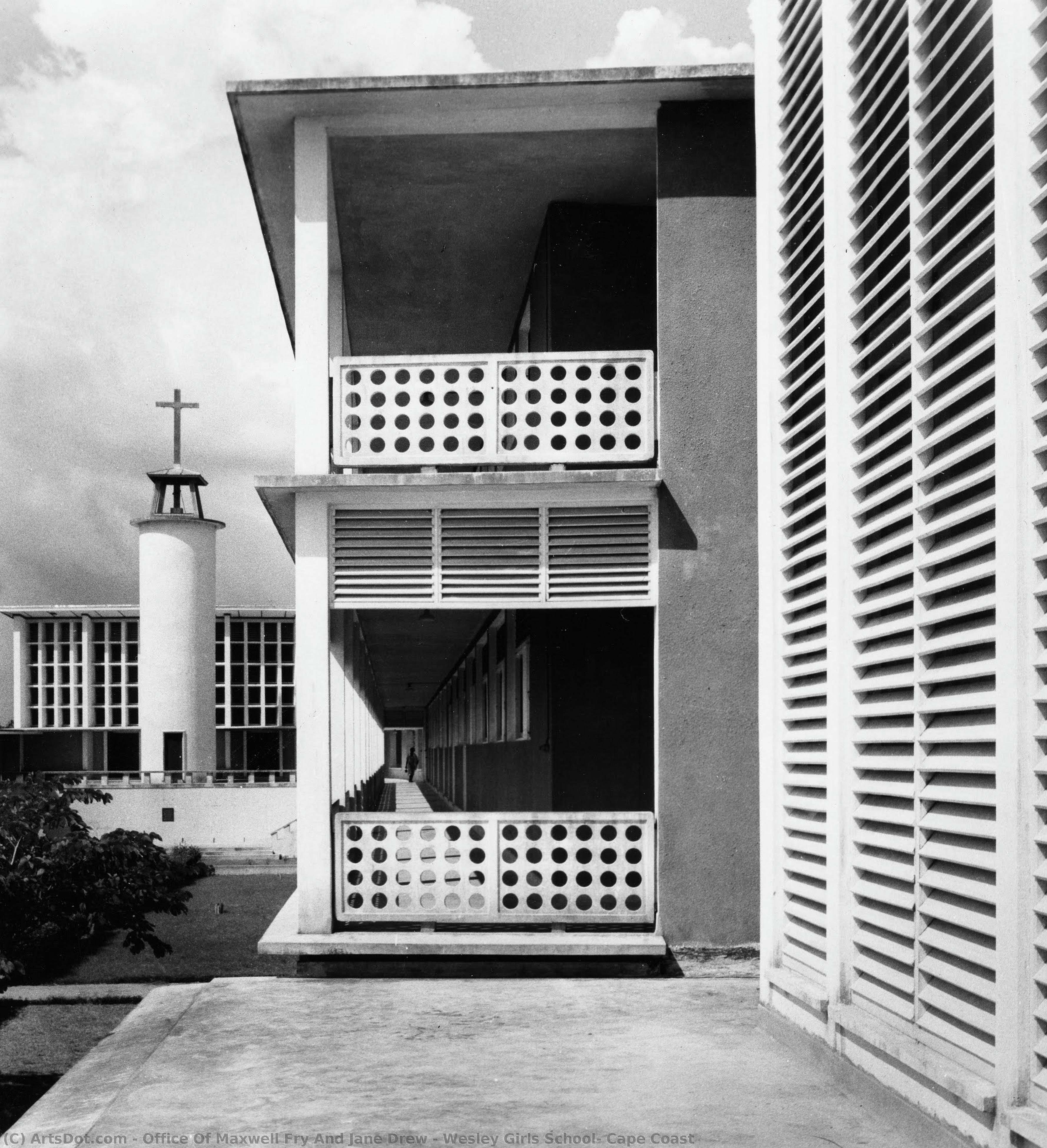
Wesley Girls School, Cape Coast

Explore the modernist masterpiece Wesley Girls School, Cape Coast by Fry Drew & Partners! Designed in 1947, this iconic building exemplifies Tropical Modernism's innovative blend of function and climate adaptation.

Explore the pioneering work of Maxwell Fry & Jane Drew, British modernist architects who shaped designs globally, notably Chandigarh, India. Discover their innovative legacy blending modernism with local contexts.

Kupite digitalnu sliku visoke rezolucije i poboljšanog kvaliteta, koja je znatno superiornija od onoga što vidite u online prikazu.

Svaka datoteka je pedantno pripremljena od strane naših stručnjaka koristeći napredne alate i profesionalnu ručnu retušu. Osiguravamo da svaka slika ima izuzetnu oštrinu, preciznu reprodukciju boja i fine detalje.

Konačna datoteka se dostavlja putem e-pošte u roku od 72 sata, optimizovana za neposrednu upotrebu u profesionalnim, izdavačkim i štamparskim okruženjima. To je isti kvalitet kojem veruju vrhunski studiji dizajna, izdavači i galerije.

Digitalna slika

Preuzmite datoteku visoke rezolucije za ličnu upotrebu, štampanje i kreativne projekte. (Kupi print Kupi printKupi ručno naslikanu sliku Kupi ručno naslikanu sliku)

Ukupna cena

$ 24,00

Uključeno uz svaku porudžbinu digitalne slike

Profesionalna digitalna isporuka, zagarantovana

Kada odaberete ArtsDot.com, ne dobijate samo sliku – vi primate profesionalno unapređeno digitalno umetničko delo, izrađeno sa najvećom preciznošću i uz garanciju zadovoljstva. Evo svega što automatski dolazi uz vašu porudžbinu:

shipping_icon
Brza dostava putem e-pošte

Vaša digitalna slika visoke rezolucije biće vam poslata putem e-pošte u roku od 72 sata od poručivanja – spremna za trenutnu upotrebu.

canvas_icon
Digitalna datoteka unapređena veštačkom inteligencijom

Vaše umetničko delo je profesionalno optimizovano korišćenjem naprednih AI alata i ručne obrade, čime se osiguravaju maksimalni detalji, oštrina i preciznost boja.

insurance_icon
Besplatna ponovna isporuka doživotno

Slučajno ste obrisali ili izgubili svoju datoteku? Ne brinite – poslaćemo vam je ponovo u bilo kom trenutku, potpuno besplatno.

tax_icon
Bez troškova uvoza – zauvek

Uživajte u svojim umetničkim delima trenutno, bez carine, dažbina ili troškova dostave – digitalni download je uvek bez poreza.

color_icon
Garancija vernosti boja

Uz pomoć profesionalnih alata i upravljanja bojama, osiguravamo da vaša digitalna slika što vernije odražava originalne boje.

return_icon
Garancija zadovoljstva u roku od 60 dana

Ako niste zadovoljni svojom digitalnom slikom, revidirat ćemo je ili vratiti 100% novca u roku od 60 dana – bez ikakvih pitanja.

guarantee_icon
100% garancija povrata novca

Niste zadovoljni? Obezbedite pun povrat novca u roku od 60 dana od trenutka kada ste primili svoju digitalnu datoteku – bez suvišnih pitanja.

discount_icon
Popusti na velike porudžbine

Kupite 3 slike, uštedite 10% - Kupite 5 slika, uštedite 15% - Kupite 10+ slika, uštedite 20%. Odlično za kreativne projekte, galerije i agencije.

Osnovne informacije

  • Artistic style: Modernist
  • Year: 1947
  • Movement: Tropical Modernism
  • Influences: Bauhaus
  • Subject or theme: Education
  • Artist: Office of Maxwell Fry and Jane Drew
  • Location: Google Arts & Culture

Kviz o umetnosti

Svako pitanje ima samo jedan tačan odgovor.

Pitanje 1:
What architectural style is Wesley Girls School, Cape Coast primarily characterized by?
Pitanje 2:
Who designed Wesley Girls School, Cape Coast?
Pitanje 3:
The photograph emphasizes what aspect of the building's design?
Pitanje 4:
What was the primary purpose of Fry and Drew’s involvement in designing buildings in West Africa?
Pitanje 5:
What is the symbolic significance of the clock tower featured in the photograph?

Wesley Girls School, Cape Coast – A Testament to Tropical Modernism

The photograph captures a striking example of Tropical Modernism, born from the confluence of European architectural innovation and the urgent need for social reform in postcolonial Ghana. Designed by Fry, Drew & Partners in 1947, the Wesley Girls School dormitory block stands as a monument to this influential aesthetic – a deliberate rejection of Victorian grandeur in favor of functionality, simplicity, and responsiveness to climatic conditions. The image itself is meticulously composed, prioritizing architectural detail while subtly conveying a sense of optimism and progress.
  • Composition & Perspective: The photograph’s angled perspective offers a dynamic view of the building's façade, avoiding a static frontal presentation. Strong vertical lines created by the windows emphasize structural integrity and contribute to visual depth, guiding the viewer’s gaze upwards towards the roofline.
  • Color Palette & Light: Strikingly devoid of color, the grayscale tones highlight textural variations within the concrete walls – evidence of careful consideration for the tropical climate. Diffused daylight illuminates the building evenly, minimizing harsh shadows and fostering a serene atmosphere.
  • Architectural Style: Fry Drew’s design embodies the core tenets of Tropical Modernism: clean lines, geometric forms (primarily rectangular), and expansive glazing to maximize ventilation and minimize heat gain. The building's austere materiality—concrete reinforced with steel—reflects both durability and a commitment to rational construction techniques.

Maxwell Fry & Jane Drew – Pioneers of Adaptive Modernism

The Office of Maxwell Fry and Jane Drew, later Fry, Drew & Partners, emerged as pivotal figures in shaping British architectural thought during the postwar era. Recognizing the limitations of applying European modernist principles to tropical environments, Fry and Drew championed a collaborative vision that prioritized local needs alongside global design standards. Their approach wasn’t merely about constructing buildings; it was about fostering social cohesion and empowering communities through thoughtful spatial organization—a philosophy deeply rooted in humanist values.
  • Collaborative Vision: Fry and Drew's partnership exemplifies the spirit of innovation that characterized their time, blending European modernist ideals with sensitivity to climatic conditions and cultural context.
  • The Colonial Context: Their work in Ghana was undertaken during a period of significant social transformation—a conscious effort by British colonial governments to invest in education and infrastructure while simultaneously addressing pressing challenges faced by African societies.
  • Influence Beyond Borders: Fry Drew’s legacy extends far beyond Britain, influencing architectural developments across India, Iran, and numerous other nations where their designs championed sustainable practices and promoted a harmonious relationship between buildings and landscapes.

Symbolism & Emotional Resonance – A Beacon of Hope

The Wesley Girls School dormitory block transcends its physical form to embody broader aspirations for social advancement and cultural enrichment. The clock tower, positioned slightly off-center, serves as a visual reminder of time—a symbol of tradition alongside the embrace of modern design principles. More profoundly, however, the building represents optimism—a conviction that rational architecture could contribute to creating a brighter future for Ghana’s young women.
  • Functionality & Form: The building's minimalist aesthetic speaks to Fry Drew’s belief in prioritizing functionality over ornamentation—a deliberate rejection of Victorian excess and an affirmation of humanist values.
  • Climate Adaptation: Its design reflects a profound understanding of tropical climate—maximizing ventilation, minimizing heat gain, and utilizing durable materials to withstand extreme weather conditions.
  • Cultural Significance: The Wesley Girls School embodies Ghana’s commitment to education and empowerment—a testament to Fry Drew's vision of architecture as a catalyst for social progress and cultural renewal.


Technical Considerations – Craftsmanship & Material Innovation

Fry Drew’s mastery of Tropical Modernism is evident in the meticulous execution of their design—a fusion of European architectural techniques with locally sourced materials adapted to climatic conditions. The use of reinforced concrete—a relatively new material at the time—demonstrates a commitment to rational construction methods and ensures structural stability. Furthermore, expansive glazing maximizes natural light penetration while promoting airflow—essential strategies for maintaining comfortable indoor temperatures in Ghana’s humid climate.

Concluding Remarks – An Enduring Legacy

The Wesley Girls School dormitory block stands as a timeless emblem of Tropical Modernism—a testament to Fry Drew & Partners' pioneering spirit and their unwavering belief in architecture’s capacity to shape societies for the better. Its enduring appeal lies not only in its aesthetic beauty but also in its profound symbolic significance—a beacon of hope illuminating the path toward progress, sustainability, and cultural enrichment.

Biografija umetnika

Pioneering Modernism: The Collaborative Vision of Maxwell Fry and Jane Drew

The story of the Office of Maxwell Fry and Jane Drew, later evolving into Fry, Drew and Partners, is a compelling narrative of architectural innovation deeply intertwined with the social and political currents of the mid-20th century. Emerging in post-war Britain, their practice wasn’t simply about erecting buildings; it was about forging a new way of life through design – one that embraced modernist principles while remaining acutely sensitive to context, climate, and cultural nuance. Established in 1950, the firm quickly distinguished itself as a beacon of progressive thought, challenging conventional architectural norms and championing a humanistic approach to building. Their influence resonated far beyond the United Kingdom, leaving an indelible mark on landscapes as diverse as India, Ghana, and Iran. The partnership’s strength lay not only in their shared vision but also in their individual strengths: Maxwell Fry's early exposure to vernacular architecture during his time in India, coupled with Jane Drew’s commitment to social housing and functional design, created a powerful synergy that defined their work.

Formative Years and Influences

Maxwell Fry’s architectural journey began with classical training but swiftly pivoted towards the burgeoning modernist movement. His experiences working in India during the 1920s proved transformative, instilling within him a deep appreciation for indigenous building techniques and an understanding of how architecture could respond to specific environmental challenges. This wasn't about imposing a style; it was about adapting principles to create truly functional and harmonious spaces. Jane Drew, graduating from the Architectural Association in 1934, absorbed the tenets of functionalism and rational design while working with prominent modernist architects like Wells Coates and Ernő Goldfinger. However, her focus extended beyond aesthetics – she possessed a profound understanding of human needs, particularly within the realm of social housing. Both Fry and Drew were captivated by the ideas emanating from the Bauhaus and the architectural philosophies of Le Corbusier, but they weren’t slavish imitators. They recognized the need to translate these principles into a distinctly British idiom and, crucially, to adapt them for use in vastly different climates and cultural settings. Their travels throughout Europe broadened their understanding of modernist trends, informing their designs with a cosmopolitan sensibility.

A Legacy in Concrete and Light: Key Projects

The Office of Maxwell Fry and Jane Drew undertook an extraordinarily diverse range of projects, demonstrating their versatility and commitment to architectural problem-solving. Perhaps their most significant undertaking was their pivotal role in the planning and design of Chandigarh, India – a new capital city envisioned as a symbol of post-independence progress. Working alongside Le Corbusier, they were responsible for key government buildings and housing schemes, skillfully integrating modernist principles with Indian traditions and materials. This wasn’t simply about transplanting European designs; it was about creating a uniquely Indian modernism. Another notable achievement was the Wesley Girls School in Cape Coast, Ghana. This project exemplified their dedication to providing quality educational facilities in tropical climates, employing passive ventilation techniques and locally sourced materials to create comfortable and sustainable learning environments. Back in Britain, they designed numerous housing estates, prioritizing affordability, functionality, and a sense of community. These weren’t merely dwellings; they were intended as catalysts for social cohesion and improved living standards. Their architectural approach was consistently characterized by a focus on functionalism – the belief that form should follow function – simple geometric forms, restrained aesthetics, an emphasis on natural light and ventilation, and a deep respect for local contexts.

Evolution and Enduring Significance

The inclusion of Lindsey Drake and Denys Lasdun in 1952 marked a period of significant growth and innovation for the practice, becoming Fry, Drew, Drake and Lasdun. While Lasdun eventually established his own firm, the core principles championed by Fry and Drew continued to guide their work. Their legacy extends far beyond individual buildings; they were instrumental in promoting modernist architecture throughout the British Empire and beyond, demonstrating its adaptability and potential for positive social impact. They challenged traditional colonial architectural practices, advocating for a more equitable and responsive approach to building design in developing nations. Their commitment to social housing, coupled with their innovative use of materials and techniques, profoundly influenced subsequent generations of architects. The office’s international scope and its ability to seamlessly blend modernist principles with local traditions cemented their place as pioneers of global modernism. Maxwell Fry and Jane Drew didn't just design buildings; they designed for people, creating spaces that were not only aesthetically pleasing but also functional, sustainable, and deeply rooted in the communities they served. Their work continues to inspire architects today, reminding us of the power of architecture to shape a better future.