

 Pregledaj u prostoru
 Pošalji
 Podeli
 Detalji o delu

 Преузми
 Slični predmeti
 Rendgenski snimak
 Slajdovi
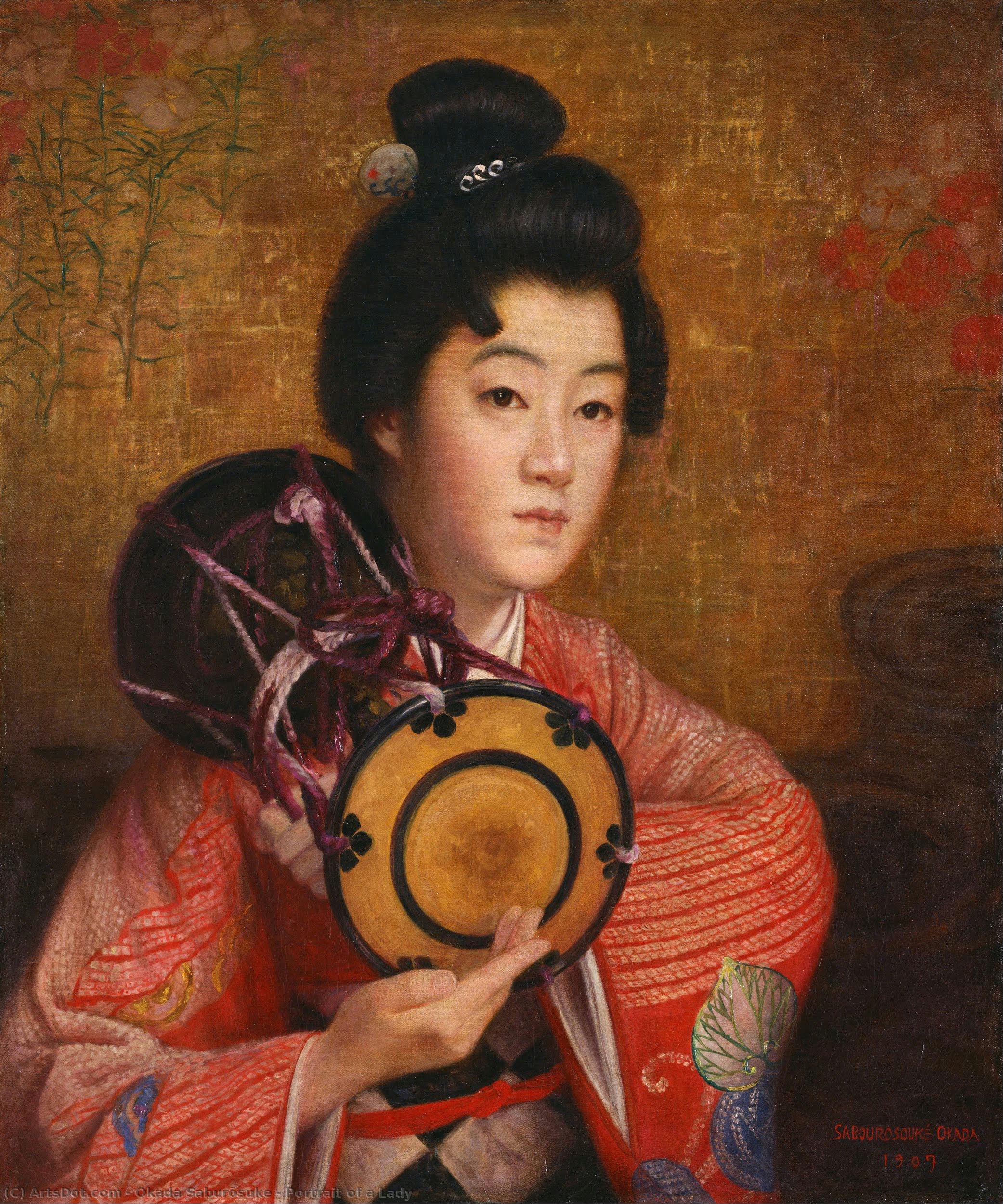
Portrait of a Lady
 Acrylic On Canvas
- WallArt
- Japanese Yōga Painting
 1907
1907- 19th Century
 615.0 x 733.0 cm
 Artizon Museum
 Pročitaj više
Ručno rađena uljana reprodukcija
Ručno oslikano uljanim bojama na platnu u dimenzijama i okviru po vašem izboru, izrađeno po porudžbini od strane naših umetnika. ( Kupi print Kupi digitalnu sliku)




P118B $10

P118H $10

P118W $10

P438Z $10

P508JH $12

P508YH $12

P805H $10

P805Z $10

P919BZ $10

P919G $10

P919XJ $10

P959ZH $10

P968JZ $12

W106C $8

W218G $10

W218JH $8

W218Y $10

W307PJ $10

W316G $10

W316PJ $8

W316Y $10

W398PJ $8

W4111J $10

W500HY $15

W500JH $15

W692G $12

W849H $8

W940BG $15

W953PJ $8




Izaberite jednu od naših unapred definisanih veličina koje odgovaraju originalnim proporcijama umetničkog dela.

Можете унети сопствене димензије како бисте прилагодили дело одређеном оквиру или простору. Ако одабрана величина не одговара пропорцијама оригинала, слика ће бити исечена или проширена додатним елементима који се ручно насликавају. Дигитални prikaz ће вам бити послат на одобрење пре почетка производње.
Имајте на уму да преглед на екрану не одражава стварно исецање или проширење. Само приказ (mockup) ће тачно приказати коначну композицију.
Иако су доступне прилагођене величине, препоручујемо да одаберете димензију из дефинисане листе како бисте сачували оригиналне пропорције.
Nakon narudžbine, tim ArtsDot.com će klijentu putem e-pošte poslati uputstva i dostaviti prikaz predloženog rešenja
Isporuka širom sveta () za 3/4 nedelje umesto uobičajenih 5 nedelja. (21 август). Bez kompromisa po pitanju kvaliteta.

Besplatna ekspresna dostava širom sveta

Visokokvalitetno laneno platno

Kompletno osiguranje transporta

Garancija povraćaja carine i uvoznih dažbina

Garancija vernosti boja

Politika povrata u roku od 60 dana (samo u slučaju nedostataka)

Garancija povrata novca od 100%

Popust pri grupnoj kupovini
 Opcija sa staklom dostupna je samo za dimenzije manje od 110 cm

Portrait of a Lady
Tehnika reprodukcije
Dimenzije reprodukcije
-


Konačna cena
$ 263
Opis umetničkog dela
Portrait of a Lady – A Symphony of Tradition and Modernity
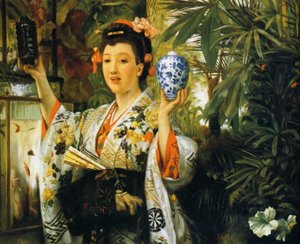
This arresting portrait, completed in 1907 by Okada Saburosuke, transcends the simple depiction of a woman playing a drum; it’s a meticulously crafted dialogue between Japan's rich artistic heritage and the burgeoning influence of Western modernity. The subject, Takahashi Chiyoko, wife of the influential tea practitioner and Mitsukoshi Drapery Store manager Takahashi Yoshio (Soan), embodies both traditional elegance and contemporary ambition. Her posture, the flowing lines of her kimono adorned with Genroku-era motifs – a deliberate nod to the mid-Edo period’s opulent aesthetic – speaks volumes about Soan's desire for a revival of classical Japanese design within his modernization efforts at Mitsukoshi.
- The Artist: Okada Saburosuke – A Bridge Between Worlds
- A Fusion of Styles – Yōga and Traditional Echoes
- Symbolic Layers – Birds, Screens, and the Ritual of Tea
- Historical Context – The Mitsukoshi Project and a New Aesthetic
The Artistry of Okada Saburosuke: Technique and Vision
Okada Saburosuke’s skill as a Yōga painter, the Western-style realism prevalent in Japan at the time, is strikingly evident. His meticulous brushwork captures Chiyoko's likeness with remarkable detail, particularly in her expressive eyes and the delicate texture of her kimono fabric. The Rimpa-style bird-and-flower screen behind her – a classic element of Japanese interior design – isn’t merely a backdrop; it’s integrated seamlessly into the composition, creating depth and reinforcing the painting's connection to established artistic conventions. The use of gold leaf in the screen adds a luminous quality, reflecting Okada’s study of European techniques, particularly his time spent in Paris.
Symbolism and Narrative: Unpacking the Layers
Beyond the immediate portrait, the artwork is rich with symbolic meaning. The birds, recurring motifs in Japanese art, often represent longevity and good fortune. The inclusion of a vase and bowl suggests themes of hospitality and refinement – key elements within the tea ceremony, which Soan practiced diligently. Chiyoko’s posture while playing the drum could be interpreted as a representation of rhythm and harmony, central to both music and the Japanese aesthetic sensibility. Her attire, specifically referencing the tate-hyogo hairstyle, further anchors the piece in its historical context – a deliberate choice reflecting Soan's commitment to honoring tradition.
A Window into a Transforming Japan: 1907 and Beyond
Completed in 1907, this painting represents a crucial moment in Japanese art history. Okada Saburosuke’s work reflects the broader cultural shifts occurring at the time – the modernization of Mitsukoshi, Soan's innovative approach to design, and Okada’s own evolving artistic practice. His Parisian studies had profoundly shaped his perspective, allowing him to synthesize Western techniques with a deep understanding of Japanese aesthetics. This painting stands as a testament to that synthesis, offering a captivating glimpse into a Japan poised between tradition and modernity, a world where the echoes of Genroku could be reimagined for a new generation.
Srodna umetnička dela
Biografija umetnika
Okada Saburōsuke: Bridging Tradition and Modernity in Japanese Yōga Painting
Okada Saburōsuke (1869-1939), born in Saga, Japan, stands as a pivotal figure in the development of Japanese Yōga painting – a style deeply rooted in Western realism but infused with uniquely Japanese sensibilities. His life’s work represents a fascinating dialogue between traditional artistic values and the burgeoning influence of European art movements, ultimately forging a distinctive voice within the early 20th-century Japanese art scene. From humble beginnings as the son of a former samurai retainer to his role as a respected professor and influential mentor, Okada's journey reflects both personal dedication and a profound engagement with the changing artistic landscape of his time.Early Life and Artistic Foundations
Saburosuke’s early life was steeped in an environment that subtly nurtured his artistic inclinations. Born into a family connected to the prestigious Nabeshima clan, he received an education that included exposure to Western-style painting at a young age. This initial introduction proved transformative, sparking a lifelong passion for capturing the world through a realistic lens. He began his formal training at the Tokyo Bijutsu Gakkō (School of Fine Arts), diligently mastering the techniques of oil paint and composition – hallmarks of Yōga. Crucially, he benefited from the tutelage of influential figures like Soyama Yukihiko, who instilled in him a deep appreciation for landscape painting, and later, Horie Masaaki, further refining his skills. The influence of these mentors shaped his early style, laying the groundwork for his future explorations.The Influence of Kuroda Seiki and European Techniques
A turning point in Okada’s artistic development occurred with his encounter with Kuroda Seiki, a leading figure in the Japanese Yōga movement who had recently returned from studying in France. Kuroda introduced Okada to the principles of *plein-air* painting – working directly outdoors to capture the fleeting effects of light and atmosphere – and exposed him to the innovations of the Barbizon School. This exposure proved pivotal, shifting Okada’s focus towards a more direct and observational approach to his art. He also benefited from the guidance of Raphael Collin, a French painter who had established himself in Paris and was known for his ability to blend academic techniques with Impressionistic sensibilities. Collin's influence is particularly evident in Okada’s portraits, which are characterized by their delicate rendering of skin tones and subtle use of light and shadow.Notable Works and Artistic Style
Okada Saburōsuke’s artistic style was marked by a remarkable balance between Western realism and Japanese aesthetics. His paintings frequently depicted scenes of nature – lush landscapes, vibrant flowers, and serene waterscapes – often imbued with a sense of quiet contemplation. He also skillfully tackled historical and mythological subjects, blending traditional narratives with contemporary techniques. Among his most celebrated works are “Bridge in Grez-sur-Loing,” a captivating depiction of French rural life that showcases his ability to capture the essence of urban and natural environments; "Yomotsuhirasaka," an evocative rendering of Mount Fuji shrouded in mist, demonstrating his mastery of atmospheric perspective; and “Composition: Still Life with Fireplace,” which exemplifies his meticulous attention to detail and his talent for conveying a sense of domestic tranquility. His portraiture, particularly the iconic “Portrait of a Lady,” is notable for its elegant composition and subtle psychological depth.Legacy and Impact on Japanese Art
Okada Saburōsuke’s legacy extends far beyond his individual creations. He played a crucial role in shaping the trajectory of Yōga painting in Japan by establishing the Hongo Painting Institute, where he mentored a generation of aspiring artists. His emphasis on observation, technical skill, and a harmonious blend of Western realism with Japanese sensibilities profoundly influenced subsequent generations of painters. His work continues to be celebrated for its beauty, technical mastery, and its ability to evoke a sense of both serenity and profound emotion. The Murauchi Art Museum in Tokyo houses many of his significant works, ensuring that his artistic contributions remain accessible to the public. Okada Saburōsuke’s impact is undeniable – he stands as a testament to the power of cross-cultural exchange and the enduring appeal of Yōga painting.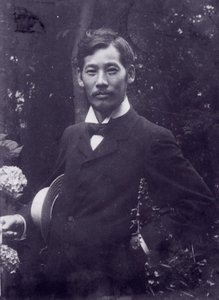
okada saburōsuke
1869 - 1939 , Japan
Osnovne informacije
- Artistic Movement Or Style: Yōga (Western-style painting)
- Artists Or Movements Influenced By This Artist: ['Generations of Japanese painters']
- Artists Who Influenced This Artist:
- Soyama Yukihiko
- Horie Masaaki
- Kuroda Seiki
- Kume Keiichiro
- Raphaël Collin
- Date Of Birth: January 12, 1869
- Date Of Death: September 23, 1939
- Full Name: Okada Saburōsuke
- Nationality: Japanese
- Notable Artworks:
- Portrait of a Lady
- Bridge in Grez-sur-Loing
- Yomotsuhirasaka
- Escape from the land of the dead
- Composition: Still life with fireplace
- Place Of Birth: Saga, Japan
Povezani članci

Katsushika Hokusai: 25 Remek-dela Japanskog Umetnika za Vaš Dom | ArtsDot
Uronite u svet Katsushike Hokusaija! Otkrijte 25 remek-dela japanskog umetnika, uključujući čuveni 'Veliki talas'. Ukiyo-e štampe, pejzaži i istorija iza svakog dela. Pronađite inspiraciju za dekor enterijera i kupite reprodukcije slika vrhunskog kvaliteta na ArtsDot.com.
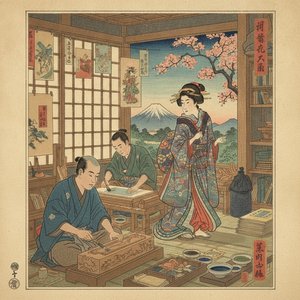
Floating World: The Captivating Art and Legacy of Japanese Ukiyo-e
Explore the profound beauty of Japanese Ukiyo-e. Discover the history, masters like Hokusai, and the enduring legacy of the 'Floating World' through an expert art-historical lens.
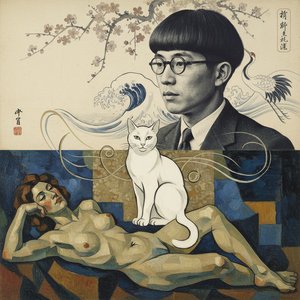
Léonard Foujita: A Poetic Synthesis of Japanese Sensibility & European Modernism
Discover the captivating world of Léonard Foujita, a master bridging Japanese aesthetics & European Modernism. Explore his signature style, diverse works, and enduring legacy – essential reading for discerning art collectors.
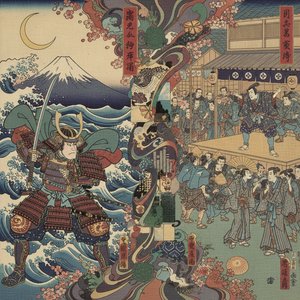
Utagawa Kuniyoshi: A Master of Japanese Ukiyo-e – Narrative Innovation & the Fusion of Tradition with Popular Culture
Explore the captivating world of Utagawa Kuniyoshi, a master of Japanese ukiyo-e woodblock prints. Discover his innovative warrior scenes, vibrant landscapes & lasting legacy in 19th-century art history.
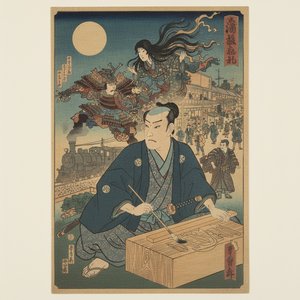
Tsukioka Yoshitoshi: A Master of Ukiyo-e's Final Flourish – Narrative, Innovation, and the Meiji Transition
Explore the life & art of Tsukioka Yoshitoshi, the last great master of ukiyo-e woodblock printing. Discover his dramatic warrior prints, innovative series like 'One Hundred Aspects of the Moon,' and legacy reflecting Japan's Meiji transition.

